

The Mediterranean offers the perfect introduction to European cruising — you'll wake up in a different country every day without unpacking once. After experiencing dozens of Mediterranean sailings, I can tell you that choosing the right first cruise makes all the difference between falling in love with cruising and feeling overwhelmed.
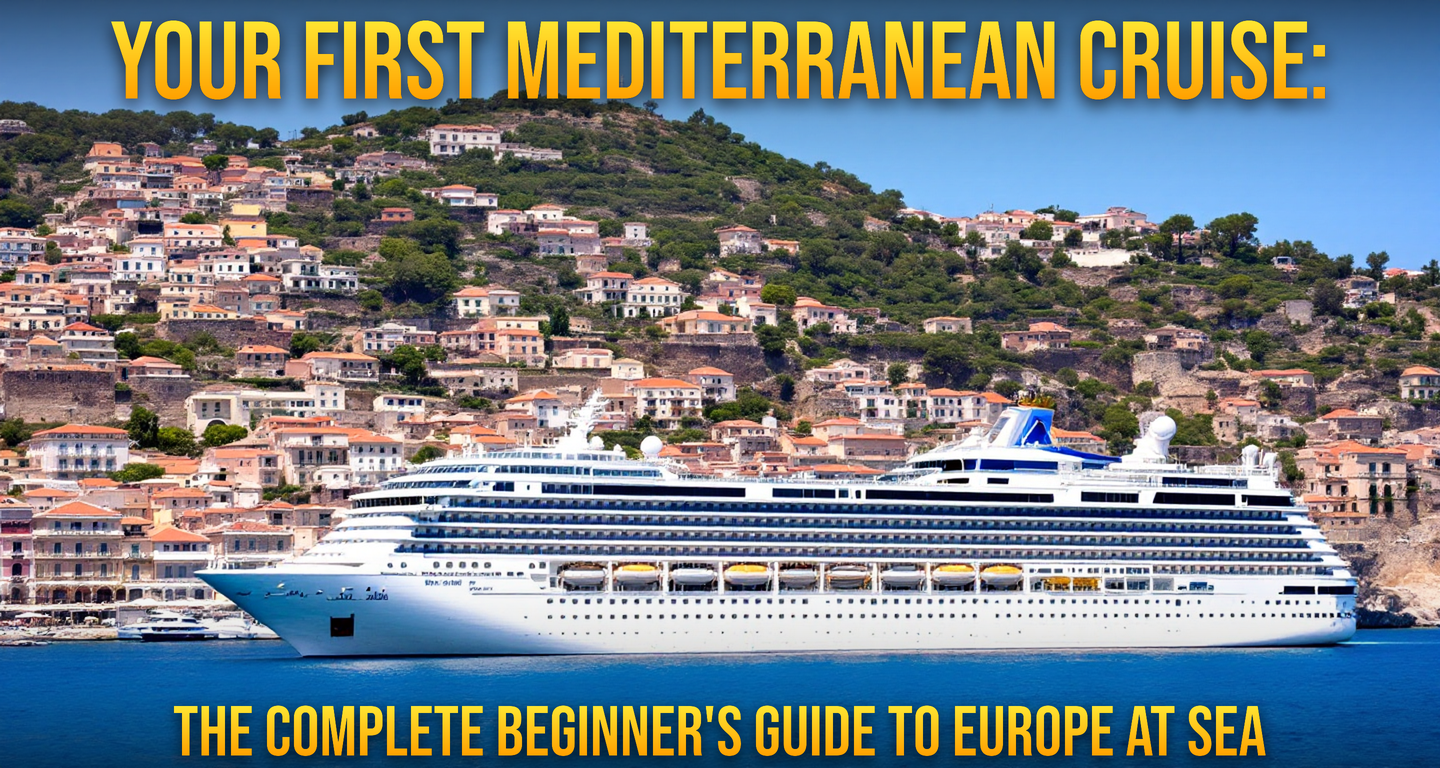
The Mediterranean wins for beginners because it solves the biggest challenges of European travel. You'll visit 4-5 countries in seven days without hauling luggage through train stations or figuring out foreign hotel check-ins. The weather stays pleasant year-round — even January averages 65°F in most ports.
The practical advantages are huge: your cabin becomes your home base while you explore Rome's Colosseum, Barcelona's Sagrada Familia, and the French Riviera. No language barriers for dining since you return to the ship each evening.
The Mediterranean also offers the most forgiving learning curve for cruise newbies. Port days are long — typically 8am to 6pm — giving you plenty of exploration time without rushing. Most itineraries include at least one sea day to recover and enjoy ship amenities.
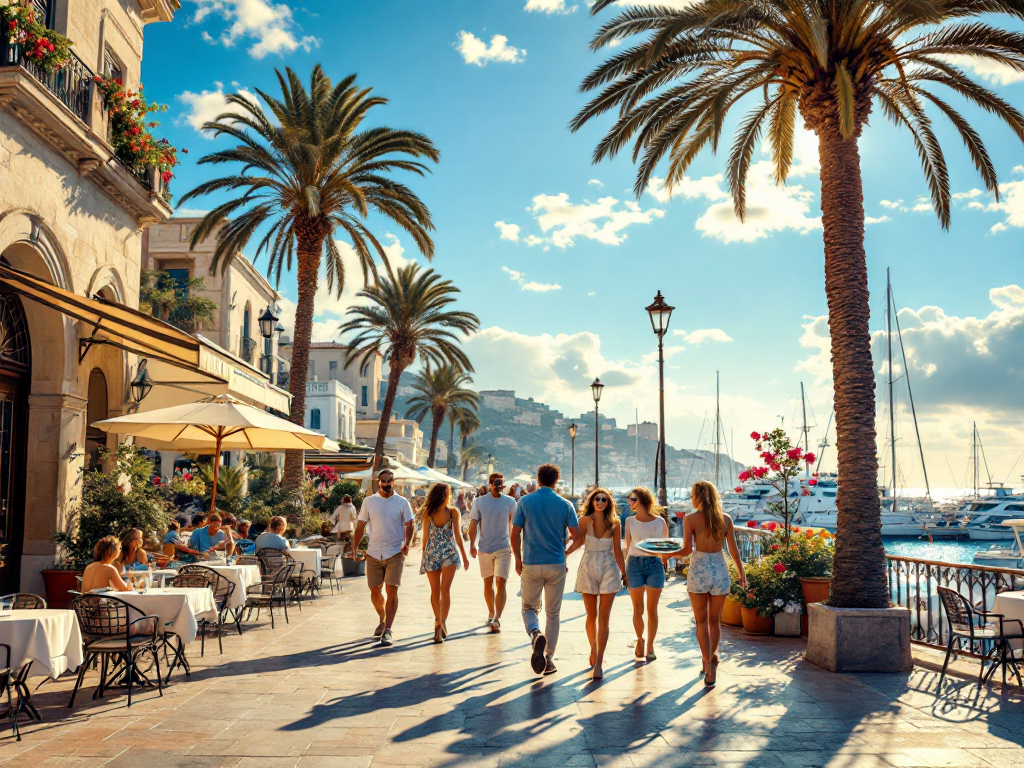
The Western Mediterranean remains my top recommendation for beginners. The classic Barcelona-Rome roundtrip hits the greatest hits: Barcelona's Gothic Quarter, Monaco's casinos, Florence via Livorno, and Rome via Civitavecchia.
Winning Western Med itinerary: Barcelona → Cannes → Genoa (for Florence) → Rome → Naples → Palma, Majorca → back to Barcelona. This route gives you art, history, beaches, and incredible food.
The Eastern Mediterranean requires more stamina but rewards you with Greece's islands and Turkey's history. These cruises often feature Santorini, Mykonos, Rhodes, and Kusadasi (for Ephesus). The Greek islands involve more walking on uneven surfaces — keep that in mind if mobility is a concern.
Best compromise: Choose an itinerary with one overnight stay. MSC Seascape and Royal Caribbean's Allure of the Seas often overnight in Barcelona, letting you experience the city's nightlife without worrying about missing the ship.
Share your favorite Mediterranean ports in our Europe Ports forum — fellow cruisers always have the best insider tips!
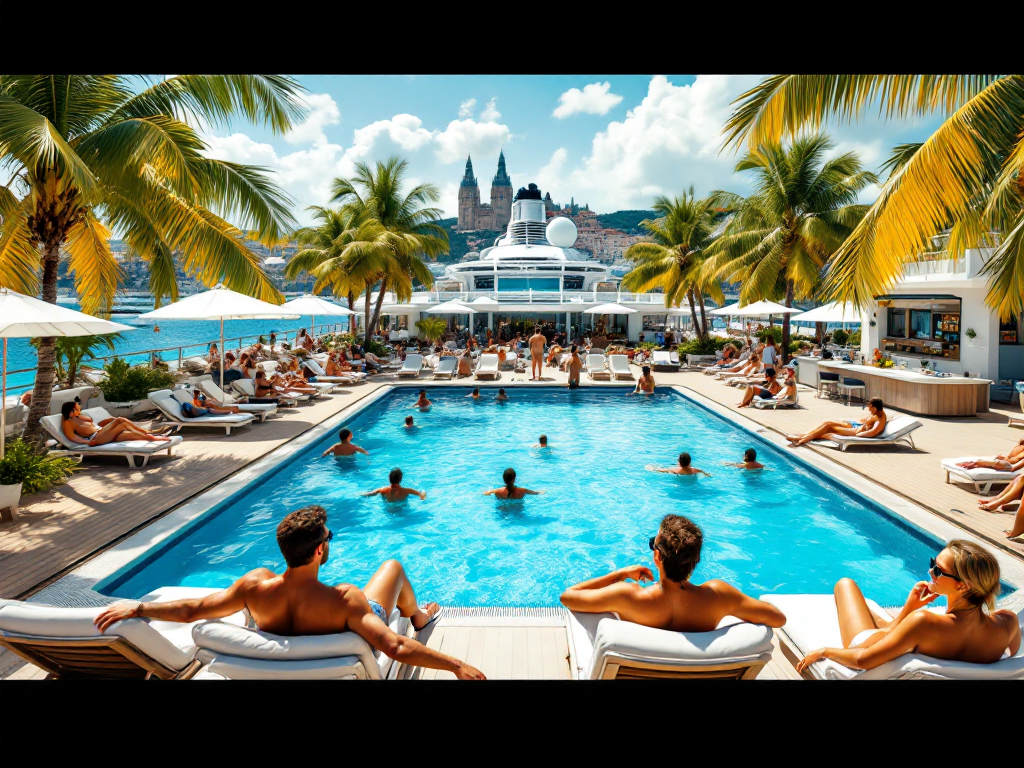
MSC Cruises dominates the Mediterranean and offers excellent value for beginners. Their newer ships like MSC Seascape and MSC World Europa feature impressive amenities, and European service standards feel authentic in these waters. Expect to pay $750-900 per person for a week.
Royal Caribbean brings their signature entertainment and activities to Europe. Ships like Wonder of the Seas and Allure of the Seas offer rock climbing walls and water slides between cultural excursions. Slightly higher prices — $900-1,200 per person — but worth it for families.
Norwegian Cruise Line shines with their flexible freestyle cruising concept. NCL Epic and Norwegian Star offer relaxed dining times perfect when you're adjusting to European port schedules. Mid-range pricing around $800-1,000 per person.
Celebrity and Princess cater to cruisers wanting more sophistication. Celebrity Edge and Princess Crown Princess offer elevated cuisine and cultural enrichment programs. Expect $1,000-1,400 per person but superior food and service.
Here's the honest truth: Any mainstream cruise line will give you a great Mediterranean experience. Choose based on your priorities — value (MSC), activities (Royal Caribbean), flexibility (Norwegian), or refinement (Celebrity/Princess).
Best months for beginners: May, September, and October offer the perfect combination of great weather, reasonable crowds, and lower prices. May averages 75°F with minimal rain, while September still hits 80°F as summer crowds disappear.
July and August bring scorching heat — I've experienced 95°F days in Rome that made sightseeing miserable. These months also command peak pricing, often $300-500 more per person than shoulder season.
Winter cruising (November-March) has pros and cons: Prices drop dramatically — I've seen Barcelona-Rome cruises for $450 per person in February. Weather stays mild (60-70°F) but you'll encounter occasional rain and shorter daylight hours.
Insider timing tip: Book repositioning cruises in April or November when ships move between the Caribbean and Mediterranean. These 10-14 day cruises often cost less than regular 7-day sailings and include multiple sea days for relaxation.
Cabin selection strategy: Interior cabins work perfectly for Mediterranean cruises since you'll spend most time exploring ports. Save $200-400 per person and use the money for excursions instead. If you want natural light, ocean view cabins offer better value than balconies since European weather isn't always perfect for outdoor relaxation.
Packing essentials Mediterranean veterans swear by:
Money-saving port strategy: Skip expensive ship excursions in major ports like Rome and Barcelona. These cities have excellent public transportation and tourist infrastructure. Save guided tours for smaller ports like Santorini or Dubrovnik where independent exploration proves more challenging.
Cultural preparation that makes a difference: Download offline maps and learn basic phrases in local languages. "Thank you" and "Where is the bathroom?" will serve you well. Research each port's highlight attraction and plan your day around it — don't try to see everything.
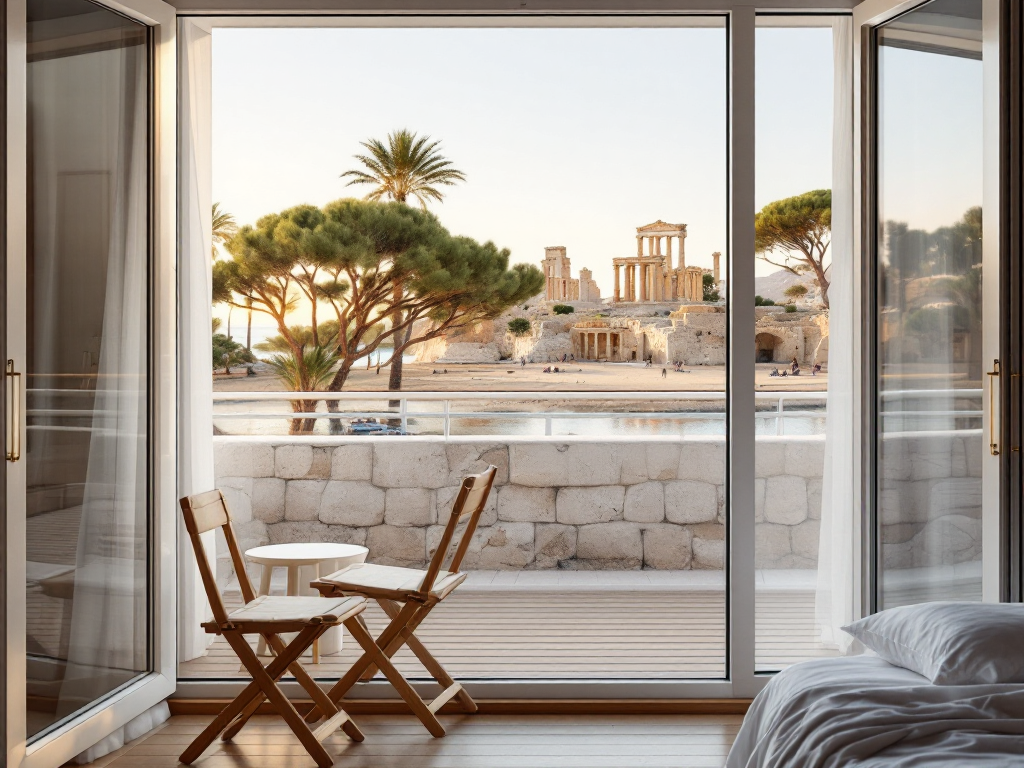
The honest pros: You'll experience incredible cultural diversity, eat amazing food, and see sights you've only dreamed about. The convenience factor can't be overstated — no hotels to book, no luggage to manage, no transportation headaches.
The reality check cons: Port days feel rushed, especially in major cities. You'll get a taste of each destination but won't dive deep. Crowds can be overwhelming in popular spots like the Trevi Fountain or Santorini's Oia village.
Expect to feel tired. Cultural immersion combined with ship activities creates sensory overload. Plan one "easy" port day mid-cruise — maybe just beach time in Palma or window shopping in Cannes.
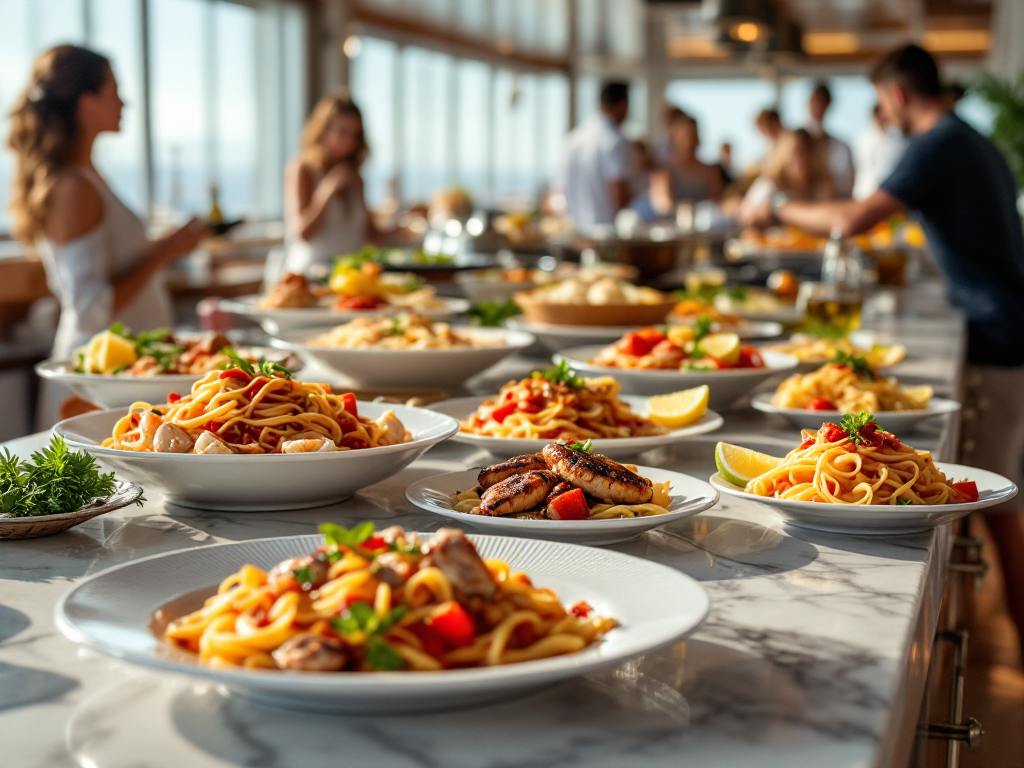
Dining on Mediterranean cruises typically improves over Caribbean sailings. European ports provide better fresh ingredients, and cruise lines often feature regional specialties. Don't miss the Italian night buffet on most ships — it's usually spectacular.
Weather reality: Mediterranean weather isn't always perfect. I've experienced rain in Rome, wind in Santorini, and choppy seas crossing from Spain to Italy. Pack accordingly and maintain flexible expectations.
Your first Mediterranean cruise will likely spark plans for future European adventures — both cruise and land-based. Most first-timers leave wanting to return to specific ports for longer stays.
Ready to book your Mediterranean adventure? Join experienced cruisers sharing real-time tips and reviews in our Europe Ports forum — it's the best resource for first-timer questions and insider port advice!
Why the Mediterranean is Perfect for First-Time Europe Cruisers
The Mediterranean wins for beginners because it solves the biggest challenges of European travel. You'll visit 4-5 countries in seven days without hauling luggage through train stations or figuring out foreign hotel check-ins. The weather stays pleasant year-round — even January averages 65°F in most ports.
The practical advantages are huge: your cabin becomes your home base while you explore Rome's Colosseum, Barcelona's Sagrada Familia, and the French Riviera. No language barriers for dining since you return to the ship each evening.
The Mediterranean also offers the most forgiving learning curve for cruise newbies. Port days are long — typically 8am to 6pm — giving you plenty of exploration time without rushing. Most itineraries include at least one sea day to recover and enjoy ship amenities.
Best Mediterranean Routes for First-Timers
The Western Mediterranean remains my top recommendation for beginners. The classic Barcelona-Rome roundtrip hits the greatest hits: Barcelona's Gothic Quarter, Monaco's casinos, Florence via Livorno, and Rome via Civitavecchia.
Winning Western Med itinerary: Barcelona → Cannes → Genoa (for Florence) → Rome → Naples → Palma, Majorca → back to Barcelona. This route gives you art, history, beaches, and incredible food.
The Eastern Mediterranean requires more stamina but rewards you with Greece's islands and Turkey's history. These cruises often feature Santorini, Mykonos, Rhodes, and Kusadasi (for Ephesus). The Greek islands involve more walking on uneven surfaces — keep that in mind if mobility is a concern.
Best compromise: Choose an itinerary with one overnight stay. MSC Seascape and Royal Caribbean's Allure of the Seas often overnight in Barcelona, letting you experience the city's nightlife without worrying about missing the ship.
Share your favorite Mediterranean ports in our Europe Ports forum — fellow cruisers always have the best insider tips!
Which Cruise Lines Excel in the Mediterranean
MSC Cruises dominates the Mediterranean and offers excellent value for beginners. Their newer ships like MSC Seascape and MSC World Europa feature impressive amenities, and European service standards feel authentic in these waters. Expect to pay $750-900 per person for a week.
Royal Caribbean brings their signature entertainment and activities to Europe. Ships like Wonder of the Seas and Allure of the Seas offer rock climbing walls and water slides between cultural excursions. Slightly higher prices — $900-1,200 per person — but worth it for families.
Norwegian Cruise Line shines with their flexible freestyle cruising concept. NCL Epic and Norwegian Star offer relaxed dining times perfect when you're adjusting to European port schedules. Mid-range pricing around $800-1,000 per person.
Celebrity and Princess cater to cruisers wanting more sophistication. Celebrity Edge and Princess Crown Princess offer elevated cuisine and cultural enrichment programs. Expect $1,000-1,400 per person but superior food and service.
Here's the honest truth: Any mainstream cruise line will give you a great Mediterranean experience. Choose based on your priorities — value (MSC), activities (Royal Caribbean), flexibility (Norwegian), or refinement (Celebrity/Princess).
Timing Your First Mediterranean Cruise
Best months for beginners: May, September, and October offer the perfect combination of great weather, reasonable crowds, and lower prices. May averages 75°F with minimal rain, while September still hits 80°F as summer crowds disappear.
July and August bring scorching heat — I've experienced 95°F days in Rome that made sightseeing miserable. These months also command peak pricing, often $300-500 more per person than shoulder season.
Winter cruising (November-March) has pros and cons: Prices drop dramatically — I've seen Barcelona-Rome cruises for $450 per person in February. Weather stays mild (60-70°F) but you'll encounter occasional rain and shorter daylight hours.
Insider timing tip: Book repositioning cruises in April or November when ships move between the Caribbean and Mediterranean. These 10-14 day cruises often cost less than regular 7-day sailings and include multiple sea days for relaxation.
Essential First-Timer Mediterranean Cruise Tips
Cabin selection strategy: Interior cabins work perfectly for Mediterranean cruises since you'll spend most time exploring ports. Save $200-400 per person and use the money for excursions instead. If you want natural light, ocean view cabins offer better value than balconies since European weather isn't always perfect for outdoor relaxation.
Packing essentials Mediterranean veterans swear by:
- Comfortable walking shoes — you'll walk 5-8 miles daily in most ports
- Layers including a light jacket — mornings can be cool even in summer
- Portable charger — your phone will die photographing all those ancient ruins
- Small daypack for shore excursions
- Reef-safe sunscreen (some Mediterranean beaches require it)
Money-saving port strategy: Skip expensive ship excursions in major ports like Rome and Barcelona. These cities have excellent public transportation and tourist infrastructure. Save guided tours for smaller ports like Santorini or Dubrovnik where independent exploration proves more challenging.
Cultural preparation that makes a difference: Download offline maps and learn basic phrases in local languages. "Thank you" and "Where is the bathroom?" will serve you well. Research each port's highlight attraction and plan your day around it — don't try to see everything.
What to Expect: Your First Mediterranean Cruise Reality Check
The honest pros: You'll experience incredible cultural diversity, eat amazing food, and see sights you've only dreamed about. The convenience factor can't be overstated — no hotels to book, no luggage to manage, no transportation headaches.
The reality check cons: Port days feel rushed, especially in major cities. You'll get a taste of each destination but won't dive deep. Crowds can be overwhelming in popular spots like the Trevi Fountain or Santorini's Oia village.
Expect to feel tired. Cultural immersion combined with ship activities creates sensory overload. Plan one "easy" port day mid-cruise — maybe just beach time in Palma or window shopping in Cannes.
Dining on Mediterranean cruises typically improves over Caribbean sailings. European ports provide better fresh ingredients, and cruise lines often feature regional specialties. Don't miss the Italian night buffet on most ships — it's usually spectacular.
Weather reality: Mediterranean weather isn't always perfect. I've experienced rain in Rome, wind in Santorini, and choppy seas crossing from Spain to Italy. Pack accordingly and maintain flexible expectations.
Your first Mediterranean cruise will likely spark plans for future European adventures — both cruise and land-based. Most first-timers leave wanting to return to specific ports for longer stays.
Ready to book your Mediterranean adventure? Join experienced cruisers sharing real-time tips and reviews in our Europe Ports forum — it's the best resource for first-timer questions and insider port advice!