

The Disney Price Premium Is Real — But There's More to the Story
Let me be straight with you: Disney Cruise Line is expensive. We're talking $2,500–$4,500+ per person for a week-long sailing in 2026, compared to $1,200–$2,800 on Royal Caribbean or Carnival. That's a 50–100% premium for the same ocean, same itineraries, same basic cabin size.
I've sailed with Disney 8 times (out of my 40+ total cruises), and every single time I've watched first-time cruisers do a double-take at the final bill. The question you're asking right now? I've asked it too. So let's break down exactly where your money goes, and I'll give you my honest take on whether it's worth it.

Where Disney's Price Premium Actually Goes
1. Strict Brand Control & Lower Passenger Density
Disney operates fewer ships (6 vessels in the active fleet as of 2026) compared to Royal Caribbean's 27 ships. That means less volume, less negotiating power with suppliers, and higher per-passenger costs.
But here's what you're paying for: Disney maintains obsessively tight control over guest experience. Deck 5 on the Magic isn't packed like a floating hotel — it feels intentional, curated, Disney. The crew-to-guest ratio is roughly 1:3.8 compared to Royal Caribbean's 1:4.5. Those extra crew members cost money.
2. Character Dining (The Exclusive Cache)
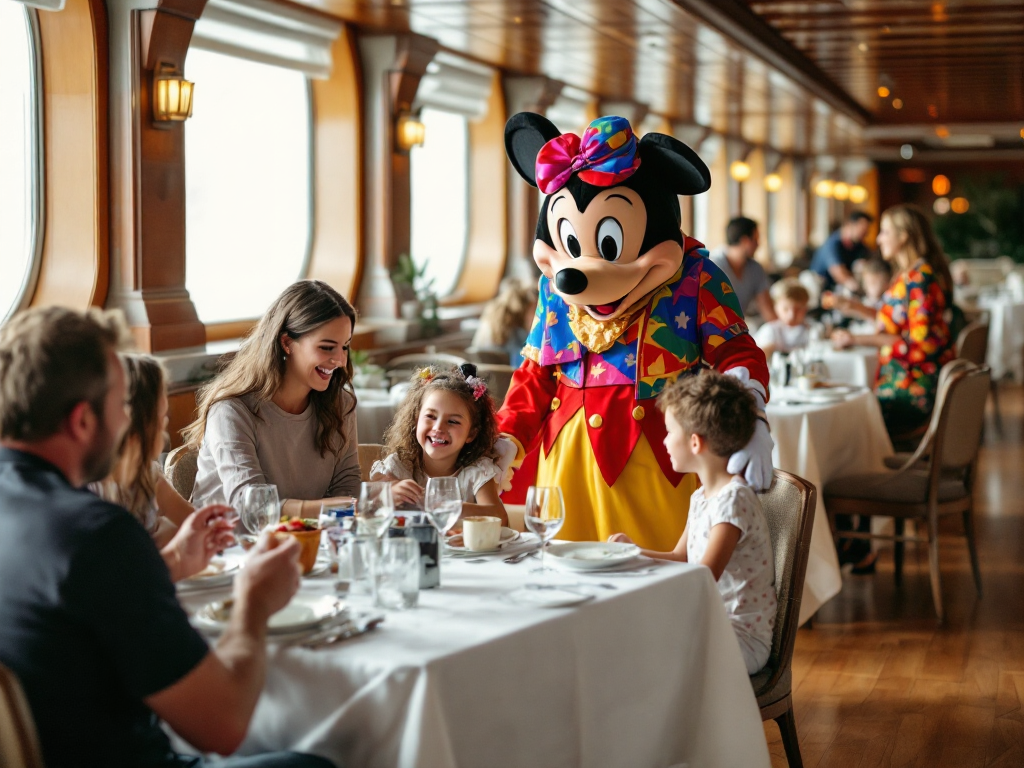
You're not just paying for a meal at Palo — you're paying to meet Cinderella at breakfast without waiting 90 minutes in a theme park. Disney has exclusive character licensing costs that other cruise lines don't touch. Meet-and-greets, character cavalcades on the lido deck, nightly character appearances in the dining room — these aren't accidents of pricing. They're expensive.
A dedicated character dining experience on Disney (Enchanted Garden, Animator's Palette) costs $0 because it's included. On Royal Caribbean, a specialty dinner runs $30–$40. Disney folded this cost into your base fare.
3. Theming & Attention to Detail
The Disney Wonder's Tiana's Place restaurant didn't just happen. Every detail — the New Orleans wrought-iron railings, the live jazz, the beignet station, the themed bar program — required design, licensing, and operational complexity that other lines don't attempt.
Walk Deck 4 on the Magic and you'll notice: handrails are styled (not generic). The carpet patterns connect thematically. Bathroom tiles reference classic Disney animations. A $50,000 detail that 80% of passengers never consciously notice, but you feel it.
Royal Caribbean ships are gorgeous. But they're themed as "modern luxury at sea." Disney ships are themed as Disney experiences at sea. That difference costs real money.

4. Castaway Cay (Your "Private" Island)
Disney owns Castaway Cay. No port fees. No docking charges. No middleman. That ownership model is rare in cruising and allows Disney to:
- Offer zero-cost beach access (truly all-inclusive)
- Control food quality and portion sizes (no contracted vendor)
- Guarantee pristine conditions year-round (Disney maintenance standards)
- Operate adult-only sections (Serenity Bay) without compromise
But here's the hidden cost: maintaining an entire private island is expensive. You're paying for that in your cruise fare. Royal Caribbean uses Great Stirrup Cay and Perfect Day at CocoCay, but those have different operational costs and business models.
5. All-Inclusive Tipping Model
Disney includes gratuities in most published fares (roughly $15/person/day baked into the price). Other lines make you "choose" between onboard account charges. It's the same money either way, but Disney's transparency costs them in perception — cruisers see the higher upfront number instead of adding $100 per person at the end.
The Real Cost Breakdown: What You're Actually Paying For
Let's use real 2026 pricing. A 7-night Eastern Caribbean sailing on the Magic, inside cabin, per person:
Disney Cruise Line: ~$2,100 (including gratuities, automatic service charges)
Royal Caribbean Oasis-class: ~$1,400 (plus ~$140 gratuities, plus $0–$100 in specialty dining)
The $700 difference per person ($1,400 for a couple) breaks down roughly like this:
- Character experiences & exclusive theming: ~$200
- Private island ownership/maintenance: ~$150
- Higher crew staffing ratios: ~$150
- Included gratuities (pricing transparency): ~$100
- Brand premium (Disney brand value): ~$100

Is It Worth the Premium? My Honest Answer
Disney Is Worth It If You Have Young Kids
If you're sailing with children under 10, the value proposition flips. Here's why:
- Character experiences are free and plentiful — not a $30 add-on or a 2-hour wait at a theme park
- Kids clubs are outstanding (Oceaneer Club, Oceaneer Lab) — genuinely engaging for 4–12 year-olds, not just babysitting
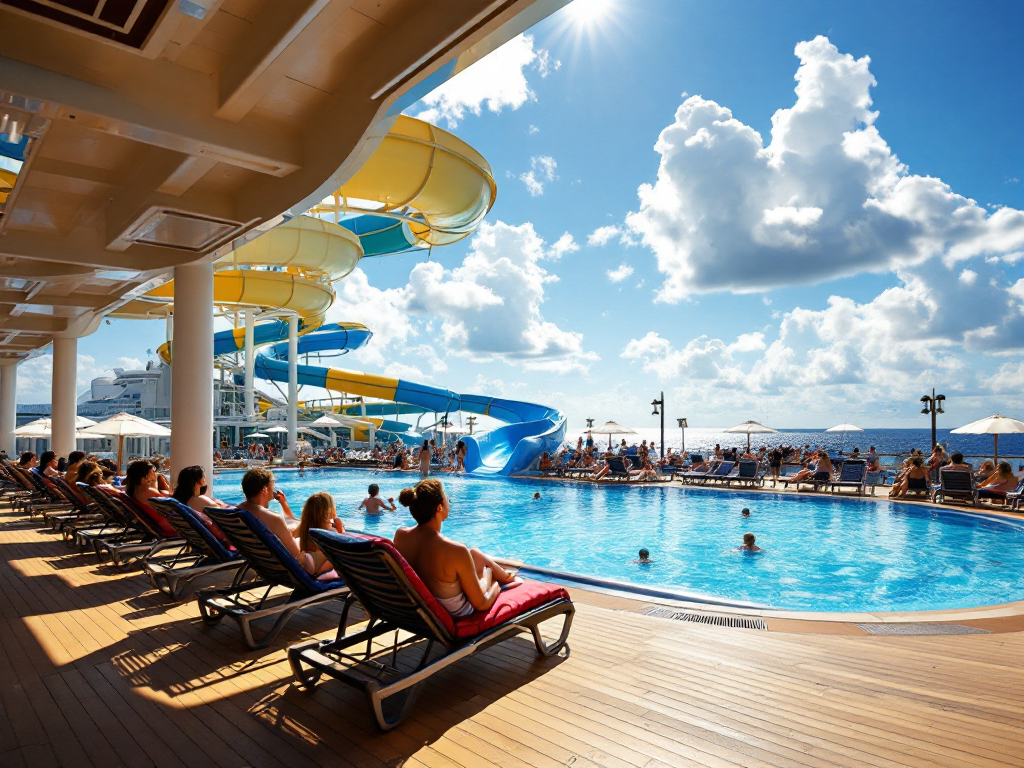
- Family theming everywhere — Frozen-themed water slides, Mickey's Deck Party, nightly character cavalcades keep kids engaged
- Castaway Cay is genuinely kid-optimized — calm lagoon, character meet-ups, splash pad for toddlers
For families, Disney's premium can feel reasonable. You're getting a full vacation experience designed around your kids' joy. That's hard to price.
Disney Is Questionable for Couples or Solo Travelers
Here's where I get honest: if you're sailing without kids, Disney's premium is harder to justify. You're paying extra for:
- Character dining you may not want
- Family-centric activities (yes, there's adult programming, but the ship's design serves families first)
- Theming that younger, kid-free travelers sometimes find precious
- Brand loyalty to a company charging $2,100+ per person
On a couples' sailing to Bermuda, I'd genuinely recommend Norwegian Cruise Line or Celebrity Cruises. You'll save $400–$600 per person and get superior adult dining, quieter venues, and better value on specialty restaurants.
Disney Is a Value for Specific Itineraries
Disney's 3-night Bahamas sails (Disney Dream/Fantasy) at ~$900–$1,300 per person are closer to competitive pricing. The premium narrows because you're not paying for repositioning costs or longer itineraries.
Disney's 4-night Florida sails (Disney Magic/Wonder departing Port Canaveral) at ~$1,400–$1,700 per person are also more reasonable than week-long Caribbean sails.
But Disney's 7-night Caribbean voyages? That's where the premium really stings. You're paying for the brand, the theming, and the operational control — not necessarily better cabins, dining quality, or entertainment compared to Royal Caribbean's Oasis-class ships.
What Disney Does Better (That Actually Justifies the Cost)
Consistency
I've sailed Disney 8 times across 20 years. The Magic in 2006 felt similar to the Magic in 2024 in ways that matter: staff genuinely seem to care about your experience, lines move efficiently, bathrooms are clean, problems get fixed.
Royal Caribbean ships are gorgeous and newer, but consistency is harder to guarantee across 27 ships and 100,000+ passengers daily. Disney's smaller scale = tighter quality control.
Intangible Disney Magic
I know how this sounds. But there's something real about an 8-year-old's face when Mickey walks into the dining room, or when the castle lights up during Enchantment at Sea on the lido deck. It's not rational. It's not worth $700 per person in pure economic value.
But it's worth something. To some families, a lot.
Authentic Accessibility
Disney takes accessibility seriously — not as a checkbox, but operationally. Wheelchairs, mobility devices, dietary restrictions, sensory needs — Disney staff consistently handle these better than other lines. If you're sailing with someone who has accessibility needs, Disney's premium shrinks.
How to Save Money on Disney Cruises in 2026
- Book 8–12 months in advance — Disney discounts heavily during booking windows (May–July 2026 for early 2027 sailings)
- Sail shorter itineraries — 3- or 4-night sails have smaller premiums than 7-night sails
- Sail during value season — September, early December (pre-Christmas), or January–February save 20–30%
- Use Disney Visa card perks — 1% back on Disney purchases adds up on a $3,000+ cruise
- Look for repositioning sails — transatlantic crossings on the Magic or Wonder (~$1,200–$1,500 per person) offer tremendous value
- Book inside cabins — interior cabins on Disney are priced aggressively; the premium over balconies is minimal, saving $200–$400
The Bottom Line: Is Disney Actually Worth It?
For families with young children: Yes. The character experiences, kids clubs, and theming create genuine vacation value beyond just transportation and lodging. Budget the premium as an investment in your family's memory.
For couples without children: Maybe not. You're paying premium prices for a family-first experience. Norwegian or Celebrity offers better adult experiences at lower prices.
For multigenerational trips: Absolutely yes. Disney's consistency and accessibility shine when you're managing different ages, mobility levels, and dietary needs.
For Disney loyalists: You're committed. You're not really shopping on price — you're buying an experience. Own that choice and book during value season to minimize the sting.
The honest truth is this: Disney's premium is real, and it exists because they charge it and families pay it. The company invests those premiums back into theming, staffing, and island operations in ways that create tangible differences. You're not being scammed.
But you're also not getting a significantly better ship, cabin, or dining experience than Royal Caribbean or Celebrity. You're buying a specific brand philosophy and operational approach.
Know what you're paying for. Book accordingly. And if Disney is your choice, book early and sail during value season — that's where the math works better.
Share Your Experience
What's your take? Have you sailed Disney and felt the premium was justified? Or did you jump to another cruise line and never look back? Share your honest thoughts in our Disney Cruise Line forum — we love real guest perspectives that go beyond the marketing.