

Sofia_Reyes
Moderator
Welcome to Venice: Europe's Most Magical Port
Venice is the kind of port that makes you understand why you cruise in the first place. There's nothing quite like sailing into the Venetian Lagoon at dawn, watching the basilicas emerge from the mist, and knowing you're about to walk streets that have existed for over 1,000 years. But here's the thing — Venice requires more planning than most ports. There's no traditional cruise terminal with taxis waiting outside. You'll be navigating water buses, footbridges, and narrow alleyways with your luggage in tow. After 40+ cruises, including multiple visits to Venice, I'm going to walk you through exactly what to expect and how to make the most of your time here.
How Ships Dock in Venice
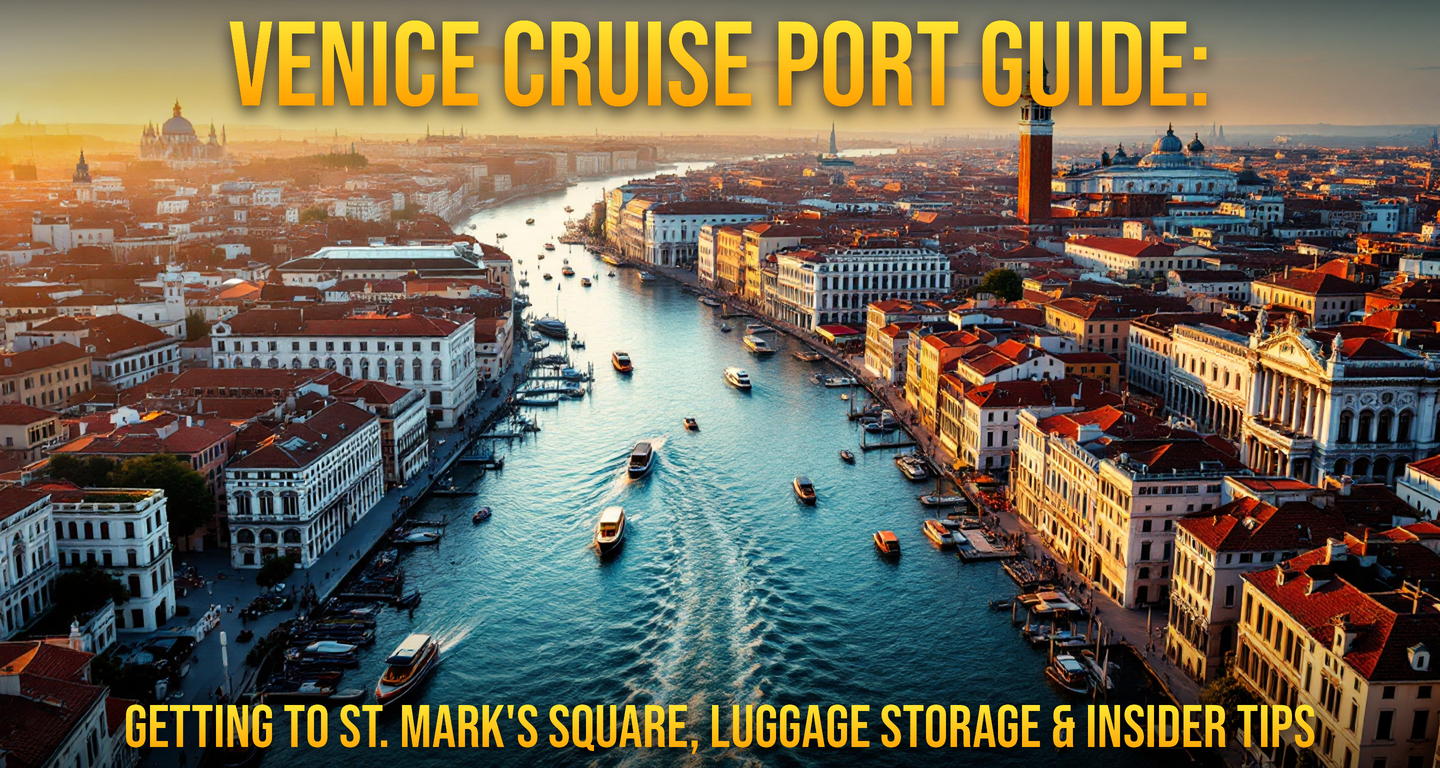
Let's start with the basics: Venice doesn't have a traditional cruise port. Your ship will dock at the Marittima terminal in Porto di Venezia, which is actually on the mainland side of the lagoon, near Mestre. This is a crucial detail because it means you're not stepping directly onto the Venice you're imagining.
However, some newer itineraries use anchorages in the Giudecca Canal or Bacino di San Marco, and passengers are tendered in on small boats. If your ship anchors (rather than docks at Marittima), the tender process can take 30-45 minutes per load, especially on busier days. Check your cruise documents or ask your crew the night before departure — this makes a huge difference in your day's planning.
If you dock at Marittima, you'll walk through the terminal building and emerge into the Venetian system. It's straightforward once you know the route.
Getting from the Port to St. Mark's Square: Your Options
Option 1: Water Bus (Vaporetto) — The Local Way
This is how Venetians actually move around, and it's genuinely the most authentic experience. From Marittima terminal, follow signs for the Vaporetto. You'll buy a ticket at the kiosk — a single journey costs around €10-12 (2026 pricing), or you can get a 24-hour ticket for €25-30 if you plan multiple trips.
Take Line 2 (Circolare) or Line 1 depending on which direction you want to go. Both eventually reach San Marco (St. Mark's Square), but Line 2 is faster — about 20 minutes direct. Line 1 is slower but gives you a scenic tour up the Grand Canal. This is legitimately beautiful. You'll pass under the Rialto Bridge and see Venice's grandest palaces reflected in the water.
Pro tip: The vaporetto gets extremely crowded during peak hours (9 AM to 11 AM, and 3 PM to 5 PM). If you're disembarking early, take the water bus at 7:30 AM and you'll have breathing room. If you board after 2 PM, expect shoulder-to-shoulder crowds.

Option 2: Organized Cruise Line Tours
Nearly every cruise line offers pre-booked shore excursions to Venice's major attractions. These typically cost $75-$150 per person and include a guide who leads you to St. Mark's Basilica, the Doge's Palace, or other highlights. The upside: no navigation stress. The downside: you're on a schedule, moving in a group, and paying a premium.
I booked one of these on my first Venice cruise and felt rushed. Now I explore independently, which gives me hours at each location without watching a tour guide's clock. That said, if you're elderly, have mobility concerns, or traveling with young children, a guided tour removes logistics stress.
Option 3: Private Water Taxi
Want luxury? A private water taxi from Marittima to St. Mark's Square costs around $80-$120 for up to 4 people and takes about 25 minutes. You can book these at the terminal or arrange in advance. It's faster than the vaporetto and you avoid crowds, but it's not cheaper than organized tours, and you lose the authentic Venetian experience of riding the public water bus.
Luggage Storage: Your Best Options
Here's a problem most cruise guides gloss over: if your ship docks early but you don't disembark until later, or if you want to explore after your ship pulls away, you're stuck carrying luggage. Venice has zero luggage lockers at the port terminal, and navigating those narrow streets and footbridges with rolling luggage is genuinely difficult.
Option 1: Leave Luggage on Your Ship
This is the simplest solution. On port days, your cabin remains accessible until the very end of the disembarkation process — usually 6 PM or later. Leave your luggage in your cabin, take only a day bag, and explore carefree. When you return at 5 PM, grab your bags and head back to the ship for departure.
Ask your crew what time final disembarkation occurs. If your ship departs at 6 PM, you typically have until 5:15 PM to return. This works perfectly for most port visits.
Option 2: Luggage Storage Services in Venice
If you're staying in Venice overnight before or after your cruise, or arriving a day early, there are luggage storage services:
- Nabx Luggage Storage: Multiple locations near major attractions, costs around $8-$12 per bag per day. Book online.
- Bounce: App-based luggage storage in partner hotels and shops throughout Venice. Costs vary ($10-$15 per bag) but adds a service fee.
- Local Hotels: Even if you're not staying there, many hotels offer luggage storage for non-guests for $5-$8 per bag.
Insider tip: Never store luggage in alleyway storage businesses without a permanent storefront. Stick to established services or hotel-based storage.
Reaching St. Mark's Square: Walking Routes & Tips
Once you're off the water bus at the San Marco stop, the square is about a 5-minute walk. Here's what you need to know:
The Direct Route
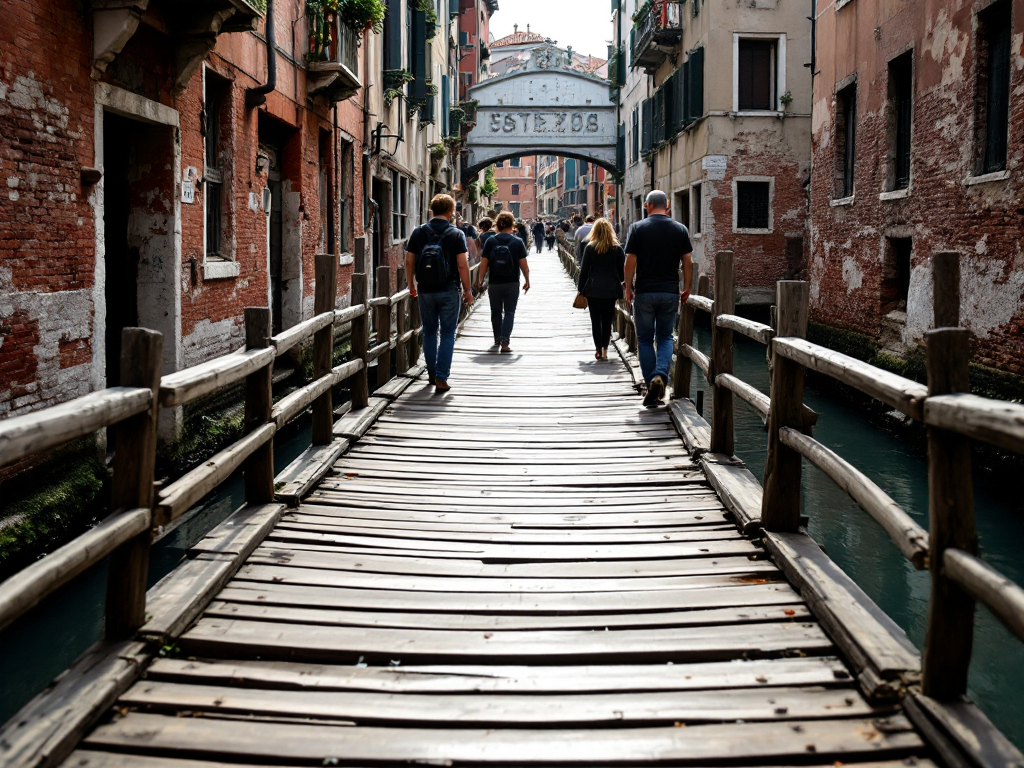
Exit the vaporetto and follow the crowds toward the Basilica — you literally cannot get lost because thousands of tourists follow the same path daily. You'll walk under covered passageways, through the Sotoportego dei Dai, and emerge into the Piazza San Marco from the water side. It's sudden and breathtaking.
The Scenic Route
If you want to avoid the absolute tourist crush, get off at an earlier vaporetto stop — Accademia or Zattere — and walk along the quieter waterfront. It takes 15-20 minutes longer, but you'll see Venice as it actually exists beyond the tourist circuit. You'll pass working shipyards, local cafes, and neighborhoods where actual Venetians live.
St. Mark's Basilica Itself
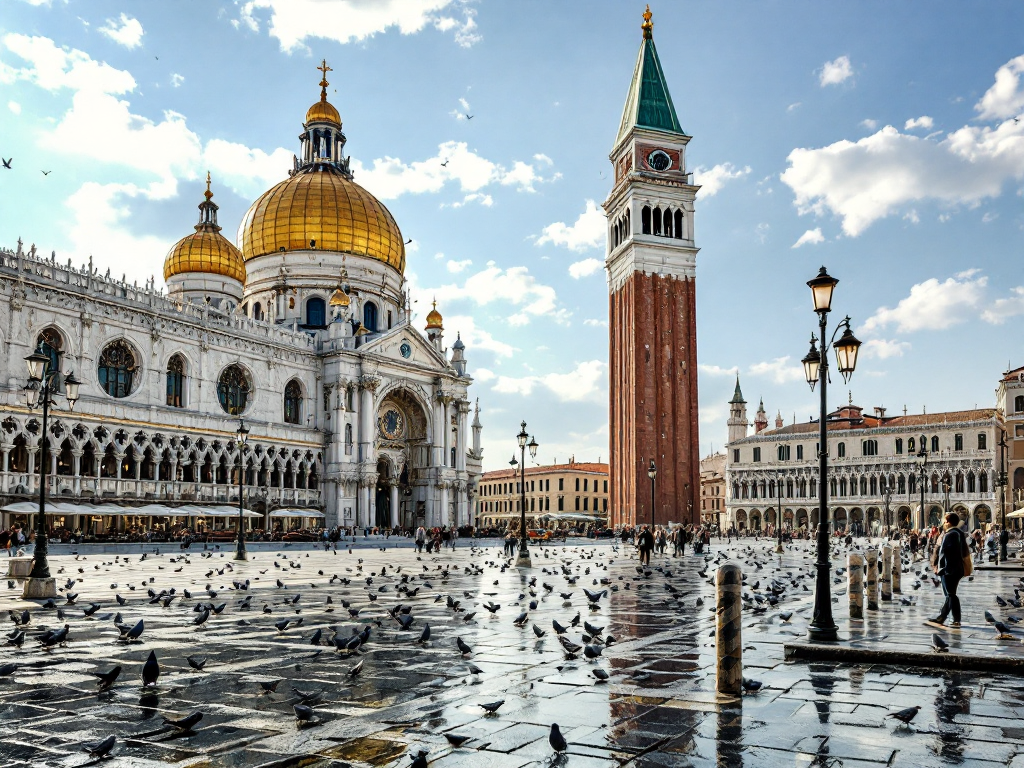
The basilica itself is free to enter, but there's now a €5 mandatory entry fee (2026) collected as you approach — this helps manage crowds. The interior is extraordinary: Byzantine domes, thousands of glittering mosaics, and history dating to the 11th century. Photography inside is prohibited without a special permit.
Lines to enter the basilica can stretch 45 minutes to 2 hours during peak times. If you want to avoid the worst crowds, enter at 7:30 AM or after 5 PM. I once arrived at 6:45 PM, walked straight in with maybe 30 other people, and had 30 peaceful minutes inside. This is not an accident.
What to Actually See & Do Beyond the Square
Here's where I'm going to be honest: spending your entire Venice port day at St. Mark's Square and the Basilica is like spending a week in Paris and only visiting the Eiffel Tower. The square is gorgeous but overwhelming. Use it as a checkpoint, then explore.
- Doge's Palace: Right next to the basilica, this was the home of Venice's rulers. The interior is lavish — all gold ceilings, grand staircases, and Renaissance art. €25 entry. 2-3 hours for a thorough visit.
- Rialto Bridge & Market: About 20 minutes walk north of St. Mark's. This is where Venice's daily life happens. The market overflows with fruit, vegetables, and fresh fish. It's chaotic and authentic. Free to walk through. Eat lunch at one of the market restaurants — pasta con le sarde (Sardinian pasta) costs €15-$18 and is excellent.
- Accademia Gallery: If you're an art person, this museum houses extraordinary Venetian paintings from the 14th-18th centuries. €15 entry. Book ahead because it fills up fast.
- Quiet Neighborhoods: Wander into Cannaregio or Dorsoduro — the residential areas where Venetians actually work and eat. These neighborhoods have zero tourist attractions but infinite character. Grab a spritz (Venetian aperitivo) at a neighborhood bar for €3-$4.
Timing Your Day: Sample Itinerary
Assuming your ship docks at 7 AM and departs at 6 PM:
- 7:30 AM: Disembark and take vaporetto Line 2 to San Marco (less crowded at this hour)
- 8:00 AM: Arrive St. Mark's Square. Grab coffee at a quiet café on the square's edge (€2-$3). Watch the light change on the basilica.
- 8:30 AM: Enter the basilica before crowds arrive
- 9:30 AM: Head to Rialto Market via vaporetto or walking (about 25 minutes on foot). Explore the market.
- 11:00 AM: Lunch at a market restaurant
- 12:30 PM: Wander Cannaregio or another residential neighborhood
- 3:00 PM: Head back toward the port area. Stop at a smaller museum or shop depending on energy.
- 4:30 PM: Board vaporetto back to Marittima
- 5:15 PM: Return to your ship
This gives you roughly 10 hours in Venice without feeling rushed.
Money, Food & Practical Details
Currency & Costs
Venice uses the Euro. Budget €100-$150 per person for a full day including vaporetto, meals, and museum entries. That assumes you're not buying high-end souvenirs. ATMs are everywhere.
Warning: Restaurants directly facing St. Mark's Square charge €25-$40 for pasta. The exact same dish costs €12-$15 in a side street restaurant 100 meters away. Walk away from the square.
Food Highlights
- Cicchetti: Small Venetian appetizers (like Spanish tapas). Order 5-6 at a bar counter for €10-$12 total. This is authentic Venice lunch.
- Risotto al Nero di Seppia: Squid ink risotto. Sounds weird, tastes incredible.
- Fritelle: Fried pastries. Buy from a bakery, not tourist shops. €1-2 each.
- Spritz: The Venetian aperitivo — white wine, Aperol, soda water, olive. €3-$4. It's lighter than it sounds.

Practical Essentials
- Comfortable walking shoes: Non-negotiable. Venetian streets are narrow, cobblestone, and include constant footbridges. You'll walk 15,000-20,000 steps easily.
- Water bottle: It gets hot. Bring an empty bottle and refill at fountains (the signs say "acqua potabile" for drinking water).
- Rain jacket: Venice floods regularly (acqua alta). It can happen any season. A compact rain jacket weighs nothing and saves your day.
- Early start: Every expert cruiser I know treats Venice port days as early-morning adventures. Leave the ship by 8 AM if possible.
Final Thoughts
Venice is genuinely unlike any other port. Yes, it's crowded. Yes, it takes planning. But it's also irreplaceable. You're walking through living history — streets that have been here since before Columbus sailed to America. Don't rush it. Don't do the tour-bus version. Take the vaporetto, get a little lost, eat cicchetti at a neighborhood bar, and let the city reveal itself to you.
Share your Venice experiences — the hidden restaurants you discovered, the neighborhoods that surprised you, the best times to beat the crowds — in our Europe Ports forum. Cruisers planning their own Venice port days need your honest insights.
Ready to Book Your Mediterranean Cruise?
If Venice is calling to you, our AI cruise concierge at CruiseVoices can help you find the perfect itinerary, compare cruise lines, book your passage, arrange pre-cruise hotels, book flights, and even plan independent shore excursions — all through one natural conversation. No commissions to you, just expert planning tailored to what you actually want. Start planning your Venetian adventure today by visiting our Europe Ports community to connect with other Mediterranean cruisers and get real-world advice from people who've been there.