

Marina_Cole
Moderator
The Real Security Gauntlet: Two Checkpoints, Two Different Rules
You're standing in line at the airport TSA checkpoint, bags packed for your cruise, and you're wondering: "Will this make it through?" Then, hours later at the cruise terminal, you see a crew member confiscating something from another passenger's bag—something that passed TSA just fine.
Here's the truth I've learned across 40+ cruises: TSA security and cruise line embarkation security are completely different systems with completely different rules. Something TSA approves can absolutely get confiscated at the cruise terminal. And that distinction will save your vacation from derailment.
Understanding the Two Security Checkpoints
Let me break down what you're actually facing:
TSA (Transportation Security Administration) screens you for threats to aircraft. Their concern is in-flight safety—they're looking for weapons, explosives, and things that could endanger a plane at 35,000 feet.
Cruise Line Security screens you for threats to the ship and port operations. They have stricter rules because they're worried about items that could damage the vessel, disrupt passengers, create liability, or violate international maritime law. Plus, every port you visit has its own security requirements.
This is why you can carry a lighter through TSA but get it confiscated at the cruise terminal. TSA doesn't care about lighters on planes (they're not explosive in-flight). Cruise lines do care because fires on a ship are catastrophic.
What Gets Through TSA but Gets Confiscated at Cruise Embarkation
This is the critical list. These items pass airport security but will be taken from you at the cruise terminal:
- Lighters and matches — TSA allows one lighter in checked bags. Cruise lines? Zero tolerance. I've watched passengers lose vintage lighters, torch lighters, you name it. Keep them at home.
- Corkscrews and pocket knives — TSA allows these in checked luggage. Cruise lines categorize them as weapons. I've lost a leatherman tool at embarkation that I'd packed in my checked bag.
- Certain medications in original containers without labels — TSA is fine with them if they look legitimate. Cruise lines want pharmacy labels with your name. If your anxiety medication or sleep aids aren't labeled with the pharmacy label, they may ask questions or confiscate them. Always keep prescriptions in original pharmacy bottles.
- Alcohol in carry-on bags — TSA doesn't allow it. But if you somehow got it through (you didn't), cruise lines will absolutely take it. Even one mini bottle hidden in a toiletries bag will be found and removed. I've never even tried.
- Razors and certain shaving items — TSA allows safety razors and electric shavers. Cruise lines sometimes flag them depending on the line and the particular item. Straight razors are iffy—I'd leave them home.
- Certain adhesives and spray cans — Aerosol cans are restricted. Some lines confiscate spray deodorant, hairspray, or sunscreen in aerosol form at embarkation. Bring pump or roll-on alternatives instead.
- Rope, chains, or zip ties — These aren't TSA concerns for checked bags, but cruise lines view them as potential weapons or tools for unauthorized purposes. I've had carabiners questioned.
- Some "multi-tools" — A basic leatherman with knife, saw, and pliers may pass TSA in checked luggage but gets flagged at the cruise terminal. Simpler tools are safer.
- Flares or emergency signaling devices — TSA will allow some safety equipment in checked bags. Cruise lines treat these as weapons.
What Gets Stopped at BOTH TSA and Cruise Embarkation (Don't Bother)
These items won't make it past the airport, so there's no debate:
- Firearms, ammunition, explosives (obviously)
- Anything resembling a weapon (guns, swords, nun chucks, throwing stars)
- Large quantities of alcohol or spirits
- Flammable liquids beyond what's allowed (more than 3.4 oz of perfume, cologne, etc.)
- Certain electronics that are banned outright (hoverboards, e-cigarettes with lithium batteries over a certain capacity)
- Illegal drugs
- Fresh fruit, vegetables, or meats (TSA might let some through; cruise lines won't)
What's Actually Fine to Pack: The Safe List
After 40+ cruises and learning what actually works, here's what you can confidently pack:
- Medications in original pharmacy bottles — Always pack these. Bring copies of prescriptions or a doctor's note for controlled substances. Bring more than you think you'll need.
- Electronics — Laptops, tablets, cameras, chargers, power banks (under 100Wh). Phone chargers, hair dryers, electric toothbrushes. All fine.
- Toiletries — Toothpaste, shampoo, conditioner, lotion in 3.4 oz or smaller containers. Pump sunscreen is better than aerosol. Deodorant stick works; spray doesn't.
- Clothing and shoes — Everything. I've never had an issue.
- Books, reading materials, Kindles — Completely fine.
- Snacks — Non-perishable snacks are okay. (Though the ship has endless food.)
- Binoculars, cameras, GoPro equipment — All good.
- Sea-Bands, ginger supplements, motion sickness aids — No issues.
- Basic first aid supplies — Bandages, pain relievers, antacids, cold medicine. Pack what you use.
- Sunglasses, hats, light jackets — Fine.
- Gym clothes and workout gear — The ship has a gym; bring workout clothes if you plan to use it.
- Formal wear for formal nights — Absolutely pack it. Cruise lines have dress codes.
- An umbrella or light rain jacket — Essential, especially in Caribbean and Alaska cruises.
- Jewelry and watches — Bring what you want. Use the cabin safe for valuable pieces.
The Gray Zone: Items That Might Get Flagged (My Pro Tips)
These items are risky. I've seen them confiscated, and I've seen them waved through. It depends on the line, the crew member, and the specific item:
Swiss Army Knife or small multi-tool — I no longer pack these. The hassle isn't worth it. If you need a knife on the ship, room service will get you one.
Sleeping pills or sedatives — Pack them in the original pharmacy bottle with your name. If you're taking Ambien, Lunesta, or similar medications, have a prescription copy. Crew won't give you trouble if they're labeled.
Certain spices and cooking ingredients — This is weird, but fresh garlic, certain powders, and unlabeled spice containers have been flagged. If you're bringing specialty ingredients, keep them in original, labeled packaging.
Power tools or handheld drills — Leave these at home. You won't need them, and they'll be confiscated.
Scented candles — Most cruise lines don't allow open-flame candles, but some allow wax warmers or unscented candles. Check your specific cruise line's policy before packing.
Certain bath products with alcohol content — Aftershave, mouthwash, and perfume are technically restricted if alcohol content is high. Bring pump bottles of cologne instead of aerosol body spray.
Pro Tips from 40+ Cruises: What Actually Happens
Confiscated items are usually not returned. I've never gotten back a lighter or a leatherman. Some lines say they'll mail items to your home after the cruise, but I've never seen it happen. Plan accordingly.
Checked bags are screened more thoroughly than carry-on. If you're checking bags, crew will look through everything. If you're bringing just a carry-on, security is faster but still thorough.
Arrive early, and pack smart. I always arrive at the cruise terminal 2-3 hours early. If something gets confiscated, you have time to resolve it. If you're rushing, any issue becomes a disaster.
Declare anything you're unsure about. If you have a medication, a tool, or something borderline, tell security when you check in. Honesty goes a long way. Hidden items get you in real trouble.
Different cruise lines have slightly different rules. Royal Caribbean, Carnival, Norwegian, Disney, Holland America, and MSC all have nuanced differences. Check your specific cruise line's website before packing. Most have a "prohibited items" list online.
International sailings are stricter than Caribbean sailings. If you're cruising to Europe, the Caribbean, Mexico, or Alaska, regulations differ. European ports especially have stricter rules about certain items.
The Items I Never Pack Anymore (Learned the Hard Way)
After losing items and watching others lose theirs, here's my personal list of things I've stopped packing:
- Any lighter or matches
- Any knife or multi-tool
- Aerosol sunscreen or deodorant (I use pump sunscreen and stick deodorant)
- Aftershave in a splash bottle (I bring cologne in a pump or solid form)
- Alcohol in my carry-on (obviously)
- Scented candles or anything with an open flame
- Straight razor (I bring an electric razor instead)
- Rope, cord, or carabiners (even for luggage)
- Any tool that resembles a weapon
You might think I'm being overly cautious, but after 40+ cruises, I've learned that peace of mind is worth the small adjustments.
What To Do If Something Gets Confiscated
If crew takes something from you at embarkation:
- Don't argue — Security decisions are final. Being confrontational won't get your item back.
- Ask for documentation — Get a written record of what was confiscated and the reason. Some lines provide this; some don't.
- Ask about mail — Request that the item be mailed to your home address after the cruise. Sometimes it works.
- Review your insurance — If the item was valuable, check if your cruise insurance covers confiscation (spoiler: it usually doesn't).
- Report to the cruise line if appropriate — If you believe crew made an error, email the cruise line's guest services after your cruise. They sometimes reverse decisions.
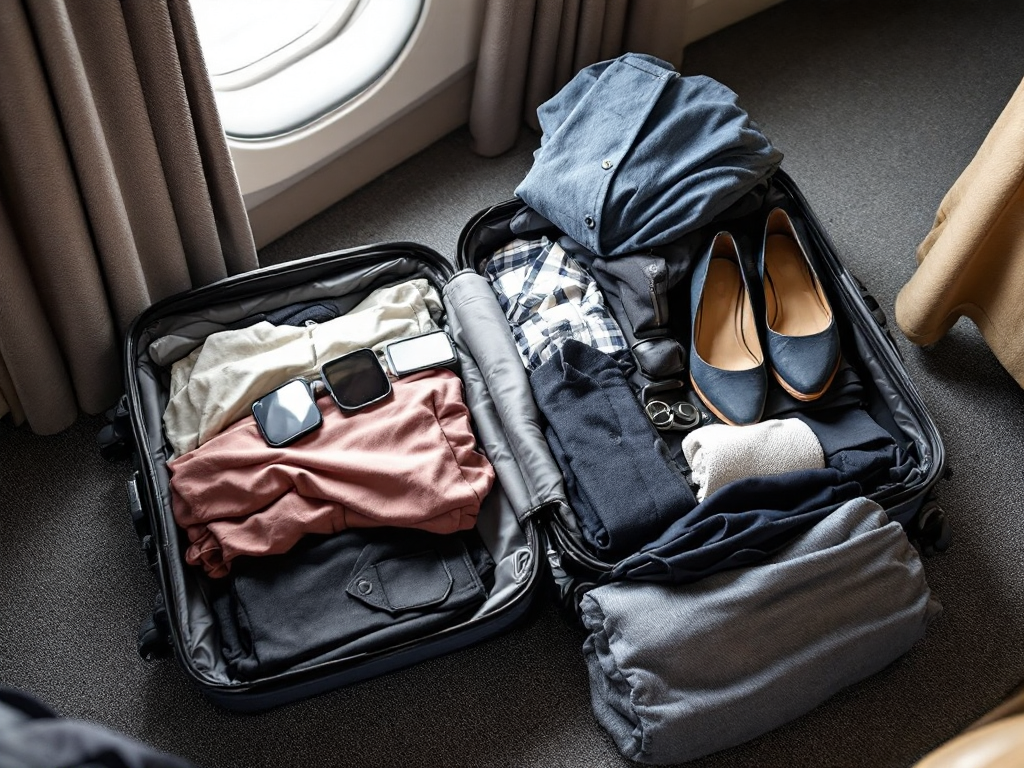
Your Pre-Cruise Packing Checklist
Before you pack, use this checklist:
- Check your specific cruise line's prohibited items list on their website.
- Keep all medications in original pharmacy bottles with labels.
- Pack sunscreen in pump bottles, not aerosol.
- Leave lighters, matches, and multi-tools at home.
- Use stick deodorant instead of spray.
- Pack a copy of any prescriptions for controlled substances.
- Bring at least one formal outfit if your cruise has formal nights.
- Pack twice as many undergarments as you think you'll need (laundry services exist but can be slow).
- Bring a light jacket or rain jacket.
- Keep all electronics chargers in your carry-on.
- Leave valuable jewelry at home or put it in the cabin safe immediately.
- Verify battery limits for power banks and electronics.
Final Takeaway
The TSA and cruise line security systems aren't trying to ruin your vacation—they're protecting passengers and the ship. Understanding the difference between the two checkpoints means you won't lose items you care about or waste time at embarkation dealing with confiscation.
Pack smart, pack early, and arrive early. Those three things will get you onto your ship without incident every single time.
Have you had something confiscated at embarkation? Share your story and get packing tips from other cruisers in our Packing Lists and Essentials forum—where experienced cruisers break down exactly what works on every major cruise line.