

After lugging a 15-pound camera bag through 42 cruises, I've learned the hard way what photography gear is actually worth the precious cabin space. You don't need a professional studio setup to capture stunning cruise memories – you need the right equipment that balances quality with practicality.
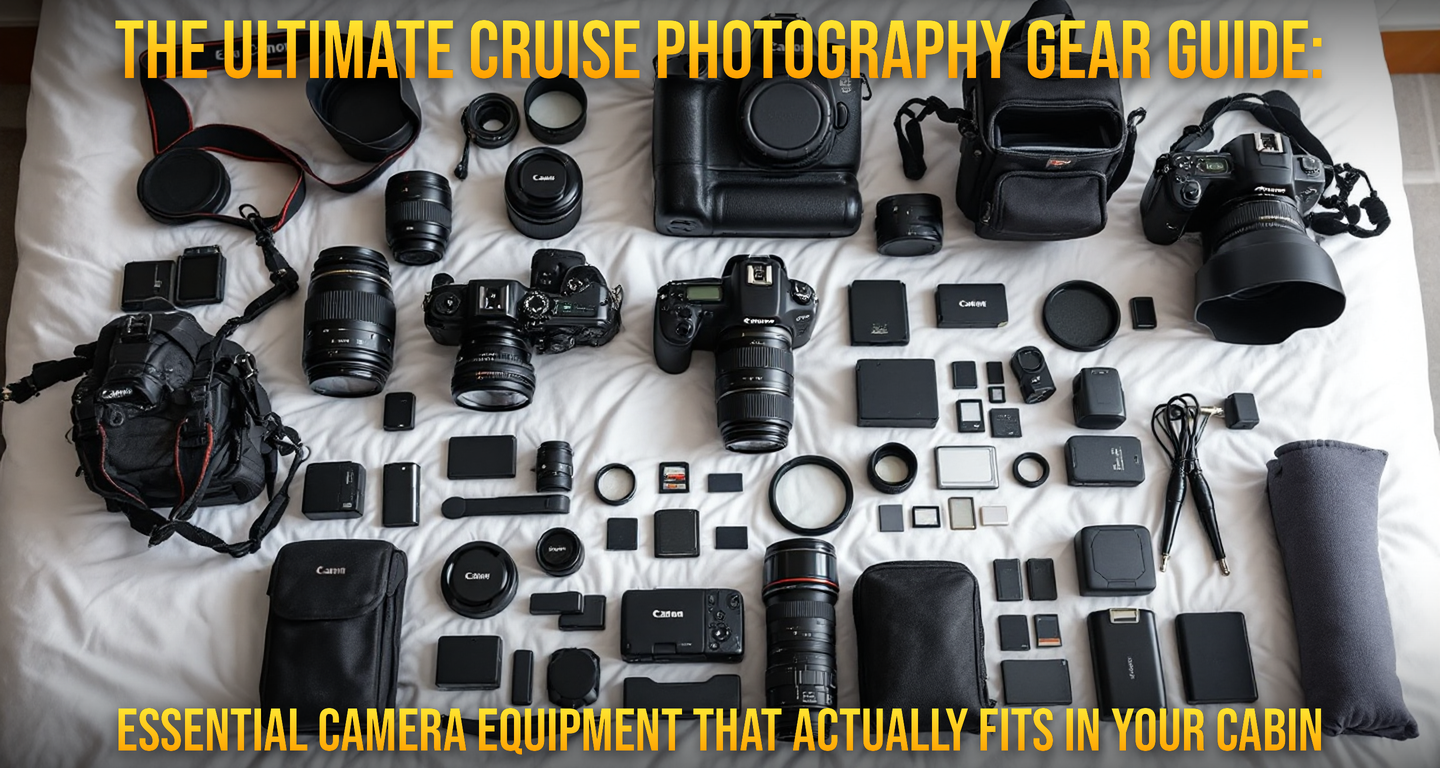
Let me walk you through the exact gear I pack for every cruise, what I've learned to leave home, and the storage tricks that'll save your sanity in those tiny cabins.
Forget what the photography blogs tell you – on a cruise, your camera needs to survive salt spray, crowded pool decks, and constant movement. I've tested everything from budget point-and-shoots to $3,000 DSLRs across ships like Symphony of the Seas and Norwegian Encore.
My top pick: Sony A7C II ($1,799) – It's full-frame but compact enough to fit in a small day bag. The image stabilization is a lifesaver when you're shooting from deck 15 in choppy seas.
Budget winner: Canon EOS R50 ($679) – Don't let the price fool you. I shot an entire Alaska cruise with this body and got images good enough for large prints.
Waterproof option: Olympus TG-7 ($449) – Perfect for snorkeling in Cozumel or getting splash zone shots of Niagara Falls on a St. Lawrence cruise.
The brutal truth? Your iPhone 15 Pro will outperform a $2,000 camera if you don't know how to use manual settings. But if you're serious about photography, invest in something with interchangeable lenses.
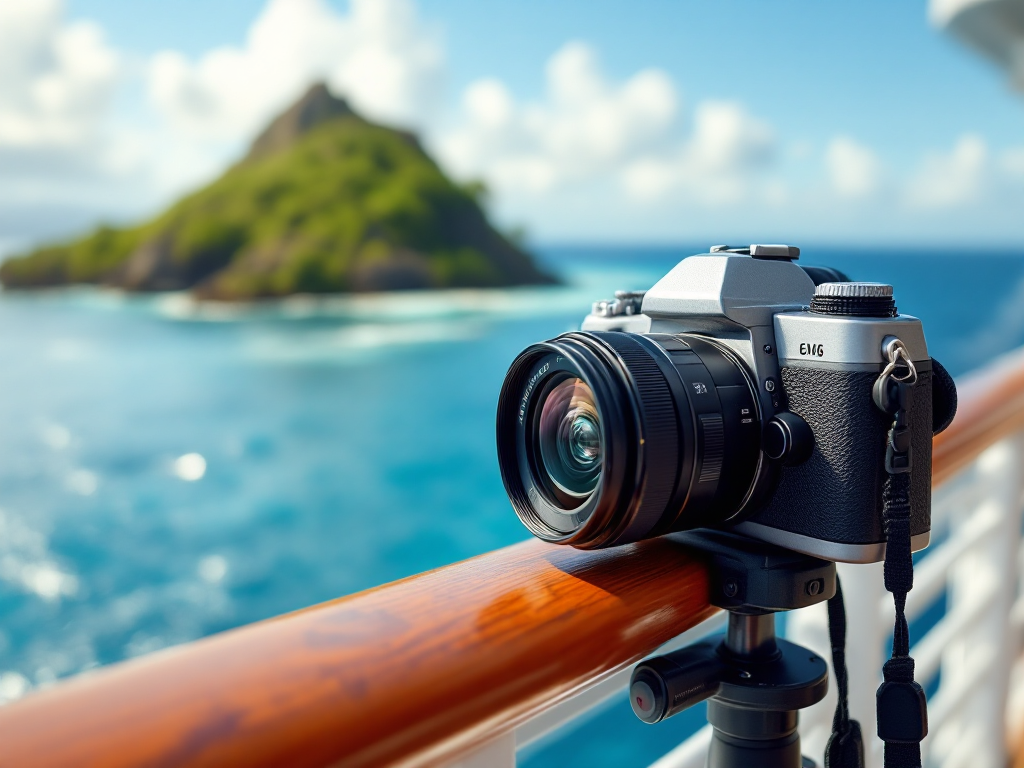
Cabin space is ruthless, so every lens needs to earn its spot. After years of overpacking, I've narrowed it down to three essentials:
I used to pack five lenses and spent half my cruise switching between them. Now with just these three, I've never missed a shot that mattered.
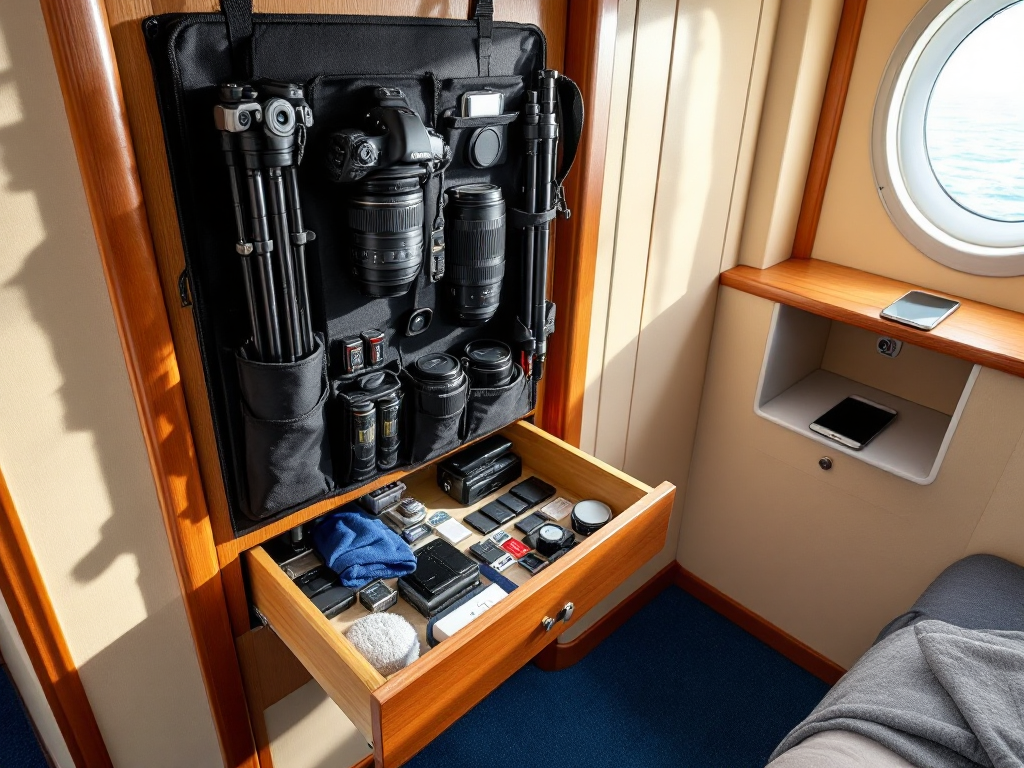
Storage tip: Those padded lens cases are cabin space killers. I wrap each lens in a microfiber cloth and pack them in a hard-shell camera insert that fits perfectly in standard cruise cabin drawers.
Ship movement makes traditional tripods nearly useless. I learned this the expensive way when my carbon fiber tripod ($400) couldn't get a sharp shot of the Northern Lights from Celebrity Edge's deck.
What works instead:
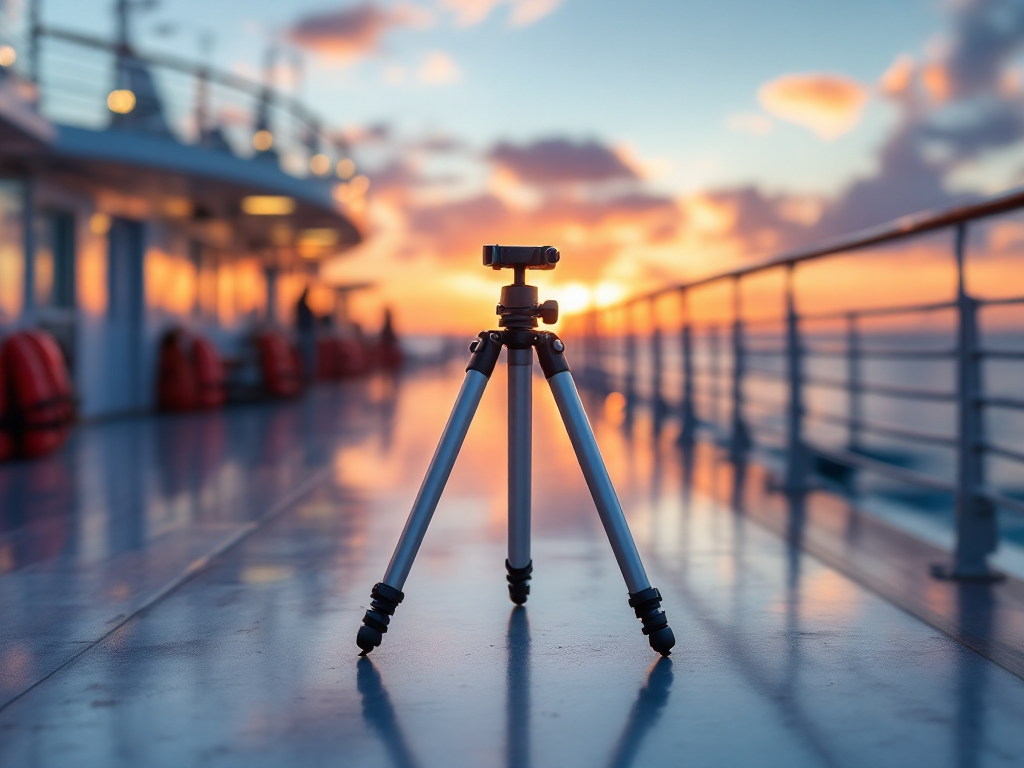
The ship's movement is actually your friend for creative shots – embrace the gentle sway for unique long exposures of the wake at night.
I've seen grown adults cry when their single 64GB card failed halfway through an Alaska cruise. Don't be that person.
Memory card strategy:
Power management: Ship power outlets are often European-style or limited. I pack:
True story: On Mariner of the Seas, our cabin had exactly one working outlet. That power bank saved our entire photo collection when we couldn't charge overnight.
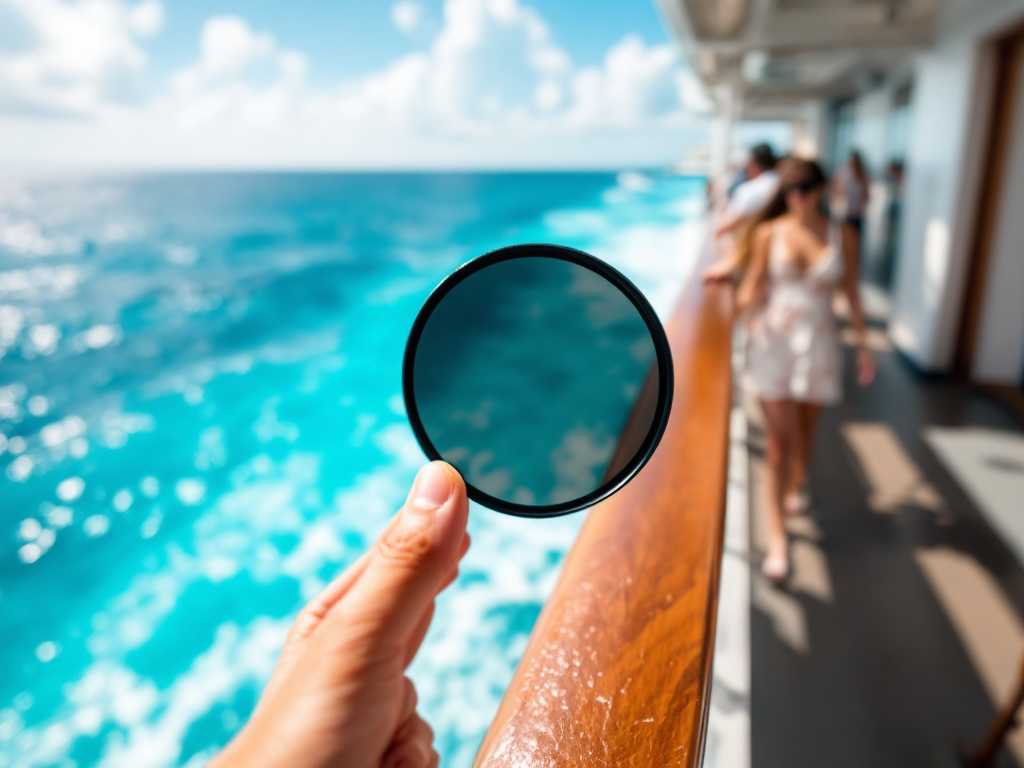
Polarizing filters are cruise photography gold. They cut through deck reflections, make Caribbean water look impossibly blue, and reduce glare from white ship surfaces.
Essential filters:
Cleaning supplies you'll actually use:
Cruise cabins weren't designed for photography gear. Here's how I make it work:
Over-door shoe organizer ($19): Perfect for batteries, memory cards, and small accessories
Magnetic hooks ($23 for 6-pack): Stick to cabin walls for camera straps and lens cloths
Hard-shell camera insert ($89): Protects gear and fits exactly in standard cabin drawers
I store my main camera body in the cabin safe every night. Yes, it's paranoid, but that $1,800 camera represents 6 months of cruise savings.
After wasting cabin space for years, here's what doesn't make the cut:
Caribbean cruises: Underwater housing ($299) pays for itself in Cozumel. The reefs are incredible, and disposable underwater cameras look terrible compared to your real camera in a housing.
Alaska cruises: Hand warmers ($12 for 10-pack) keep batteries working in Juneau's 40-degree mornings. I also pack a small towel specifically for wiping down gear after glacier viewing.
Mediterranean cruises: Extra memory cards are essential – you'll shoot 3x more than expected with all the ancient architecture and port variety.
Here's what no gear guide tells you: the best cruise photos happen when you're not thinking about gear. I've gotten portfolio-worthy shots with my phone while my $4,000 camera setup sat in the cabin.
The gear matters, but knowing your ship's photo opportunities matters more. Golden hour from deck 12 aft. Blue hour from the promenade. Formal night portraits in the atrium before dinner rush.
Spend less time obsessing over gear and more time learning your ship's rhythm. That's where the magic happens.
What's your cruise photography setup? Share your gear wins and disasters in our cruise photography forum – we'd love to see what's working for fellow photographers at sea!
Let me walk you through the exact gear I pack for every cruise, what I've learned to leave home, and the storage tricks that'll save your sanity in those tiny cabins.
The Camera Body Reality Check
Forget what the photography blogs tell you – on a cruise, your camera needs to survive salt spray, crowded pool decks, and constant movement. I've tested everything from budget point-and-shoots to $3,000 DSLRs across ships like Symphony of the Seas and Norwegian Encore.
My top pick: Sony A7C II ($1,799) – It's full-frame but compact enough to fit in a small day bag. The image stabilization is a lifesaver when you're shooting from deck 15 in choppy seas.
Budget winner: Canon EOS R50 ($679) – Don't let the price fool you. I shot an entire Alaska cruise with this body and got images good enough for large prints.
Waterproof option: Olympus TG-7 ($449) – Perfect for snorkeling in Cozumel or getting splash zone shots of Niagara Falls on a St. Lawrence cruise.
The brutal truth? Your iPhone 15 Pro will outperform a $2,000 camera if you don't know how to use manual settings. But if you're serious about photography, invest in something with interchangeable lenses.
Lenses That Actually Matter
Cabin space is ruthless, so every lens needs to earn its spot. After years of overpacking, I've narrowed it down to three essentials:
- 24-70mm f/2.8: Your workhorse for everything from formal night portraits to sunset deck shots
- 16-35mm f/2.8: Essential for cramped cabin shots and dramatic ship exteriors in port
- 70-200mm f/2.8: Wildlife in Alaska, distant islands, and candid shots without getting in people's way
I used to pack five lenses and spent half my cruise switching between them. Now with just these three, I've never missed a shot that mattered.
Storage tip: Those padded lens cases are cabin space killers. I wrap each lens in a microfiber cloth and pack them in a hard-shell camera insert that fits perfectly in standard cruise cabin drawers.
Tripods and Stabilization: What Actually Works
Ship movement makes traditional tripods nearly useless. I learned this the expensive way when my carbon fiber tripod ($400) couldn't get a sharp shot of the Northern Lights from Celebrity Edge's deck.
What works instead:
- Gorillapod 5K ($179): Wraps around deck railings and chairs. I've gotten steady shots in 20-knot winds
- Peak Design Travel Tripod ($379): Folds smaller than a water bottle but extends to full height for formal portraits
- DJI OM 6 smartphone gimbal ($139): Even if you're using a "real" camera, your phone gimbal will get more use than you expect
The ship's movement is actually your friend for creative shots – embrace the gentle sway for unique long exposures of the wake at night.
Memory Cards and Power: The Unsexy Essentials
I've seen grown adults cry when their single 64GB card failed halfway through an Alaska cruise. Don't be that person.
Memory card strategy:
- Pack at least three 128GB cards ($89 each for SanDisk Extreme Pro)
- Shoot to one card, backup to another if your camera supports dual slots
- Leave one card in your cabin safe as emergency backup
Power management: Ship power outlets are often European-style or limited. I pack:
- Anker PowerCore 26800 ($65) – charges my camera 4+ times
- Four camera batteries minimum ($79 each for Sony)
- Universal power adapter with USB-C PD ($34)
True story: On Mariner of the Seas, our cabin had exactly one working outlet. That power bank saved our entire photo collection when we couldn't charge overnight.
Filters and Accessories: The Game-Changers
Polarizing filters are cruise photography gold. They cut through deck reflections, make Caribbean water look impossibly blue, and reduce glare from white ship surfaces.
Essential filters:
- Circular polarizer ($89): Mandatory for any water photography
- ND filter set ($156): For smooth water shots and cloud movement during long port days
- UV filter ($45): Protects your lens from salt spray better than any lens cap
Cleaning supplies you'll actually use:
- Rocket blower ($15) – gets sand out after beach days
- Microfiber cloths (pack 6) – salt spray is everywhere
- Lens cleaning solution ($12) – cabin bathroom water isn't pure enough
Cabin Storage Solutions That Actually Work
Cruise cabins weren't designed for photography gear. Here's how I make it work:
Over-door shoe organizer ($19): Perfect for batteries, memory cards, and small accessories
Magnetic hooks ($23 for 6-pack): Stick to cabin walls for camera straps and lens cloths
Hard-shell camera insert ($89): Protects gear and fits exactly in standard cabin drawers
I store my main camera body in the cabin safe every night. Yes, it's paranoid, but that $1,800 camera represents 6 months of cruise savings.
What I've Learned to Leave Home
After wasting cabin space for years, here's what doesn't make the cut:
- Flash units: Cruise ship lighting is either perfect golden hour or harsh overhead – no middle ground where flash helps
- Macro lenses: You're not shooting jewelry catalogs; save the space
- Multiple camera bodies: One good body beats two mediocre ones
- Lens filters over 77mm: Step-down rings let smaller filters work on bigger lenses
- Laptop for editing: Your phone or tablet handles basic edits; save serious work for home
Port-Specific Gear Considerations
Caribbean cruises: Underwater housing ($299) pays for itself in Cozumel. The reefs are incredible, and disposable underwater cameras look terrible compared to your real camera in a housing.
Alaska cruises: Hand warmers ($12 for 10-pack) keep batteries working in Juneau's 40-degree mornings. I also pack a small towel specifically for wiping down gear after glacier viewing.
Mediterranean cruises: Extra memory cards are essential – you'll shoot 3x more than expected with all the ancient architecture and port variety.
The Real Talk on Cruise Photography
Here's what no gear guide tells you: the best cruise photos happen when you're not thinking about gear. I've gotten portfolio-worthy shots with my phone while my $4,000 camera setup sat in the cabin.
The gear matters, but knowing your ship's photo opportunities matters more. Golden hour from deck 12 aft. Blue hour from the promenade. Formal night portraits in the atrium before dinner rush.
Spend less time obsessing over gear and more time learning your ship's rhythm. That's where the magic happens.
What's your cruise photography setup? Share your gear wins and disasters in our cruise photography forum – we'd love to see what's working for fellow photographers at sea!