

Jake_Harmon
Moderator
Self-Guided Port Adventures on a Budget: Complete Walkthrough for Popular Cruise Destinations
I've spent enough time exploring Caribbean beaches, Mexican colonial towns, and Alaskan wilderness from cruise ports to know one thing for certain: you do not need to pay $150–$300 per person for a ship excursion to have an unforgettable port day. Some of my best cruise memories came from grabbing a map, comfortable shoes, and $40 in local currency, then wandering into the real heart of a destination.
The truth is, cruise lines make excursions sound mandatory. They're not. With a little planning and honest intel, you can explore like a local, eat better food, spend less money, and actually connect with the places you're visiting. Over 40+ cruises, I've cracked the code for doing this safely and smartly.
Let me walk you through exactly how to do it—destination by destination.
How Self-Guided Port Adventures Actually Work
Before we dive into specific destinations, here's what you need to understand about independent exploration:
Timing is everything. You typically have 8–12 hours in port. Subtract 30 minutes on each end for boarding and disembarking delays. That gives you roughly 7–11 hours of actual exploring time.
Insurance matters. If something goes wrong on a ship excursion, you have recourse. If you're exploring on your own, you're responsible. I always recommend travel insurance that covers medical emergencies abroad—especially in destinations where healthcare quality varies. More on this in our independent excursion insurance guide.
Transportation is your biggest variable. Will you walk? Hire a local taxi? Use a ride-sharing app? Take public transit? Your answer changes everything about your budget and experience.
Always build in buffer time. If your ship leaves at 5 PM, be back by 4 PM absolute maximum. I've never missed a ship, and I plan my return accordingly.
Caribbean Ports: Your Self-Guided Playbook
Cozumel, Mexico: The Reef Town Done Right
Cozumel is tailor-made for independent exploration, and this is where I see cruisers waste the most money on excursions they don't need.
The Waterfront Walk (30 minutes, free): Exit the cruise terminal and head straight to the malecón—the waterfront promenade. This is where you'll find the real Cozumel: local restaurants with fresh ceviche, market stalls, and zero tourist markup. A plate of ceviche and fresh lime juice runs $8–12 USD. Compare that to paying $35 for the same thing on a ship excursion.
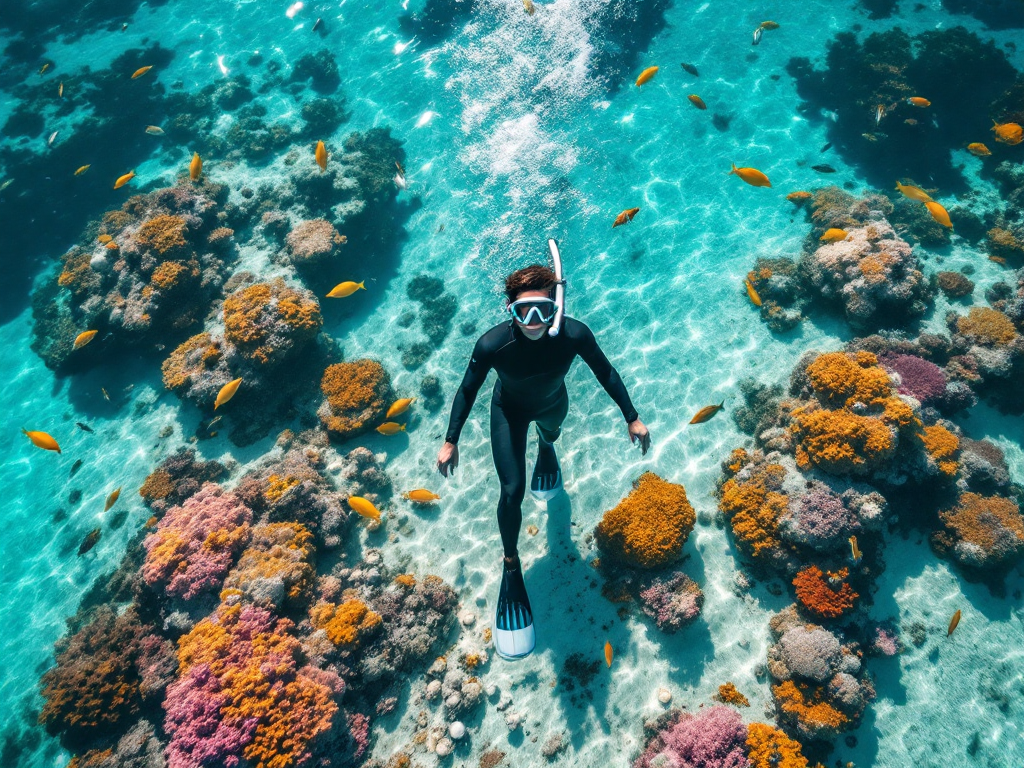
Snorkeling on Your Own (3–4 hours, $30–50): Here's what ship excursions don't tell you: you can book snorkeling directly with local operators on the malecón. Walk to any of the dive shops (Mr. Sancho's, Scuba Duty, Cozumel Diving Services) and negotiate a price for a boat trip to nearby reefs. You'll pay $40–60 total versus $130–180 through the ship. The experience is identical; the only difference is who's taking your money.
Pro tip: Go early (first boat at 9 AM) to beat crowds and get the best reefs to yourself.
Lunch at a Local Spot (1 hour, $15–20): Skip the tourist restaurants on the main drag. Walk two blocks inland and you'll find comedores—family-run lunch spots where locals eat. Order the daily special (comida del día), which includes soup, main course, and drink. You'll eat better food, spend less, and eat where Cozumel residents actually go.
San Gervasio Mayan Ruins (half-day, $20–30): Rent a taxi for the round trip (negotiate $60–80 total for 4 hours) or use a ride-sharing app. The ruins are modest compared to Tulum, but they're quieter and less crowded. Admission is $6 USD. This is a solid solo or couple activity, though families might find it less engaging than beach time.
Grand Cayman: Georgetown & Seven Mile Beach
Grand Cayman's port area is more compact than Cozumel, which makes independent exploration actually easier.
Georgetown Walk (1–2 hours, free–$20): The cruise terminal puts you right in downtown. Walk the streets, explore the Cayman Islands National Museum (admission $10), browse the artisan market, and grab lunch at a local spot. Camakavos restaurant serves solid Caymanian food at reasonable prices ($18–25 per plate). The vibe is relaxed and distinctly Caribbean.
Seven Mile Beach (half-day, $15–30): This is where you'll spend real money to get there, but it's worth it. A taxi from the terminal runs $25–35 round-trip. Once there, you can rent a beach chair ($8–10) and snorkel straight from the shore—no boat required. The water is calm, clear, and full of fish. Bring your own snorkel gear or rent locally for $10–15.
Stingray City (4 hours, $60–80 independently vs. $180–220 on ship): This is the iconic Grand Cayman experience, and you can book it independently. Visit any tour operator on the dock (Captain Marvin's, Stingray City Tours) and negotiate directly. You'll pay 60% less than the ship quotes. The activity is identical: you wade into shallow water, hold rays, and take photos. The ray encounter is memorable, but be honest—it's touristy even when you book it independently.
Nassau, Bahamas: Cable Beach & Downtown Grit
Nassau is trickier than Cozumel or Grand Cayman because the port isn't as walkable, but independent exploration is doable if you're strategic.
Downtown Nassau (2 hours, free–$15): The walk from cruise port to downtown is about 15–20 minutes and safe during daylight. You'll pass the Straw Market (haggle hard for souvenirs), the Nassau Public Library, and local restaurants. Lunch at a conch salad spot costs $12–18. The downtown area feels gritty but authentic.
Cable Beach (half-day, $15–25 taxi): A quick taxi ride gets you to Cable Beach, which is far superior to the touristy Paradise Island beach. It's wider, less crowded, and you'll see actual Bahamians relaxing there. Bring snorkel gear or rent locally.
Honest take: Nassau isn't as visually stunning as other Caribbean ports. If you're not a beach person or snorkeler, consider a sea day or skip the port entirely. The excursions (Atlantis, Blue Lagoon tours) are overpriced even when booked independently.

Mexican Riviera Ports: Where Independent Exploration Shines
Playa del Carmen: Beyond the Beach Zone
Playa del Carmen gets millions of cruise passengers, which means it's set up perfectly for independent exploration—if you know where to go.
Fifth Avenue (Quinta Avenida) Walk (1–2 hours, free–$30): The main pedestrian street is tourist-heavy but walkable from the cruise port. Expect overpriced restaurants and souvenir shops. Skip these. Instead, walk two blocks off Fifth Avenue and you'll find local taquerias, mezcal bars, and restaurants serving actual food at actual prices.
Cenote Swimming (half-day, $30–50 independently vs. $140–180 on ship): Cenotes are underground sinkholes filled with crystal-clear freshwater—they're genuinely incredible. Ship excursions hype them hard and overcharge massively. Book directly with a local cenote operator (Xcaret, Xel-Há) through their websites before your cruise, or negotiate with taxi drivers at the port ($80–100 round-trip, 3–4 hours total). Cenote entry runs $20–40 depending on which one you choose.
Tulum Day Trip (full day, $50–80 independently vs. $200–250 on ship): This is my favorite independent port adventure. Catch a shared colectivo minibus from downtown Playa (they depart every 30 minutes, cost $3–5 USD) to Tulum town. From there, another $5–8 taxi gets you to the ruins. Entry to Tulum is $6 USD. You'll spend 2–3 hours exploring the clifftop Mayan ruins overlooking the Caribbean. Lunch in Tulum town runs $10–15. This full experience costs $30–40 per person versus $200+ on the ship.
Insider secret: Go to the ruins early (arrive by 9 AM) to beat crowds. By 11 AM, every cruise ship excursion has arrived and the site becomes packed.
Puerto Vallarta: Mountains, Beaches & Colonial Charm
Puerto Vallarta is one of my favorite Mexican ports because the old town is genuinely beautiful and easily walkable.
Old Town Wandering (2–3 hours, free–$25): The cruise port deposits you right in the walkable zone. Head into the historic district and just explore. Cobblestone streets, art galleries, colonial architecture, and local restaurants define this area. Grab lunch at a small comedor or on a patio overlooking the bay. You'll spend $12–18 on a solid meal with a drink.
Beach Day (4–5 hours, free–$20): Walk to nearby Playa Camarones (locals' beach) or catch a cheap taxi to Playa Mismaloya ($8–12 round-trip). These beaches are less touristy than the main tourist zones. Bring your own snorkel gear or rent locally.
Hiking Mismaloya or Yelapa (half-day, $15–30): Local hiking guides congregate near the waterfront. A guided hike up the Mismaloya canyon with waterfall swimming costs $20–30 per person and takes 2–3 hours. This is genuinely worth doing—it's beautiful, the guides are knowledgeable, and it's a fraction of ship excursion prices.

Alaska: The Budget Self-Guided Challenge
Alaska is where independent exploration gets trickier because ports are smaller, fewer tour operators exist, and logistical options are limited. But it's still possible—and rewarding.
Ketchikan, Alaska: Totem Poles & Rainforest
Walking Tour (2–3 hours, free): The cruise port is walkable. Head into downtown and explore the totem pole parks (Saxman Totem Park, Totem Heritage Center). The heritage center admission is $6. You'll see incredible Tlingit culture without paying $80+ for a ship excursion.
Creek Street Exploration (1–2 hours, free–$15): This historic boardwalk district is touristy but charming. Walk it, grab coffee or food ($8–15), and enjoy the rainy, misty atmosphere that defines Southeast Alaska.
Local Taxi to Remote Beaches (3 hours, $40–80): Ask cruise staff to recommend local taxi drivers. A taxi to less-visited beaches like Silvis Lake runs $50–80 for a 3-hour excursion. You'll avoid crowds and see actual Alaskan wilderness without paying cruise line markups.
Juneau, Alaska: Mendenhall Glacier
This is where I usually splurge a bit because glacier access requires transportation and logistics.
Bus to Mendenhall Glacier (half-day, $15–25): The local bus (Capital Transit) runs from downtown Juneau to the Mendenhall Glacier visitor center. Cost is roughly $3 one-way. Once there, entrance to the visitor center is $5. You can hike to the glacier face on your own ($0) or join a ranger-led walk (free). This beats paying $130–180 for a ship glacier excursion.
Real talk: If you want to actually touch the glacier, you'll need to book a glacier trekking or helicopter tour independently—expect $200+. This is one area where ship prices and independent prices are similar.
Downtown Juneau Walk (2 hours, free–$20): The capitol building is free to tour, local restaurants serve solid seafood ($15–25), and the waterfront is scenic. The state museum admission is $8.
Skagway, Alaska: Gold Rush History on a Budget
White Pass & Yukon Route Train (3–4 hours, $100–140 independently): This is iconic and absolutely worth doing, but skip the ship excursion markup. Book directly with the railroad (WhitePassRailroad.com) before your cruise. You'll pay $20–30 less per person. The 2-hour train journey into the mountains is stunning.
Downtown Skagway Walking Tour (1–2 hours, free): The entire historic district is walkable. Pick up a walking tour map at the visitor center (free) and explore at your own pace. Gold rush-era buildings, cemeteries, and museums fill the town. Several museums are $5–8 each.
Hiking to Dewey Lakes (half-day, free): This local hike is spectacular and completely free. The trailhead is just outside downtown. You'll see alpine scenery, streams, and minimal crowds. Go early to beat other hikers.
The Real Costs: What You'll Actually Spend
Let me break down realistic budgets for a port day exploring independently:
Caribbean Budget (per person, full day)
- Snorkeling or beach activity: $30–60
- Meals (breakfast, lunch, snack): $25–40
- Local transportation (taxis/rides): $15–40
- Activities (museums, tours, guides): $10–30
- Contingency/souvenirs: $15–30
- Total: $95–200 per person
Compare this to a cruise ship excursion: $150–250 per person, often including poor food and rushed timing.
Mexico Budget (per person, full day)
- Cenote or beach/snorkel activity: $30–50
- Meals: $30–45
- Transportation: $15–40
- Optional tours/guides: $20–50
- Contingency/souvenirs: $15–25
- Total: $110–210 per person
Alaska Budget (per person, full day)
- Major activity (train, bus, glacier access): $15–140
- Meals: $25–45
- Optional guides/tours: $20–50
- Local transportation: $5–30
- Contingency: $15–30
- Total: $80–295 per person (varies wildly by activity)
The bottom line: independent exploration typically costs 30–50% less than ship excursions while giving you more control and a more authentic experience.
Safety & Insurance: The Non-Negotiable Stuff
I'll be honest—this is where independent exploration requires more caution.
Travel Insurance: Cruise lines provide medical coverage while you're on the ship, but once you leave the port, you're on your own. I always carry comprehensive travel insurance that covers medical emergencies, evacuation, and trip cancellation. This costs $30–80 per trip but could save thousands if something goes wrong.
Street Smarts: Avoid flashing valuables, don't wander into unknown neighborhoods late at night, stay in groups when possible, and keep your phone charged. These apply to any foreign travel, not just cruises.
Communication: Let someone on the ship know where you're going and when you expect to return. Take a photo of your cruise ID and keep it on your phone (not your actual ID).
Local Currency: Carry enough cash to cover your activities plus 20% extra. Credit cards work in major cities but not everywhere. ATMs are widely available but don't always work for foreign cards.
For more details on protecting yourself while exploring independently, check out our independent excursion discussion forum.
Pro Tips From 40+ Cruises
Book Taxis at the Cruise Port: Negotiate fares before getting in, or use ride-sharing apps (Uber, Bolt, Didi) if they're available. Always confirm the currency and price upfront.
Go Early, Return Early: The first tourists off the ship get empty beaches and short lines. The last tourists back often face delays and stress.
Research Before You Sail: Google the port name + "independent traveler" or "backpacker guide." Reddit's r/Cruise is surprisingly useful. Watch YouTube videos of the port. These resources cost nothing and provide invaluable intel.
Talk to Other Cruisers: Walk around the ship and ask other passengers what they've done in that port before. Our CruiseVoices community is full of cruisers willing to share real experience.
Trust Local Operators Over Stranger Recommendations: Book with established dive shops, tour companies, and hotels rather than guys on the beach promising "good deals." A few dollars saved isn't worth the risk.
Learn a Few Phrases: "Hola," "Gracias," "Cuánto cuesta?" (How much?), and "Dónde está el baño?" (Where's the bathroom?) go a long way in Caribbean and Mexican ports.
When to Actually Book a Ship Excursion (Honestly)
I'm not anti-ship excursions. There are times they make sense:
- Remote Locations: In Alaska, some activities require ship-organized logistics. Book independently if possible, but ship excursions aren't always overpriced here.
- Complex Activities: Heli-tours, deep-sea fishing, or multi-hour adventures sometimes require more coordination than independent booking allows.
- Families with Young Kids: The hand-holding and predictability of ship excursions can be worth the premium.
- Accessibility Needs: Ships coordinate wheelchair access better than independent operators in many ports.
- You're Nervous: If you're uncomfortable exploring independently, that's valid. Pay for the security and structure you need.
But for snorkeling, beach days, local meals, and cultural exploration? Independent is almost always better.
Your Move
I've given you the blueprint. Now it's time to decide: Do you want to pay premium prices for rushed, choreographed excursions? Or do you want to grab a map, comfortable shoes, and $40 in local cash, then explore like someone who actually lives there?
The ports I've described—Cozumel, Grand Cayman, Puerto Vallarta, Ketchikan, Juneau, Skagway—are waiting. So are a dozen others I haven't covered.
Your best port days aren't the ones the cruise line sells you. They're the ones you discover yourself.
Share your favorite independent port adventures in our independent excursion discussions—and help other cruisers find the real hidden gems.