

You've seen the videos on social media — passengers wiping out spectacularly on Royal Caribbean's FlowRider surf simulators. It looks terrifying and thrilling at the same time. After riding the FlowRider on 12 different Royal Caribbean ships (and yes, I've had my share of wipeouts), I'm here to give you the real scoop on safety, what actually hurts, and how to maximize your chances of staying upright.
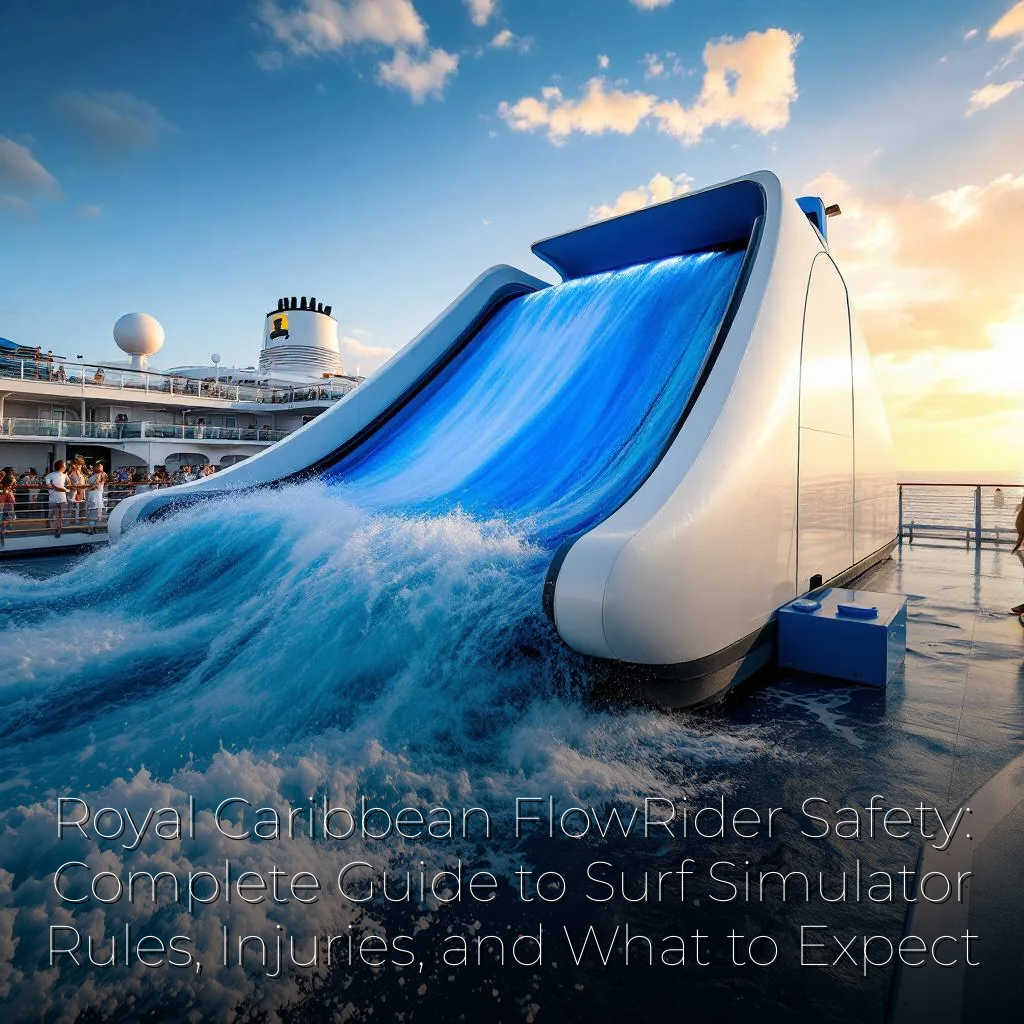
The FlowRider shoots 30,000 gallons of water per minute up a curved surface at about 25 mph. That's not a gentle lazy river — it's a legitimate athletic challenge that can launch you backwards if you're not prepared.
I've ridden FlowRiders on everything from Oasis of the Seas to Wonder of the Seas, and here's what surprised me: the newer ships actually feel more forgiving. The Icon-class ships like Star of the Seas have refined the water pressure and surface texture compared to the original Voyager-class installations.
The most important thing to understand is that you're not just "trying surfing" — you're learning to balance against a powerful water flow that will absolutely win if you fight it wrong.
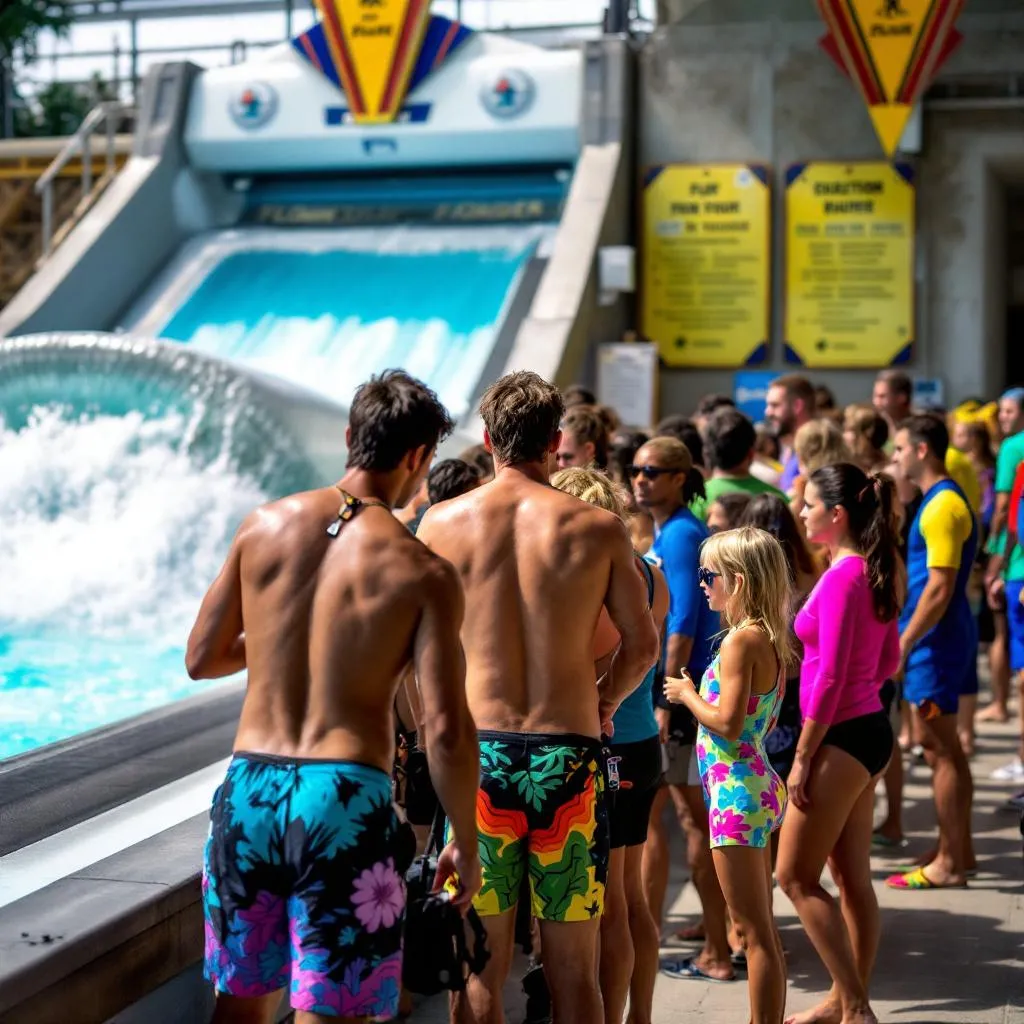
Royal Caribbean's official rules are stricter than most people expect, and after watching hundreds of riders, I understand why:
Here's the insider tip most people miss: the crew member controlling the flow can adjust water pressure in real-time. If you're clearly struggling, they'll often dial it down. But if you're not following instructions or seem reckless, they'll shut it off entirely.
On Harmony of the Seas, I watched them permanently ban a passenger who kept trying to do tricks after multiple warnings. Don't be that person.
Let me be straight with you — injuries happen, but they're usually minor and preventable. In my experience watching FlowRiders across the fleet, here's what actually goes wrong:
Most Common Issues:
The serious injuries I've witnessed were always from people who ignored the safety briefing. On Mariner of the Seas, I saw someone get a mild concussion because they tried to stand up immediately after falling instead of letting the water push them to the side exit area.
Pro tip: The medical center stocks waterproof bandages specifically for FlowRider scrapes. The nurses told me they treat 3-5 FlowRider-related minor injuries per sea day on ships with active simulators.
Forget everything you think you know about surfing or skateboarding — FlowRider is its own beast. Here's what really happens:
Bodyboarding (Start Here): Even this "easier" option will surprise you. The water will try to push you up the curve, and your instinct will be to fight it. Don't. Let the water carry you up, then use your arms to steer back down. I spent 20 minutes just getting comfortable with this flow on my first try on Adventure of the Seas.
Standing Up: This is legitimately difficult. I've surfed real waves, and FlowRider standing took me three separate cruise attempts to get right. The water pressure against your legs is intense, and there's no forgiveness for poor balance.
Most people fall within 3 seconds of standing up. That's normal. The key is learning to fall safely — don't try to catch yourself with your hands.
Not all FlowRiders are created equal, and knowing these differences can save you from a harder-than-expected experience:
Easiest to Learn:
More Challenging:
On Wonder of the Seas, the FlowRider felt almost gentle compared to my first experience on Navigator of the Seas in 2023. The water pressure seems more consistent, and the exit areas are better designed.
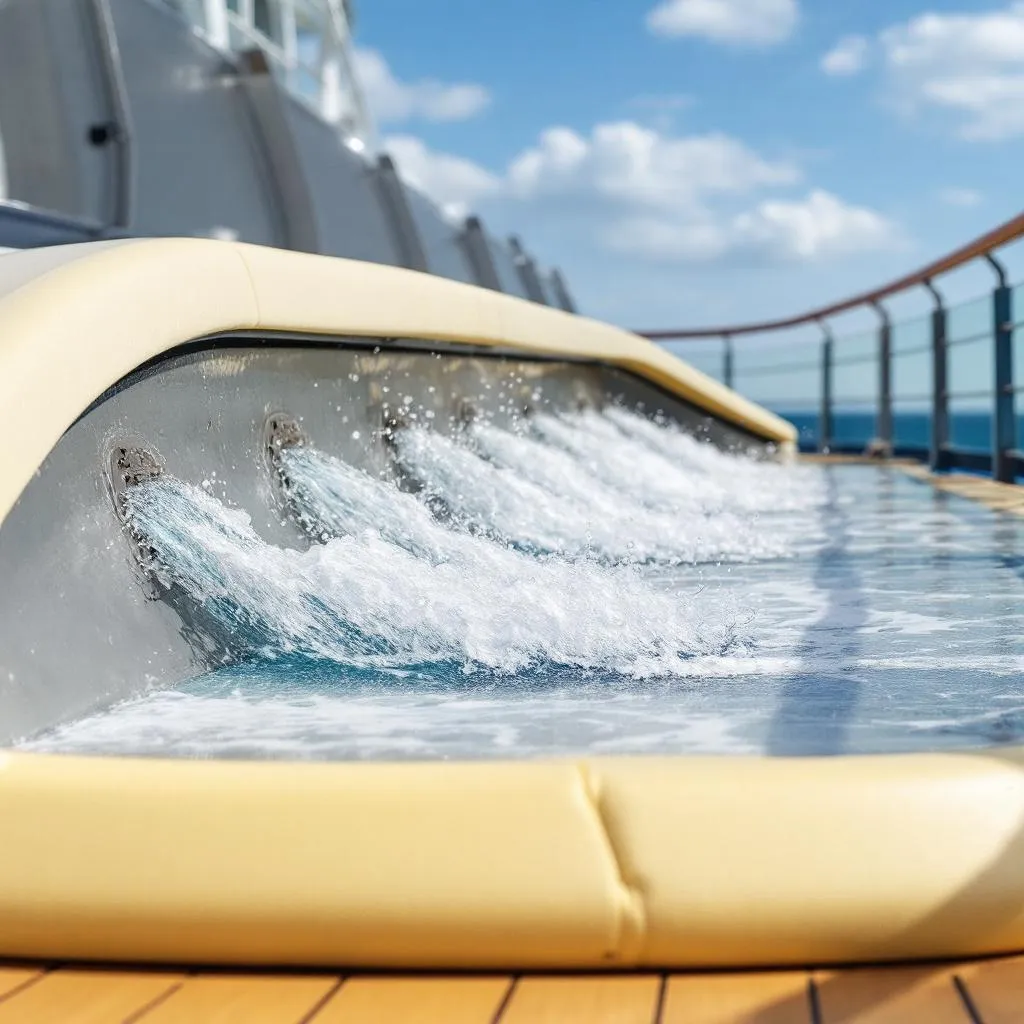
Before You Go:
Best Times to Ride: Early morning (8-10 AM) and late afternoon (4-6 PM). Avoid the post-lunch rush when kids are most energetic and wait times stretch to 45+ minutes.
Start with bodyboarding for at least 15 minutes before attempting to stand. I cannot stress this enough. Every person I've seen get hurt was rushing to stand up without understanding the water flow.
The crew members running FlowRider are usually excellent instructors. Listen to them — they've seen every possible mistake and know exactly what you're doing wrong.
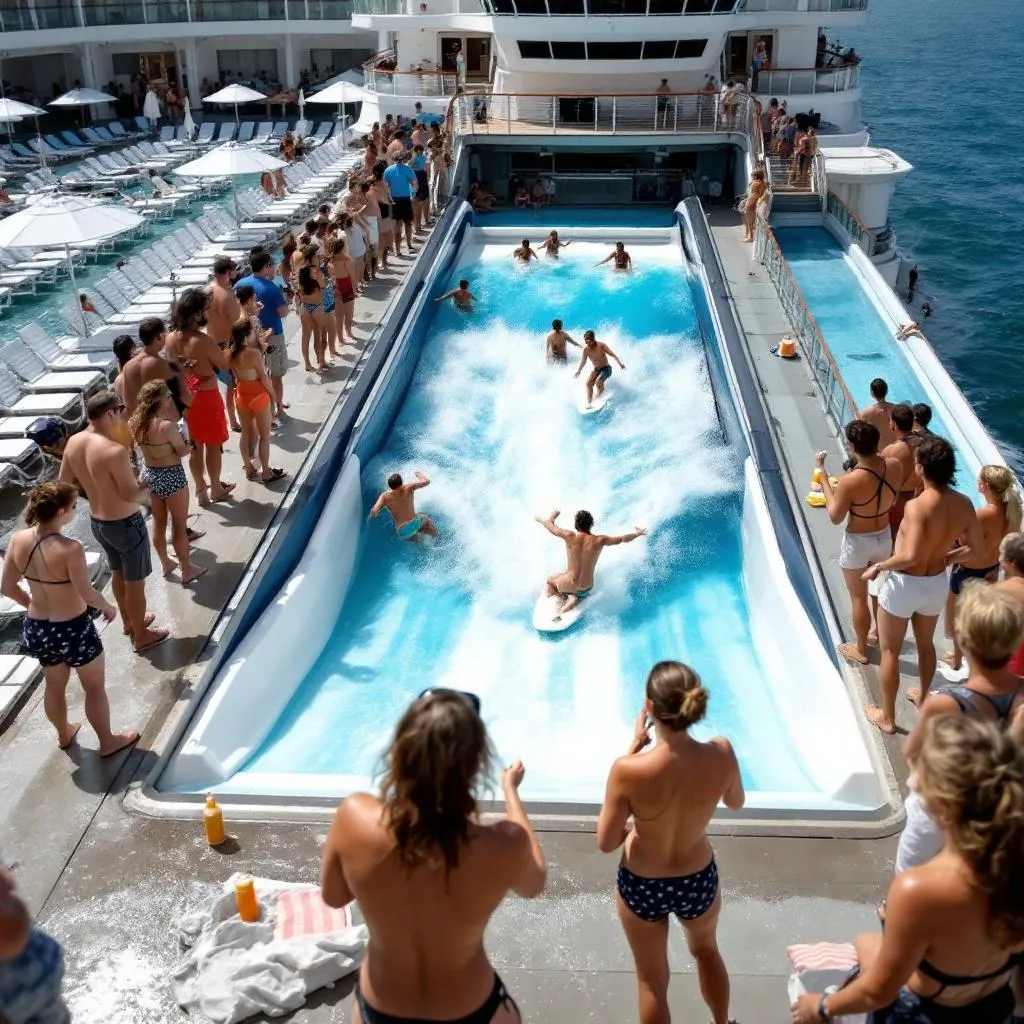
After dozens of FlowRider sessions across Royal Caribbean's fleet, here's my honest assessment: it's safer than it looks, but it's not risk-free.
The injury rate is relatively low — similar to other cruise ship activities like rock climbing or ice skating. Most problems come from overconfidence, not equipment failure.
If you're athletic, follow instructions, and don't mind a few scrapes while learning, FlowRider can be the highlight of your cruise. I still get excited every time I see one.
If you're concerned about injury, have joint problems, or aren't comfortable with the idea of potentially falling hard onto a textured surface, skip it. There's no shame in watching from the sidelines — it's genuinely entertaining.
The most important thing? Don't let peer pressure or social media convince you to try something that feels wrong for your skill level. I've seen too many people get hurt trying to impress others.
Ready to share your FlowRider experiences or ask specific questions about Royal Caribbean's surf simulators? Join the conversation in our Royal Caribbean forum where experienced cruisers share their tips and stories!
FlowRider Basics: What You're Actually Getting Into
The FlowRider shoots 30,000 gallons of water per minute up a curved surface at about 25 mph. That's not a gentle lazy river — it's a legitimate athletic challenge that can launch you backwards if you're not prepared.
I've ridden FlowRiders on everything from Oasis of the Seas to Wonder of the Seas, and here's what surprised me: the newer ships actually feel more forgiving. The Icon-class ships like Star of the Seas have refined the water pressure and surface texture compared to the original Voyager-class installations.
The most important thing to understand is that you're not just "trying surfing" — you're learning to balance against a powerful water flow that will absolutely win if you fight it wrong.
The Real Safety Rules (And Why They Matter)
Royal Caribbean's official rules are stricter than most people expect, and after watching hundreds of riders, I understand why:
- Age restrictions: 6+ for bodyboarding, 12+ for standing (some ships require 14+)
- Weight limits: 300 pounds maximum
- No jewelry, watches, or loose clothing
- Mandatory safety briefing — don't skip this
- One rider at a time
- No diving or jumping onto the FlowRider
Here's the insider tip most people miss: the crew member controlling the flow can adjust water pressure in real-time. If you're clearly struggling, they'll often dial it down. But if you're not following instructions or seem reckless, they'll shut it off entirely.
On Harmony of the Seas, I watched them permanently ban a passenger who kept trying to do tricks after multiple warnings. Don't be that person.
Common Injuries and How to Avoid Them
Let me be straight with you — injuries happen, but they're usually minor and preventable. In my experience watching FlowRiders across the fleet, here's what actually goes wrong:
Most Common Issues:
- Road rash from the textured surface — wear a rash guard
- Twisted ankles from awkward landings — learn to fall correctly
- Bruised tailbone from sitting down hard — this one just hurts
- Swallowed water and minor cuts
The serious injuries I've witnessed were always from people who ignored the safety briefing. On Mariner of the Seas, I saw someone get a mild concussion because they tried to stand up immediately after falling instead of letting the water push them to the side exit area.
Pro tip: The medical center stocks waterproof bandages specifically for FlowRider scrapes. The nurses told me they treat 3-5 FlowRider-related minor injuries per sea day on ships with active simulators.
What Your First Ride Will Actually Feel Like
Forget everything you think you know about surfing or skateboarding — FlowRider is its own beast. Here's what really happens:
Bodyboarding (Start Here): Even this "easier" option will surprise you. The water will try to push you up the curve, and your instinct will be to fight it. Don't. Let the water carry you up, then use your arms to steer back down. I spent 20 minutes just getting comfortable with this flow on my first try on Adventure of the Seas.
Standing Up: This is legitimately difficult. I've surfed real waves, and FlowRider standing took me three separate cruise attempts to get right. The water pressure against your legs is intense, and there's no forgiveness for poor balance.
Most people fall within 3 seconds of standing up. That's normal. The key is learning to fall safely — don't try to catch yourself with your hands.
Ship-by-Ship Differences That Matter
Not all FlowRiders are created equal, and knowing these differences can save you from a harder-than-expected experience:
Easiest to Learn:
- Icon and Oasis-class ships — newer technology, more forgiving
- Voyager of the Seas (post-2019 refurbishment) — updated surface material
More Challenging:
- Original Voyager-class installations — older surface can be rougher
- Freedom-class ships — slightly steeper angle
On Wonder of the Seas, the FlowRider felt almost gentle compared to my first experience on Navigator of the Seas in 2023. The water pressure seems more consistent, and the exit areas are better designed.
Maximizing Your FlowRider Success
Before You Go:
- Sign up early — popular times fill up fast
- Avoid right after meals (trust me on this one)
- Bring a rash guard and board shorts
- Tie back long hair securely
Best Times to Ride: Early morning (8-10 AM) and late afternoon (4-6 PM). Avoid the post-lunch rush when kids are most energetic and wait times stretch to 45+ minutes.
Start with bodyboarding for at least 15 minutes before attempting to stand. I cannot stress this enough. Every person I've seen get hurt was rushing to stand up without understanding the water flow.
The crew members running FlowRider are usually excellent instructors. Listen to them — they've seen every possible mistake and know exactly what you're doing wrong.
The Bottom Line: Is FlowRider Worth the Risk?
After dozens of FlowRider sessions across Royal Caribbean's fleet, here's my honest assessment: it's safer than it looks, but it's not risk-free.
The injury rate is relatively low — similar to other cruise ship activities like rock climbing or ice skating. Most problems come from overconfidence, not equipment failure.
If you're athletic, follow instructions, and don't mind a few scrapes while learning, FlowRider can be the highlight of your cruise. I still get excited every time I see one.
If you're concerned about injury, have joint problems, or aren't comfortable with the idea of potentially falling hard onto a textured surface, skip it. There's no shame in watching from the sidelines — it's genuinely entertaining.
The most important thing? Don't let peer pressure or social media convince you to try something that feels wrong for your skill level. I've seen too many people get hurt trying to impress others.
Ready to share your FlowRider experiences or ask specific questions about Royal Caribbean's surf simulators? Join the conversation in our Royal Caribbean forum where experienced cruisers share their tips and stories!
Last edited: