

Sofia_Reyes
Moderator
Rome from Civitavecchia: Train vs Transfer vs Walking—My Complete 2026 Guide
I've sailed into Civitavecchia (Rome's cruise port) seven times, and I'm going to be honest: it's one of the most frustrating ports to navigate—but also one of the most rewarding if you get it right. Unlike Caribbean ports where your ship is steps from the beach, Civitavecchia is 45 minutes away from Rome's centro storico. You have exactly eight hours (or maybe nine if you're lucky) to see the Colosseum, Trevi Fountain, and the Vatican. So let's talk strategy.
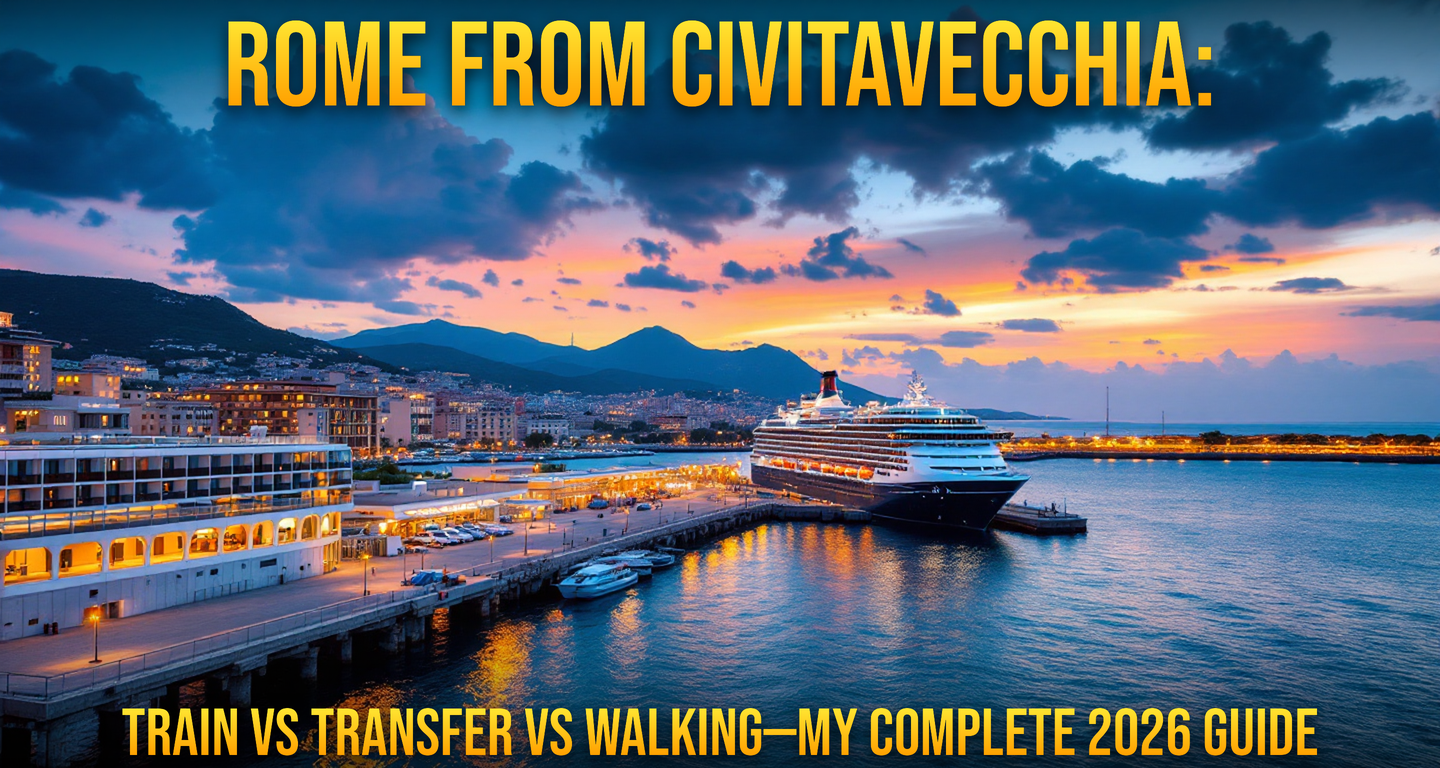
The Quick Truth About Your Options
You have three realistic ways to get from Civitavecchia to Rome:
- Train — Fastest, cheapest, most independence. Best for experienced travelers.
- Ship excursion — Most expensive, slowest, but zero stress and guaranteed return.
- Private transfer — Middle ground: pricier than train but faster than excursions.
I've done all three. Here's what actually works.
Option 1: The Train (My Go-To Method)
This is the way I cruise Rome every single time. Here's exactly how it works:
Getting to the Train Station
When your ship docks at Civitavecchia, you'll walk off and immediately see taxis lined up. Ignore the taxis—they'll charge you €25-40 just to get to the train station. Instead, follow the port exit signs toward the town center. The Civitavecchia Centrale train station is about a 15-minute walk (0.6 miles) from the cruise terminal. It's flat, straightforward, and you'll see other cruisers doing it.
If you really don't want to walk, grab a taxi for €10-15 and negotiate the price before getting in.
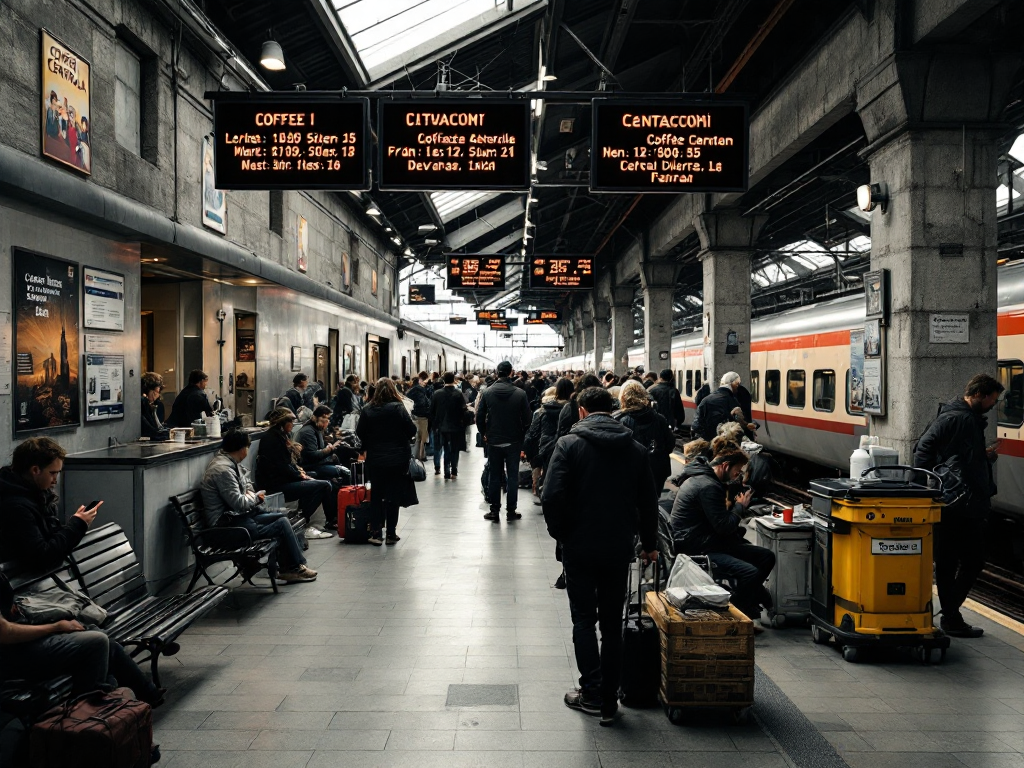
The Train Itself
Take the Trenitalia regional train (not the high-speed trains—those are overkill). The train departs roughly every 30-60 minutes. You're looking at:
- Journey time: 55 minutes to Termini Station (Rome's main hub)
- Cost: €12-18 per person (buy at the station ticket window, not through apps if you're unfamiliar with Italian systems)
- Stops: Direct to Termini with no changes needed
The train pulls into Termini around 9:15-10:00 AM if you catch an early departure. You'll have 6-7 hours in Rome before needing to head back.
The Hard Truth About Timing
Here's where most cruisers mess up: they assume an 8-hour port day means 8 hours in Rome. Wrong. Add 30 minutes for disembarkation, 15 minutes walking to the station, 55 minutes on the train, plus 30 minutes getting back through Civitavecchia to your ship. You're looking at roughly 5.5-6 hours max in Rome. Plan accordingly.
I always aim to catch the last train back to Civitavecchia departing Rome at 4:00-4:30 PM. This gives me about 5.5 hours to hit the big sites.
Option 2: Ship Excursions (The Stress-Free Choice)
Look, I'm going to level with you: cruise line excursions from Civitavecchia are expensive. Expect to pay €135-200 per person for a half-day Rome tour. But here's what you get:
- Guaranteed transportation—your guide will not leave without you
- Skip-the-line access to major attractions (worth €25-40 alone)
- A knowledgeable guide explaining history as you walk
- No navigation stress; no language barriers
- Organized return to your ship with a buffer
I recommend this option if:
- You're cruising with young kids or elderly passengers
- You're uncomfortable navigating foreign countries solo
- You want to see major sites without self-planning logistics
- This is your first time in Rome
The downside? You'll see Rome like you're herding cattle. Museums are crowded. The pace is rushed. And you're paying premium prices. But you will not miss your ship, and that peace of mind is worth something.
Option 3: Private Transfer (The Middle Path)
A private car from Civitavecchia to Rome runs €80-120 one way (split between 3-4 people, it's actually competitive). I've used services like Civitavecchia Transfers and GetYourGuide with solid results.
Pros:
- Faster door-to-door service (no waiting for trains)
- Flexible timing—driver can adjust to your pace
- Cheaper than ship excursions if traveling in pairs or groups
Cons:
- Less independence than the train
- Driver waiting time adds pressure to your schedule
- Rome traffic can eat into your sightseeing time (easily 20 extra minutes)
Use this option if you want the speed of a taxi but the organization of an excursion.
My Actual Rome Itinerary (5.5-Hour Version)
Here's what I do, and it works every single time:
9:15 AM - Arrive Termini Station
Grab a cappuccino and cornetto (croissant) from any bar near the station. Cost: €3-5. This is breakfast and it's incredible.
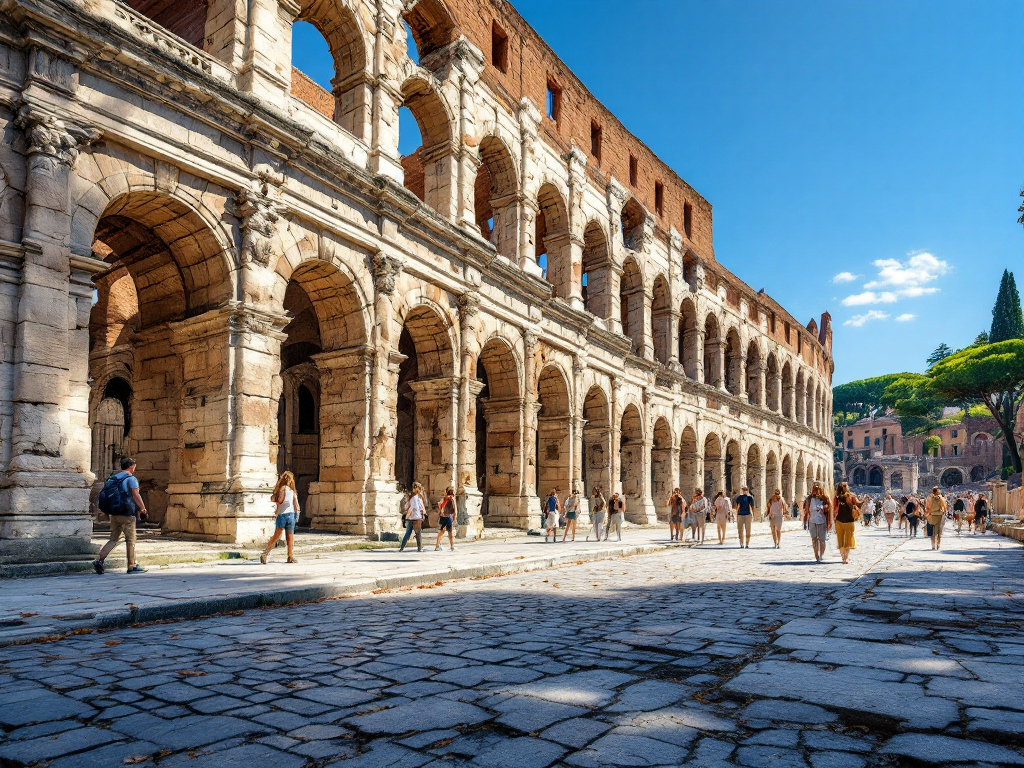
9:45 AM - Head to the Colosseum
Take the Metro (Line B, red line) directly from Termini. Cost: €1.50. Travel time: 5 minutes. I always buy a skip-the-line ticket before arriving in Rome (through Viator or GetYourGuide for €25-35). Without it, the line can be 90 minutes in spring/summer.
Spend 90 minutes inside. Pro tip: go straight to the second level and work backward—you'll avoid the crowds.
11:30 AM - Lunch Near the Colosseum
Exit the Colosseum and immediately turn right. You'll find restaurants targeting tourists, yes, but some are genuinely good. Look for any place with a €12-15 pasta and €3 beer combo. Avoid places with picture menus and aggressive touts. Eat standing at a bar if you want to save time.
12:15 PM - Trevi Fountain
Ride the Metro back toward the city center (get off at Barberini or Spagna). Walk toward the sound of water and crowds. Trevi is packed, but you only need 15 minutes—throw a coin, get the photo, move on. This isn't worth more than 20 minutes of your time.
1:00 PM - Spanish Steps or Pantheon (Choose One)
If you picked Spanish Steps, it's literally next to Trevi. Gorgeous staircase, people-watching, but photogenic. 20 minutes.
If you picked the Pantheon, it's a 10-minute walk and arguably more impressive—a 2,000-year-old temple with an oculus open to the sky. Entry is free. Spend 30 minutes.
I usually do the Pantheon.
2:00 PM - Vatican Basilica or Roman Forum (Your Call)
Here's the hard truth: you cannot do the Vatican Museum, Sistine Chapel, AND St. Peter's in 1.5 hours. Don't try. The museum line alone is 60-90 minutes without skip-the-line tickets.
Instead: Either skip the Vatican entirely and hit the Roman Forum (€18, takes 60-90 minutes, and is less crowded), or go straight to St. Peter's Basilica and skip the museum. St. Peter's is free to enter and takes 45 minutes. The view from the dome costs €10 and takes 30 minutes—worth it if you're into crowds on staircases.
I usually do the Roman Forum because most cruisers skip it, and it's where Rome's actual history lives.
3:30 PM - Buffer Time or Shopping
You need to be at Termini by 4:00 PM to catch the 4:30 PM train back. This leaves almost no room for delays. If you're ahead of schedule, grab gelato (€3-4, genuinely better than anywhere in the States) or visit a small church. Avoid shopping—you don't have time.
4:30-5:30 PM - Train Back to Civitavecchia
Board the train. You'll be back at Civitavecchia station by 5:20 PM. Walk back to the port, and you'll be on your ship by 5:45-6:00 PM. Safe. Relaxed. Done.

Money, Logistics & Real Costs (2026 Prices)
Here's what my train day actually costs per person:
- Train roundtrip: €30
- Colosseum skip-the-line ticket: €30
- Coffee & pastry: €4
- Lunch: €15
- Gelato: €4
- Metro tickets: €3
- Total: ~€86
Compare that to a cruise excursion at €160+, and you're saving €75 per person. For two people, that's €150 in your pocket.
Honest Downsides (No Sugarcoating)
Train method issues:
- Language barrier: Italian train staff don't always speak English. Have your destination written down in Italian ("Roma Termini").
- Pickpockets: Rome's trains are notorious for theft. Keep your phone and wallet in your front pocket or a locked crossbody bag. I've had friends pickpocketed on the train back from Rome.
- No buffer: If your train is delayed (rare, but happens), you're stressed. There's no "don't worry, the company will wait." The ship leaves on time.
- Walking around Rome: It's hot, it's crowded, and your feet will hurt. Bring comfortable shoes—not flip-flops.
- Museum lines: Even skip-the-line tickets don't skip the actual museum crowds. You're still shuffling through hallways with 500 other people.
What NOT to Do
Based on 40+ cruises and stories from other cruisers:
- Do NOT rely on ship excursions being back by 4:30 PM. They often run late. If you take a ship excursion, give yourself buffer time and don't blame the ship if you're cutting it close.
- Do NOT try to see the Vatican, Colosseum, AND Roman Forum in one day. Pick two. Seriously.
- Do NOT buy those sketchy "Rome tours" advertised on the pier. They're often poorly organized and overpriced.
- Do NOT leave valuables in your cabin. Rome has petty theft. Take what you need, leave the rest locked up.
- Do NOT assume 8 hours in port = 8 hours in Rome. Math doesn't work that way.
My Recommendation (Honest Take)
If you're a confident, independent traveler: Take the train. You'll save money, see Rome at your own pace, and have genuine autonomy. The logistics are straightforward, and Rome is safe for tourists who pay attention.
If you're cruising with kids, elderly parents, or this is your first Mediterranean cruise: Book a ship excursion. The premium you pay is insurance against stress and missed returns.
If you're somewhere in between: Book a private transfer through GetYourGuide or Viator. It's the sweet spot of flexibility and organization.
Rome is worth the effort to get right. Don't waste your one day there.
Join the Conversation
Have you sailed into Civitavecchia? Share your Rome day strategy, favorite sites, and train stories in the CruiseVoices Europe Ports forum. We have cruisers who've been to Rome 10+ times, and the collective wisdom is incredible.