

Chloe_Banks
Moderator
The Reality: European Pickpockets Are Organized and Smart
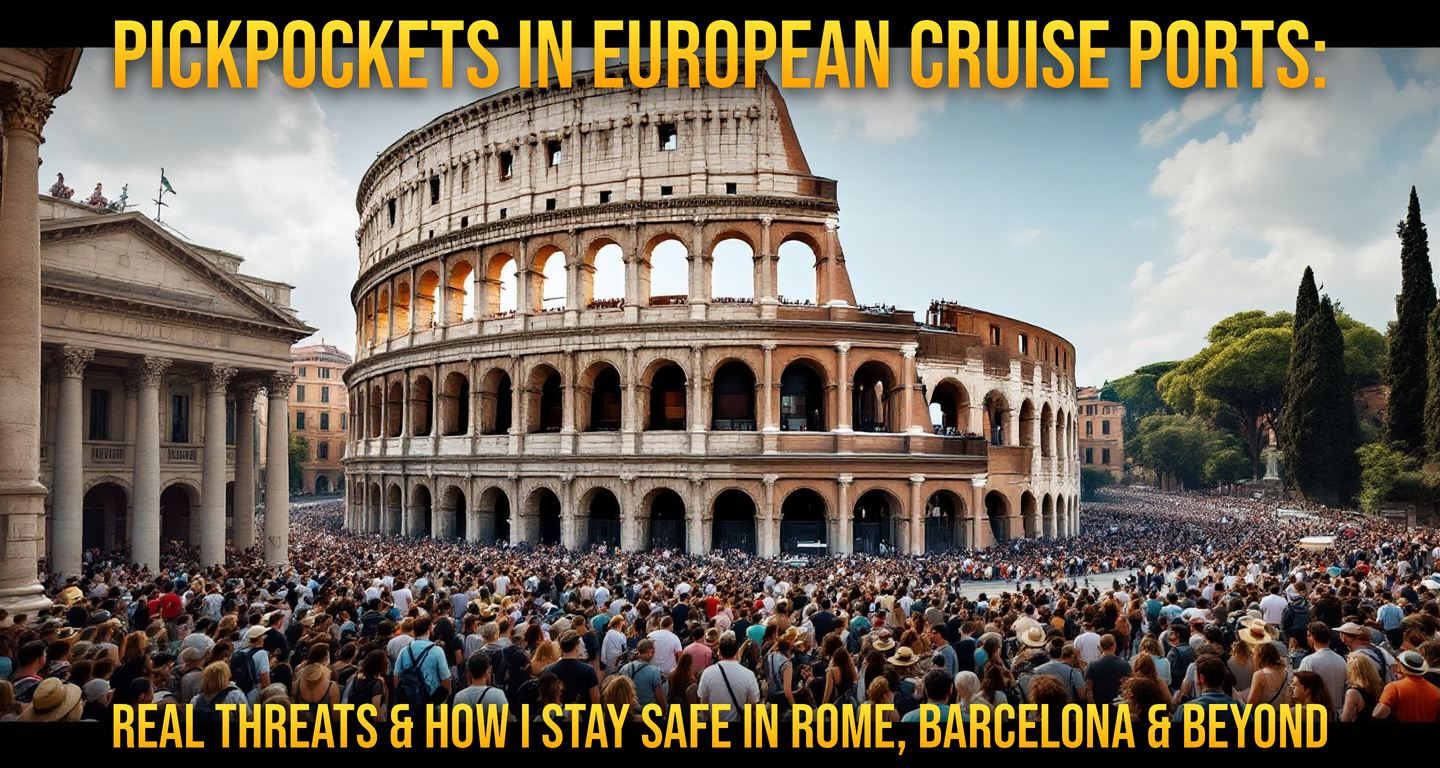
Let me be direct: pickpockets in major European cruise ports are not random street criminals. They're organized, they're professionals, and they're specifically hunting cruise passengers. After 40+ cruises, including 15+ visits to Mediterranean ports, I've seen it happen to fellow cruisers, and I've had close calls myself.
The worst part? Most cruise passengers don't realize they're vulnerable until it's too late. You're jet-lagged, excited, carrying more cash than usual, and wearing that bright cruise line lanyard. You're essentially walking around with a target on your back.
Here's what I've learned works—and what doesn't.
Rome: The Pickpocket Capital (and How to Navigate It)
Rome is the hotspot. The Colosseum, Roman Forum, Trevi Fountain, and Pantheon draw millions of tourists annually, and that includes thousands of cruise passengers from Civitavecchia port (about 45 minutes away by train).
Where you're most vulnerable in Rome:
- The Colosseum exterior and immediate surrounding area—heavily crowded, multiple exits, perfect for theft
- Trevi Fountain at any time of day—the chaos is intentional cover for pickpockets
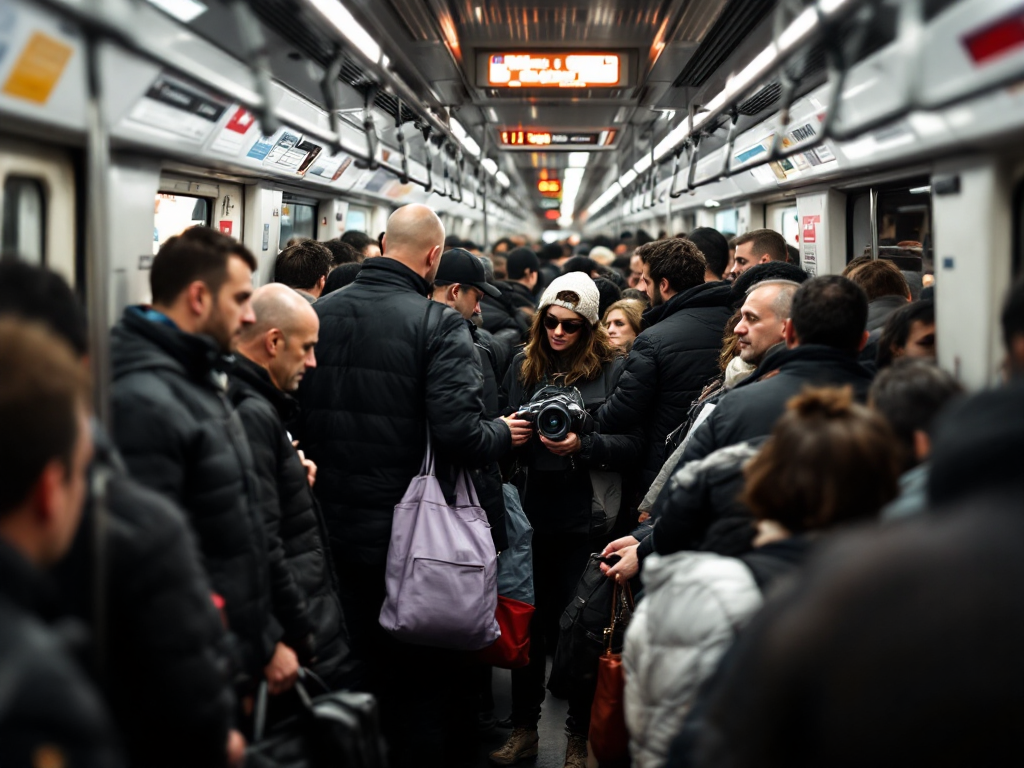
- Public transportation (Metro Lines A and B, buses)—this is where I've seen the most aggressive theft
- Crowded piazzas during peak hours (10 AM–3 PM)
- Street markets and vendor areas near major attractions
What actually works in Rome:
I don't use a crossbody bag in Rome, period. Instead, I wear a money belt under my shirt—the kind that sits directly against your skin. Sounds uncomfortable? After an hour, you forget it's there. I keep my main wallet, passport copy, and €100–200 cash in there. My credit cards are split between the money belt and a zippered front pocket (never back pockets).
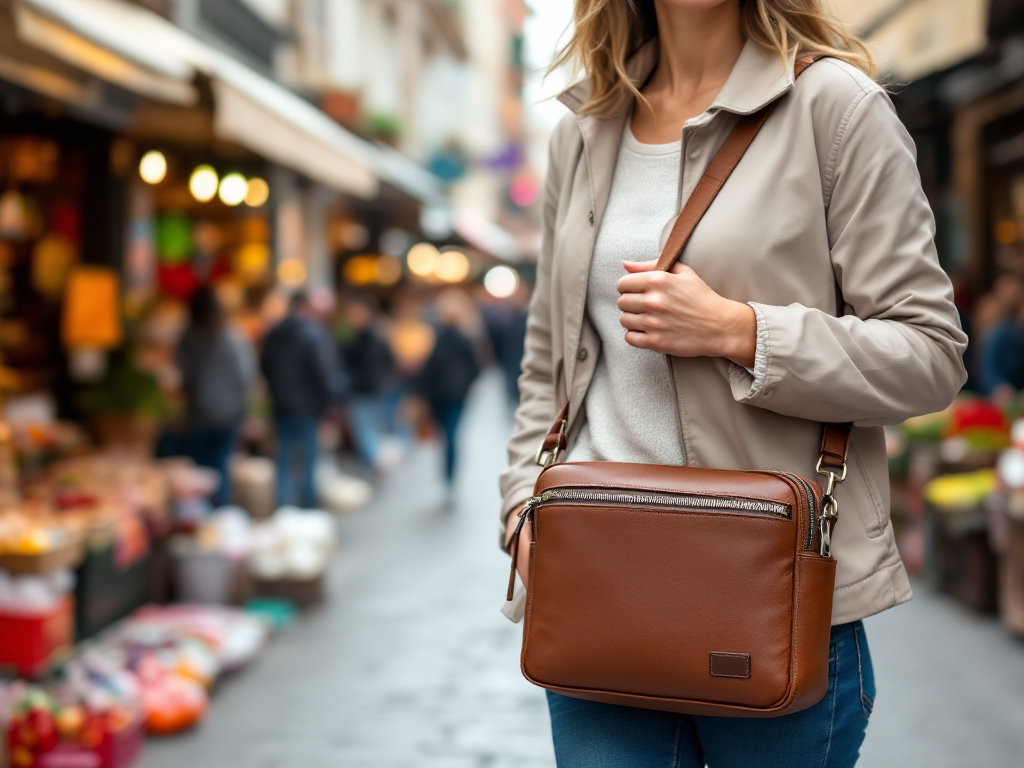
For my phone and some small bills, I use a small crossbody bag, but here's the key: I keep my hand on it constantly, especially on the Metro. If you're scrolling through your phone while standing on the train, you're asking for trouble. I've watched teams work together—one person creates a "disturbance," another cuts your bag strap, a third grabs it. It takes 15 seconds.
When visiting the Colosseum, I also recommend booking a skip-the-line tour with a licensed guide (€20–35). Yes, it costs more than a standalone ticket, but you're moving through crowds faster, and guides know to position groups strategically. Plus, your guide is watching for suspicious behavior while you're actually enjoying the history.
Take the regional train (not a taxi) from Civitavecchia to Rome Termini. The train is faster, cheaper (~€15), and you're not isolated with a driver. Get a Roma Pass (€32 for 72 hours) if you plan multiple attractions—it includes public transport and two major museums.
Share Rome port experiences in our European Ports community!
Barcelona: Sophisticated Theft in a Beautiful Setting
Barcelona feels safer than Rome—and that's precisely the problem. You let your guard down, and that's when you get hit.
The difference here is sophistication. Barcelona's pickpockets aren't desperate; they're businesslike. They target expensive watches, designer bags, and jewelry rather than wallets. A woman I met on a Mediterranean cruise had her €3,000 watch stolen off her wrist near the Barcelona Cathedral without even realizing it until she checked the time.
Barcelona's danger zones:
- La Rambla (the entire boulevard, despite its beauty and energy)
- Barcelona Cathedral and the Gothic Quarter's narrow streets
- Park Güell—yes, even this stunning park has organized teams
- The beaches near the cruise port
- Crowded metro lines (especially Line 1 and 3)
My Barcelona strategy:
I leave my nice watch at home or lock it in my cabin safe. I don't wear jewelry besides a simple ring and wedding band. This isn't paranoia—it's smart planning.
For bags, I use a small backpack with slash-proof material (brands like Pacsafe make these specifically for travelers). The straps go across both shoulders, never left hanging loose. I keep nothing valuable in exterior pockets.
When walking La Rambla, I stay alert and aware. Sounds vague, but here's what that means: I don't walk while looking at my phone. I don't stop suddenly to take photos. I don't display cash. I keep my bag zipped and in front of me. If someone approaches offering to tie a friendship bracelet on your wrist, walk past immediately—this is a classic distraction technique.
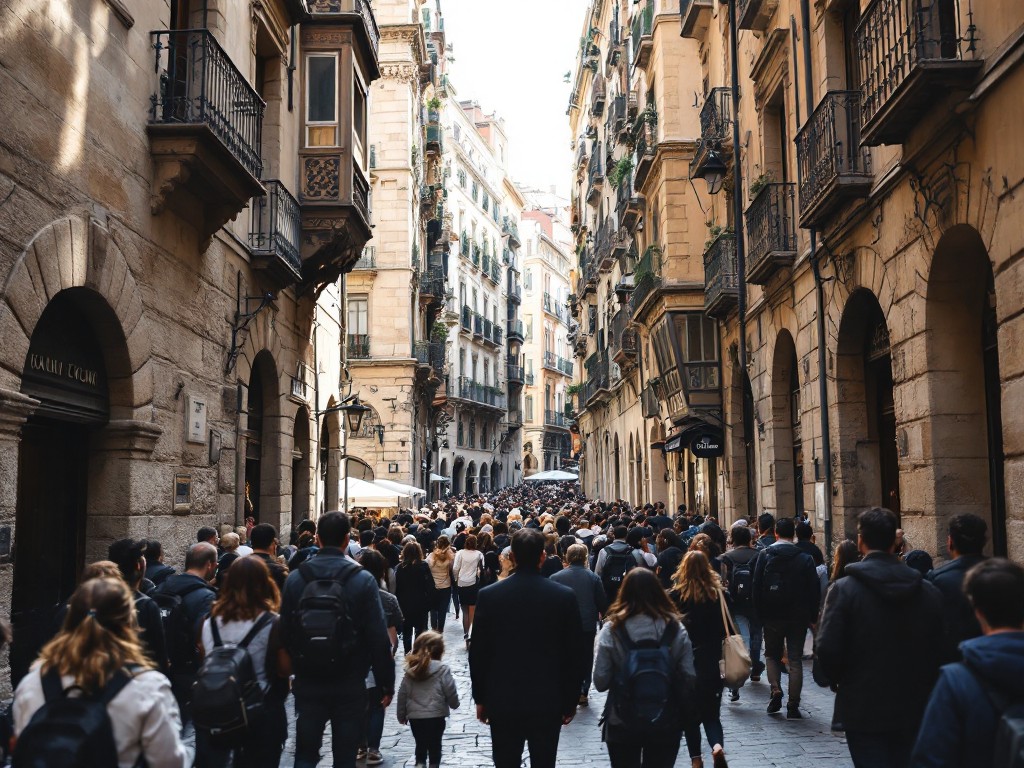
The metro in Barcelona is efficient, but ride during off-peak hours (avoid 8–9 AM and 5–7 PM). Crowded trains are pickpocket paradise. If you must ride at peak hours, position yourself near the doors, keep your bag in front, and don't spread your attention thin.
Visit the European Ports forum to share Barcelona safety tips and itineraries!
Other High-Risk Mediterranean Ports (Naples, Venice, Athens)
Naples: This port has a reputation, and honestly, it's partly deserved. The city is vibrant and authentic, but petty theft is common. I recommend booking an organized shore excursion (through your cruise line or a reputable third-party provider) rather than exploring solo. The excursion cost (~€60–100) is worth the group protection and a guide who knows safe routes. If you do venture out alone, stay in well-populated areas like the historic center, use taxis for nighttime travel, and don't carry valuables.
Venice: Contrary to what you might think, Venice has less theft than major mainland ports. Why? It's crowded but slow-moving. Pickpockets prefer fast-paced, chaotic environments. Still, keep your bag zipped in San Marco Basilica and on crowded vaporetto (water bus) rides.
Athens (Piraeus port): Similar to Rome, Athens attracts pickpockets around the Acropolis and in Plaka. Public transport (especially the Metro) is a hotspot. Use the same strategies: money belt, minimal valuables displayed, hand on your bag. The upside? Athens is not as densely crowded as Rome, so situational awareness goes further.
The Gear That Actually Protects You
Let me break down what works, based on 40+ cruises and countless conversations with other cruisers:
Money belt (under shirt): €15–30. This is non-negotiable. I use a thin fabric one from Eagle Creek. Your passport, backup credit card, and €200 maximum cash go here.
Front-zip crossbody bag: €40–80. Not a backpack, not a regular bag. Specifically a small crossbody that zips in front. I like Pacsafe bags with slash-proof material. This is for your phone, a small amount of cash (~€30–50), and cards you plan to actually use.
RFID-blocking wallet: €20–40. Modern pickpockets also use electronic skimming devices. An RFID blocker is cheap insurance.
Dummy wallet: €10. This sounds silly, but I carry a cheap wallet with €20 and an expired credit card in an accessible pocket. If I'm targeted (and yes, it's happened), I hand this over. Most thieves are happy with quick cash and move on.
What I don't carry: expensive jewelry, multiple credit cards, my real passport (I laminate a copy), my phone in an easy-to-grab position, or a daypack that screams "tourist with expensive gear."
Specific Strategies That Work (From Real Experience)
1. Travel in groups when possible. Pickpockets avoid groups. If you're cruising with family or friends, don't split up in crowded areas. If you're solo, consider organized shore excursions—you'll meet other passengers and have inherent group protection.
2. Use ATMs inside banks, not street corners. When withdrawing cash (yes, you should have some—ATMs are everywhere), use ATMs inside banking buildings during business hours, not the standalone ones on streets. This prevents surveillance from opportunistic thieves.
3. Keep your phone secure. Phone theft is massive in European ports. Don't let it sit on cafe tables. Don't hold it while walking distracted. Consider a crossbody phone case that keeps it accessible but secure.
4. Dress down intentionally. This is hard to swallow, but it's true: expensive-looking clothes and shoes attract attention. Wear comfortable, modest clothing. Locals spot tourists, and thieves spot tourists with expensive gear. I wear plain shorts, a basic t-shirt, and simple shoes—not because I'm ashamed, but because I'm smart.
5. Don't photograph your valuables. If you take a photo of your cabin, room number, or anything valuable, you're creating digital evidence of what you have. Keep your photography focused on scenery, not your belongings.
6. Check in with your cruise line. Before docking, attend the mandatory safety briefing (most cruise lines require it). Your ship's staff will give you current port-specific advice. Things change—new danger areas emerge, or previous hotspots cool down. Listen to crew members who work these ports weekly.
What to Do If You Get Pickpocketed
Hope for the best, plan for the worst: if it happens, here's your action plan.
Immediately:
- Stay calm. Your safety is more important than your stuff.
- Don't chase or confront the thief.
- Check what's actually missing (sometimes they grab the wrong pocket).
- Go to a police station and file a report. Get a police report number—your travel insurance will need it.
Within 2 hours:
- Call your credit card companies and report fraud (most have 24/7 lines).
- Contact your cruise line's front desk and explain the situation.
- If your passport was stolen, go to your embassy or consulate (most have emergency services for cruise passengers).
Before your next port:
- Your credit cards should be replaced and reissued by then (many companies overnight them to your hotel or ship).
- File a travel insurance claim if you have coverage.
- Get replacement travel documents sorted.
This is why travel insurance that covers theft is non-negotiable. A good policy costs €20–50 for a week-long cruise and covers up to €500–1,000 in lost items. That's peace of mind.
The Bottom Line
Europe is incredible, and cruise ports offer some of the world's most stunning destinations. Don't let fear keep you from exploring. But do acknowledge that theft is a real risk, plan accordingly, and stay aware.
I've been pickpocketed once (Naples, 2019—my own carelessness), and I learned from it. I've also watched dozens of other cruisers get hit. The common thread? They either got complacent, trusted the wrong person, or underestimated how organized European theft is.
You won't. You've read this, and you now have real strategies from someone who's been there.
Share your own European port safety experiences, theft-prevention tips, and travel hacks with the community in our European Ports forum. Real cruisers helping real cruisers—that's what makes CruiseVoices different. And when you're ready to book your next Mediterranean adventure, our AI concierge can help you plan every detail—from the safest shore excursions to the best ports for low-stress exploration.