

Marina_Cole
Moderator
The Norwegian Fjords are calling—but timing is everything
I've sailed the Norwegian fjords seven times, and I can tell you this: picking the right month makes the difference between a transcendent journey and a frustrating one. The wrong season means gray skies, icy conditions, or shoulder-to-shoulder crowds at Geirangerfjord. The right season? Crystal-clear water, midnight sun, manageable ports, and prices that won't empty your bank account.
Let me walk you through exactly when to go, what you'll experience in each season, and how to book smart.
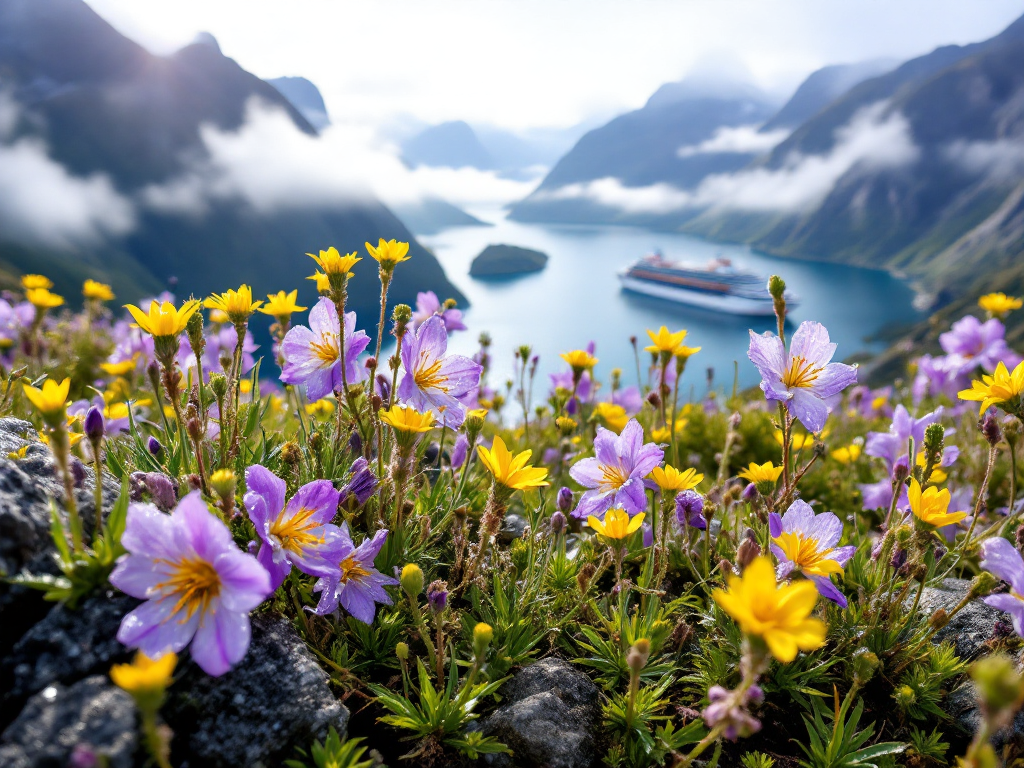
Spring (April-May): The Awakening Season
Spring in the fjords is honestly underrated. The landscape is waking up—waterfalls are roaring with snowmelt, wildflowers are starting to bloom on the mountainsides, and you're past the worst of the winter weather without dealing with peak summer crowds yet.
What you get:
- Temperatures: 5-10°C (41-50°F)—bring layers
- Daylight: 16-18 hours by May—plenty of time to explore ports
- Crowds: Light to moderate; you'll see other cruisers but won't be crushed at viewpoints
- Waterfalls: At their absolute most dramatic due to snowmelt
- Pricing: 15-25% cheaper than summer sailings
The honest downside: Weather is unpredictable. I've had days of brilliant sunshine followed by sudden rainstorms. Some mountain roads and smaller port excursions may still be closed due to snow. If you book a land tour in the mountains (like Flåm Railway), double-check that it's operating.
Spring works best if you're flexible, don't mind wet weather gear, and want to dodge the crowds. Your wallet will thank you—I've seen 7-day Norwegian fjord sailings drop from $2,200 per person in July to $1,600 in May 2026.
Share your spring sailing stories in our European Ports forum.
Early Summer (June): The Golden Window
If I could only recommend one month for Norwegian fjords, it would be June. I sailed in early June 2024, and it was genuinely magical.
What makes June special:
- Temperatures: 10-15°C (50-59°F)—finally comfortable without three layers
- Midnight sun: Begins around June 21 in northern fjords; you get nearly 24 hours of daylight
- Crowds: Building but not yet overwhelming—you'll see cruise ships but ports feel manageable
- Scenery: Everything is lush and green; visibility is excellent
- Weather: Much more stable than spring; rain is less frequent
- Pricing: Mid-range—about 10% cheaper than peak July, 30% more than spring
The catch: You're hitting the shoulder of peak season. Popular ports like Geirangerfjord and Tromsø are busier. If you have flexibility on which ship you sail, book early June sailings—they're notably less crowded than late June when school holidays begin across Scandinavia and Europe.
Expect to pay $1,900-$2,400 per person for 7-day Norwegian fjord cruises in early June 2026. It's pricier than spring but significantly cheaper than July peak pricing.
Peak Summer (July-August): The Double-Edged Sword
July and August are when everyone wants to go. Cruise lines know this, and they price accordingly.
Summer realities:
- Temperatures: 15-20°C (59-68°F)—the warmest it gets; still cool by southern standards
- Daylight: Nearly 24 hours in northern regions; in fact, the sun barely dips below the horizon
- Crowds: Peak season. Geirangerfjord sees 10+ cruise ships per day. Port tender lines can take 45 minutes
- Weather: Most stable of the year; rain is less likely
- Pricing: Peak rates—$2,600-$3,400+ per person for the same 7-day sailing
- Itineraries: Full availability; all shore excursions operate
My honest take: July is undeniably the most reliably beautiful month for weather. But you're paying 60-70% more than spring for the privilege. And here's what cruise lines don't advertise: port congestion actually diminishes the experience. When you're waiting 90 minutes for a tender boat in Tromsø while five other ships are doing the same, the magic fades fast.
I'll go in July if it's my only available window, but I'd honestly rather sail in June or even early September.
August is slightly less crowded than July (many European schools return in late August), making it a sneaky option if you must sail in high summer.
Fall (September-October): The Secret Weapon
September might be my favorite month—and I'm not alone. Many experienced fjord cruisers deliberately choose September.
Why September is underrated:
- Temperatures: 8-12°C (46-54°F)—crisp but manageable
- Daylight: 12-14 hours; still excellent for photography and exploration
- Crowds: Dramatically lower than summer; ports feel Norwegian again, not tourist processing plants
- Pricing: 25-35% cheaper than July; you'll see $1,700-$2,200 per person for comparable sailings
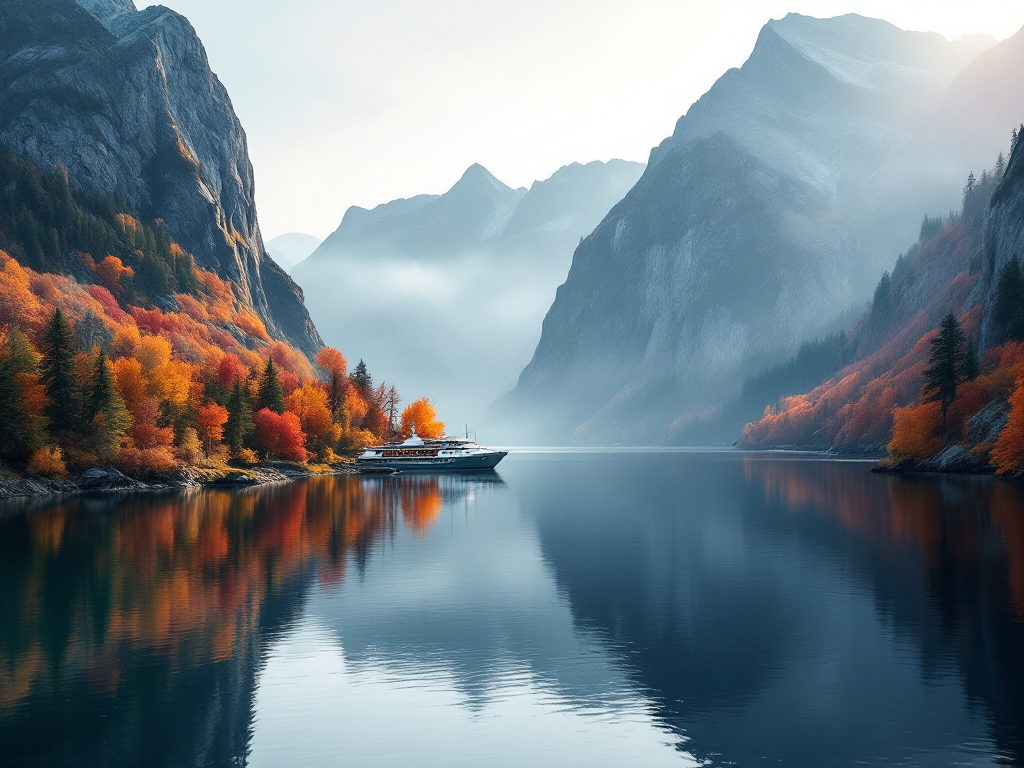
- Fall colors: The landscape is shifting to golds and reds; genuinely stunning
- Weather: Stable in early September, increasingly variable by late September
The real downside: Northern Norway becomes less reliable. If your itinerary includes Tromsø or Alta for northern lights (some September cruises market this), you're gambling—September is very early for consistent auroras. You might see them, but you might not.
I sailed in late September once and hit a rare-for-that-season storm off Cape North. Nothing dangerous, but we missed a port day. So September isn't quite as guaranteed as June or July.
My recommendation: Book early September (first two weeks) if you want the best of both worlds: fall pricing, comfortable weather, and enough daylight to avoid surprises.
Post your September fjord finds in our European Ports forum.
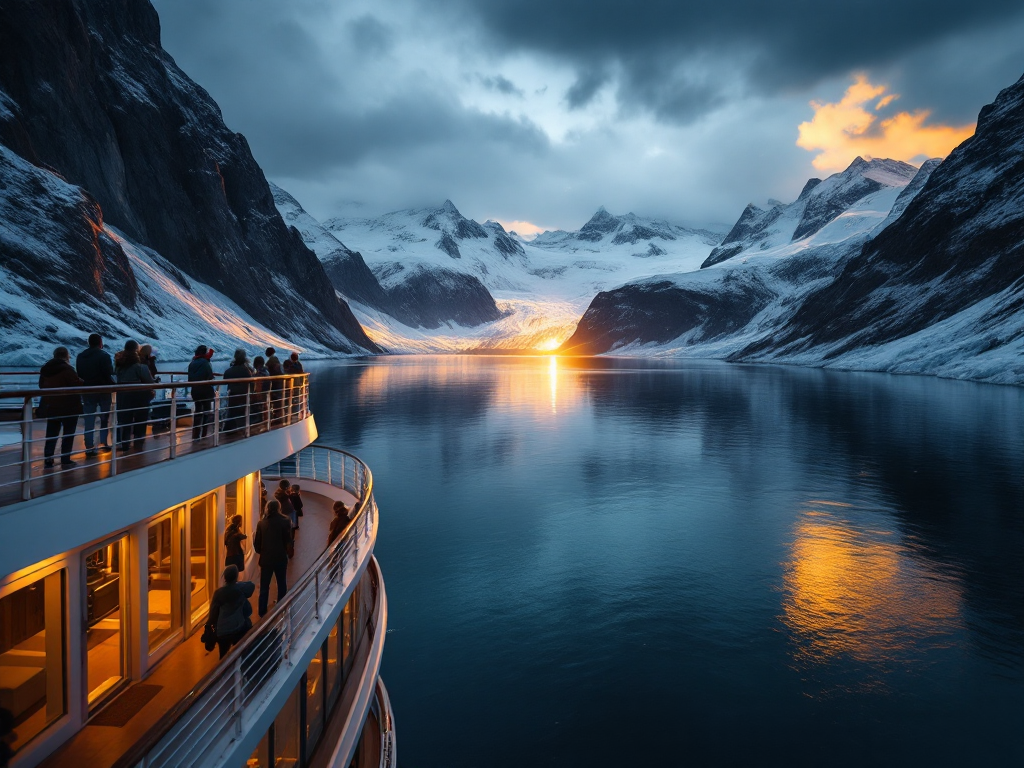
Winter (November-March): For Adventurers Only
I've never actually sailed Norwegian fjords in winter, and for good reason: most cruise lines significantly reduce itineraries. But some specialized lines (like Hurtigruten) do winter sailings specifically marketed for northern lights chasing.
Winter reality check:
- Temperatures: -5 to +2°C (23-36°F)—you need serious cold-weather gear
- Daylight: 2-4 hours in December-January; November and February have 6-8 hours
- Crowds: Almost gone—you'll have ports virtually to yourself
- Pricing: Cheapest of all—$1,200-$1,800 per person
- Northern lights: Much better odds in December-January than September
- Accessibility: Some fjords are icy; itineraries are shorter and less ambitious
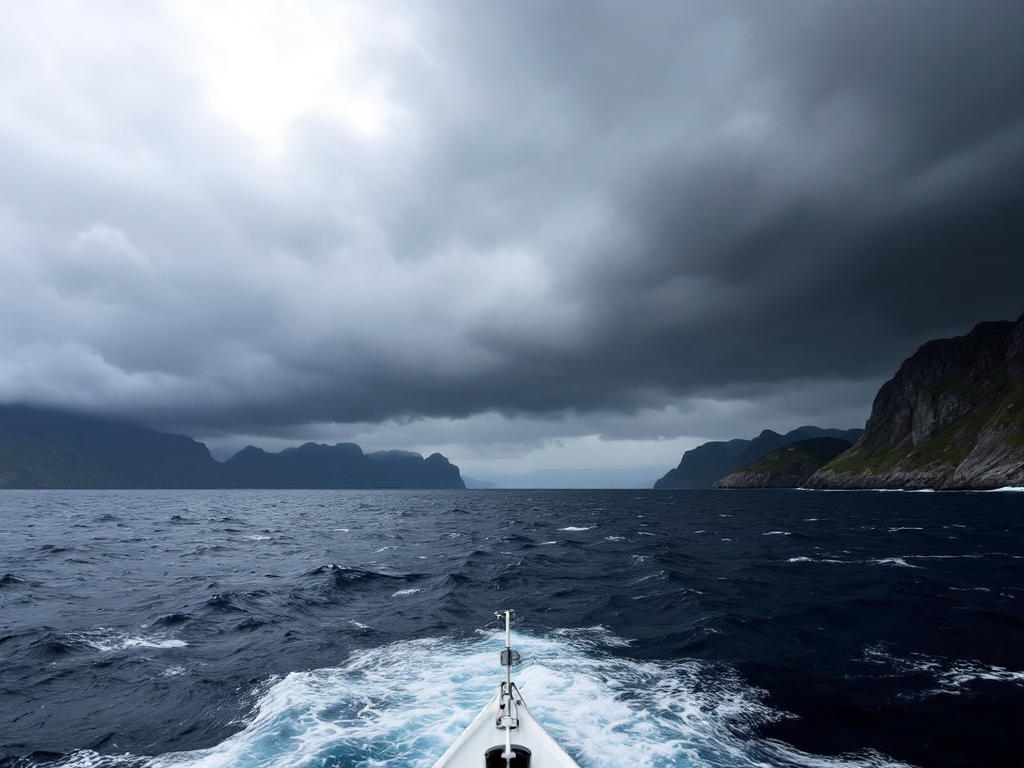
- Weather: Unpredictable; gales are possible
Real talk: Winter works only if northern lights are your primary goal and you're genuinely prepared for arctic conditions. You won't be doing boat excursions to the fjord heads or hiking. You'll be watching the sky and hoping for green curtains.
Most standard cruise lines don't operate Norwegian fjords in winter. You're looking at specialized operators like Hurtigruten or Svalbard-focused lines. Pricing is cheap because the experience is intentionally different—not better, not worse, just different.
The Pricing Breakdown: What You'll Actually Pay in 2026
Here's a realistic comparison based on the same 7-day Norwegian fjord sailing (inside cabin) across major lines like Norwegian Cruise Line, Royal Caribbean Arctic itineraries, and Cunard:
April-May (Spring): $1,500-$1,800 per person
Early-Mid June: $1,900-$2,200 per person
Late June-July: $2,400-$3,200 per person (peak)
August: $2,300-$3,000 per person (slightly less than July)
September: $1,700-$2,100 per person
October: $1,400-$1,800 per person (lines wind down sailings)
What this means for your budget: If you sail in September instead of July, you're saving $700-$1,100 per person for the exact same cabin and itinerary. For a family of four, that's $2,800-$4,400 back in your pocket.
Weather Patterns You Need to Know
I've experienced every weather scenario in the fjords. Here's what actually happens:
Geirangerfjord (the most photographed fjord): Summer delivers the classic postcard light. But April and September give you fewer clouds and actually better visibility at sometimes-cheaper prices. Winter: Often too icy for ship access.
Hardangerfjord: The shallowest major fjord. Spring's snowmelt makes it dramatic but potentially unsafe for larger ships. June-September is reliably navigable.
Sognefjord (longest fjord): Glacier-fed and icy in spring; warm and accessible June-September. October gets unpredictable.
Northern itineraries (Tromsø, Nordkapp): Accessible June-September only (outside these months, sea ice becomes a navigation risk). Midnight sun begins in earnest by June 21; June has 18 hours of daylight, July-August nearly 24.
My Bottom-Line Recommendation by Traveler Type
If you want guaranteed sunshine and day trips: Book late June or early July. You'll pay peak price, but weather is your safest bet.
If you want value without sacrificing too much: Book early June or September. You get 80% of the experience at 70% of peak price.
If you're flexible and budget-conscious: Book May or October. Weather becomes variable, but ports stay open, and your cruise costs drop significantly. This is when experienced cruisers go.
If you're hunting northern lights or want minimalist crowds: Book September (early) or consider winter sailings on specialized lines like Hurtigruten.
If you want the absolute cheapest Norwegian fjord cruise: Book spring (April-May) or late fall (October). Expect weather variability, but accept that as the trade-off for pricing 40-50% lower than summer.
Booking Smart: Where to Lock in Your Fjord Cruise
Now that you know when to go, here's how to book without overpaying. Our CruiseVoices community and AI concierge can help you navigate every booking option.
When you're ready to commit, use our Trip Planner at cruisevoices.com/trip-planner to compare prices across 40+ cruise lines in real-time. Our AI concierge doesn't just show you options—they book your entire trip (cruise, flights, hotels, excursions, insurance) through one conversation. You pay the same price you'd pay booking directly, but you get expert guidance and support from people who've actually sailed these routes.
Pro booking tip: Norwegian fjord cruises fill 6-8 months in advance. If you want early September 2026 sailings (my top recommendation for value), book by January 2026. If you're flexible into spring 2026 sailings, you can often wait until February for better last-minute deals.
Packing by Season
Don't let weather surprises ruin your trip. Pack strategically for your chosen season:
Spring/Fall: Waterproof outer layer, thermal base layers, fleece midlayer, warm hat, waterproof gloves, sturdy walking boots. You'll change outfits multiple times daily.
Summer: Lighter fleece, wind jacket, long-sleeved sun shirt, sunglasses (the constant daylight causes surprising glare on water), sunscreen, comfortable walking shoes. Even in July, it's cool enough for a light jacket on deck.
Winter: Arctic-rated parka, thermal everything, hand/toe warmers, insulated boots rated for ice, heavy gloves. This isn't optional—it's survival.
I made the mistake once of packing "light sweater" for a June sailing and regretted it. The sun never gets high in the sky; it's always cool on deck.
The Fjords Are Worth the Wait
I've sailed to 30+ destinations across six continents, and the Norwegian fjords remain in my top five cruise experiences. The combination of ancient geology, living glaciers, cascading waterfalls, and Nordic hospitality is genuinely irreplaceable.
But when you go matters enormously. Pick the right month, and you'll have the experience of a lifetime with manageable crowds and fair pricing. Pick the wrong month, and you'll spend a week in gray weather surrounded by 5,000 other cruise passengers.
June and September are my picks. July if you must guarantee sunshine. May or October if you're willing to gamble on weather for serious savings.
Ready to commit? Head to our European Ports forum to connect with other fjord cruisers, ask detailed questions about specific sailings, and get real feedback from people who've sailed when you're planning to go. Then use our Trip Planner to book your entire journey—cruise, flights, everything—with expert guidance at every step.
The fjords are calling. Now you know exactly when to answer.