

Drew_Callahan
Moderator
My First Cruise: 5 Things That Totally Surprised Me (And What I Wish I'd Known)
I remember standing at the gangway of my first cruise ship—the Carnival Breeze—with my stomach in knots. I'd researched for months, watched YouTube videos, read blogs, and thought I knew exactly what to expect. Spoiler alert: I didn't. After 40+ cruises, I can tell you that maiden voyages hit differently. There's something humbling about being the person who doesn't know where anything is, who presses the elevator button three times because they're worried it didn't register, and who definitely overpacks.
But that first sailing taught me more about cruising than any article could. So here's what blindsided me—and what you should actually prepare for on your first time at sea.

The Ship Is Way Bigger (and More Confusing) Than You Think
You can watch all the virtual ship tours you want. Nothing prepares you for stepping onto Deck 5 and realizing you have no idea which direction is forward. I spent my first afternoon on the Breeze completely turned around, wandering the corridor outside my 12F cabin like I was lost in a mall.
Here's what surprised me: even with a map in your hand, the ship feels like an alien landscape for the first 24 hours. The Atrium doesn't look the same from every angle. Cabin corridors twist in ways that don't make logical sense. And when the staff member says "take the stairs near the Alchemy Bar on Deck 8," you nod confidently while internally panicking.
The truth? By day two, you'll have your own shortcuts. You'll know which elevator banks go to which decks. You'll discover faster routes to the dining room. But that first day—give yourself grace. Walk slowly. Stop and look at the directory signs. Don't rush to dinner at 5:45 PM because you're anxious about being late.
The insider move: Download the cruise line's mobile app before you sail. Royal Caribbean, Carnival, and Norwegian all have digital ship maps now. It won't eliminate confusion, but it helps. Also, make friends with your hallway neighbors fast—they become your navigation buddies.
Main Dining Room Service Is Slower Than You'd Ever Tolerate on Land
I showed up to my first dining room experience at 7:15 PM on a sea day, starving and ready to demolish whatever was put in front of me. My assigned table seated 8 people. The waiter brought bread and drinks. Then we waited. And waited. And waited.
I didn't understand: why weren't we ordering? Why wasn't anyone bringing appetizers? On a ship with 5,000 people trying to eat simultaneously, the dining room operates on a completely different timeline. Your server is managing multiple tables. The galley is orchestrating hundreds of plates. Courses come when they come.
On the Breeze, our five-course dinner took nearly two hours. On land, I would've called the manager. On the ship, I realized this wasn't a bug—it was the entire point. You're not supposed to rush. Dinner is social time. It's entertainment. It's where you meet your tablemates (who become your cruise friends, weirdly enough).
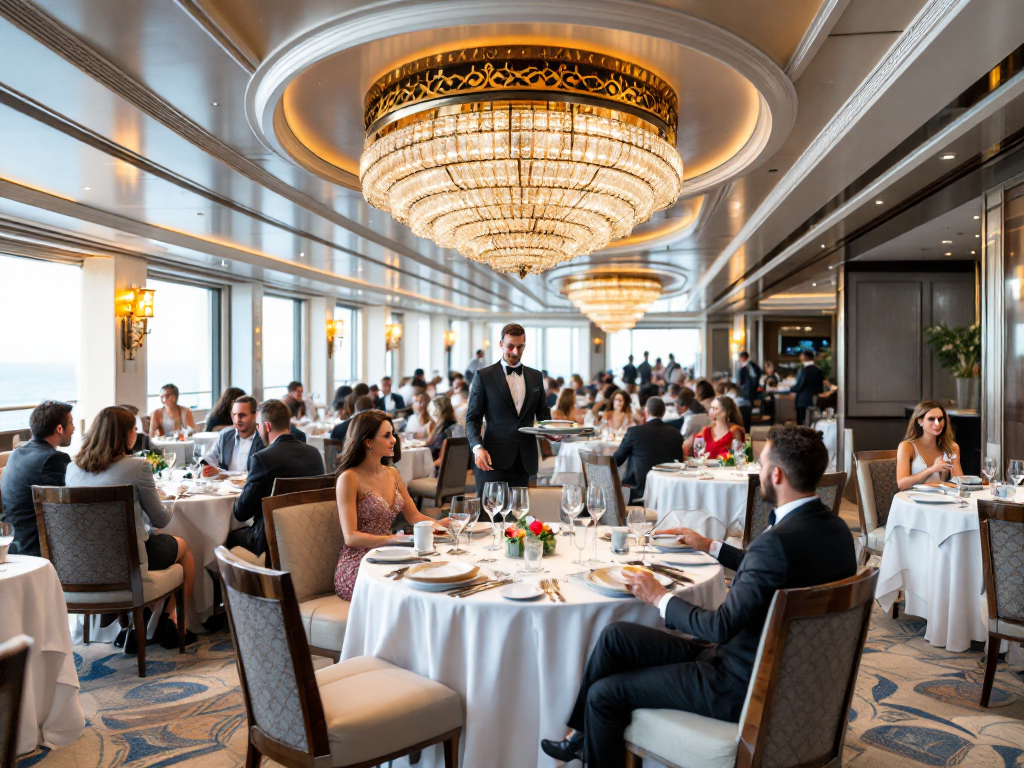
What changed my perspective: By cruise three, I understood: main dining room dinner isn't a transaction. It's the cruise experience. If you want fast food, hit the buffet or grab pizza from the poolside. The dining room is where cruising slows down and becomes civilized again.
You Will Spend Way More Money Than You Budgeted
My Carnival Breeze was a good-value cruise. Base fare was reasonable. I thought, "I've got $500 for extras. That's plenty."
Then I discovered:
- Specialty dining (that ribeye steak I couldn't resist on night four): $45
- Drink package (realized after day one that I'd calculated wrong): $89
- Excursions (two ports, one decent tour each): $280
- Spa treatments (a massage on a sea day felt mandatory): $110
- Miscellaneous charges (that shirt I bought, the ice cream, the casino): $150
I went from "I've got this budgeted" to "why is my onboard account at $674?" by the time we pulled into port on day three.
Here's the thing nobody tells first-timers: cruise pricing is psychological. Because everything is charged to your room, you don't feel the money leaving. No cash, no swiping a card. You're just... spending. The average cruiser spends $600-$900 in onboard charges beyond their base fare. That's not unusual. That's normal.
What I do differently now: Before you sail, contact your cruise line and ask for a projected onboard account total. Be honest about what you'll actually spend. Then add 20%. Budget it before you sail. And if specialty dining isn't included, know that going in—don't let it surprise you.
The Crew Are Actual Human Beings With Real Lives (And They Deserve Respect)
This one hit me hard. I was enjoying breakfast on day two, watching our waiter—let's call him Marco—expertly manage eight tables while smiling at every guest. He worked a 12-hour shift. He lived in a cabin the size of a closet, six decks below mine. He hadn't seen his family in four months.
I tipped well (15-18% of my dining charges, added to my account). But watching the crew move through the ship with the kind of exhaustion that comes from relentless hospitality was sobering.
What surprised me most: the crew actually care. They want your experience to be good. When you thank them, when you learn their names, when you treat them like humans instead of service robots—the entire cruise feels different. Marco remembered my coffee preference by day three. He asked about the excursion I'd booked. He made my last dinner special because I'd been respectful all week.
The lesson here: Tip. Tip generously. Tip daily. When you're in your cabin, treat the crew like colleagues, not servants. And whatever you do, don't snap your fingers or treat people badly because you're on vacation and think you can.
The Ocean Is Actually Terrifying (In an Awe-Inspiring Way)
I grew up in the Midwest. I'd seen the ocean maybe twice. Standing on the balcony of cabin 12F on the Carnival Breeze, staring at nothing but water and horizon in every direction, I had an existential moment.
There's no land. There's just... ocean. And under that ocean is 20,000 feet of water. And your floating city is holding you up somehow. It hits different when you process it.
The first rough sea was even more intense. A little swell on the second day had the ship rocking noticeably. Other cruisers were casual about it ("Oh, this is nothing"). I was gripping the railing and wondering if we were going to sink. We weren't. Ships are ridiculously safe. But that disconnect between what your brain knows intellectually and what your body feels emotionally—that surprised me.
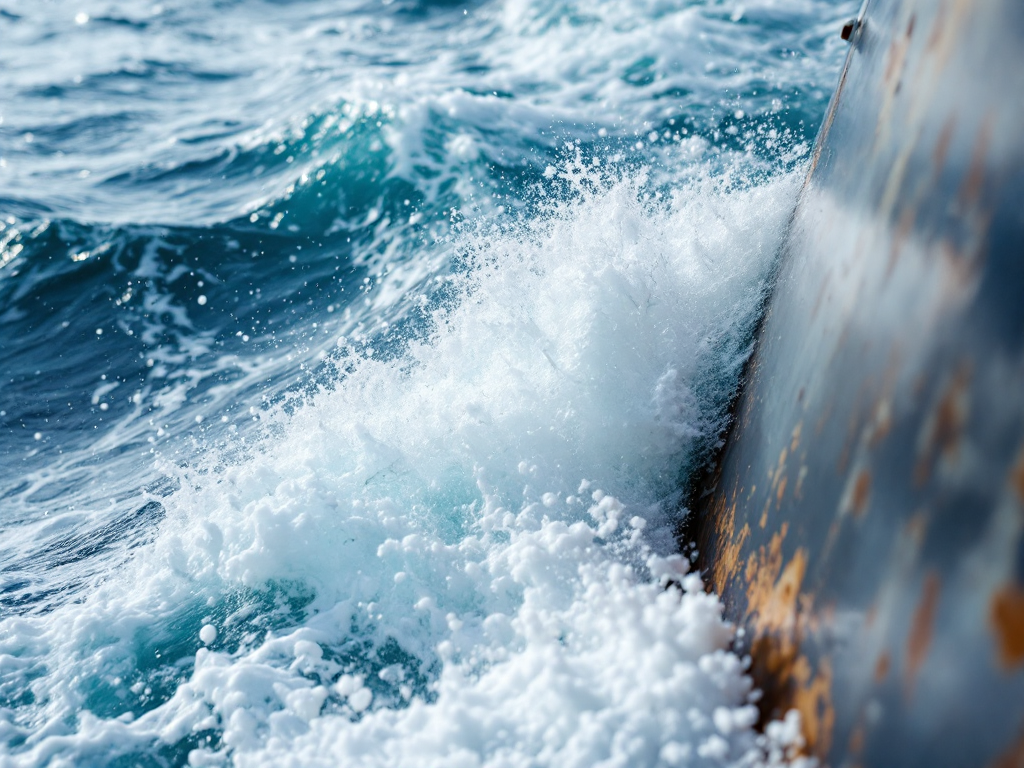
What helped: Seasickness bands worked for me when we hit rougher seas. Ginger candies helped. And honestly, by day three, my body adjusted. You'll adjust too. The ocean is magnificent and terrifying, and both feelings are valid.
You'll Finish a Cruise Exhausted and Immediately Want to Book Another One
I pulled into Port Canaveral on a Sunday morning after seven days on the Carnival Breeze absolutely spent. I'd been awake most nights enjoying the deck parties. I'd walked seven miles exploring the ship and ports. I'd eaten five-course dinners, sat by the pool in 90-degree heat, and stayed up until 2 AM gambling (badly) at the casino.
I was wiped out.
But somewhere between clearing customs and driving home, I was already thinking about my next cruise. I pulled up CruiseVoices forums in the car and started reading trip reports. I opened the Trip Planner and browsed itineraries. By the time I got home, I'd spent three hours looking at cruise options for next year.
It's not logical. But it's real. Cruising does something to your brain that makes you want more immediately after you've exhausted yourself trying to cram in the experience of it all.
The Real Takeaway
Your first cruise will surprise you in ways you can't anticipate. You'll learn things about yourself (that you hate seasickness, or love solo dining, or become an adrenaline junkie at the rock climbing wall). You'll meet people you'll actually keep in touch with. You'll discover that vacation doesn't have to mean a beach resort.
And honestly? That first-timer anxiety—the nervousness about whether you'll do it right, whether you'll like it, whether you'll fit in—that evaporates by dinner on night one. You'll be fine. You'll have an amazing time. And in about 18 months, you'll be sitting at a new dining room table on a different ship, thinking, "I can't believe I was nervous about this."
If you're planning your first cruise and want to connect with other first-timers, share your concerns, or read detailed trip reports from people who've just sailed, check out the Trip Reports & Live Sailings forum. Hundreds of cruisers share their maiden voyage stories, complete with honest pros and cons. It's where real first-time experiences come alive.
When you're ready to actually book your first voyage—whether that's a Caribbean cruise, a Mediterranean sailing, or an Alaska adventure—use the CruiseVoices Trip Planner to explore options. Our AI concierge will help you find the right ship for your style, budget, and what you want from your maiden voyage. We partner with 40+ cruise lines, and every booking supports our community of cruisers who genuinely love helping first-timers get it right.
Your first cruise is going to be better than you expect. I guarantee it.