

Jake_Harmon
Moderator
MSC Dining and Drinking Guide: Complete Breakdown of Restaurants, Bars, and Beverage Packages by Ship Class
After 40+ cruises, I've eaten in nearly every dining venue MSC has to offer — from the main dining room on the Seaside-class to the specialty restaurants on the newer Meraviglia ships. What I've learned is this: MSC's dining and drinking experience varies dramatically by ship class and how you package it. You can spend a fortune on add-ons, or you can eat incredibly well for the price of your cruise fare if you know where to go and what to order.
In this guide, I'm breaking down exactly what you get, what it costs, and which beverage packages are actually worth your money — ship class by ship class. No corporate marketing. Just honest, practical advice from someone who's been there.
Understanding MSC's Three Main Ship Classes in 2026
MSC operates three distinct ship classes that dramatically affect your dining options and pricing:
- Seaside-Class (MSC Seaside, MSC Seaview) — smaller, more intimate, fewer specialty restaurants
- Meraviglia-Class (MSC Meraviglia, MSC Bellissima) — mid-sized, balanced dining variety
- Virtuosa/Seascape-Class (MSC Virtuosa, MSC Seascape) — largest, most restaurants, most premium options
The newest ships in the Virtuosa and Seascape classes offer the most dining flexibility, but they also tempt you harder to spend extra. The Seaside-class ships, while smaller, actually have some advantages I'll detail below.
Main Dining Room (Included with Your Cruise)
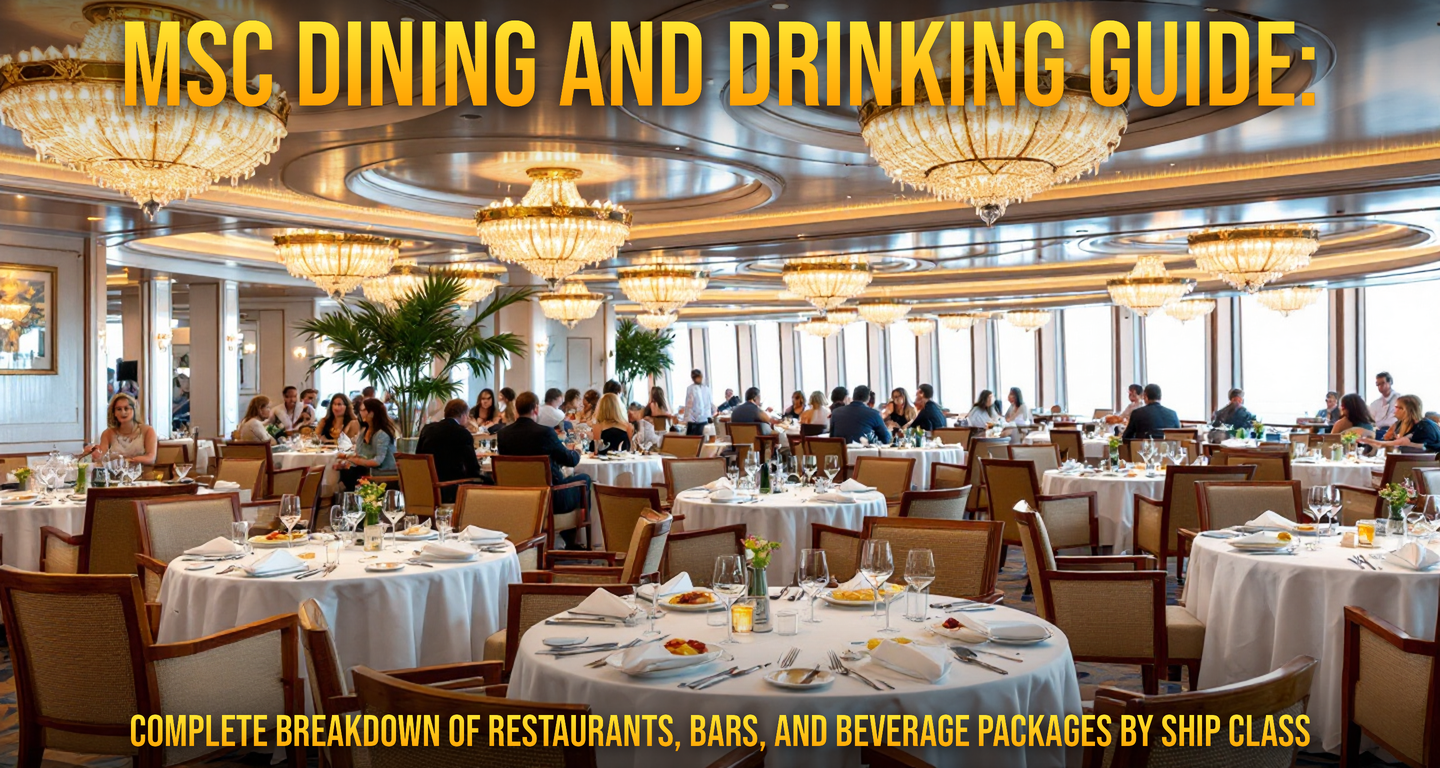
Every MSC ship includes a main dining room with assigned seating and flexible dining options. Here's what you're actually getting:
Seaside & Meraviglia-Class: Single main dining room, typically seating 900-1,400 guests. The food quality is solid — think European-style presentations with Italian influence. Menus rotate every 3-4 days. Main courses include pasta, steak, chicken, fish, and vegetarian options. For 2026, expect à la carte pricing of $18–$28 per entrée if you were dining ashore.
Virtuosa & Seascape-Class: Two main dining rooms (Deck 5 and Deck 6 typically), allowing better crowd distribution. The menus are slightly more ambitious here, with better vegetable preparation and more premium protein cuts. You'll see dishes like pan-seared branzino and filet mignon regularly rotated alongside more approachable options.
My Honest Take on Main Dining Room Food
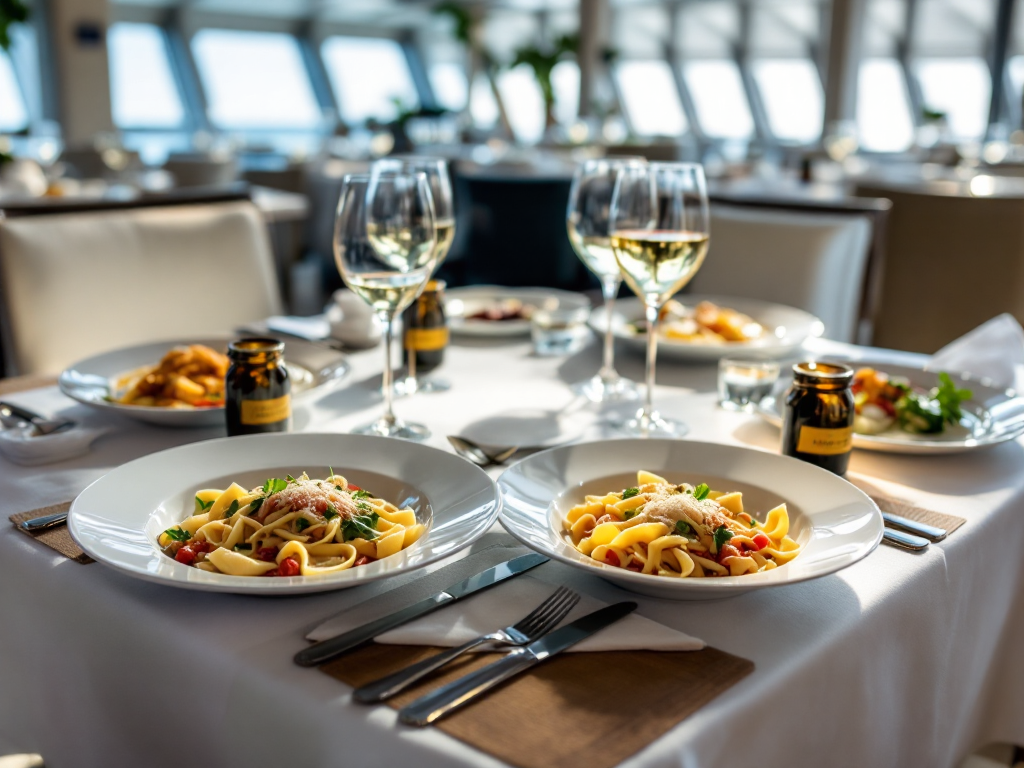
The main dining room is genuinely good value. I've had excellent meals here. The pasta dishes are consistently well-executed — particularly the risottos and seafood-based pastas. The steaks are competent, not outstanding. Where it stumbles: overcooked fish and occasional heavy sauces that mask ingredient quality.
Insider tip: Order à la carte from the regular menu on sea days. The kitchen is less rushed, and the same chefs prepare it with more care than the set menu service.
Specialty Restaurants by Ship Class
This is where MSC makes its real money — and where you need to decide carefully whether to spend extra.
Seaside & Meraviglia-Class Specialty Dining
Eataly (Italian Kitchen) — Available on both classes, this is MSC's most popular specialty restaurant. Cost: €15–€20 per person per meal (roughly $16–$22 USD). What you get: fresh pasta made tableside, Italian wines, focused menu of 5-6 pastas and proteins. Is it worth it? Yes, if you go once. The pasta is noticeably better than main dining room pasta. Skip if you're on a tight budget or visiting multiple times.
Asian Fusion Restaurants (varies by ship) — €15–€18. These include sushi, dim sum, and Asian stir-fries. Quality varies. On the Seaview, the sushi was fresh and creative. On the Seaside, it felt more routine. My verdict: Skip unless you're a sushi enthusiast. The main dining room pasta will give you better value.
Steakhouse — Not available on Seaside-class, limited on Meraviglia. When present: €25–€30 per person. Prime beef, potatoes, vegetables. It's decent, but not better than what you'd get at a $50+ steakhouse ashore. The advantage is convenience and no dress code stress.
Virtuosa & Seascape-Class Specialty Dining (The Premium Tier)
These newer ships significantly expanded specialty dining. Here's what you actually get:
Eataly Restaurants — MSC opened multiple Eataly venues on these ships. Main Eataly (€16–€20) plus dedicated Eataly Pizzeria (€10–€14 for pizza). Real difference: The Pizzeria uses a wood-fired oven and the pizzas are legitimately excellent. If you do specialty dining once, this is the safest bet.
MSC Yacht Club Dining — These ships introduced exclusive "yacht club" suites with private dining venues. If you're not in a suite, you can't access it. Suite guests get priority reservations and slightly different menus. Cost for non-suite guests: Not available. This is effectively first-class seating on the ship.
Butcher's Cut Steakhouse — €28–€32 per person. Dry-aged beef, sophisticated sides, wine pairings available. This is legitimately the best specialty restaurant on MSC ships. My honest assessment: Worth it if you want a special night and don't mind the cost. The beef quality is high enough to justify the premium.
Asian Kitchen — €16–€20. Better execution than Meraviglia-class equivalents. Teppanyaki tables available for €35–€40 per person (entertainment included). Verdict: The teppanyaki experience is fun but pricey. Standard Asian Kitchen is decent but not essential.
Beach Club/Raw Bar — Typically €8–€14 for seafood appetizers. This is less of a "specialty restaurant" and more of a poolside upgrade option. Ceviche, oysters, shrimp ceviche. Is it worth it? If you love fresh seafood and want a casual upgrade, yes. Otherwise, skip it.
Included Restaurants (Often Overlooked)
Here's where you can eat better for no extra cost — if you know where to look:
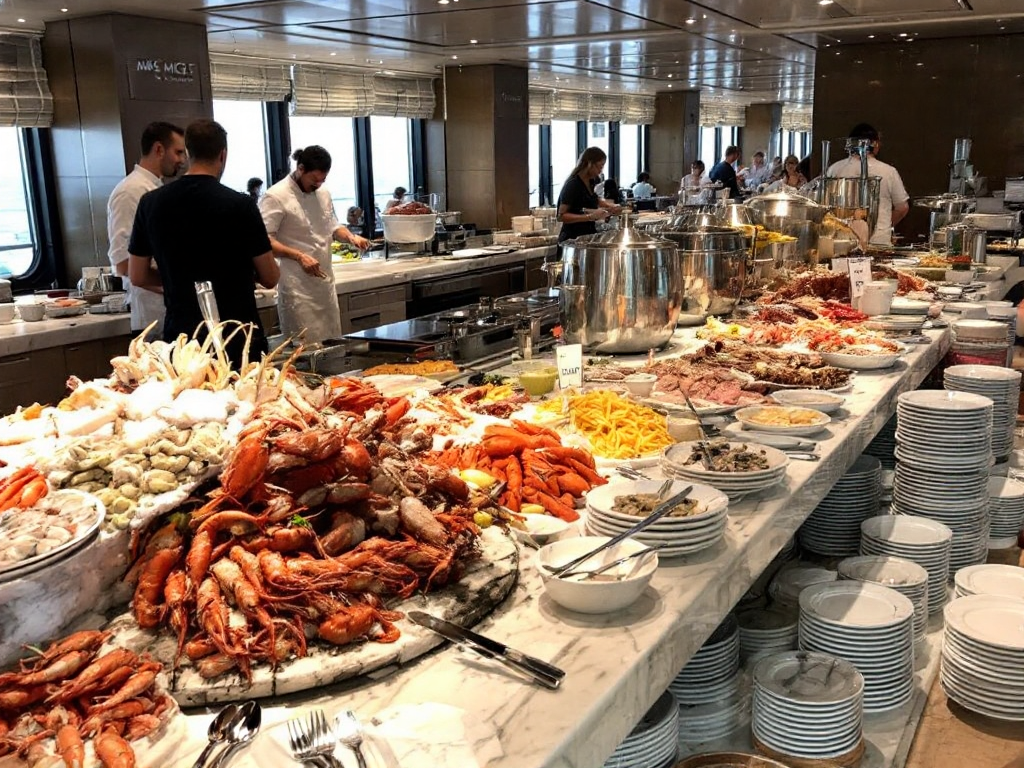
Buffet (Marketplace/Lido) — All ships, all classes. This is legitimately underrated. Most cruise passengers skip the buffet after the first day because they assume it's "basic." Wrong. The buffet on Virtuosa and Seascape-class ships has dedicated pizza, pasta, meat carving, and seafood stations. Quality is comparable to specialty restaurants in many cases. My strategy: eat dinner in the main dining room, then grab buffet lunch and breakfast — you'll eat better food overall and spend nothing extra.
Casual Dining Venues — MSC offers casual restaurants included in your cruise:
- Trattoria (Italian) — simple pastas, less formal than Eataly
- Il Forno — Italian buffet style, open for breakfast/lunch
- Sports Bar/Pub — burgers, sandwiches, pub food
- Pizzeria — casual, always included (don't confuse with Eataly Pizzeria which is specialty)
All of these are completely free and serve decent food. The pizzeria especially — you can grab a slice anytime, all day. Better than paying €3 for mediocre pizza ashore.
Beverage Packages: Which Ones Actually Make Financial Sense
This is where most cruise passengers lose money. Let me break down the actual math:
MSC Standard Beverage Package
Cost: €60–€75 per person per day (roughly $65–$82 USD), depending on cabin grade and advance purchase.
What's Included:
- Soft drinks (Coca-Cola products only)
- Coffee and tea
- Beer (draft only, limited selection)
- Wine by the glass (house wines only, €6–€8 value)
- Spirits (house brands: vodka, rum, gin, whiskey)
- Cocktails from set list
- Juices and water
What's NOT Included:
- Premium spirits (Grey Goose, Macallan, etc.)
- Premium wines by the bottle or glass
- MSC Bar Manager selections
- Energy drinks
- Bottled water (mini bar)
- Specialty coffee (cappuccino, macchiato — yes, really)
Does It Pencil Out? Let's say you have 7 days:
If you drink: 1 beer + 1 cocktail + 1 glass of wine per day at $6 + $8 + $7 = $21/day. Over 7 days: $147. Package cost: $455–$574. The package is a losing proposition.
However, if you drink: 2 beers + 2 cocktails + 2 wines + 2 coffees daily = $50/day value. Over 7 days: $350. Package cost: $455–$574. Now you're close to break-even, and the convenience of unlimited ordering matters.
My honest assessment: The standard package makes sense only if you're a heavy drinker (3+ drinks daily) AND you plan to order premium cocktails. For most passengers, buying drinks à la carte is cheaper.
MSC Unlimited Wine Package
Cost: €35–€45 per person per day (€20–€25 more than standard package, sometimes sold as add-on).
What's Included:
- Wine by the glass (limited list of better wines)
- Some premium beers
- Everything in standard package (except spirits)
Does It Work? Only if you drink 3+ glasses of wine daily. House wine costs €6–€8 per glass. Three glasses = €18–€24. Better wines on this package cost more. Over 7 days: $126–$168 in wine. Package adds €140–€210 ($155–$230). Not worth it for casual wine drinkers.
My Beverage Strategy (What I Actually Do)
After 40+ cruises, here's my system:
- For non-drinkers or light drinkers: Skip all packages. Buy specific drinks you want. Cost: $30–$50 total for 7 days.
- For moderate drinkers (1-2 per day): Skip packages. Occasional bottle of wine in your cabin (cheaper than ordering by glass). Cost: $60–$100 for 7 days.
- For heavy drinkers (3+ per day): Standard package might make sense. But negotiate — MSC often offers packages at 10-15% discount if you ask at guest services on embarkation day.
- Bottled wine hack: Buy a bottle at port (Cozumel, Falmouth, etc.) for $8–$12. Bring it aboard. Corking fee: €8–€10 per bottle in specialty restaurants. Still cheaper than glass pours.
Bar Quality and Service Across Ship Classes
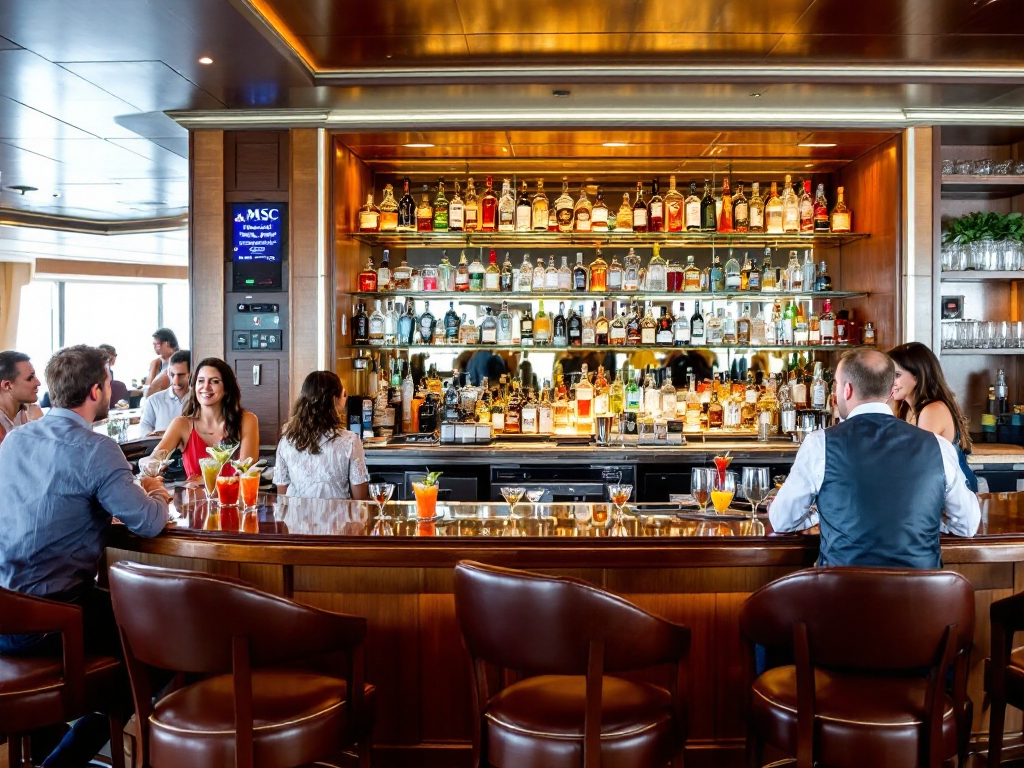
Seaside & Meraviglia: Bartenders are competent. Cocktails are standard — nothing creative. Waits at evening bars can be 10-15 minutes on sea days. Larger bars have shorter waits.
Virtuosa & Seascape: Better cocktail programs. Some ships now feature specialty cocktail bars with creative drink lists. Service is notably better — waits rarely exceed 5 minutes. Real difference: Bartenders actually upsell premium options and explain drinks, not just pour.
Specific Restaurant Recommendations by Ship Class
If You're on Seaside or Seaview
Must Visit: Eataly (once) for fresh pasta. The main dining room for steaks on "premium" nights. Buffet for lunch — seriously, don't skip it.
Skip: Asian fusion unless you're an enthusiast. The steakhouse if available (not worth the premium). Multiple specialty restaurants (budget limits you anyway).
Strategy: Eat main dining room dinner (included), buffet lunch, casual venue breakfast. One specialty dinner at Eataly. You'll eat better than spending on multiple specialty restaurants.
If You're on Meraviglia or Bellissima
Must Visit: Eataly. Main dining room (excellent rotation). Try Kaito Teppanyaki if available (slightly better than standard Asian).
Consider: One other specialty restaurant based on your interests.
Strategy: Same as Seaside, but you can afford one additional specialty dinner. Pick Eataly or Butcher's Cut (if available).
If You're on Virtuosa or Seascape
Must Visit: Eataly (main location). Butcher's Cut Steakhouse (if you want one premium night). Buffet for lunch and breakfast — quality is genuinely high here.
Consider: Beach Club Raw Bar if you love seafood. Teppanyaki if you want entertainment with dinner.
Skip: Standard Asian Kitchen (unless teppanyaki appeals). Wine package (not worth the cost).
Strategy: You have more options, so you can enjoy 2-3 specialty dinners without breaking the budget. Pair them strategically with included dining. Don't try everything — you'll spend €200+ per person on restaurants.
Insider Secrets That Save You Money
- Birthday trick: Mention it's your birthday to dining staff. You'll get complimentary dessert at main dining room. Minor, but it adds up.
- Casual dress nights: MSC has relaxed dress codes on some nights. Eat at casual venues instead of main dining room when not hungry for formal dinner. Save the formal nights for when you want them.
- Advance reservations: Book specialty restaurants during embarkation. Free, but ensures you get your preferred time and avoid "sorry, fully booked" situations.
- Request menu modifications: Servers will prepare off-menu items if you ask. Want pasta without cream sauce? They'll make it. No upcharge.
- Coffee shop upgrade: Doesn't require beverage package. Single specialty coffees cost €3–€4 à la carte. Way cheaper than daily coffee package.
- Breakfast strategy: Eat main dining room breakfast (included) for first day, then buffet after. Main dining room offers hot items (omelets, pancakes). Buffet has pastries, cold cuts. Mix them up for variety.
Dietary Restrictions and Special Requests
MSC handles dietary restrictions better than some cruise lines, but you must request them in advance.
Vegetarian/Vegan: Main dining room always offers vegetarian entrées. Quality is good — not an afterthought. Specialty restaurants accommodate with advance notice.
Allergies: Inform dining staff on your first night. MSC flags your account. Kitchens prepare separate meals with dedicated equipment. Takes extra time but works reliably.
Gluten-free: Available, but limited. Main dining room has 1-2 options per night. Specialty restaurants need advance notice (24+ hours).
Comparing MSC Dining to Other Cruise Lines
vs. Royal Caribbean: Royal Caribbean offers more specialty restaurants, but many require paid add-ons beyond MSC's standard offerings. MSC's included dining is simpler but actually better executed in terms of portion control and taste.
vs. Carnival: Carnival's main dining room is less sophisticated. MSC's specialty restaurants are comparable in price but better quality.
vs. Norwegian Cruise Line: NCL's "freestyle" dining system feels more flexible, but MSC's assigned seating actually reduces stress and guarantees you can eat without reservations.
vs. Celebrity: Celebrity's dining is premium-positioned but substantially more expensive. MSC offers 70-80% of the food quality for 50% of the cost.
Final Recommendations for Your MSC Cruise
Before You Book:
- Choose ship class based on itinerary and budget, not dining options. Dining difference is 15% of overall experience.
- Don't pre-purchase beverage packages. Buy them onboard if needed (pricing often discounted the first day).
- Reserve specialty restaurants after embarkation. Prices sometimes drop if they're under-booked.
During Your Cruise:
- Eat main dining room dinner, buffet lunch/breakfast. Skip specialty restaurants unless you have specific budget allocated.
- If you want one special dinner, choose Eataly (fresh pasta) or Butcher's Cut (steakhouse). Both deliver genuine value.
- Drink à la carte unless you're a 3+ drinks daily person. The package rarely justifies itself.
- Try casual venues — they're genuinely good and completely free.
Reality Check: You're on a cruise ship. The food will be good, but it won't rival land-based restaurants. The value comes from consistency and convenience, not culinary excellence. Enjoy what's included, spend extra strategically, and don't stress about missing specialty restaurants.
Join the Conversation
Have MSC dining experiences to share? Found a hidden gem restaurant? Figured out a beverage package hack? Join us at the MSC Cruises forum and share what you've discovered. The community is full of MSC regulars who love debating which Eataly menu is best and whether the beverage package makes sense.
Ready to book your MSC cruise? Our AI concierge can help you compare ships by dining offerings, find the best cruise for your preferences, and book your entire trip — from flights to excursions. Start planning today.