

Jake_Harmon
Moderator
Mexico Cruise Ports Complete Guide 2026: Your Insider Roadmap to Four Essential Destinations
You're standing on your ship's balcony as the Mexican coast comes into view, and you're thinking: "Where do I actually go when we dock?" After 40+ cruises to Mexico's four biggest ports, I can tell you that the difference between a forgettable day and an unforgettable one comes down to knowing the insider moves — the restaurants locals actually eat at, the shops that won't gouge you, and the safety practices that let you relax and enjoy yourself.
Mexico remains the #1 cruise destination from U.S. ports for a reason: it's accessible, affordable, and genuinely rewarding when you know what you're doing. Whether you're hitting Cozumel for the first time, returning to Cabo for the fifth, or exploring Puerto Vallarta and Mazatlán, this guide covers everything you need to book confidently and cruise smart in 2026.
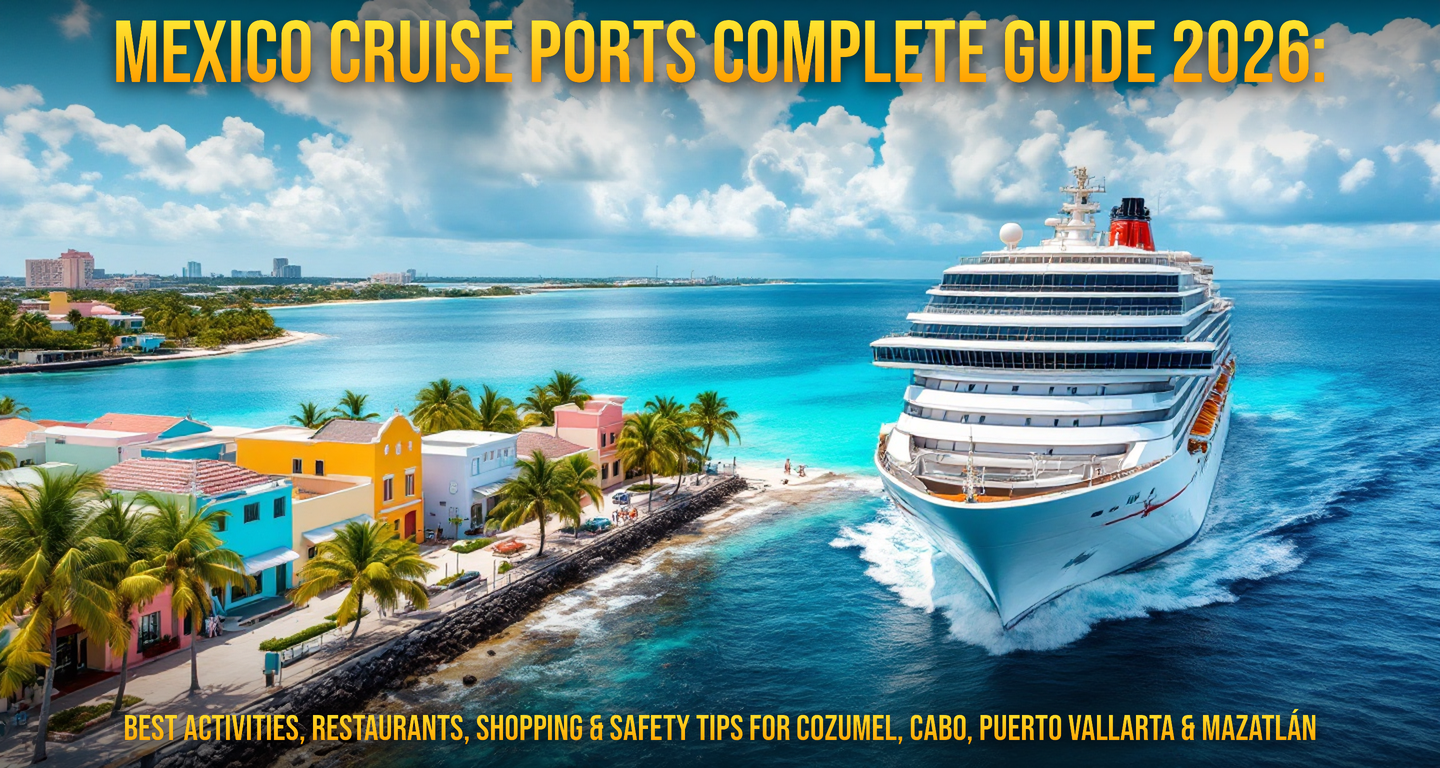
Cozumel: The Caribbean Crown Jewel
Cozumel is where most cruise passengers go — and for good reason. This is the easiest Mexican port to navigate, with the cruise terminal literally in the town center. You walk off your ship straight into San Miguel, the main town.
What You Need to Know Before You Dock
Cozumel is safe. I say that plainly because it's the most-visited cruise port in Mexico and has a strong tourism infrastructure. The downtown area around the cruise terminal is busy, well-lit, and full of other tourists. Use common sense — don't wander alone at midnight into neighborhoods away from the waterfront — but daytime exploration is genuinely low-risk.
The currency is Mexican pesos, but U.S. dollars are accepted everywhere (though you'll get slightly better rates with pesos). ATMs near the terminal charge reasonable fees. One pro tip: exchange $100-150 USD before leaving your ship. You'll spend less on transaction fees than hitting multiple ATMs.
- Terminal location: Right in downtown San Miguel — five-minute walk to restaurants and shops
- Tender situation: Some ships dock directly; some tender. Ask your cruise line's app or daily program
- Internet: Free WiFi at most restaurants and cafes along the waterfront
- Language: English widely spoken in tourist areas; Spanish helpful in neighborhood restaurants
Where to Actually Eat (Not Tourist Traps)
This is where most cruise passengers go wrong. They eat at the obvious beachfront restaurants and pay $22 for a basic fish taco. Here's what I actually do:
Budget-friendly breakfast: Casa Denis on Calle 1 Norte. A tiny, family-run place that locals genuinely eat at. Huevos rancheros, fresh juice, excellent coffee — total bill around $8-10 per person. Cash only. Walk inland from the waterfront, ask for directions, and you'll find it.
Lunch with a view: La Cocay Restaurant overlooks the waterfront but isn't overpriced. Fresh ceviche ($12), grilled fish plates ($14-16), and cold beer. The staff is friendly and knows cruise schedules — they'll work with your timing.
If you want beachside (and are willing to pay): Cantina Palapa on the beach north of town. Expect $16-24 for seafood, but the palapas, cold drinks, and beach access make it worth it. The agua fresca is exceptional.
Street tacos: Walk along Avenida Benito Juárez in the afternoon. Vendors set up taco stands with fresh fish, carnitas, and chicken. $1-2 per taco. This is real food at real prices.
Best Shopping Without Getting Fleeced
Cozumel's tourism zone has jewelry shops, dive gear, t-shirt stands, and souvenir stores on every corner. The markup is real — they're betting on cruise passengers who are comparing prices for the first time.
Here's my strategy: Shop around for 15 minutes before buying anything. Jewelers will negotiate, especially if you're paying cash. For souvenirs, prices are identical across shops ($15 for a Cozumel t-shirt, $8 for a magnet), so buy from whoever has the best customer service.
For actual crafts and local goods, walk away from the waterfront into San Miguel proper. You'll find smaller shops with hand-painted items, local honey, and artisan goods at better prices. The ferry plaza area (where the Playa del Carmen ferry docks) has local shops too.
Skip the duty-free stores unless you're buying for friends back home. Prices aren't what they claim.
Activities That Are Actually Worth Your Time
Snorkeling: This is Cozumel's signature. The reef is literally 10 minutes offshore. You have three options:
- Ship excursion: $89-129. Easiest, safest, guaranteed return timing. Better if you're nervous about language or navigation.
- Local dive shops: Walk inland from the terminal, find a shop, negotiate directly. Often $60-80 including equipment. Pro: more time in water, cooler groups. Con: you're timing your own return.
- Beach clubs with snorkel access: Palapa del Capitán or Mr. Sancho's ($25-40 entry) include snorkel gear, beach, food, and drinks. Less crowded than ship tours.
DIY snorkeling: Rent gear from a shop ($10-15), walk to a public beach like Chen Río (30 minutes by taxi, $5 per person each way), and snorkel the reef yourself. This is my move when I want control over my time.
Diving: If you're certified, Cozumel's house reef is world-class. Two-tank dives run $110-140 with local shops.
Island exploration: Rent a scooter ($30-40 for the day) or taxi ($25-35 for a few hours). The south side of the island is less touristy — you'll see real Cozumel life.
Skip unless you love crowds: Xcaret (1.5 hours away, $99-129 via ship, full-day commitment) and Playa del Carmen day trips (ferry is 45 minutes, then you're in another tourist zone). These are okay but eat your entire day.
Connect with other Cozumel cruisers in our Mexico and Central America ports forum to get real-time tips from travelers visiting in 2026.
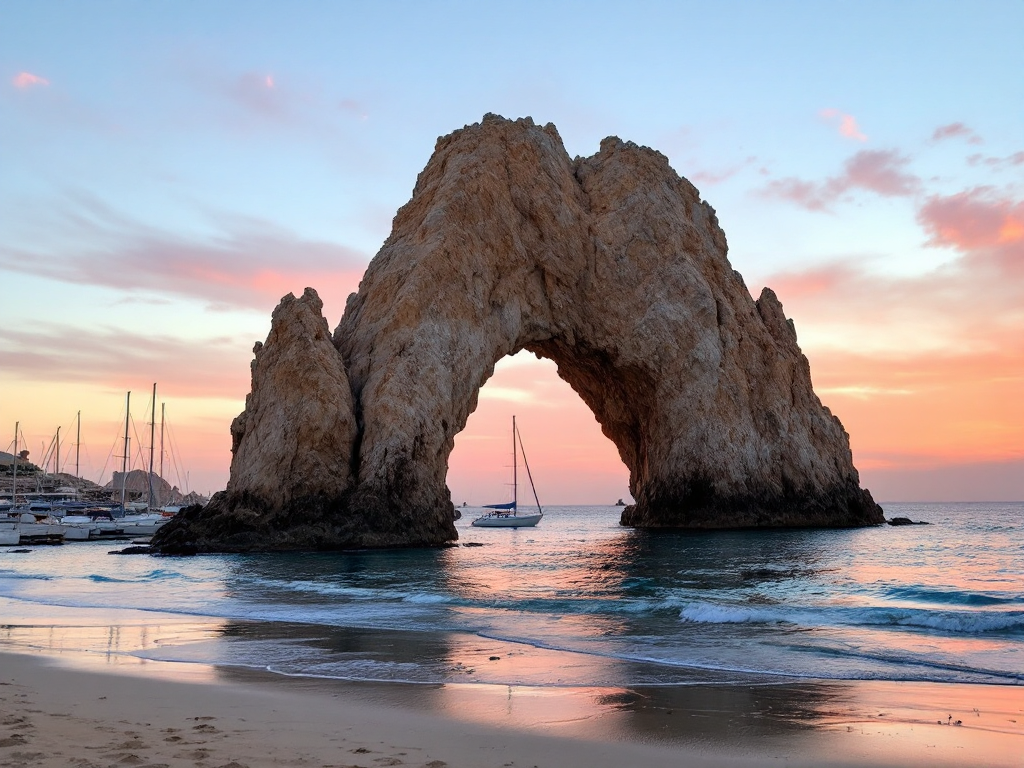
Cabo San Lucas: Beach, Resorts & That Arch
Cabo is different from Cozumel. It's more of a resort destination, more expensive, and less about exploration and more about relaxation. You're paying for views of the iconic El Arco rock formation and pristine beaches.
What to Expect
Cabo attracts cruise passengers looking for upscale beach time, not authentic Mexican culture. Prices reflect that — meals run $18-35 per person in decent spots. The town itself is small and touristy. Safety is fine in the resort and marina areas; downtown Cabo San Lucas is safe during the day.
Cruise terminal location: You'll tender into the marina area or the downtown waterfront. Either way, you're walking into restaurants and shops immediately.
Where to Eat in Cabo
Budget option: Tacos el Azteca or similar hole-in-the-wall taquerias downtown. Fresh fish tacos, $2-3 each. Real local food at real prices.
Mid-range with a view: Peacocks on the waterfront. Fresh fish, good ceviche, reasonable prices ($16-22 for mains). The margaritas are solid.
Splurge-worthy: Flora Farms. High-end farm-to-table, beautiful setting, excellent service. Dinner entrees $28-42. This is a real special-occasion spot, not just cruise-tourist food.
Hidden gem: Walk into the residential neighborhoods away from the marina. You'll find smaller taquerias, panaderias (bakeries), and juice stands. This is where I get breakfast — fresh pan dulce and a juice for $4.
Cabo Activities: Beyond the Beach
Medano Beach: This is the main beach. It's beautiful, crowded, and perfect for sunbathing and swimming. Free access. Beach clubs offer chairs, umbrellas, and food ($15-25 for the day). Flora Farms Beach Club is nicer than most.
El Arco photo op: This is the iconic rock formation at the tip of the peninsula where the Sea of Cortez meets the Pacific. Every cruise passenger wants a photo. You can see it from shore, kayak out ($40-60), or just admire it from the marina. The view is real but crowded.
Sportfishing: Cabo is famous for marlin and yellowtail. Ship excursions run $300-450 for 4-6 hours. It's expensive but the fishing is legitimately world-class if that's your thing.
Whale watching (seasonal): December-April, gray whales migrate through the waters. Tours run $80-120 and often include snorkeling. Ship excursions are usually $99-139.
Snorkeling: Pelican Rock or Lover's Beach via boat tour ($60-90). Okay marine life; not Cozumel-level.
Honest take: Many cruisers spend $120+ on activities and realize they would've been happier just sitting on Medano Beach with a good book and a cold drink. Nothing wrong with that.
Shopping in Cabo
Cabo's marina is packed with upscale shops: jewelry, designer brands, artisan galleries. Prices are high but genuine. If you want a souvenir blanket or painted pot, you can find it, but expect tourist pricing. The marina is where most shops congregate.
Better for souvenirs: Walk inland from the marina into downtown Cabo San Lucas proper. You'll find actual local shops with better prices and less hard-sell pressure.
Puerto Vallarta: Culture, Food & Real Mexico
Puerto Vallarta is my favorite Mexican port because it feels the most like actual Mexico, not a resort zone. The malecón (waterfront boardwalk) is genuinely beautiful, the food is exceptional, and you can walk everywhere from the terminal.
The Setup
Most ships dock right at the cruise terminal in downtown Puerto Vallarta. The malecón is a 5-minute walk. This is a real working city with 250,000 people — not a port engineered for tourists, but absolutely tourist-friendly.
Safety: Puerto Vallarta has worked hard on its reputation and remains one of Mexico's safest beach destinations. Stay in the malecón, downtown, and tourist areas, and you're fine. Don't wander into neighborhoods at night alone, but that's true anywhere.
Where to Eat (This Is the Best Food Stop in Mexico)
This is important: Puerto Vallarta has better food than Cozumel and Cabo combined. Fresh seafood, authentic Mexican cuisine, and genuine value.
Breakfast: Café des Artistes is famous but expensive ($12-16 for breakfast). For real local breakfast, find any small cafe on the side streets off the malecón. Chilaquiles, fresh juice, and coffee for $5-8.
Lunch staple: Cenaduria Rosita on the malecón. Fresh ceviche, fish tacos, shrimp dishes. $10-14 per person. Long-standing, family-owned, locals eat here.
Upscale dinner: Café des Artistes or Trio Restaurante. Both offer exceptional contemporary Mexican cuisine ($25-38 entrees). Trio has better value and excellent cocktails.
Hidden gem: Walk the side streets (Calles Morelos, Olas Altas) and you'll find small comedores (casual eating spots) where locals lunch. Simple, fresh, cheap ($3-6 per plate). This is real food.
Seafood standing room: Mariscos shops along the waterfront. Shrimp ceviches, oysters, fresh fish — order, stand, eat, pay ($8-12). It's casual and exceptional.
Activities in Puerto Vallarta
Malecón walk: This is free and honestly the best activity. The boardwalk stretches for miles, with ocean views, vendor stalls, street performers, and cafes. Grab a coffee, walk slowly, soak it up.
Old Town exploration: Walk inland from the malecón into the historic neighborhoods (Olas Altas, Emita). Cobblestone streets, art galleries, small local shops, and fewer tourists. This is where Puerto Vallarta's soul lives.
Snorkeling: Yelapa Cove (boat tour, $60-80) or Punta Mita ($80-120). Both are beautiful. Ship excursions run $99-139. The Banderas Bay has decent marine life.
Ziplining or ATV tours: Inland from the coast, companies offer jungle ziplining, ATV rides, and waterfall tours ($60-120). These are fine but require being shuttled away from the port. Better for adventurers than casual cruisers.
Sunset cruise: Many boats depart from the marina ($40-80 for 2 hours, often including drinks and appetizers). The Pacific sunsets here are legitimate.
Beach time: Playa Camarones or Playa Las Glorias are right in town, free, and beautiful. No chair or food service unless you go to a beach club. Jump in, swim, dry off.
Shopping in Puerto Vallarta
The malecón and nearby streets have galleries, artisan shops, and clothing stores. Prices are moderate — you're paying for quality local items, not pure tourist markup. Leather goods, hand-painted ceramics, and local artwork are genuine.
Best shopping area: Olas Altas neighborhood. Smaller galleries, local artisans, better prices, less crowded.
Mercado Municipal: The public market inland from the malecón. Local crafts, textiles, fresh produce. It's touristy but authentic. Haggle gently if buying crafts.
Mazatlán: Underrated and Relaxed
Mazatlán is the port fewer cruisers know about, and that's actually a selling point. It gets less traffic than Cozumel or Cabo, which means fewer crowds and more authentic Mexico.
The Setup
Mazatlán is a working beach city of 450,000 people. The cruise terminal is in the port area, and you're a 10-minute walk to the malecón. This is genuine Mazatlán, not a resort zone built for tourists.
Safety has improved significantly. The malecón and downtown areas are safe and full of locals and tourists. Use normal precautions (don't wander at 2 a.m., keep valuables secure), but daytime exploration is fine.
Where to Eat in Mazatlán
This is where Mazatlán surprises you: The seafood is phenomenal and cheap.
Breakfast: Find a small comedor near the malecón. Eggs, fresh fruit, juice, tortillas. $4-6 per person.
Lunch gem: La Cocina de Cocula on the malecón. Fresh fish, ceviche, shrimp dishes. Affordable ($12-16), family-owned, excellent. This is a real find.
Mariscos stands: Walk the malecón in the late afternoon and you'll see small seafood counters open for dinner. Oysters, ceviche, whole grilled fish. $8-14. Authentic and affordable.
Upscale option: Pueblo Bonito resorts have public restaurants with ocean views. Expect $18-28 for entrees. Good if you want air-conditioning and guaranteed service.
Activities in Mazatlán
Malecón: The boardwalk is gorgeous and less crowded than Puerto Vallarta's. Great for walking, photos, and just sitting by the ocean.
Centro Histórico (Old Town): Walk inland to the historic center. Colonial architecture, small plazas, churches, local shops. Fewer tourists than the malecón, more character.
Tres Islas boat tour: Day trip to three islands with snorkeling ($60-90). Marine life is decent, the islands are scenic, and it's genuinely fun.
Punta Cerritos surfing: If you surf, the breaks here are solid. Beginner lessons available ($40-60). If you don't surf, watching is free and entertaining.
Beach time: Playa Olas Altas and Playa Camarón are right in town, free, and beautiful.
Honesty check: Mazatlán is lower-key than other ports. It's not "undiscovered" anymore, but it feels less touristy. That's the appeal.
Safety Across All Four Ports: Real Talk
I've cruised to these ports 40+ times and had zero safety incidents. Here's what actually works:
- Stay in tourist zones during the day. The malecón, cruise terminals, and main shopping areas are crowded and safe. It's not risk-free, but it's low-risk.
- Don't walk alone at night. If you want dinner out after dark, go with fellow cruisers or take a taxi.
- Keep valuables secure. Don't flash jewelry or expensive cameras. Leave them on the ship if you don't need them.
- Use official taxis. Either request through your hotel or take one from a designated stand. Agree on price before entering.
- Don't use ATMs at night or alone. Hit the machine during the day near shops or the terminal.
- Trust your gut. If a neighborhood feels off, walk out and find another route. You're on vacation; you don't need to prove anything.
- Skip buying drugs or expensive things from strangers. This shouldn't need to be said, but: no. Just no.
- Travel insurance is smart. Not because Mexico is dangerous, but because unexpected medical costs exist everywhere. Our AI concierge can help you find affordable coverage when you book.
The reality: These ports are safer than many U.S. cities. Millions of cruise passengers visit them annually with no problems. You're not in danger if you use common sense.
Booking Strategy: Ship Excursions vs. DIY
Here's my honest framework after 40+ ports:
Book ship excursions if:
- You're nervous about navigation or language
- You want guaranteed return to the ship (important if you're not a strong swimmer or comfort is key)
- You want zero planning stress
- It's your first cruise
DIY/local guides if:
- You're experienced and comfortable navigating on your own
- You want more time and flexibility
- You want better prices (often 30-50% cheaper)
- You speak some Spanish or aren't worried about language barriers
My move: I usually book one ship excursion (snorkel tour in Cozumel or Cabo) for safety and timing, then DIY everything else — walking, eating at local spots, shopping on my own. This balances comfort and value.
Pricing reality for 2026: Ship excursions run $60-150 for most activities (snorkel, boat tours, beach clubs). Local operators often charge 30-40% less but require you to navigate timing and transportation.
When you're ready to book your Mexico cruise, our AI concierge at CruiseVoices can help you compare prices, choose excursions, and book flights and hotels all in one place. You pay the same rates you'd find elsewhere — we just earn commission, which costs you zero extra.
What to Pack and Bring
- Reef-safe sunscreen. The reefs are sensitive; regular sunscreen harms them. Bring SPF 30+ zinc oxide or titanium dioxide from home.
- Snorkel gear if you're picky. Ship rentals often charge $10-15 and aren't always top quality. Your own mask and snorkel ($20-30 investment) is better if you snorkel regularly.
- Reef shoes or water booties. Rocks and coral are sharp. Cheap ($15-20) and save your feet.
- Waterproof bag for valuables. Phone, cash, ID need protection if you're snorkeling or beach-hopping.
- Cash (USD and some pesos). Bring more than you think you need. Small vendors and taquerias don't always have change for $20s.
- Lightweight cover-up. Sun protection, looks better than swimwear in restaurants.
- Comfortable walking shoes. Malecóns, Old Towns, and cobblestones require real shoes, not flip-flops only.
- Hat and sunglasses. Non-negotiable. The sun reflects off water and concrete.
Timing, Seasons & When to Go
Best months: November-April. Warm (75-85°F), dry, and comfortable. Cruise prices are higher but crowds justify it.
Shoulder season: May, September-October. Cheaper cruises, warmer water, but hurricane risk increases. Not recommended for September.
Avoid: June-August. Hot, humid, occasional tropical weather. Prices are lowest but you'll be sticky all day.
Hurricane season reminder: June-November has tropical weather risk. December-May is your safe bet.
Final Takeaway: Know Before You Go
Each of these four ports offers something different:
Cozumel = Best for snorkeling, easiest navigation, most cruisers
Cabo = Best for upscale beach time and resort comfort
Puerto Vallarta = Best for food, culture, and authentic Mexico
Mazatlán = Best for fewer crowds and relaxed vibes
You don't need to choose one. Many cruise itineraries hit two or more in a week. Use this guide to maximize each port, support local businesses (not just resorts), and come home with real memories instead of just photos.
The insider secret: The best part of cruising Mexico isn't the excursions — it's the unplanned moments. Walking the malecón at sunset, finding a taqueria with zero tourists, talking to locals on the ferry. These cost nothing and matter most.
Ready to book your Mexico cruise? Our AI concierge at CruiseVoices can help you find the right ship, dates, and price — then book flights, hotels, excursions, and travel insurance all in one conversation. You get expert guidance and the best rates available, at zero extra cost.
Have your own Mexico port stories? Join the conversation in our Mexico and Central America ports forum and share your favorite finds, restaurants, and tips with other cruisers planning their 2026 sailings.