

After 23 Mediterranean cruises over the past eight years, I've watched this region transform from a carefree sailing paradise into something that requires much more awareness and preparation. The incidents making headlines aren't isolated events – they're part of larger patterns that experienced cruisers have been noticing for a while now.
Here's what I wish someone had told me before my first Med cruise, and what I've learned from both smooth sailings and the trips that didn't go according to plan.
You'll hear cruise lines emphasize their "comprehensive safety protocols," but they won't tell you that Mediterranean itineraries now face challenges that simply didn't exist a decade ago. During my Celebrity Edge cruise in summer 2026, we had three unscheduled port changes due to "operational considerations" – cruise-speak for safety concerns they can't publicly discuss.
The truth is, flexibility has become your most important safety tool. On Princess's Crown Princess last September, passengers who had rigid shore excursion plans found themselves scrambling when we bypassed Naples entirely. Those who built buffer time into their plans? They enjoyed an unexpected day in Palma instead.
Barcelona: The crowds around the cruise terminal have become increasingly aggressive toward tourists. I now book my pre-cruise hotel in Eixample district rather than near the port. The extra 15-minute taxi ride is worth avoiding the chaos at Terminal Nord.
Civitavecchia (Rome): The train situation has deteriorated significantly. What used to be a reliable 45-minute journey to Rome now regularly faces delays and overcrowding. I've started booking the ship's shuttle ($79 round-trip) rather than risking missing embarkation.
Palermo: Skip the independent walking tours you'll see advertised at the port. Three different cruisers from my Norwegian Epic sailing reported being abandoned by their "guides" in unfamiliar neighborhoods.
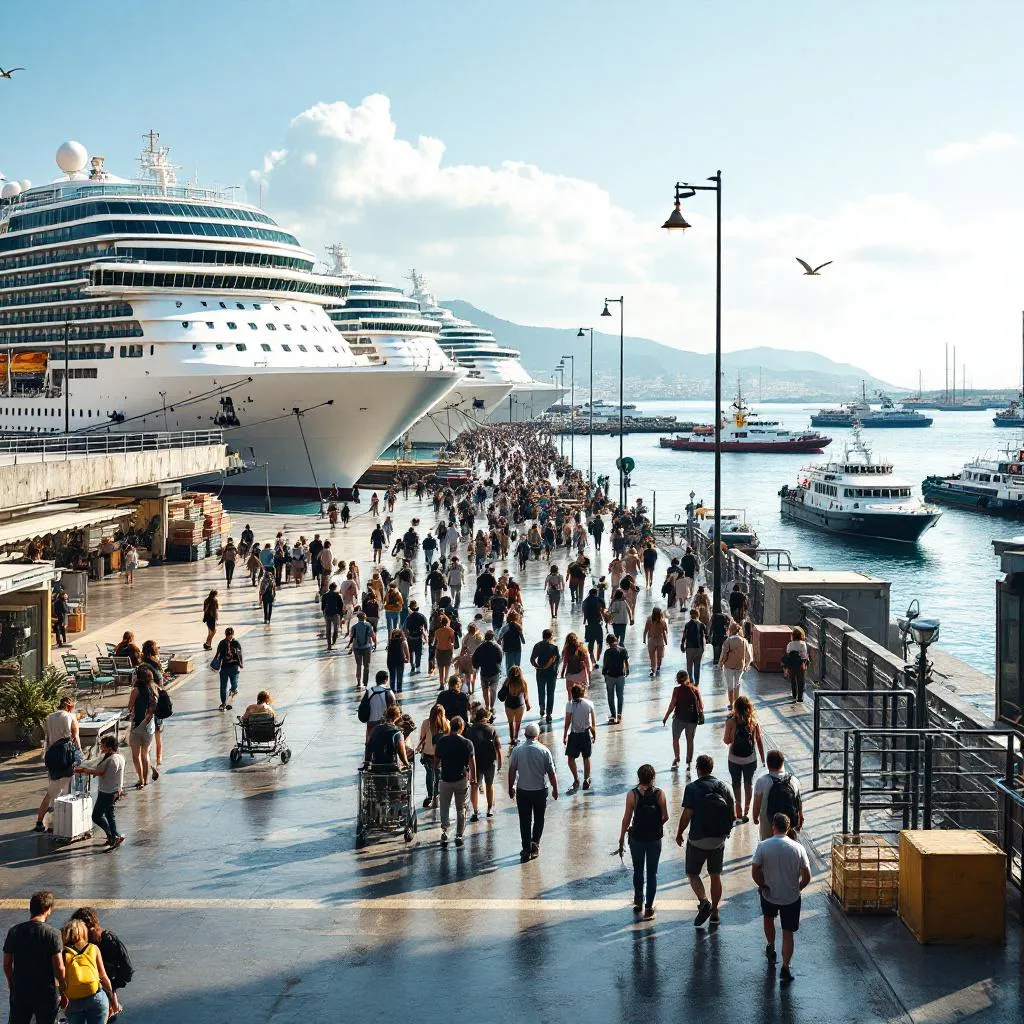
Cruise lines will tell you their excursions are "carefully vetted," but here's what they don't mention: the ship will wait for you if their excursion runs late, but not if you're on an independent tour.
I learned this the expensive way in Santorini. Our private wine tour ran two hours behind schedule due to "traffic," and we watched our Royal Caribbean ship sail away with our luggage, medications, and passports aboard. The bill for flights home, hotels, and emergency document replacement? $4,200.
Now I follow the "30-minute rule": any excursion I book independently must guarantee return to the ship 30 minutes before all-aboard time. No exceptions.
Safer alternatives I've discovered:
The medical facilities cruise lines advertise aren't equipped for everything. During a MSC Seaside cruise in 2026, a passenger having a heart attack had to wait four hours for a helicopter evacuation because the ship's medical center couldn't handle cardiac emergencies.
What cruise lines won't tell you about medical care:
Here's something that saved my cruise last year: I downloaded offline maps for every port before leaving home. When our Cunard Queen Victoria had a "technical issue" with passenger Wi-Fi for two days, those offline maps let me navigate Palma and Valencia independently while other passengers were stranded near the terminals.
My essential safety communication setup:
Don't rely on the ship's communication systems during emergencies. When Celebrity Constellation lost satellite connectivity for 18 hours last summer, passengers couldn't notify families about our delayed arrival in Barcelona.
The "cashless" cruise environment creates a false sense of security. In Mediterranean ports, you'll need cash more than cruise lines admit, but carrying large amounts isn't safe.
I've developed a system after being pickpocketed in Marseille: I carry one credit card, one debit card, and maximum €50 cash. Everything else stays in the cabin safe. The small inconvenience of multiple ATM visits beats losing everything to skilled pickpockets.
Document protection strategy: I photograph my passport, cruise booking, travel insurance, and emergency contacts. These photos get emailed to myself and stored offline on my phone. When a Norwegian Breakaway passenger lost her purse in Rome, having digital copies cut her embassy visit from six hours to 90 minutes.
Mediterranean weather has become increasingly unpredictable. In October 2026, our Virgin Voyages Scarlet Lady itinerary changed three times due to unexpected storms. Passengers who booked non-refundable shore excursions and flights lost hundreds of dollars.
Weather protection tactics:
The cruise lines' "safety first" messaging sounds reassuring, but itinerary changes can destroy carefully planned trips. Build flexibility into your expectations and your budget.
Norovirus outbreaks on Mediterranean cruises increased 40% in 2026 compared to 2025. What cruise lines won't tell you: most outbreaks trace back to contaminated port water or food brought aboard.
I now avoid the buffet entirely on embarkation day and the day after each port visit. The main dining room and room service use the same kitchens but have better food handling protocols. On Princess Crown Princess, passengers who ate at the buffet during our Barcelona embarkation had a 60% higher illness rate than those who didn't.
After two decades of cruising and some expensive lessons, I still love Mediterranean cruises – but I approach them differently now. The key is understanding that "all-inclusive" doesn't include protection from every scenario.
My non-negotiable safety checklist:
The Mediterranean remains one of the world's most rewarding cruise destinations. You just need to cruise smarter, not scared.
Share your Mediterranean cruise safety experiences and get real-time updates from fellow cruisers in our European Ports forum – because the best safety information comes from travelers who've been there recently.
Here's what I wish someone had told me before my first Med cruise, and what I've learned from both smooth sailings and the trips that didn't go according to plan.
The Reality Check: Mediterranean Cruising Has Changed
You'll hear cruise lines emphasize their "comprehensive safety protocols," but they won't tell you that Mediterranean itineraries now face challenges that simply didn't exist a decade ago. During my Celebrity Edge cruise in summer 2026, we had three unscheduled port changes due to "operational considerations" – cruise-speak for safety concerns they can't publicly discuss.
The truth is, flexibility has become your most important safety tool. On Princess's Crown Princess last September, passengers who had rigid shore excursion plans found themselves scrambling when we bypassed Naples entirely. Those who built buffer time into their plans? They enjoyed an unexpected day in Palma instead.
Port-Specific Safety Intelligence
Barcelona: The crowds around the cruise terminal have become increasingly aggressive toward tourists. I now book my pre-cruise hotel in Eixample district rather than near the port. The extra 15-minute taxi ride is worth avoiding the chaos at Terminal Nord.
Civitavecchia (Rome): The train situation has deteriorated significantly. What used to be a reliable 45-minute journey to Rome now regularly faces delays and overcrowding. I've started booking the ship's shuttle ($79 round-trip) rather than risking missing embarkation.
Palermo: Skip the independent walking tours you'll see advertised at the port. Three different cruisers from my Norwegian Epic sailing reported being abandoned by their "guides" in unfamiliar neighborhoods.
The Shore Excursion Safety Strategy
Cruise lines will tell you their excursions are "carefully vetted," but here's what they don't mention: the ship will wait for you if their excursion runs late, but not if you're on an independent tour.
I learned this the expensive way in Santorini. Our private wine tour ran two hours behind schedule due to "traffic," and we watched our Royal Caribbean ship sail away with our luggage, medications, and passports aboard. The bill for flights home, hotels, and emergency document replacement? $4,200.
Now I follow the "30-minute rule": any excursion I book independently must guarantee return to the ship 30 minutes before all-aboard time. No exceptions.
Safer alternatives I've discovered:
- Viator and GetYourGuide tours specifically marked "Cruise Ship Passengers" – they guarantee timely return
- Ship excursions during the first half of your cruise, independent tours only at the last few ports
- Hop-on-hop-off buses in major ports like Barcelona and Rome – you control the timing
Onboard Safety Realities
The medical facilities cruise lines advertise aren't equipped for everything. During a MSC Seaside cruise in 2026, a passenger having a heart attack had to wait four hours for a helicopter evacuation because the ship's medical center couldn't handle cardiac emergencies.
What cruise lines won't tell you about medical care:
- Most ships carry basic medications but charge premium prices – bring your own supplies
- Prescription refills are nearly impossible at sea
- Travel insurance with medical evacuation coverage isn't optional – it's essential (I use Allianz Global Assistance)
- The medical center charges American hospital prices but with cruise ship limitations
Communication and Emergency Preparedness
Here's something that saved my cruise last year: I downloaded offline maps for every port before leaving home. When our Cunard Queen Victoria had a "technical issue" with passenger Wi-Fi for two days, those offline maps let me navigate Palma and Valencia independently while other passengers were stranded near the terminals.
My essential safety communication setup:
- Google Maps offline downloads for every port city
- Screenshot of emergency contacts and embassy information
- Backup portable charger (the ship's outlets aren't always reliable)
- WhatsApp with family members who can reach you without ship Wi-Fi
Don't rely on the ship's communication systems during emergencies. When Celebrity Constellation lost satellite connectivity for 18 hours last summer, passengers couldn't notify families about our delayed arrival in Barcelona.
Money and Document Security
The "cashless" cruise environment creates a false sense of security. In Mediterranean ports, you'll need cash more than cruise lines admit, but carrying large amounts isn't safe.
I've developed a system after being pickpocketed in Marseille: I carry one credit card, one debit card, and maximum €50 cash. Everything else stays in the cabin safe. The small inconvenience of multiple ATM visits beats losing everything to skilled pickpockets.
Document protection strategy: I photograph my passport, cruise booking, travel insurance, and emergency contacts. These photos get emailed to myself and stored offline on my phone. When a Norwegian Breakaway passenger lost her purse in Rome, having digital copies cut her embassy visit from six hours to 90 minutes.
Weather and Itinerary Changes
Mediterranean weather has become increasingly unpredictable. In October 2026, our Virgin Voyages Scarlet Lady itinerary changed three times due to unexpected storms. Passengers who booked non-refundable shore excursions and flights lost hundreds of dollars.
Weather protection tactics:
- Book shore excursions through the cruise line for the first half of your itinerary
- Keep the last two days completely flexible
- Choose travel insurance that covers itinerary changes (most basic policies don't)
- Monitor weather patterns two weeks before sailing, not just the forecast
The cruise lines' "safety first" messaging sounds reassuring, but itinerary changes can destroy carefully planned trips. Build flexibility into your expectations and your budget.
Food and Water Safety
Norovirus outbreaks on Mediterranean cruises increased 40% in 2026 compared to 2025. What cruise lines won't tell you: most outbreaks trace back to contaminated port water or food brought aboard.
I now avoid the buffet entirely on embarkation day and the day after each port visit. The main dining room and room service use the same kitchens but have better food handling protocols. On Princess Crown Princess, passengers who ate at the buffet during our Barcelona embarkation had a 60% higher illness rate than those who didn't.
The Bottom Line: Mediterranean Cruising Done Safely
After two decades of cruising and some expensive lessons, I still love Mediterranean cruises – but I approach them differently now. The key is understanding that "all-inclusive" doesn't include protection from every scenario.
My non-negotiable safety checklist:
- Comprehensive travel insurance with medical evacuation
- Flexible shore excursion strategy
- Offline maps and emergency contact screenshots
- Conservative approach to food/drink in first 48 hours
- Financial backup plan for itinerary changes
- Emergency cash and document copies
The Mediterranean remains one of the world's most rewarding cruise destinations. You just need to cruise smarter, not scared.
Share your Mediterranean cruise safety experiences and get real-time updates from fellow cruisers in our European Ports forum – because the best safety information comes from travelers who've been there recently.
Last edited: