

Jake_Harmon
Moderator
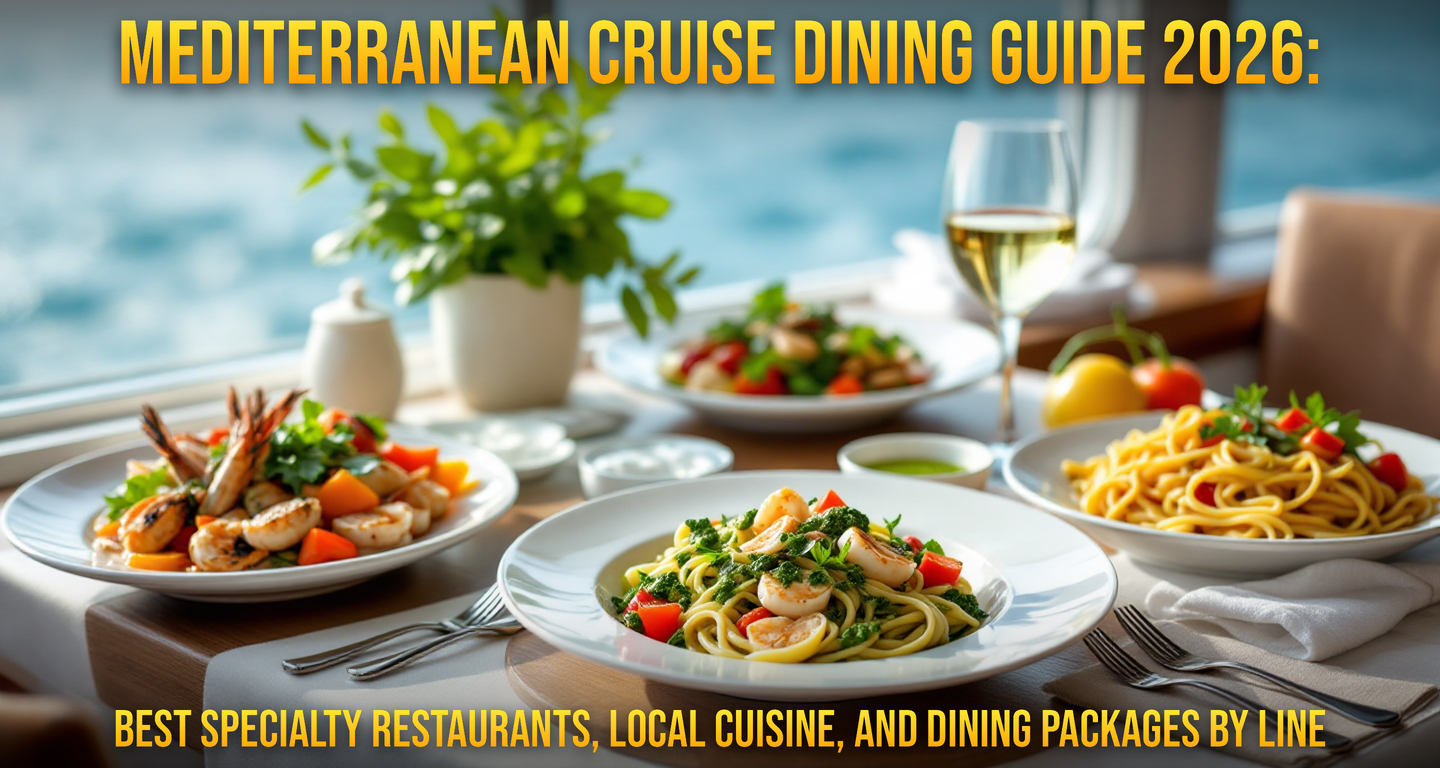
Mediterranean Cruise Dining Guide 2026: Best Specialty Restaurants, Local Cuisine, and Dining Packages by Line
If you're planning a Mediterranean cruise in 2026, you already know the ports are spectacular—but here's what really matters: the food experience onboard and ashore will make or break your trip. I've sailed the Mediterranean on 12+ cruises across every major line, and I can tell you that dining strategy changes everything when you're in Europe's most food-obsessed region.
The Mediterranean isn't like a Caribbean cruise where the main dining room is "fine enough." Your fellow passengers will be foodies, wine lovers, and people who've eaten at actual Michelin-starred restaurants in Rome and Barcelona. You'll want to match that energy—or at least understand what you're paying for.
Let me break down exactly which specialty restaurants are worth your money, which cruise lines nail the local cuisine experience, and how to work the dining packages to your advantage in 2026.
The Real Cost of Mediterranean Dining: What You'll Actually Spend
First, let's be honest about money. Your cruise fare includes the main dining room and buffet. That's your baseline. But if you want to experience real Mediterranean food—the kind that justifies cruising through Italy, Greece, and Spain—you're adding speciality restaurants on top.
In 2026, here's what you're looking at:
- Specialty restaurant covers: $32–$48 per person for dinner (varies by cruise line and ship age)
- Wine pairing add-ons: $28–$65 per person per dinner
- Beverage packages with dining: $69–$89 per person per day (some include specialty restaurants)
- À la carte main dining room upgrades: Usually complimentary, but some lines charge $15–$25 for premium entrées
Here's my insider take: if you're doing a 7-day Mediterranean cruise and plan to eat in specialty restaurants 3–4 nights, you're looking at an extra $400–$600 per person in food costs beyond your cruise fare. That's before you eat at actual restaurants in ports like Civitavecchia (Rome), Kusadasi (Ephesus), or Palma de Mallorca.
Royal Caribbean Mediterranean Dining: Your Best Value Play
I've sailed Royal Caribbean's Harmony of the Seas and Wonder of the Seas in the Mediterranean, and their dining program is genuinely competitive.
What comes free in your cruise fare:
- Main dining room (rotational dinners with different menus)
- Windjammer Marketplace (buffet)
- Solarium Bistro (casual lunch area)
- Park Café (soups and sandwiches)
Where to spend extra money:
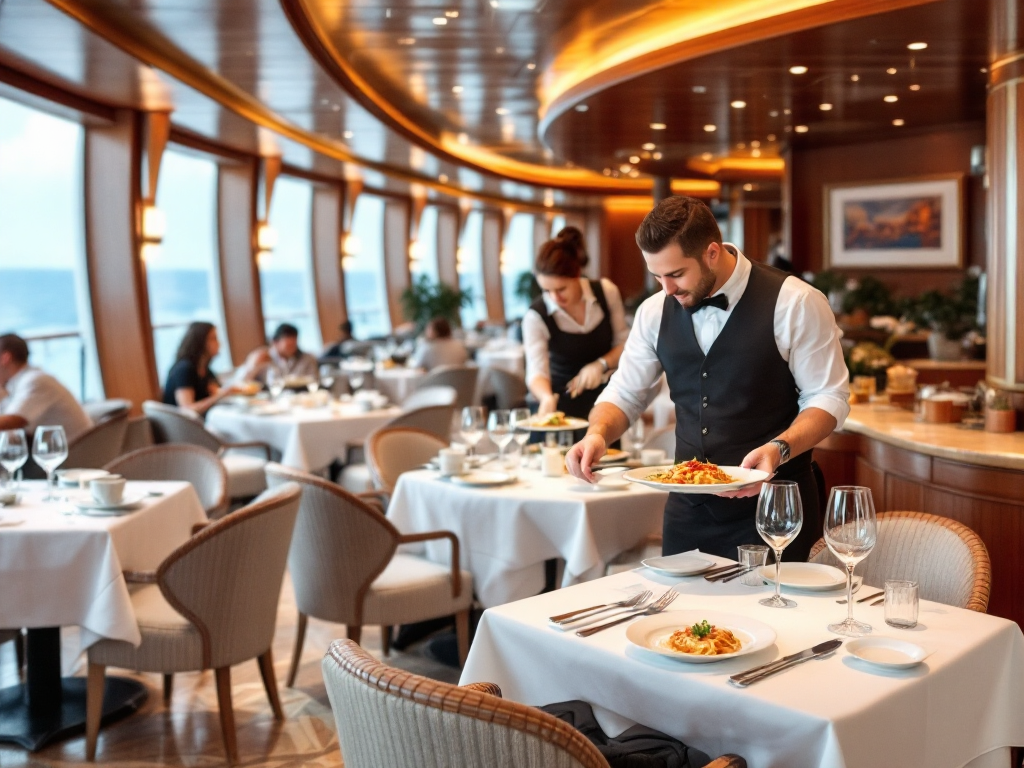
Royal Caribbean's specialty restaurants on Mediterranean ships are genuinely good. On both Harmony and Wonder, you get:
- Izumi (Japanese) — $32 per person. The sushi is legitimately fresh (they restock at major ports). Skip the teriyaki if you can get it elsewhere in port; the sashimi and nigiri are worth it.
- Chops Grille (steakhouse) — $42 per person. Filet mignon is aged perfectly. The sides are underseasoned, but the meat quality is genuinely high-end.
- Giovanni's Table (Italian) — $38 per person. This is where Royal Caribbean shines in the Mediterranean. The handmade pasta is legitimately good—not "good for a ship" but actually good. The seafood risotto is worth the surcharge.
- 150 Central (American grill) — $38 per person. Skip this one unless steakhouse is your only option; Chops Grille does it better.
Royal Caribbean's Dining Package in 2026: They offer a "Specialty Dining Package" for $69–$79 per person per day that includes one specialty restaurant per day plus select wine pairings. For a 7-day cruise, that's roughly $480–$550 per person. Honest take: This is only worth it if you're planning to eat specialty restaurants 5+ nights. If you're doing 3–4 nights, book à la carte.
Carnival's Mediterranean Fleet: Surprises in the Value Category
I'll be straight with you—Carnival gets unfairly trashed by cruise elitists. I sailed the Carnival Venezia (their brand-new ship specifically designed for Mediterranean itineraries) and was genuinely impressed by their food approach.
Carnival is leaning hard into local Mediterranean cuisine, which is smart strategy. They're not trying to out-fine-dine Royal Caribbean; they're trying to give you authentic regional food at competitive pricing.
What Carnival includes free:
- Main dining room
- Bonsai Sushi (surprisingly decent, no surcharge on Venezia)
- Lido Marketplace
- BlueIguana Tequila Bar & Grill (casual)
- Alchemy Bar (craft cocktails included if you have a beverage package)
Where Carnival added value for Mediterranean sailings:
On the Venezia specifically, they added:
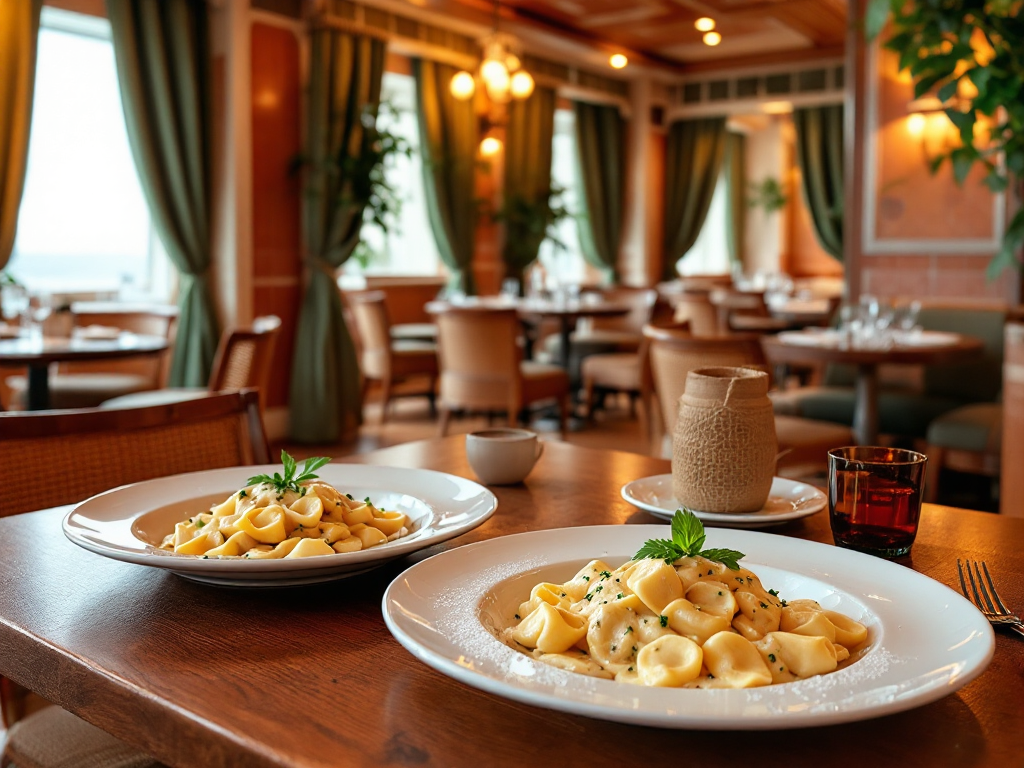
- Pasta Italiana — $18 per person. This is legitimately cheap for a specialty restaurant. The carbonara is creamy, proper guanciale (not bacon), and the portions are generous. Get this.
- Steakhouse — $32 per person. Mid-range quality for the price point.
- Mediterranean-themed nightly main dining room specials — included in your cruise fare. Carnival rotates regional menus (Italian week, Greek week, Spanish week). These are actually interesting and change daily.
Carnival's 2026 Beverage Package Advantage: If you purchase their beverage package ($69–$75 per person per day), specialty restaurants are discounted to $15–$20. This is where Carnival wins—their package pricing is aggressive. If you're a drinker and want flexibility with dining, Carnival's model might actually save you money versus Royal Caribbean.
Disney Cruise Line Mediterranean: Premium Pricing, Legitimate Quality
I've sailed Disney's Disney Wonder in the Mediterranean, and it's a completely different category. Disney's prices are higher, but the execution is genuinely premium.
Included in your fare:
- Rotational dining room (three different restaurants, you rotate nightly)
- Buffet
- Casual venues
- Character dining (breakfast)
Specialty restaurants worth the money:
- Palo (Italian fine dining) — $45 per person. This is legitimately the best restaurant on Disney's Mediterranean ships. The handmade pasta is exceptional, the service is white-glove, and the wine list is curated. Worth it.
- Remy (French fine dining) — $95 per person. This is Disney's highest-tier restaurant. Chef Thomas Keller's influence is evident. The tasting menu is 7 courses. This is a splurge, but if you love French food and have the budget, it's worth a night.
- Enchante (tapas) — $38 per person. Spanish small plates are perfect for Mediterranean cruising. The jamón ibérico is excellent quality.
The Disney reality check: Disney's base cruise fares in the Mediterranean are already 30–40% higher than competitors. When you add specialty dining, you're in ultra-premium territory. Disney works best if you're already committed to premium pricing; don't book Disney for budget dining.
MSC Cruises Mediterranean: European-Focused Dining You Should Know About
MSC is fundamentally European-run, and it shows in their dining philosophy. They're less "Americanized casual" and more "Europeans on holiday." I sailed the MSC Seashore in the Mediterranean and appreciated their approach.
Included dining:
- Main dining room
- Buffet
- Casual venues
- One visit per cruise to Eataly is complimentary for suite guests; $18–$25 for standard stateroom guests
Specialty restaurants worth paying for:
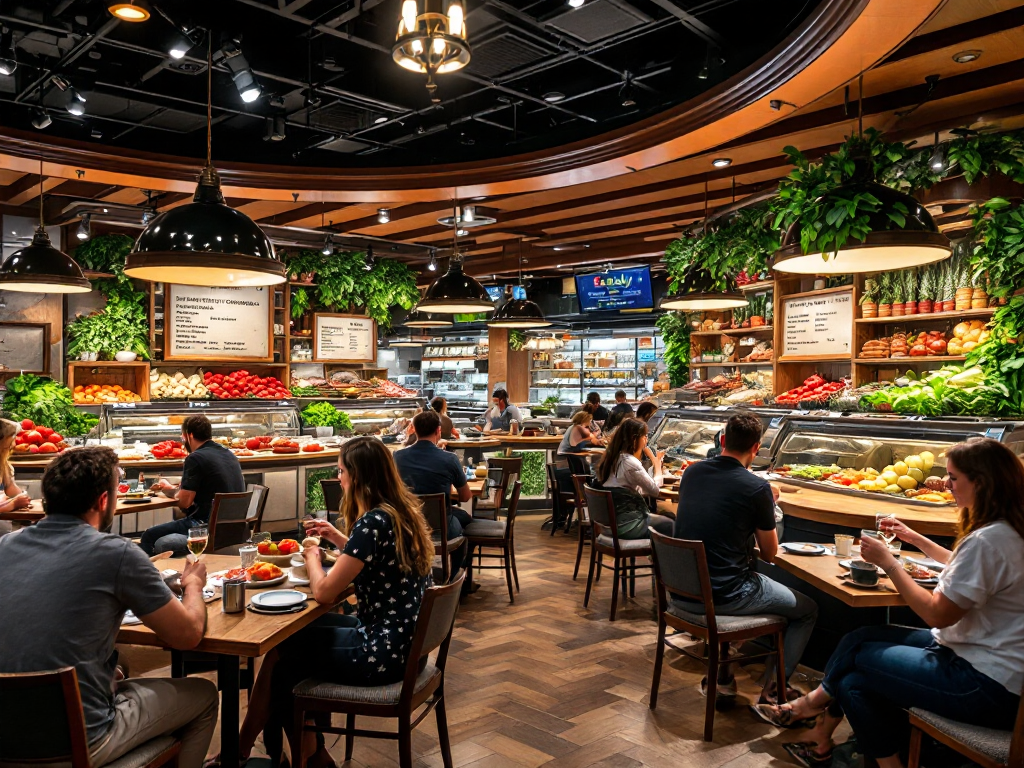
- Eataly — $18–$25 per person. This is MSC's answer to authentic Italian dining. Partnership with the famous Italian food collective. Real focus on regional Italian cuisine (not Americanized "Italian food"). The handmade pasta changes by region weekly.
- Sushi Bar — $22 per person. Better than you'd expect. MSC sources fresh ingredients at major Mediterranean ports.
- The Steakhouse — $32 per person. Mid-tier quality; not exceptional but solid.
MSC's advantage in 2026: They're releasing new "Regional Cuisine Weeks" throughout the season where the main dining room menu changes entirely based on your destination. If you sail during a Greek week (visiting Santorini and Mykonos), the MDR serves authentic Greek cuisine included in your fare. This is a genuinely clever addition.
Norwegian Cruise Line Mediterranean: Freestyle Dining That Works Here
Norwegian's "freestyle dining" model (where you can eat anywhere, anytime) actually works better in the Mediterranean than anywhere else because passengers tend to be older, less party-focused, and actually want sit-down dinners.
I sailed the Norwegian Prima on a Mediterranean itinerary and appreciated not being locked into dining time slots.
What you get:
- Main dining room (no assigned seating; you pick your time)
- Multiple casual venues
- Buffet
Specialty restaurants on Mediterranean ships:
- Cagney's Steakhouse — $42 per person. High-quality cuts, excellent sides.
- Le Bistro (French) — $40 per person. Surprisingly sophisticated wine pairings available ($45 more).
- La Cucina (Italian) — $32 per person. Handmade gnocchi and ravioli. Solid value.
- Teppanyaki — $38 per person. Interactive cooking show included; decent food quality.
Norwegian's beverage package strategy: Their "Unlimited Beverage Package" is $69–$75 per day and includes unlimited wine at all restaurants (including specialty venues). For a wine-loving Mediterranean cruiser, this might actually be the best value in the industry.
Cunard Mediterranean: Ultra-Premium for a Reason
If you're sailing Cunard's Queen Mary 2 or Queen Elizabeth in the Mediterranean, you're already in a different category (these ships cost significantly more). Here's what you need to know about their dining.
Included in your premium fare:
- Main dining room (assigned seating with dress codes—this is intentional)
- Buffet
- Specialty restaurants are mostly included or significantly discounted
- Wine is included on some fare types (check your booking)
Key Cunard restaurants in Mediterranean:
- Todd English (Mediterranean fine dining) — Usually complimentary or $25. Chef Todd English designed Mediterranean menus specifically for Cunard. This is genuinely high-end restaurant food at sea.
- Verandah (casual Mediterranean) — Complimentary. Daytime Mediterranean cuisine, perfect for lunch in port.
Real talk about Cunard: You're paying for the experience of cruise elegance, not just food. Dining is formal (tuxedos optional but expected for speciality restaurants). If that appeals to you, Cunard's Mediterranean itineraries are worth the premium. If you want relaxed casual dining, skip Cunard.
Local Mediterranean Cuisine Strategies: What to Eat Onboard vs. In Port
Here's the critical decision every Mediterranean cruiser faces: Should you eat fancy dinners in your ship's specialty restaurants, or save your money for actual restaurants in ports like Rome, Barcelona, and Athens?
My honest breakdown:
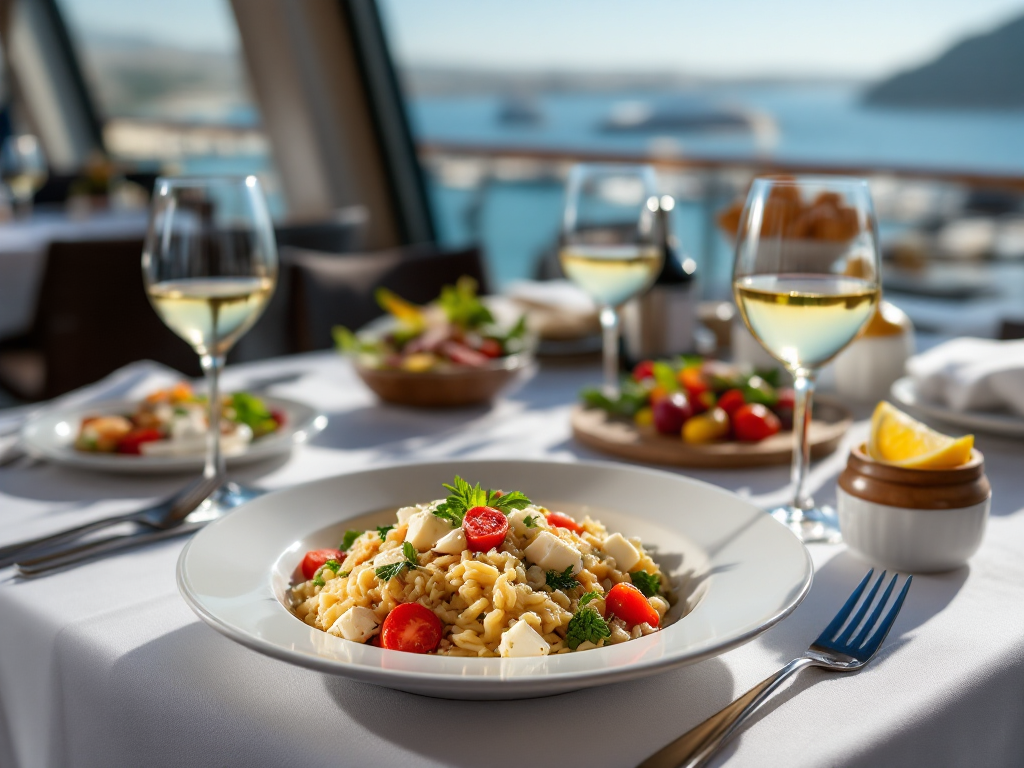
Eat onboard specialty restaurants for:
- Italian cuisine (handmade pasta, risotto, seafood). Ships with Italian-focused specialty restaurants genuinely nail this. You can't easily replicate this quality casual dining in Italian port cities—authentic places are either tourist traps or require advance reservations.
- French fine dining (if you're doing Remy or Todd English). You're paying for the chef's vision, not just ingredients. Worth the premium.
- Japanese/sushi. Ships source fresh fish at Mediterranean ports. Quality is legitimately high.
- Formal celebrations. If you're marking an anniversary or milestone, a specialty restaurant with service and ambiance is worth the money.
Skip onboard specialty restaurants and eat in port for:
- Spanish tapas (Barcelona, Palma). Authentic tapas bars in Spanish cities are cheaper than specialty restaurants and better quality.
- Greek food (Santorini, Mykonos, Athens). Waterfront tavernas are inexpensive and authentic. No ship can compete.
- Spanish paella (Valencia ports). Fresh seafood paella in its birthplace beats ship versions every time.
- Turkish cuisine (Kusadasi). Shore excursions to local restaurants in Ephesus towns are exceptional value.
- Casual pizza and pasta. Every Mediterranean port has excellent casual pizzerias. Don't pay specialty restaurant prices for this.
Pro tip I learned the hard way: Book specialty restaurants for your sea days and port days when you'll be dining onboard anyway. On days when you're exploring Rome or Athens, eat your main meal in port and have a light casual dinner onboard. You'll save money and get better food.
Dining Packages: Which Lines Offer Them and Whether They're Worth It
In 2026, almost every cruise line now offers some version of a dining package. Let me be specific about which ones actually pencil out:
Royal Caribbean's Specialty Dining Package
- Cost: $69–$79 per person per day
- Includes: One specialty restaurant per day, select wine pairings
- Worth it if: You're sailing 7+ days and want specialty restaurants 5+ nights. For shorter cruises or fewer specialty nights, book à la carte.
Disney's Dining Plan
- Cost: $399–$499 per person per week (varies by ship and season)
- Includes: Three meals per day (main dining room rotations, buffet, casual venues) — but NOT specialty restaurants
- Assessment: Disney's plan is all-inclusive dining for the included venues. If you're booking Disney (which already has premium pricing), the plan saves money versus ordering à la carte. Yes, it's worth it on Disney.
Carnival's Beverage + Dining Package
- Cost: $125–$150 per person per day (bundled)
- Includes: Unlimited drinks plus specialty restaurant discounts (15–40% off)
- Worth it if: You drink 3+ drinks daily AND plan to eat specialty restaurants 4+ nights. The math only works if you're using both benefits heavily.
Norwegian's Beverage Package (best for wine lovers)
- Cost: $69–$75 per person per day
- Includes: Unlimited beverages in all venues, including specialty restaurants
- Worth it if: You like wine and plan to order wine at dinners. For a 7-day cruise, this saves significant money versus ordering à la carte wine bottles ($40–$80 per bottle).
MSC's Beverage Package
- Cost: $65–$75 per person per day
- Includes: Drinks but specialty restaurants are still à la carte
- Assessment: Only worth it if you're a heavy drinker and not focused on specialty restaurants.
Mediterranean Regional Specialties: What to Prioritize by Itinerary
If your itinerary visits Italy heavily:
Focus on Italian specialty restaurants onboard. Book Italian fine dining (Palo on Disney, Giovanni's on Royal, Eataly on MSC, La Cucina on Norwegian). These compete with actual Italian restaurants in port. In port, skip the tourist pizzerias near the cruise dock and instead take a quick bus to local neighborhoods for authentic food. Civitavecchia (Rome port) has excellent local trattorias a 10-minute walk from the port.
If your itinerary visits Greece:
Eat in port. Greek food on ships is rarely exceptional. But authentic tavernas in Santorini, Mykonos, and Rhodes are cheap (€18–€35 per person for excellent food) and authentic. Save your specialty restaurant money for sea days.
If your itinerary visits Spain:
Tapas and paella in port are non-negotiable. Barcelona, Palma de Mallorca, and Seville all have exceptional tapas culture. Eat onboard only if you're staying on the ship (rare for Mediterranean itineraries). Spanish specialty restaurants on ships are usually underwhelming.
If your itinerary includes Turkey:
This is where shore excursions matter. Many ships offer culinary excursions to local restaurants in Kusadasi and Istanbul. These are legitimately worth booking. You'll eat better Turkish food (and pay less) than any ship-based specialty restaurant.
Beverage Strategy for Mediterranean Cruises: Wine Matters
The Mediterranean is wine country. If you care about wine, your beverage strategy changes everything.
Option 1: Bring your own wine
Most cruise lines allow you to bring one bottle of wine per person (5-ounce bottle) onboard free. It's usually stored in the dining room and served at meals. Cost: $0 if you buy wine in port cities. This is legitimately the cheapest option if you're willing to navigate the logistics.
Option 2: Purchase a beverage package
Norwegian's package ($69–$75 per day) is best for wine lovers because unlimited wine is included everywhere, including specialty restaurants. Royal Caribbean includes some wine pairings in their dining packages but limited selections. Disney includes wine in some higher-tier packages.
Option 3: Order à la carte
Wine by the glass in the main dining room runs $12–$18. Wine bottles run $40–$150. For a 7-day cruise with 5 dinners onboard, à la carte can quickly exceed $300. Only do this if you're drinking wine 1–2 nights total.
My recommendation for 2026: If you love wine and are cruising 7+ days, buy the beverage package on Norwegian. If you're cruising 5 days or less, bring wine onboard yourself (one bottle per person).
Hidden Gems: Specialty Restaurants Worth Seeking Out
Here are restaurants I've found that aren't the obvious choices but genuinely deliver:
- Royal Caribbean's Wonderland (on Harmony and Wonder) — $42 per person. This is a "whimsical" themed restaurant that sounds gimmicky. It's not. The food is legitimately good—creative small plates and excellent cocktails. Book this if you want something different from typical ship dining.
- Norwegian's Los Lobos (steakhouse) — $42 per person. Less famous than Cagney's but actually better quality. Smaller, more intimate dining.
- Disney's Palo Brunch — $35 per person. If you're on Disney, absolutely book this. Italian brunch with prosecco, fresh seafood, and handmade pasta. Better value than the dinner sitting.
- Carnival's Red Frog Pub — complimentary. Not technically a specialty restaurant, but their jerk chicken and Caribbean small plates on Mediterranean cruises are surprisingly good for included dining. This is where Carnival punches above its weight.
Practical Booking Tips for 2026
- Book specialty restaurants at embarkation or online in advance. Popular restaurants (especially on sea days) fill up. If you wait until onboard, slots are often full.
- Eat main dining room on port days. The menus are still good, and you'll want to explore port restaurants anyway.
- Prioritize Italian and French specialty restaurants in the Mediterranean. These are hardest to replicate in port cities.
- Skip steak houses onboard unless you have specific celebrations. Better steakhouses exist in most Mediterranean port cities at comparable or lower prices.
- If you're vegetarian or have dietary restrictions, eat in the main dining room instead of specialty restaurants. Ships still cook specialty restaurants in a "standard" way; main dining rooms are more flexible with dietary accommodations.
- Check your cruise line's 2026 menus online before booking. Cruise line websites post specialty restaurant menus. Read them. If nothing appeals, don't book.
The Honest Truth About Ship Dining vs. Port Dining
After 40+ cruises and eating in Mediterranean restaurants in 15+ port cities, here's what I've learned: Ship dining is best for consistency, convenience, and celebration. Port dining is best for authenticity, value, and local culture.
Don't expect ship specialty restaurants to compete with Michelin-starred restaurants in Rome or Barcelona. They won't. But ship specialty restaurants offer service, ambiance, and reliability that makes sense for a celebration night or a sea day when you want restaurant-quality food without leaving your ship.
The sweet spot: Book 3–4 specialty restaurant nights on sea days and days when you'll be exploring complex port cities (Rome, Athens). Eat in port on straightforward beach days (Crete, French Riviera). This balances cost, convenience, and authentic food experiences.
Ready to plan your Mediterranean cruise with specialist dining? Visit our Europe & Mediterranean forums to share your dining plans, ask questions about specific ships, and get recommendations from other Mediterranean cruisers. We've got 40+ years of combined Mediterranean sailing experience in that community.