

After 40+ cruises, I've learned that your dining strategy can make or break your cruise budget — and your vacation experience. The choice between main dining room meals and specialty restaurants isn't just about money; it's about maximizing your time, taste buds, and overall satisfaction at sea.
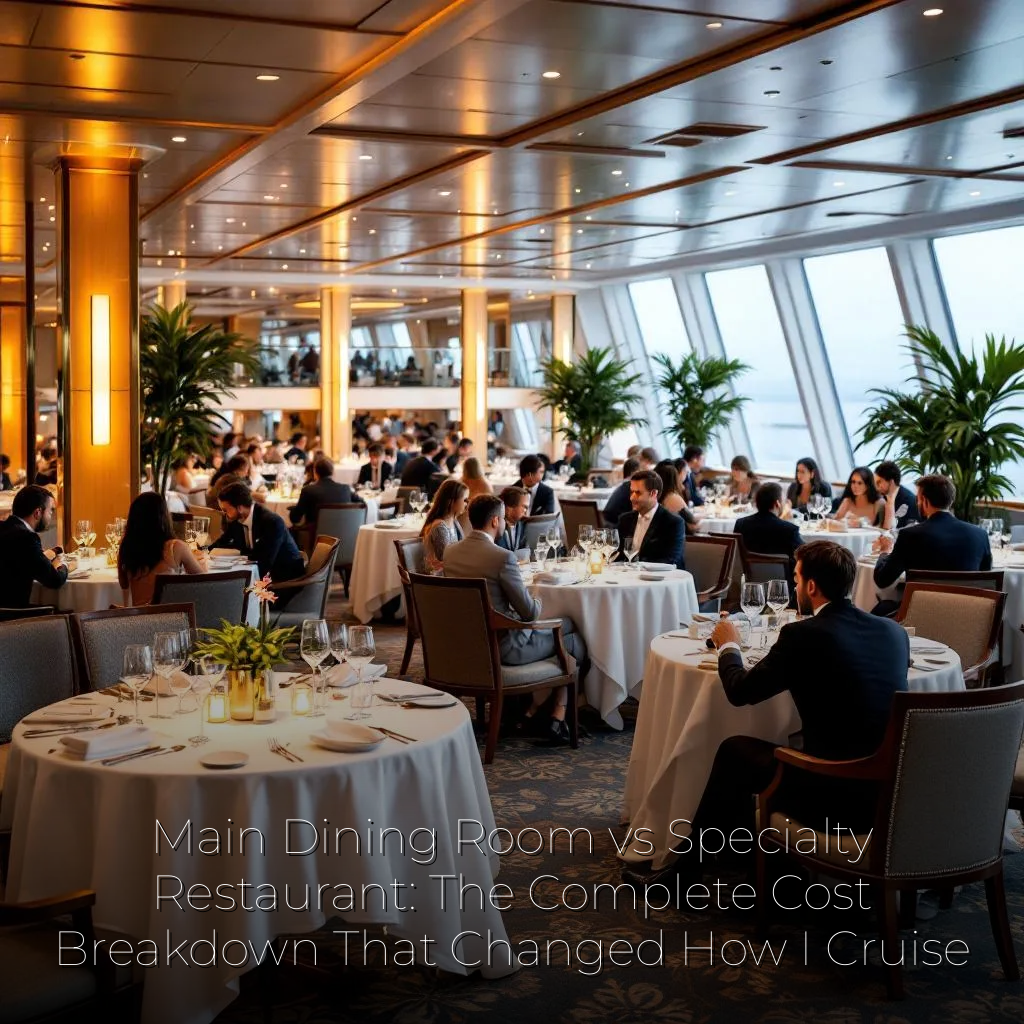
Let me break down the actual numbers you'll face when you step onboard. Main dining room meals are included in your cruise fare, but specialty restaurants range from $35 to $95 per person for dinner on most cruise lines.
Here's what I paid during my recent cruises:
The math gets interesting when you factor in dining packages. Royal Caribbean's specialty dining package costs around $65-75 per person per day, while Norwegian's ranges from $55-85 depending on the ship and itinerary.
Pro tip: Book specialty dining packages before you sail — onboard prices are typically 15-20% higher. I learned this the hard way on Wonder of the Seas when I paid $95 onboard for what would have been $75 pre-cruise.
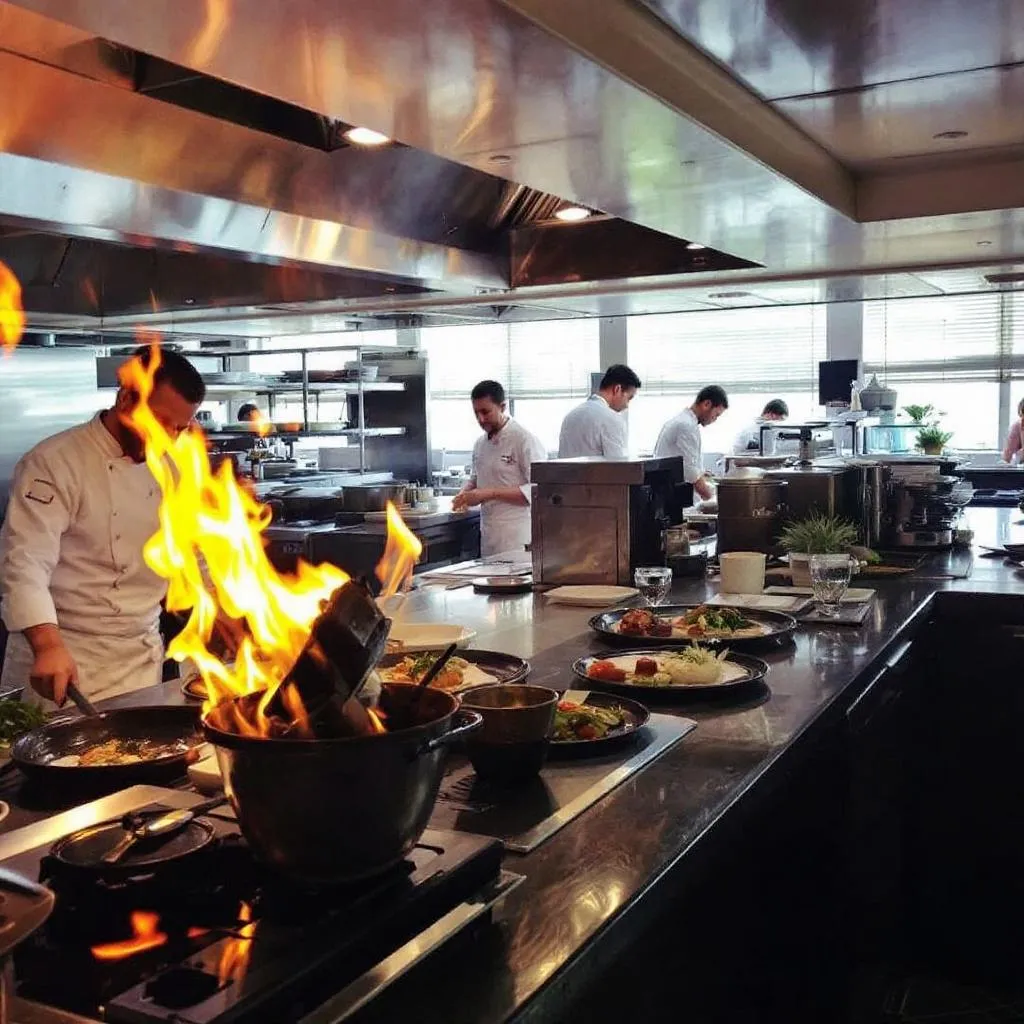
The main dining room gets unfairly dismissed by many cruisers, but I've had some genuinely excellent meals there. On Celebrity Edge's main dining room, the pan-seared halibut rivaled what I'd pay $40 for on land.
What works well:
The downsides:
My main dining room strategy: I always eat there at least 2-3 times per cruise, usually early seating (6 PM) or late seating (8:45 PM) to avoid crowds. The lobster tail nights and formal night menus are consistently excellent across all cruise lines.
The secret most cruisers don't know? You can often request off-menu items if you ask your server nicely. I've gotten perfectly cooked salmon when only beef and chicken were listed.
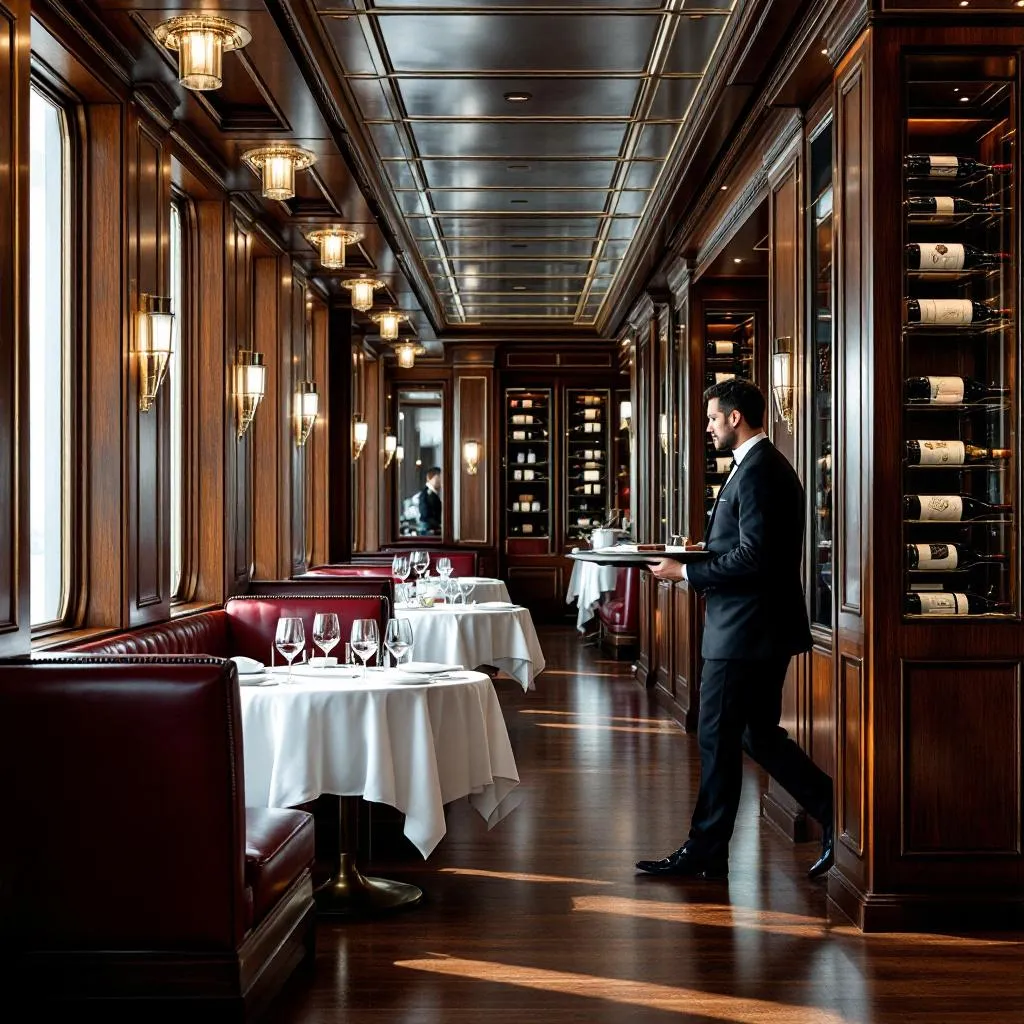
I've eaten at 60+ specialty restaurants across different cruise lines, and here's my honest assessment of where your money delivers the best experience:
Always worth it:
Hit or miss:
Skip these:
The biggest mistake I see cruisers make? Booking too many specialty dinners and missing the variety of included dining options.
Here's the booking strategy I've perfected over dozens of cruises:
For 7-day cruises:
For cruises 10+ days:
Booking timeline that works:
Don't forget about lunch! Specialty restaurant lunches cost $25-40 versus $55-85 for dinner, often with identical food quality. I've had amazing lunches at Chops Grille for $35 that would cost $65 at dinner.
Money-saving insider tip: Many specialty restaurants offer "lunch portions" of dinner entrees. Ask your server — I've gotten full-size steaks at lunch pricing on multiple occasions.
If you have food allergies, dietary restrictions, or specific preferences, your strategy should shift significantly.
Main dining room advantages:
Specialty restaurant considerations:
I always recommend meeting with the food services manager on embarkation day if you have serious allergies. They'll flag your reservations and ensure proper communication across all venues.
After trying every possible dining strategy, here's what works best for most cruisers:
For your first cruise: Stick to main dining room with maybe one specialty dinner. Learn the ropes before investing heavily in specialty dining.
For experienced cruisers: Mix it up! Plan 2-3 specialty meals on a 7-day cruise, focusing on cuisines you can't get as easily at home.
For special occasions: Splurge on the chef's table or wine pairing dinners — these are experiences, not just meals.
Remember, the best cruise dining strategy is the one that fits your budget, preferences, and travel style. I've had incredible $0 meals in main dining rooms and disappointing $85 specialty restaurant experiences.
The key is knowing what you're paying for and setting realistic expectations. Specialty restaurants excel at ambiance, service, and specialized cuisines. Main dining rooms provide variety, value, and the classic cruise experience.
The Real Cost of Main Dining Room vs Specialty Restaurants in 2026
Let me break down the actual numbers you'll face when you step onboard. Main dining room meals are included in your cruise fare, but specialty restaurants range from $35 to $95 per person for dinner on most cruise lines.
Here's what I paid during my recent cruises:
- Royal Caribbean: Chops Grille $65, Giovanni's Table $45, 150 Central Park $85
- Norwegian: Cagney's Steakhouse $55, Le Bistro $45, Teppanyaki $65
- Celebrity: Murano $75, Qsine $65, Tuscan Grille $55
- Carnival: Fahrenheit 555 $45, Cucina del Capitano $40, Teppanyaki $45
- MSC: Butcher's Cut $55, Kaito Teppanyaki $65, Ocean Cay $45
The math gets interesting when you factor in dining packages. Royal Caribbean's specialty dining package costs around $65-75 per person per day, while Norwegian's ranges from $55-85 depending on the ship and itinerary.
Pro tip: Book specialty dining packages before you sail — onboard prices are typically 15-20% higher. I learned this the hard way on Wonder of the Seas when I paid $95 onboard for what would have been $75 pre-cruise.
Main Dining Room: The Good, Bad, and Surprisingly Great
The main dining room gets unfairly dismissed by many cruisers, but I've had some genuinely excellent meals there. On Celebrity Edge's main dining room, the pan-seared halibut rivaled what I'd pay $40 for on land.
What works well:
- Consistent quality across most cruise lines
- Extensive menu options (usually 8-10 entrees nightly)
- Accommodates dietary restrictions better than specialty venues
- No time pressure — linger as long as you want
- Great for large groups and families
The downsides:
- Service can be rushed during peak times (7:30-8:30 PM)
- Noise levels get high with 400+ diners
- Limited wine selection compared to specialty venues
- Some dishes feel "mass-produced" despite good execution
My main dining room strategy: I always eat there at least 2-3 times per cruise, usually early seating (6 PM) or late seating (8:45 PM) to avoid crowds. The lobster tail nights and formal night menus are consistently excellent across all cruise lines.
The secret most cruisers don't know? You can often request off-menu items if you ask your server nicely. I've gotten perfectly cooked salmon when only beef and chicken were listed.
Specialty Restaurants: When the Splurge is Worth It (And When It's Not)
I've eaten at 60+ specialty restaurants across different cruise lines, and here's my honest assessment of where your money delivers the best experience:
Always worth it:
- Steakhouses: Chops Grille, Cagney's, and Fahrenheit 555 consistently deliver restaurant-quality beef
- Teppanyaki: Great entertainment value plus excellent food
- French fine dining: Murano on Celebrity and Le Bistro on Norwegian exceed expectations
Hit or miss:
- Italian restaurants: Giovanni's Table feels cafeteria-style, while Tuscan Grille delivers authentic flavors
- Sushi venues: Quality varies dramatically — excellent on Celebrity, mediocre on Carnival
- Mexican/Latin: Sabor on Norwegian impresses, but many others serve basic fare at premium prices
Skip these:
- Most "American casual" specialty venues — you're paying extra for what's already available
- Breakfast specialty dining (except room service) — main dining breakfast is usually excellent
- Dessert-only venues unless it's your anniversary or special celebration
The biggest mistake I see cruisers make? Booking too many specialty dinners and missing the variety of included dining options.
Booking Strategy: How to Maximize Value and Minimize Regret
Here's the booking strategy I've perfected over dozens of cruises:
For 7-day cruises:
- Book 2-3 specialty dinners maximum
- Choose one steakhouse and one ethnic cuisine
- Save one specialty meal for your last night
- Use main dining room for formal nights (the menus are always elevated)
For cruises 10+ days:
- Consider the dining package if you plan 5+ specialty meals
- Mix and match — don't eat specialty every night
- Try lunch at specialty venues (often half the price)
- Book popular restaurants (Wonderland, Teppanyaki) immediately when reservations open
Booking timeline that works:
- 90 days before: Book dining packages if you're getting them
- 75 days before: Make individual restaurant reservations
- 30 days before: Check for any dropped reservations you wanted
- Embarkation day: Walk to guest services for any last-minute availability
Don't forget about lunch! Specialty restaurant lunches cost $25-40 versus $55-85 for dinner, often with identical food quality. I've had amazing lunches at Chops Grille for $35 that would cost $65 at dinner.
Money-saving insider tip: Many specialty restaurants offer "lunch portions" of dinner entrees. Ask your server — I've gotten full-size steaks at lunch pricing on multiple occasions.
Special Dietary Needs: Where Each Option Shines
If you have food allergies, dietary restrictions, or specific preferences, your strategy should shift significantly.
Main dining room advantages:
- Dedicated gluten-free and vegan menus on most ships
- Kitchen staff trained on allergen protocols
- Consistent availability of simple, safe options
- Easy to modify dishes (sauce on side, different preparation)
Specialty restaurant considerations:
- Smaller kitchens may have more cross-contamination risk
- Limited menu modifications possible
- Higher-end venues often accommodate special requests better
- Ethnic restaurants may be challenging for certain dietary needs
I always recommend meeting with the food services manager on embarkation day if you have serious allergies. They'll flag your reservations and ensure proper communication across all venues.
My Final Recommendation: The Balanced Approach
After trying every possible dining strategy, here's what works best for most cruisers:
For your first cruise: Stick to main dining room with maybe one specialty dinner. Learn the ropes before investing heavily in specialty dining.
For experienced cruisers: Mix it up! Plan 2-3 specialty meals on a 7-day cruise, focusing on cuisines you can't get as easily at home.
For special occasions: Splurge on the chef's table or wine pairing dinners — these are experiences, not just meals.
Remember, the best cruise dining strategy is the one that fits your budget, preferences, and travel style. I've had incredible $0 meals in main dining rooms and disappointing $85 specialty restaurant experiences.
The key is knowing what you're paying for and setting realistic expectations. Specialty restaurants excel at ambiance, service, and specialized cuisines. Main dining rooms provide variety, value, and the classic cruise experience.