

Sofia_Reyes
Moderator
The Main Dining Room Problem Nobody Talks About
Let me be straight with you: after 40+ cruises, I've had incredible main dining room experiences and absolutely frustrating ones. The difference? Usually it comes down to knowing what to expect, how the system actually works, and when to speak up.
The main dining room is still the heart of cruising. It's where you meet your server team, where the kitchen shows what it can do, and where memories happen. But it's also where things go wrong more often than they should in 2026.
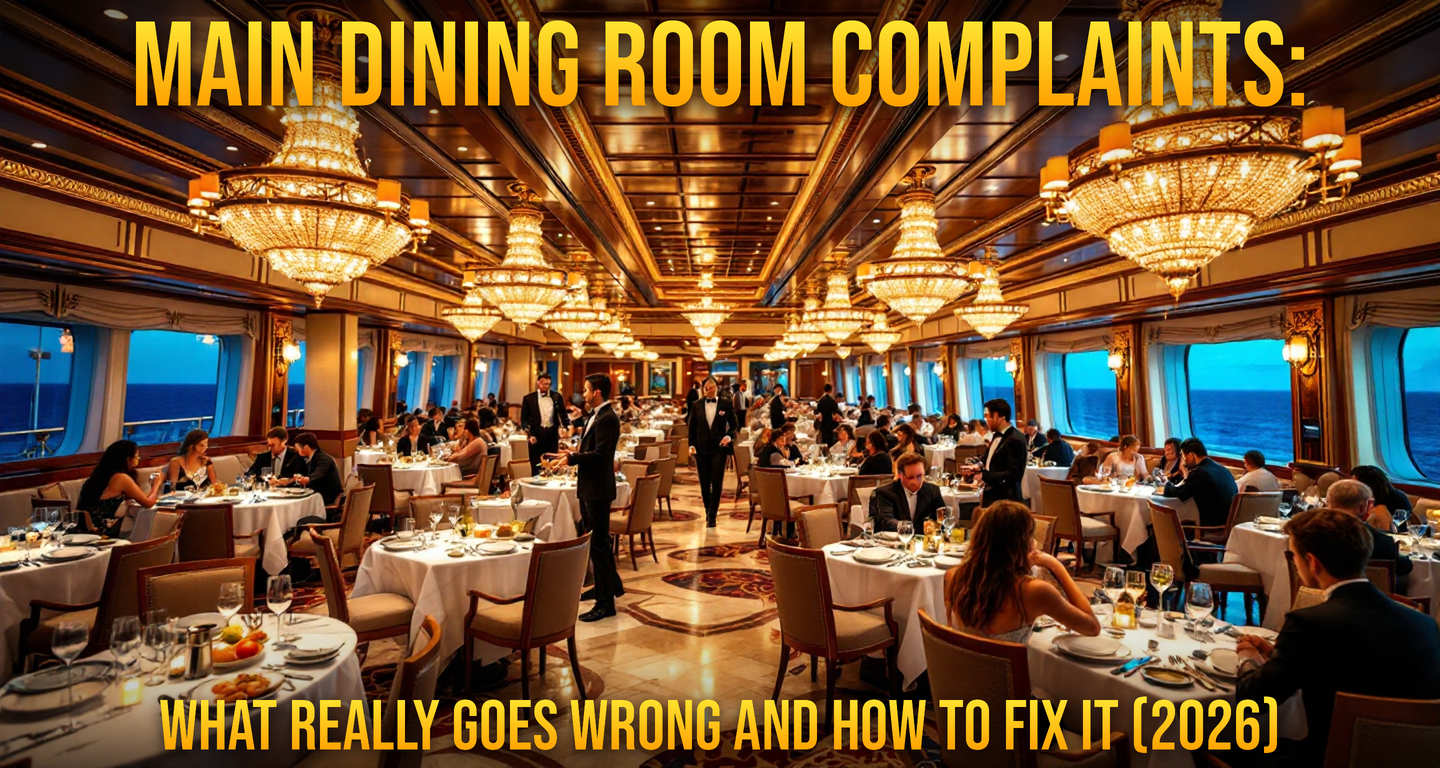
The Big Three Complaints (And Why They Happen)
1. Glacial Wait Times Between Courses
You're sitting there, your appetizer plate cleared, and... nothing. Five minutes. Ten minutes. Your tablemates are finishing their bread, and you're still waiting for the soup course.
Here's what's actually happening: On a Royal Caribbean Oasis-class ship, the main dining room seats around 1,600 people per seating. The kitchen isn't staging courses for individual tables — it's timing thousands of plates simultaneously. When you have a full dining room on formal night, even a 10-minute delay means the kitchen is probably backed up by 200+ plates.
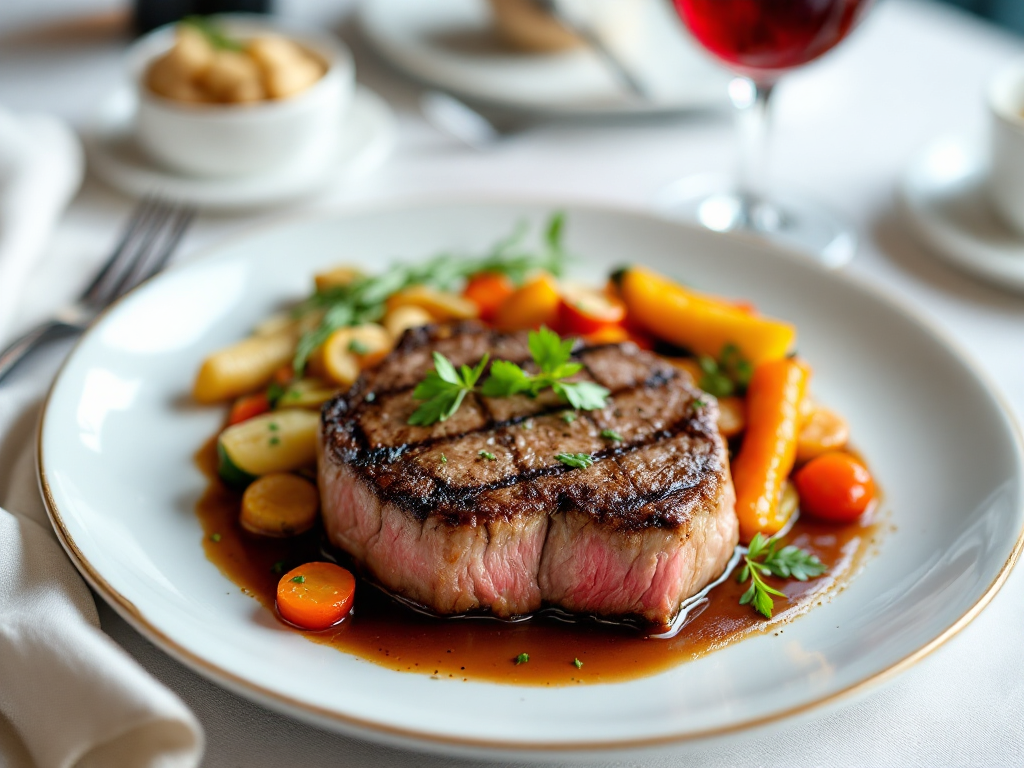
The real culprits:
- Understaffing during peak season — The server team might be short-staffed, meaning fewer hands clearing plates and communicating with the kitchen
- Kitchen bottlenecks — A single large order (say, 40 steaks) can create a domino effect for every other table waiting for their proteins
- Poor course pacing on the server's part — Some servers don't communicate readiness signals to the kitchen efficiently
- Specialty diet requests — If multiple tables ordered gluten-free or vegan mains, the kitchen handles these separately, which adds time
What you can actually do about it:
On night one, mention to your server: "We love a relaxed dinner, but we do prefer the courses to keep moving. Is that something you can help us with?" This signals your preference without blaming anyone. Most servers will absolutely adjust their pacing.
If the wait is genuinely excessive (we're talking 20+ minutes between courses), politely flag your server: "We haven't seen our main course yet. Can you check with the kitchen?" Don't be angry — be curious and collaborative. Your server usually isn't the one holding up the food.
The honest truth: Some nights, the dining room is just slammed. Formal night on a Caribbean cruise in peak season? Every table wants a full five-course experience. The kitchen does the best it can, but you might wait. If you're someone who hates waiting, book Specialty Dining restaurants instead — they're smaller, quieter, and faster.
2. Inconsistent Food Quality and Cold Plates
You ordered the same filet mignon two nights in a row. Night one? Perfectly cooked, tender, hot. Night two? Tough, underseasoned, and lukewarm.
This one genuinely frustrates me because the kitchen has the capability to be consistent.
Why it happens:
- Different kitchen shifts — The night executive chef oversees dinner, but different sous chefs and line cooks work different nights. Quality varies person to person
- High volume during sea days — Formal nights draw way more diners than casual sea days. The kitchen is cooking for 1,000+ people instead of 400. Mistakes multiply
- Plate temperature negligence — Hot plates should come out of the warmer at 160°F+. Some crew members don't maintain this standard, especially during rush times
- Ingredient inconsistency — Beef quality can vary week to week depending on sourcing and storage
- Server timing issues — If your server took 8 minutes to carry your plate from the kitchen to your table, it's cold. That's on them
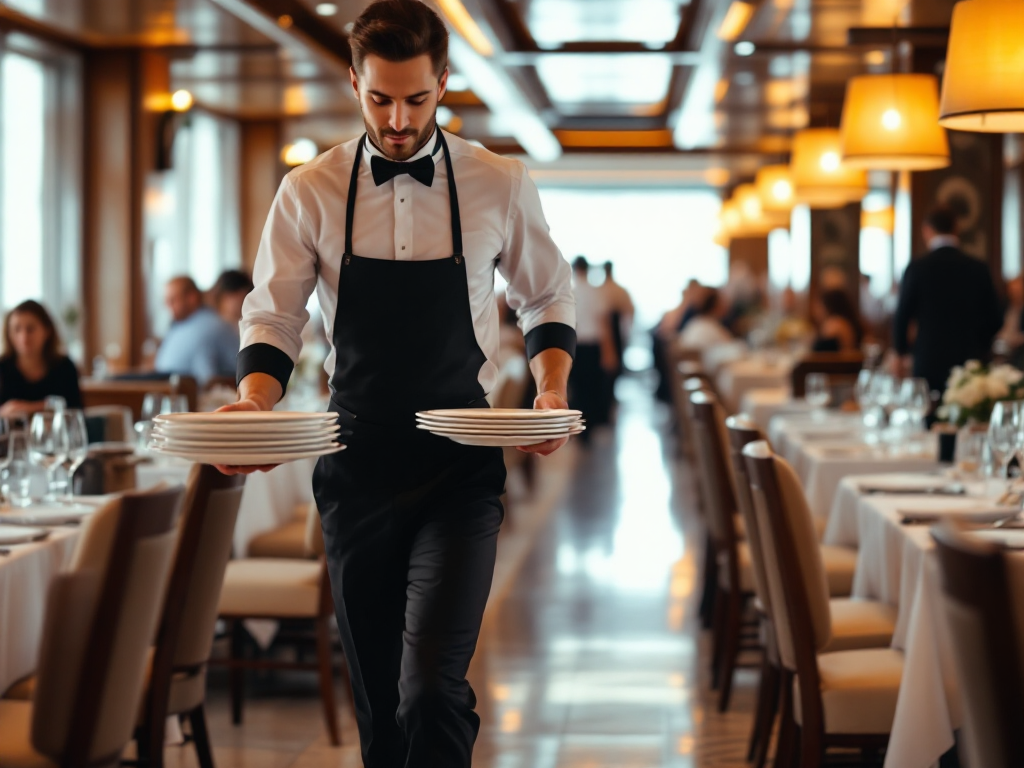
How to handle cold plates:
Don't just sit there and eat it. Politely flag it immediately. Say: "I'm sorry to bother you, but this plate came out cold. Can I get a replacement from the kitchen? I'd love it if you could ask them to warm it extra."
A good server will not take this as criticism of them — they'll see it as useful feedback. They'll hand-carry your replacement plate and let the kitchen know what happened. You'll often get a better dish the second time because the chef is paying attention.
If the food tastes off (tough, oversalted, or just poorly prepared), be honest with your server. "This steak is a bit tough tonight. I'm wondering if we could try the lamb instead?" Most dining room managers will comp you a different entrée to make it right.
The insider move: If you're cruising during a busy week (spring break, holiday week, peak summer), book the alternative dining venues. The specialty restaurants on ships like Norwegian Epic, Celebrity Eclipse, and Disney Wish have smaller covers, more control, and better quality consistency. Yes, you pay extra ($15–$35 per person), but you're not gambling on the main dining room lottery.
3. Poor Server Attentiveness and Forgetting Orders
Your server seems friendly enough at first, but by night three, they're nowhere to be found. Water glasses empty. Bread basket gone. You're trying to get their attention for 10 minutes to order dessert.
This is a systemic problem in 2026 cruise staffing, and I'm going to be honest: it's often not the server's fault.
Why:
- Each server manages 8–12 tables — That's potentially 30–50 people. On formal night when everyone orders three-course meals, that's a massive workload
- Thin operating margins — Cruise lines want to maximize profit, which means minimal staffing levels. Your server might also be training a new crew member, which divides their attention
- High turnover — The dining staff rotates contracts frequently. A server might be on their second week, still learning the ship's system
- Language barriers — Many dining staff are international crew members who speak English well but might miss subtle cues or special requests
- Tech system failures — Orders logged into the antiquated computer system sometimes don't reach the kitchen. Servers get blamed; the system failed
Here's what actually improves the experience:
Build rapport on night one. Learn your server's name. Make eye contact. Say please and thank you. Servers who feel respected will move mountains for you. They'll remember your drink preference, check on you proactively, and solve problems before they escalate.
Be proactive, not reactive. Don't wait until your glass is bone dry to flag them down. Catch them between courses: "We're ready for the next course whenever you are." This keeps them on your timeline instead of you chasing them.
Accept that some nights will be slow. If you see the dining room is packed and your server is visibly overwhelmed, adjust your expectations. You're not going to get five-star service when the system is stretched thin. Order simpler dishes (fewer special requests = faster kitchen times), be patient, and appreciate the effort.
When Service Gets Actually Bad (And What You Can Do)
There's a difference between slow and bad.
Slow = full dining room, backed-up kitchen, but everyone's trying.
Bad = rude server, forgotten orders, ignored requests, or neglect that impacts your entire cruise.
If you experience genuinely poor service:
Step 1: Give your server one clear chance to fix it. Don't assume incompetence on night one. Tell them directly: "I've noticed our courses are taking a long time. Can we adjust the pacing?" or "Our water hasn't been refilled in a while. Can you help us out?"
Step 2: If nothing changes, escalate to the dining room manager. Don't complain to your server's manager in front of the server. Wait until after dinner, catch the manager alone, and describe the issue calmly: "We'd like to request a different server for the rest of our cruise. Here's what happened..."
Step 3: If the dining room manager is dismissive, contact Guest Services. They have authority to move you to a different dining room, assign you a new server, or offer compensation.
Step 4: Document everything. Write it down — dates, times, what happened. If you're owed compensation (free dining package credit, cabin credit, etc.), you'll need specifics.
Never expect the server to be fired or severely punished. Cruise lines rarely make personnel changes mid-voyage. What you can expect is to be reassigned, have your experience improved, and potentially receive a credit to your onboard account.
Report serious issues to the CruiseVoices complaints forum — this community has helped thousands of cruisers navigate resolution processes.
The Specialty Dining Alternative
If main dining room dining has been disappointing on your past cruises, 2026 is actually a great year to try specialty restaurants. Prices have stabilized, and quality has improved across the board.
What you're paying for:
- Smaller covers (maximum 60–100 people vs. 1,600)
- Dedicated kitchen staff and executive chef attention
- Better ingredient sourcing and menu planning
- Faster service with fewer wait times
- Quieter, more intimate atmosphere
Typical costs in 2026:
- Royal Caribbean — $15–$30 per person per meal (Izumi, Giovanni's Table, Speciality Dining packages available)
- Celebrity — $20–$35 per person (Luminae suites-only, Tuscan Grill, Murano)
- Disney — $15–$25 per person (Remy, Enchante, Palo)
- Norwegian — $15–$25 per person, or include 1–2 specialty meals in a package
- Carnival — $15–$20 per person or bundled packages ($45–$99 for multiple meals)
Red Flags Before You Book (And Ship-Specific Tips)
On Royal Caribbean Oasis-class ships (Wonder, Harmony, Icon, Utopia):
These mega-ships have two main dining rooms (deck 5 and deck 8). Request assignment to the smaller one if possible — fewer covers, slightly shorter waits, less chaos.
On Carnival:
Main dining quality is hit-or-miss depending on ship age and kitchen staff. Newer ships (Mardi Gras, Firenze, Jubilee) have better kitchens and more consistent food. Older ships (Fascination, Imagination) struggle with cold plates and inconsistent preparation. If you're booking an older Carnival ship, budget for specialty dining or accept potential dining room limitations.
On Princess:
Princess dining rooms are generally reliable, but service pacing varies. Request a traditional assigned table (8:15 p.m. or 8:30 p.m. seating) instead of the "flexible dining" option — you're more likely to get consistent server attention.
On Disney:
Don't expect gourmet cuisine in the main dining room. Disney prioritizes family-friendly portions over culinary excellence. Service is usually excellent. Food is predictable and adequate. This is fine if you're managing expectations.
On Celebrity:
Main dining is solid across the fleet. Service is professional. Food quality is above-average for the main dining room. If you're booking Celebrity, the main dining experience is usually worth doing.
Your Action Plan Moving Forward
- Night one: Introduce yourself to your server, mention your dining preferences, build rapport
- Cold or wrong food: Flag it immediately and politely. Request a replacement without attitude
- Slow service: Be proactive. Signal readiness between courses. Accept that peak nights will be slower
- Consistently bad service: Escalate to the dining room manager by night two or three, not night seven
- If main dining has disappointed you before: Try specialty restaurants in 2026 — the value and quality have improved
The main dining room doesn't have to be a gamble. Set expectations, communicate clearly, and be kind to your service team. You'll have better experiences, and they'll take care of you.
Share your dining room wins and complaints in the CruiseVoices complaints and resolutions community — thousands of cruisers are eager to help you troubleshoot and find solutions.