

Chloe_Banks
Moderator
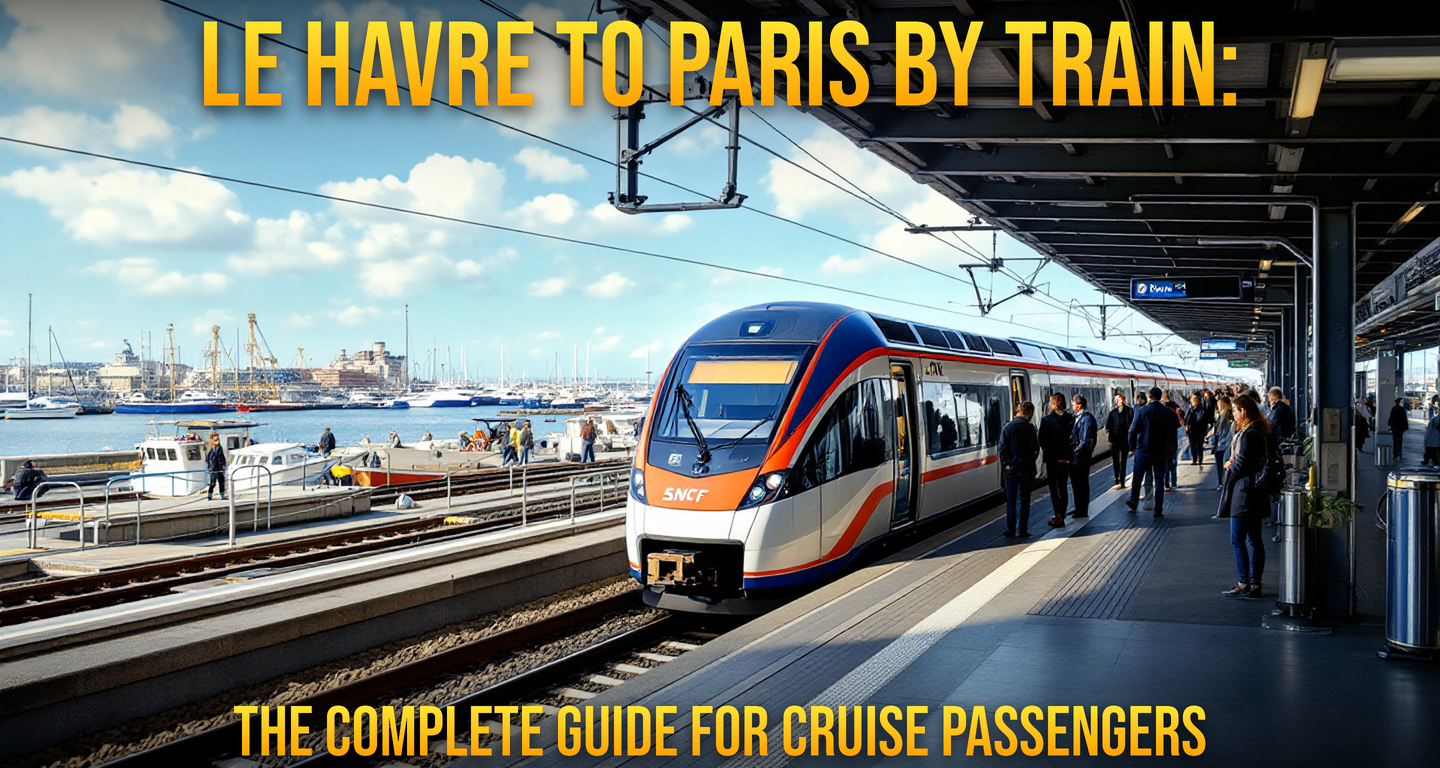
Le Havre to Paris by Train: The Complete Guide for Cruise Passengers
If you're sailing into Le Havre on a European cruise — whether it's Cunard's Queen Mary 2, Celebrity Cruises, or a Transatlantic itinerary — you're already thinking about Paris, aren't you? Most cruise passengers who dock here want to experience the City of Light, and the good news is that getting from your ship to the Eiffel Tower is straightforward, affordable, and surprisingly pleasant. I've done this journey five times now, and I'm going to walk you through exactly what you need to know.
Why Le Havre Matters for Paris Cruisers
Le Havre is technically 125 miles (200 kilometers) northwest of Paris. It's France's largest port on the English Channel, and it's where many transatlantic cruises dock. Unlike smaller ports where shore excursions might be your only option, Le Havre gives you real independence — you can absolutely make Paris work on your own terms, save money, and have a genuine adventure.
Here's what cruise lines typically offer: organized shore excursions to Paris cost $189–$349 per person (2026 prices), include a 3–4 hour bus ride each way, and lock you into a rigid schedule. The train? About $30–$50 round-trip, takes roughly 2 hours each direction, and puts you in control of your time.
The Train Basics: SNCF and Your Options
France's national railway is SNCF (Société Nationale des Chemins de fer Français). The route you'll take is Le Havre to Paris Saint-Lazare, and it's one of the most reliable train connections in Europe. Here's what you're actually getting:
- Direct trains run hourly — roughly every 60–90 minutes from early morning to evening
- Journey time: 2 hours to 2 hours 15 minutes — dead reliable, no delays typical
- Cost: €25–€55 ($27–$60 USD) round-trip depending on how early you book and which train class you choose
- Standard 2nd class is completely comfortable — you get a reserved seat, power outlets, and a café car with decent coffee and sandwiches
- 1st class exists but isn't worth it for a 2-hour journey; save your money for a fancy dinner in Paris instead
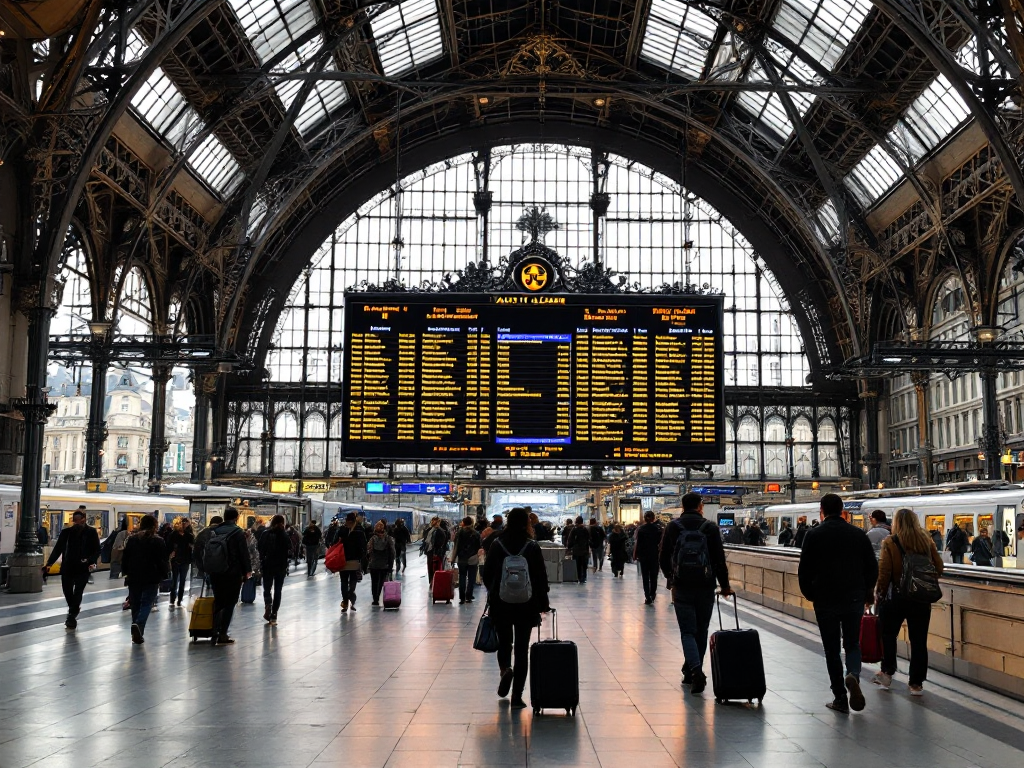
The Paris Saint-Lazare station is centrally located in the 8th arrondissement, within walking distance of the Champs-Élysées, Opéra Garnier, and excellent Metro connections to every neighborhood.
Getting From Your Ship to Le Havre Train Station
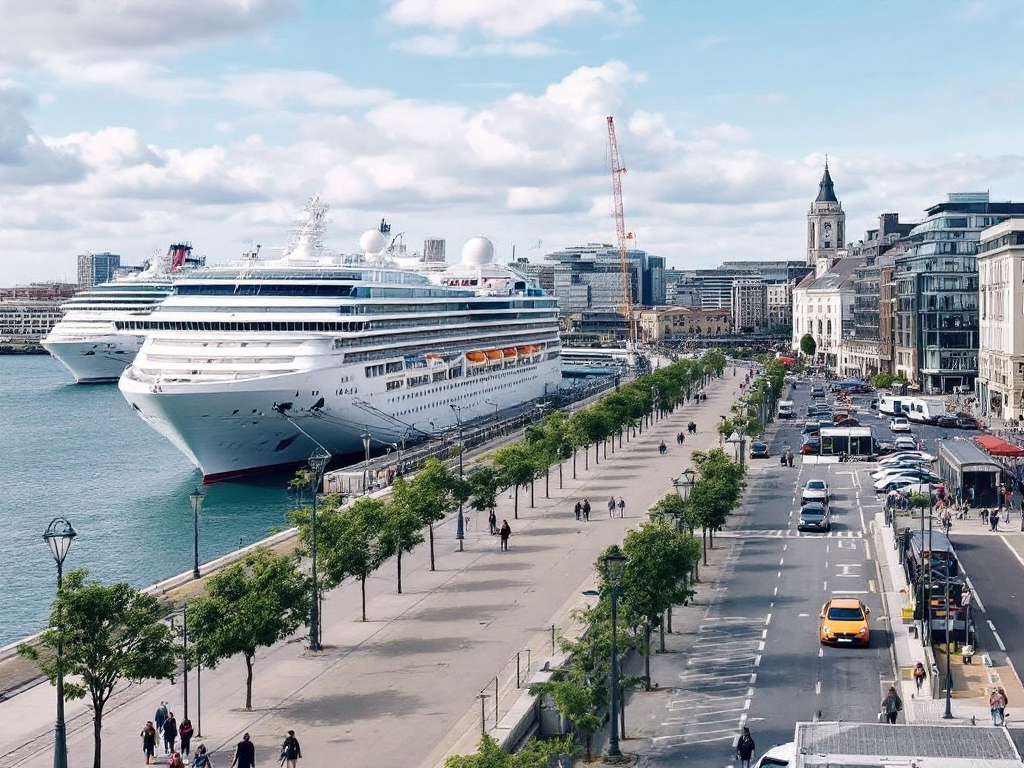
This is where you need to pay attention. Your cruise ship docks at the Port of Le Havre, and the train station is about 1.2 miles (2 kilometers) away. You have three realistic options:
Option 1: Walk (Free, 20–25 minutes)
Honestly? I do this every time. Exit the port, turn left toward the city center, and follow signs to "Gare SNCF" (the train station). The walk is flat, safe, and takes you through Le Havre's harbor district. You'll pass the modern Volcan cultural center and see the rebuilt city center (Le Havre was heavily bombed in WWII and was beautifully reconstructed). Wear comfortable shoes, bring water, and give yourself 30 minutes to be safe.
Option 2: Taxi or Rideshare (€10–€15/$11–$16 USD)
You can book an Uber at the port or find a taxi stand. This is convenient if you're traveling with elderly people, have heavy bags, or want zero stress. The ride takes about 10 minutes, depending on traffic.
Option 3: Ship's Shuttle (Variable pricing)
Some cruise lines offer shuttle buses to the station. Check your onboard daily or ask at the guest services desk. Cost is typically $15–$25 per person round-trip, which isn't terrible but beats the ship's organized shore excursions.
Booking Your Train Tickets: Do It Now
Here's my insider move: book your tickets online at least 1–2 weeks before your cruise through the SNCF website (sncf-connect.com). Early bookings often drop to €25–€35 ($27–$38 USD) per person round-trip. If you wait until the morning of your cruise, you'll pay closer to €45–€55 ($49–$60 USD).
When booking:
- Select "Le Havre" as your departure station and "Paris Saint-Lazare" as your destination
- Pick a morning departure (8:00 AM–10:30 AM) — this gives you 6–7 hours in Paris before you need to return
- Book a return train around 4:00 PM–5:00 PM to be safely back at the port by 6:30–7:00 PM
- Choose "TER" or "Intercités" trains (not high-speed TGAV, which takes the same time and costs more)
- You'll receive a confirmation email with a booking reference; save this to your phone
Can you buy tickets day-of at the station? Yes. But you risk sold-out trains during peak season (June–August 2026), and you'll pay more. Not worth the gamble.
What to Actually Do in Paris in 6–7 Hours
Let's be real: you won't see all of Paris. But you can see enough to feel like you had a genuine Paris experience. Here's my tested itinerary:
Arrival at Paris Saint-Lazare (around 10:15 AM)
Exit the station and head straight to the nearest Metro entrance. Buy a carnet (10 Metro tickets) for €16.90 ($18 USD). A single journey is €2.35 ($2.50 USD), so the carnet saves you money if you take more than 7 trips.
Best Quick Itinerary:
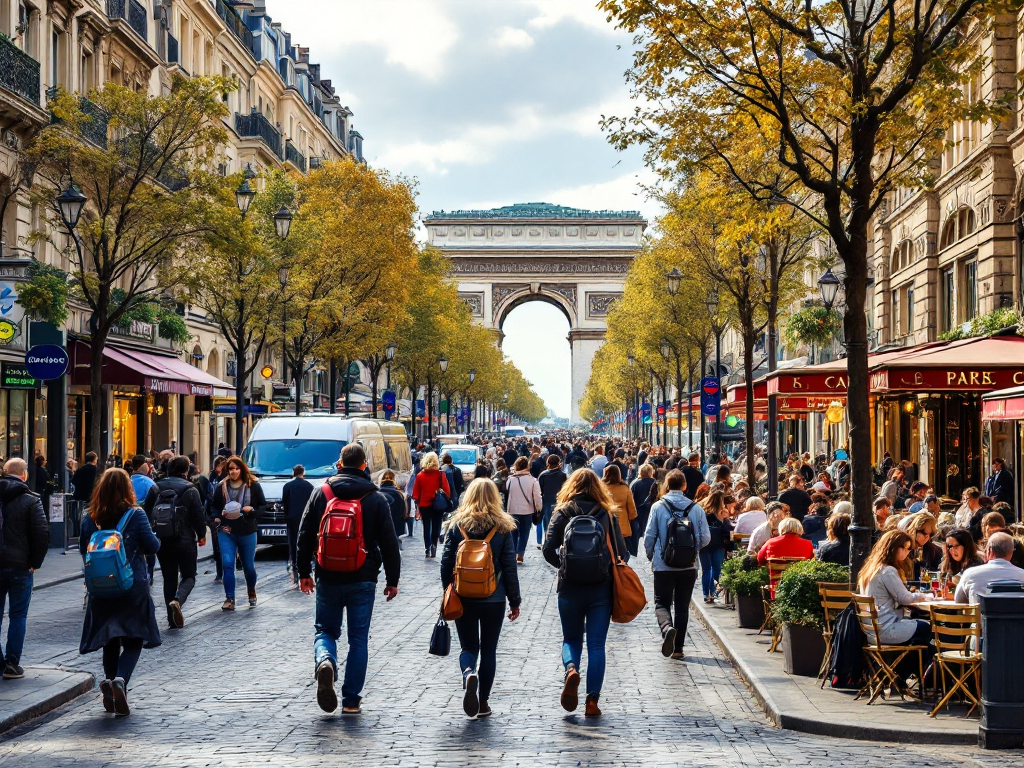
- Walk the Champs-Élysées — it's 3 blocks from Saint-Lazare. Free, iconic, takes 30 minutes. Grab coffee at a café and people-watch.
- Arc de Triomphe — 10-minute walk from the top of the Champs-Élysées. Entrance is €13 ($14 USD). Climb to the top (no elevator) for breathtaking city views. Takes 45 minutes total.
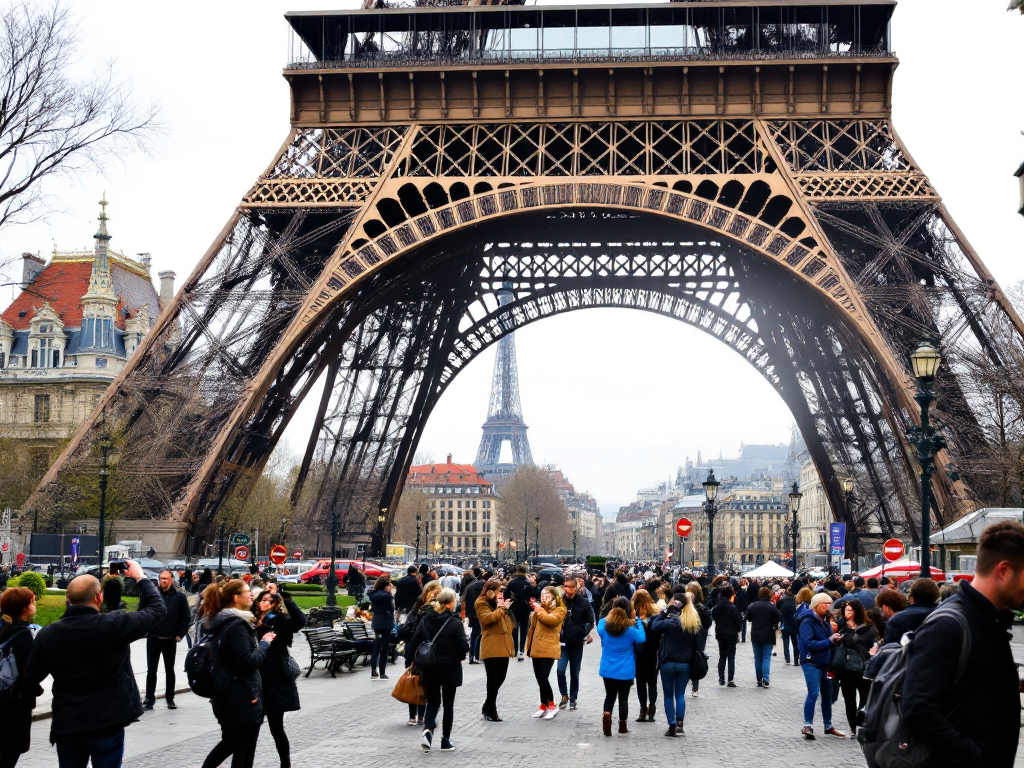
- Eiffel Tower area — Take Metro Line 1 (or walk 20 minutes). You can't go inside and back in time, but standing underneath it, having lunch at a café in the Trocadéro neighborhood, and taking photos is absolutely doable. Budget 90 minutes.
- Seine River walk — Return toward central Paris via the riverside. Free, beautiful, and peaceful.
- Notre-Dame exterior — If you want one "major" stop, the cathedral is stunning (note: interior is currently being restored but should reopen in 2026 — check current status before your trip). Free to view outside, 30 minutes.
Realistic timeline:
- 10:15 AM — Arrive at Saint-Lazare
- 10:30 AM–11:15 AM — Champs-Élysées walk
- 11:15 AM–12:30 PM — Arc de Triomphe
- 12:30 PM–2:00 PM — Lunch and Eiffel Tower area
- 2:00 PM–3:30 PM — Seine walk or museum (if interested)
- 3:30 PM — Head to station for 4:00 PM or 4:30 PM train
My real advice? Pick two things, do them well, eat a good meal, and enjoy the moment. Cruise travel is about the experience, not checking boxes.
Money, Timing & Safety Reality Check
Total costs for one person:
- Train tickets: €50–€70 ($54–$76 USD) round-trip
- Metro carnet: €16.90 ($18 USD)
- Lunch or café: €15–€30 ($16–$33 USD)
- Arc de Triomphe or museum: €13–€20 ($14–$22 USD)
- Total: roughly $100–$150 USD per person
Compare this to a ship's Paris shore excursion at $250–$350 with bus fatigue and no genuine freedom.
Timing Reality:
Your ship departs that evening. Return trains must be booked to leave Paris no later than 5:00 PM — this gets you back at the port around 7:00–7:15 PM. Don't even think about a 6:00 PM or later train. Trains do occasionally get delayed, and you cannot miss your ship.
Safety Notes:
Paris is safe for cruise passengers using common sense. Avoid pickpockets near major tourist sites by keeping valuables secure. The Metro is safe, efficient, and used by millions of locals daily. Women traveling alone: this is absolutely doable and common. Stay aware of your surroundings as you would in any major city.
What Not to Do (Lessons from My Mistakes)
Over five Le Havre–Paris train trips, I've learned what doesn't work:
- Don't try to visit two neighborhoods plus a major museum. You'll spend more time commuting than experiencing. Pick a geographic area and stay there.
- Don't rely on finding a restaurant without reservations during peak season. Tourist-trap brasseries will seat you quickly, but quality spots book up. Grab a sandwich or accept a casual meal.
- Don't miss your return train by "just one more thing." Metro delays happen. Buffer 30 minutes before your train departure.
- Don't stress about speaking French. Parisians in major tourist areas speak English. Download Google Translate if needed. You're a cruise passenger; everyone expects you.
- Don't take a 10:00 AM or later train from Le Havre if your ship leaves at 6:00 PM. You're cutting it too close.
Backup Plans and What-Ifs
What if you miss your return train?
Take the next train (there's one roughly every 90 minutes). Text or call your ship immediately from the station. Most cruise lines will hold the ship briefly if a passenger is stuck on a legitimate excursion, especially if you inform them proactively. I've seen this happen — it's stressful, but it's manageable.
What if your ship has an early departure?
Some itineraries dock overnight in Le Havre. Check your cruise itinerary carefully. If you're only in port during the day, this train journey is still viable, but your window is tighter. A morning train departure would mean 4–5 hours in Paris rather than 6–7.
What if you want to stay overnight?
Honestly? This isn't really possible if you're a cruise passenger. You'd need to disembark from the ship (ending your cruise), which involves costs and logistics beyond a day trip. Stick to the day-trip model.
Booking Your Train Trip: Next Steps
You're ready. Here's your action plan:
- Go to sncf-connect.com right now
- Enter Le Havre → Paris Saint-Lazare with your cruise date
- Book outbound morning train (8:00 AM–10:30 AM) and return train (4:00 PM–5:00 PM)
- Pay online (credit cards accepted globally)
- Save your confirmation to your phone
- Screenshot the train times and station address
- Tell a friend or family member your plan (basic safety)
- Wear comfortable walking shoes, bring water, and give yourself permission to move slowly
That's genuinely it. No complications, no stress. You're going to Paris from your cruise, and it's going to be wonderful.
Have you done a self-guided train day trip from a cruise port? Share your European adventure tips in our Europe Ports forum! Whether it's Le Havre, Hamburg, Barcelona, or any other European port, our community loves hearing real stories from cruisers like you.