

Chloe_Banks
Moderator
Why Kotor Should Be Your Next European Port Stop
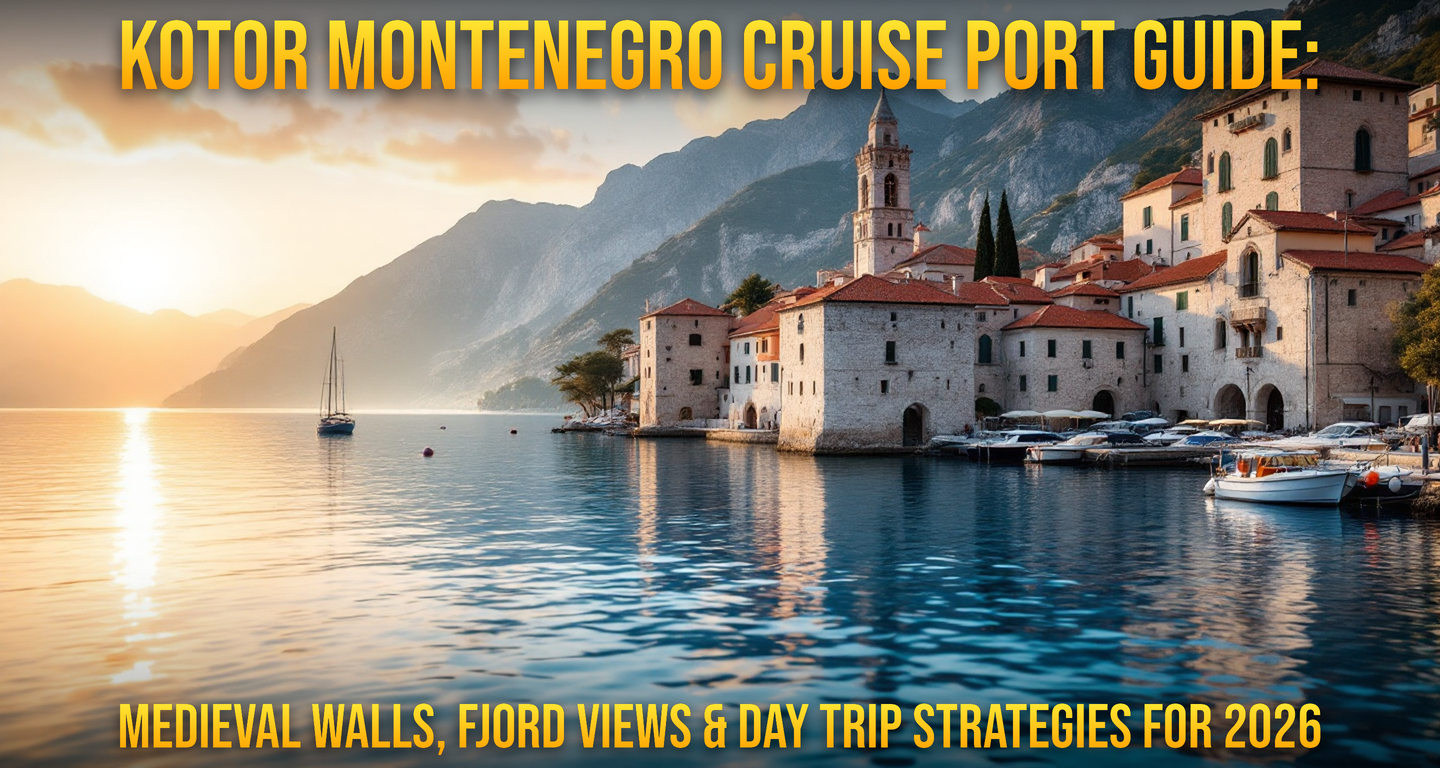
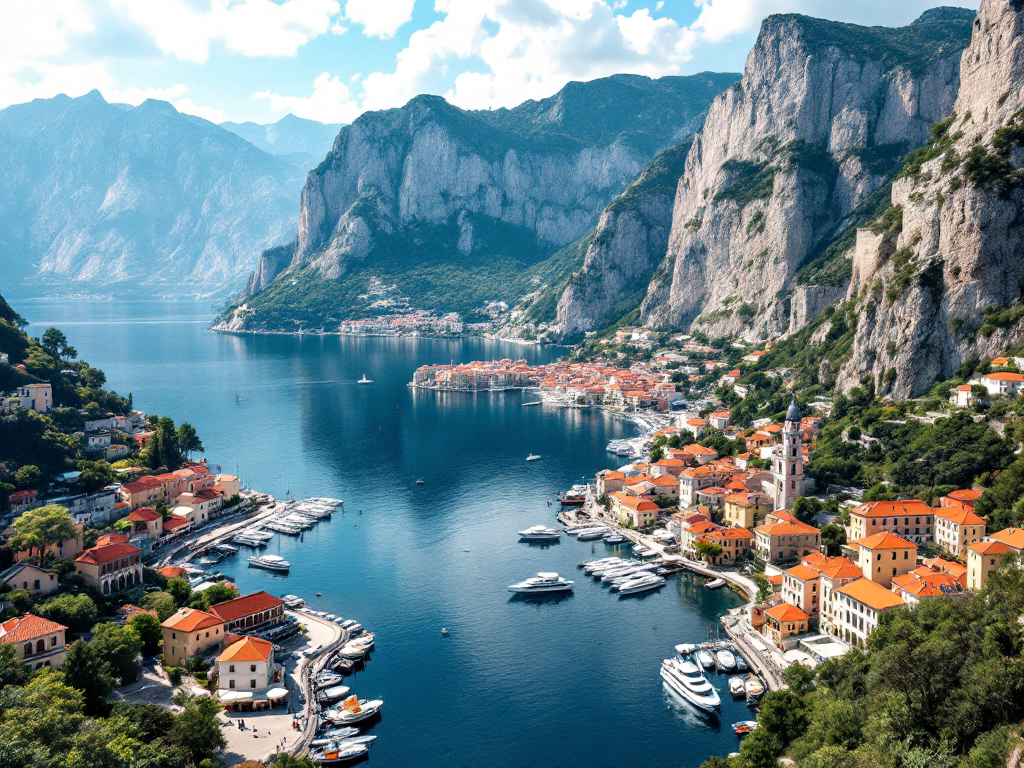
Kotor is one of Europe's most underrated cruise destinations, and honestly, that's part of its charm. While thousands of cruisers are fighting crowds in Venice or Barcelona, you'll be exploring one of the Adriatic's best-kept secrets — a UNESCO-listed medieval town nestled in a dramatic fjord-like bay, ringed by 16th-century fortification walls that climb straight up the mountainside.
I've docked here on four different cruises across the past three years, and every single time I discover something new. The town is compact enough to explore on foot, authentic enough to feel genuinely Mediterranean, and dramatic enough to make you question why you ever considered those cookie-cutter Caribbean ports.
Getting Off the Ship & Into Town
Most cruise lines tender directly into the old town's waterfront (there's no deepwater port facility). Your tender will drop you at the main waterfront plaza — you literally step off and you're already in the medieval old town. Walking takes zero effort from here.
Tender wait times: Expect 15-45 minutes depending on your ship's size and how many tenders are running. Go early if you want the first wave — fewer crowds, better light for photos, and you'll beat the tour groups. On my last visit aboard a Seabourn ship (much smaller than the mega-ships), we had virtually no wait at all.
Luggage storage: There's no official luggage facility at the tender dock, so don't plan to haul bags around. Day trips with luggage aren't practical here. Pack a small backpack with essentials.
Currency & ATMs: Montenegro uses the Euro. ATMs are scattered throughout the old town, and most restaurants and shops accept cards, but carry some cash for smaller vendors and tips. Exchange rates are better at ATMs than tourist shops.
The Medieval Old Town: A Self-Guided Walking Tour
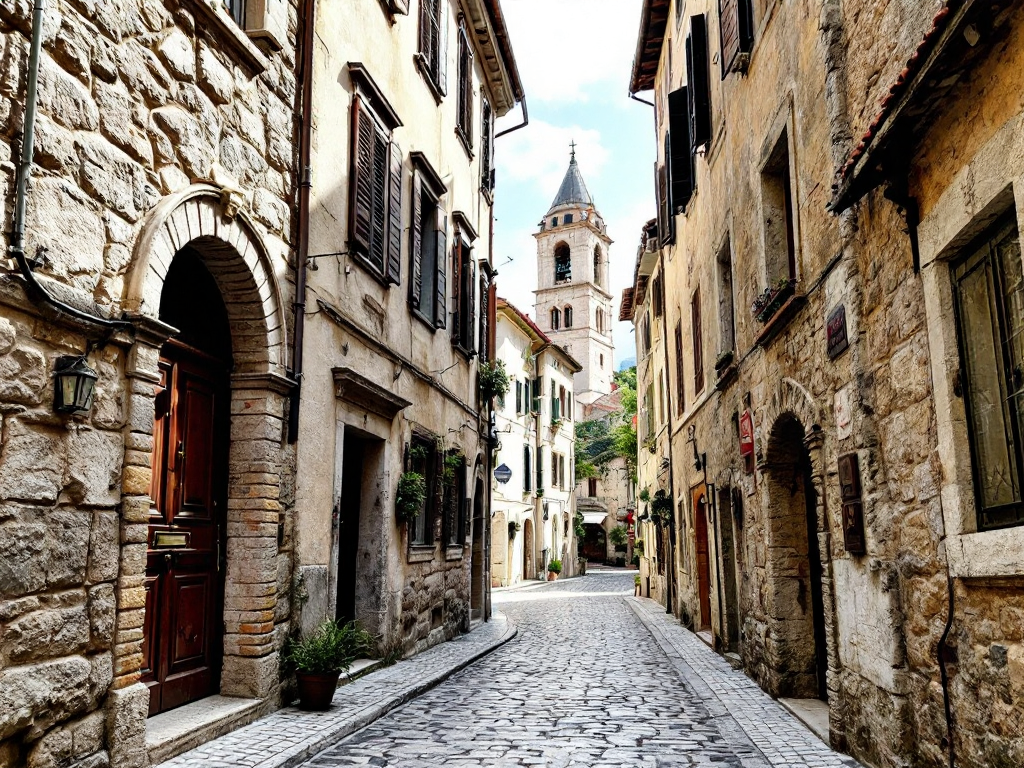
This is where Kotor's magic lives. The old town is roughly a 10-minute walk from the waterfront, and every street is worth exploring.
- St. Tryphon Cathedral — The centerpiece of the old town, dating back to the 12th century. Entrance is around €2-3. The interior Baroque decoration is stunning, and it's one of the oldest Catholic cathedrals on the Adriatic coast. The bell tower offers views of the entire bay if you climb the stairs.
- Maritime Museum — Located in the Grgurevic Palace, this tells the story of Kotor's seafaring past. Around €3-4 entry. Worth 30-45 minutes if maritime history interests you.
- Church of San Luka — Small, peaceful church tucked down a narrow side street. Locals love it, tourists often miss it. Free entry.
- Town squares — The main squares (especially Trg od Oružja and Trg Svetog Tripuna) are lined with cafes and restaurants. Sit down, order a local wine or coffee, and just absorb the atmosphere. This is cruise travel done right.
The Fortification Walls: The Hike Everyone Should Do
Here's the insider secret: the medieval town walls that climb the mountain are the real centerpiece of Kotor, and most cruise passengers never experience them.
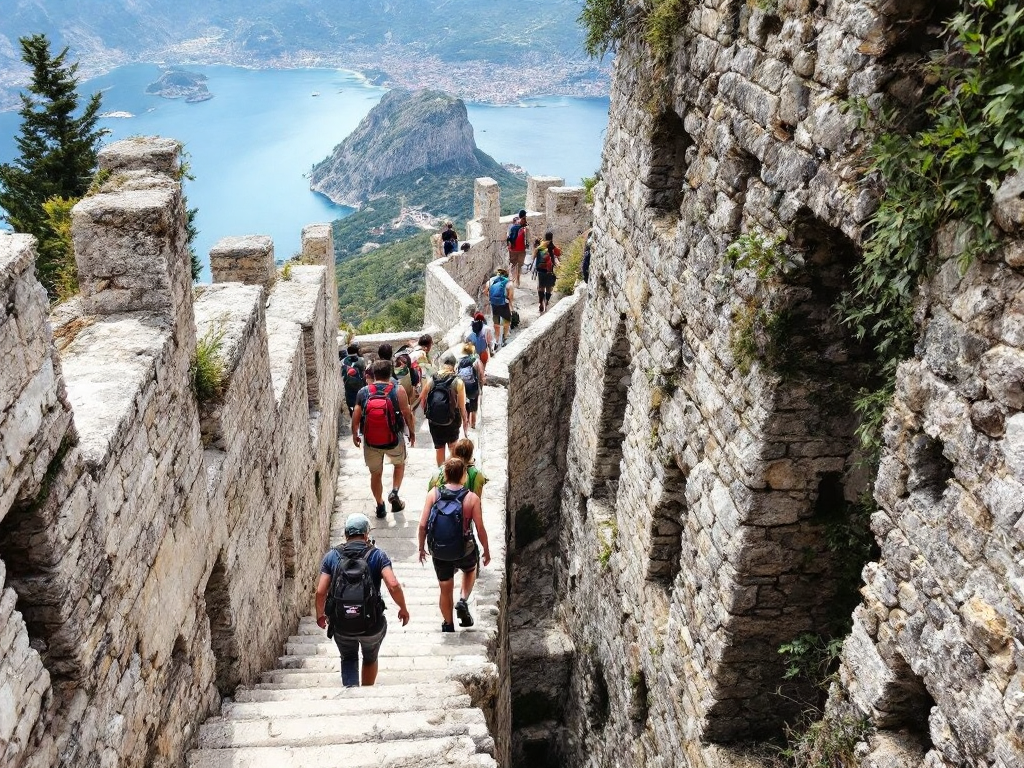
The main entrance to the wall hike is near the southeast corner of the old town. Entry is around €3-4, and the hike takes roughly 1.5 to 2 hours if you go all the way to the top fortress (Lovćen Fort). Here's what to expect:
The route: You'll climb switchback stone stairs through the fortification system. The walls are genuine 16th-century Venetian construction — genuinely impressive engineering. The views progressively improve as you climb: first the old town spreads below you, then the entire Bay of Kotor reveals itself.
Difficulty level: This is moderately strenuous. I won't sugarcoat it — it's a real climb with elevation gain. But it's absolutely doable for anyone in decent shape, and the views justify every step. Wear good shoes (the stones are uneven and some are worn smooth), bring water, and start early to avoid midday heat.
Pro tips: You don't have to reach the top fortress to have an amazing experience. Many cruisers hike for 45 minutes, take photos, and head back down — totally legitimate. Go early (first tender wave if possible) because crowds build quickly and the shade disappears by mid-morning.
Real talk: If you have mobility issues or aren't comfortable with stairs, skip this. There's no shortcut, and there's no shame in enjoying the town's restaurants and museums instead.
Where to Eat: Local Restaurants vs. Tourist Spots
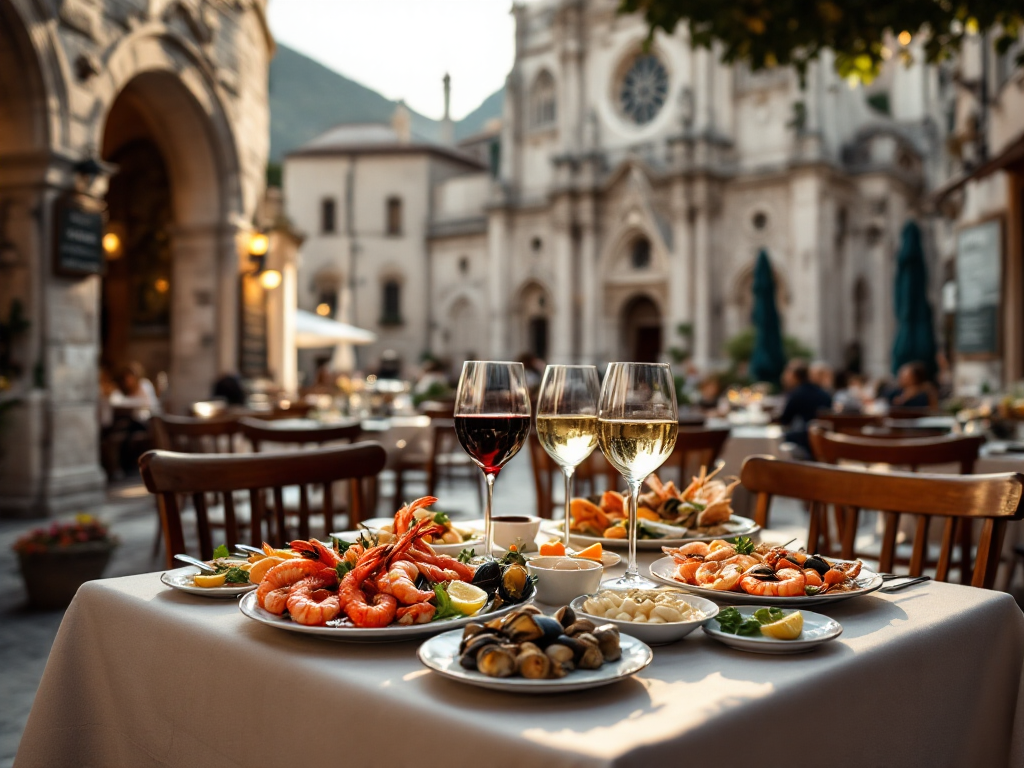
Kotor's restaurant scene is honest — you'll find good seafood at reasonable prices because this is still an active fishing community.
Tourist-facing restaurants with honest value: The waterfront and main square spots (like Salut or Galion) charge predictably €12-18 for a main course. They're not cheap, but the food is solid. Order local specialties like brodet (Adriatic fish stew) or octopus salad.
Where locals eat: Walk up the side streets away from the waterfront. You'll find small family-run konobas (traditional restaurants) where a three-course meal costs €15-20 per person including wine. Ask your tender operator or a local shop owner for recommendations — you'll eat better and spend less.
My go-to move: Grab a burek (savory pastry) and coffee from a small bakery near the cathedral, find a bench in a quiet square, and enjoy the people-watching. Total cost: under €5, and you'll feel like you actually live here, even if just for an hour.
Day Trip Options Beyond the Old Town
If you have 8+ hours in port, consider these excursions:
Perast and the Island Churches — This coastal village is 12km north and looks like a postcard (seriously, it's almost too perfect). You can take a local taxi or book an excursion. The town itself is free to wander; boat trips out to the two island churches (Our Lady of the Rocks and St. George) cost around €10-15. Total time: 3-4 hours with transportation.
Lovćen National Park — The mountain behind Kotor is a full day trip if you want it. Several cruise lines offer organized excursions (roughly $80-120 per person). You drive up a winding mountain road to the Mausoleum of Petar II Petrović-Njegoš at 1,657 meters elevation, with panoramic views of the entire region. Worth it if you're not hiking the walls, but check if your tender time allows.
Budva — Another medieval coastal town 15km south. More touristy than Kotor, but has a nice beach and promenade. Taxi ride is roughly €15 one-way, and the town is walkable in 2 hours. Not essential if you're satisfied with Kotor itself.
Self-guided tip: Taxis are abundant and reasonably priced (expect to negotiate, or ask the tender operator for fair rates). A half-day taxi tour with driver typically runs €50-80 for up to 4 people. This gives you way more flexibility than a cruise-line excursion, and you control the pace.
Money-Smart Strategies for Your Kotor Day
- Skip the cruise-line excursions if you're adventurous. A €130 organized excursion could easily be replicated for €40-50 in taxi fares and entrance fees. You lose the organized comfort, but gain independence and save significantly.
- Bring cash from the ship, or hit an ATM immediately. Cash prices in small restaurants and shops are often 5-10% cheaper than card prices — a nice little discount if you notice it.
- Buy water in a grocery store, not a cafe. A bottle of water costs €1.50 in a restaurant, 50 cents in a supermarket. Sounds petty, but it adds up if you're hiking.
- Most attractions have admission under €5. Entry to the old town itself is free. Walls, museum, churches are individually cheap. You can have a rich experience without spending heavily.
- Lunch beats dinner for value. Restaurants offer lunch specials (menu del giorno) around €10-13 for a solid meal. Dinner prices jump 30-40%.
Realistic Time Planning
If you have 6 hours: Explore the old town thoroughly (2-3 hours), grab lunch, maybe walk the start of the wall hike for 45 minutes. Realistic and manageable.
If you have 8+ hours: Old town (2-3 hours), wall hike to mid-point or summit (1.5-2 hours), lunch, plus a side trip to Perast or time for a leisurely cafe break. This is the sweet spot for Kotor.
Real talk about tenders: If your ship is a mega-ship (Royal Caribbean Icon, Carnival Celebration, etc.), you might lose 1-2 hours just to tendering delays. Budget that in. Smaller ships go much faster.
What to Pack & What to Skip
- Bring: Sunscreen (seriously — those old town streets reflect heat), a refillable water bottle, comfortable walking shoes with grip (the stone stairs are treacherous when wet), and a light sweater for evening if you're staying late.
- Skip: Heavy luggage, fancy shoes (you'll want something practical), and the assumption that you need a tour group. This town doesn't require one.
When to Visit (Month Matters)
I've been here in May (perfect), July (hot and crowded), and September (ideal). June-August are warm but increasingly touristy. May and September offer better weather than peak summer and fewer cruise ships in the port. April and October are shoulder season — cool but pleasant, and wonderfully quiet.
Final Thoughts: Why Kotor Deserves Your Time
Kotor isn't flashy or overcommoditized (yet). It feels like a place where real people still live, work, and fish. The medieval town is genuinely stunning, the wall hike is genuinely memorable, and the food is genuinely good. You can have a full, rich day here without spending a fortune or joining organized groups.
Plus, when you get back to your cabin and your cruise friends ask what you did, you get to talk about medieval fortifications and Adriatic views instead of describing another beach excursion. That alone is worth the tender queue.
Share your Kotor tips and questions in our Europe Ports forum — the community there has logged hundreds of visits and loves talking about hidden Mediterranean gems!