

Marina_Cole
Moderator
Welcome to Ketchikan: Alaska's Most Underrated Cruise Port
Ketchikan is the kind of port that sneaks up on you. You board your Holland America, Princess, or Celebrity ship expecting jaw-dropping glaciers and wildlife, and you get that—but you also get something richer: a genuine Alaskan frontier town with real character, a wild gold-rush history, and some of the most accessible wildlife viewing and Indigenous culture experiences in Southeast Alaska. I've pulled into Ketchikan on seven different cruises, and honestly, it keeps surprising me.
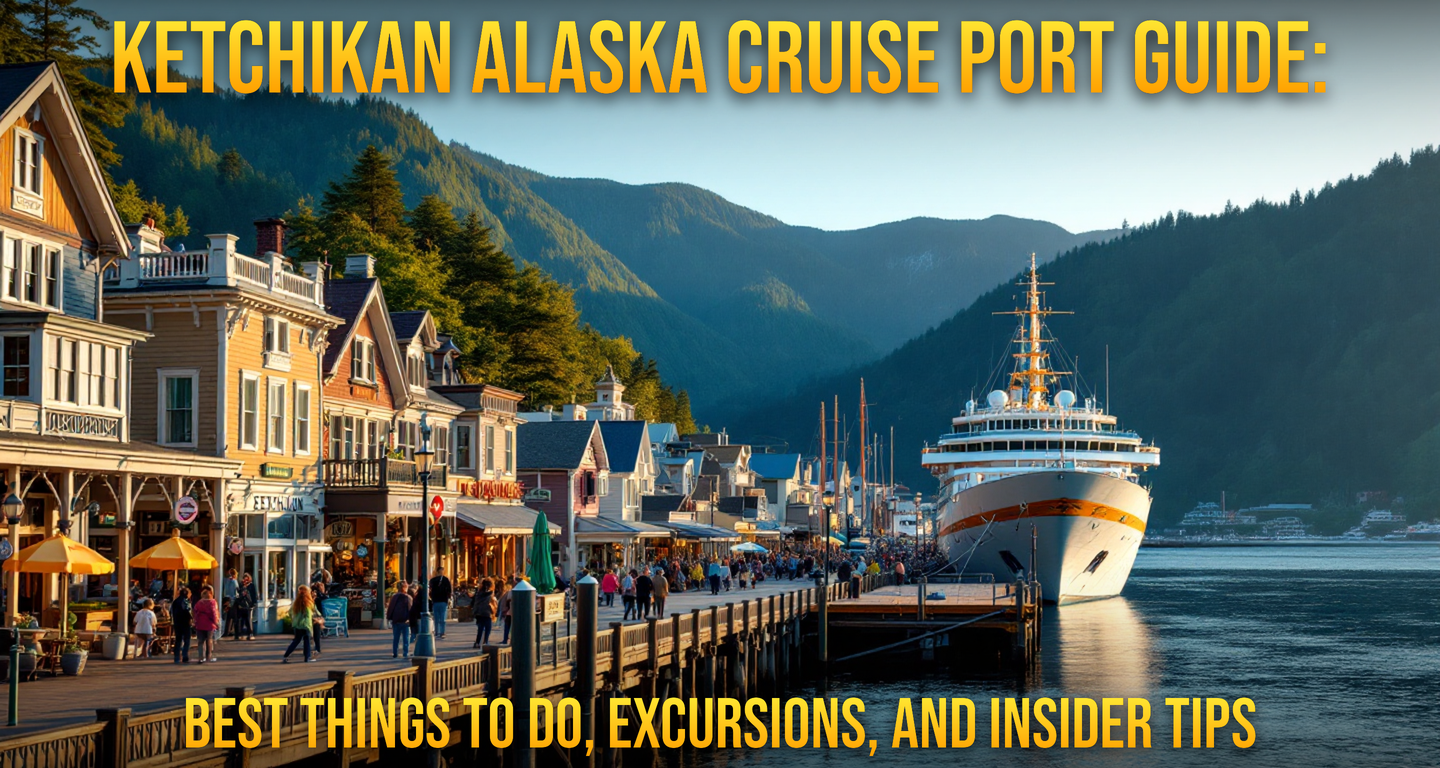
Unlike Juneau or Glacier Bay, Ketchikan won't overwhelm you with crowds (most ships dock for 8-10 hours), and the port itself is walkable. Your ship ties up right downtown, which means you can explore independently without hiring an excursion. That said, if you want bears, eagles, and salmon—which you probably do—you'll want to book ahead. Here's what you need to know.
Getting Off the Ship and Orienting Yourself
You'll disembark directly into downtown Ketchikan on the cruise dock. The town spreads out along Creek Street (the famous historic red-light district, now full of shops and galleries) and Tongass Avenue, which runs parallel to the water. Everything of interest is within a 10-minute walk.
Pro tip: Get off early. Ketchikan's cruise ship population swells quickly, and by mid-morning, Creek Street feels packed. If your excursion doesn't start until later, spend the first hour exploring the town on foot.
The visitor center is literally steps from the dock. Grab a free map and ask the staff about current wildlife sightings—they'll tell you what bears and eagles have been spotted recently, which matters if you're deciding between excursions.
The Best Ketchikan Excursions (Booked Through CruiseVoices)
Here's the truth: Ketchikan is small enough to explore independently, but if you want to see bears and eagles without spending a full day hiking, you need transportation outside the town. This is where excursions earn their keep.
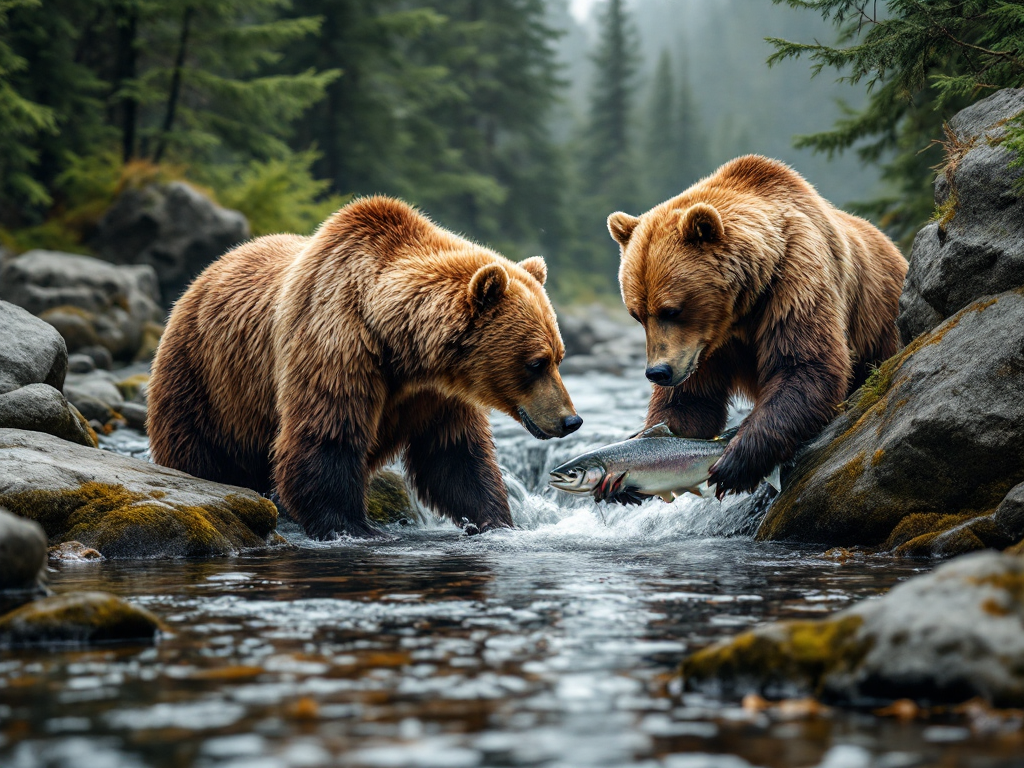
Bear viewing on Naha River is the marquee excursion, and for good reason. Local operators like Alaska Rainforest Sanctuary take groups via jet boat (about 45 minutes each way) to viewing platforms overlooking salmon streams. You're standing on a platform watching brown bears fish for salmon in July and August—it's genuinely thrilling. Cost runs $250-$350 per person depending on operator and group size. The catch: bears show up when salmon are running (peak season is late July to early August). Book this excursion through our AI concierge at CruiseVoices to compare pricing and read real reviews from cruisers who've done it.
Misty Fjords National Monument floatplane tours are the other marquee experience. You'll fly in a small floatplane (6-8 passengers) over temperate rainforest and alpine scenery, possibly landing on a remote lake. It's expensive ($450-$550 per person) and not for the claustrophobic, but if you have the budget and stomach for small aircraft, the views are otherworldly. The flight itself is about 2 hours total.
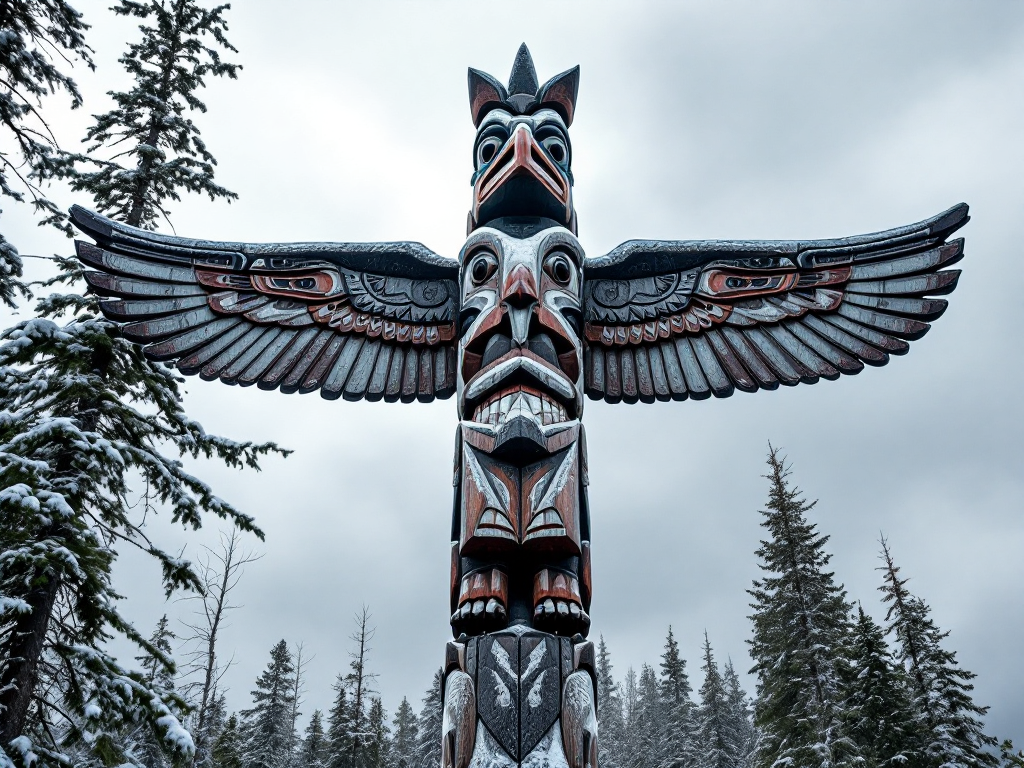
Totem Bight State Historic Park is a more relaxed alternative if you want Indigenous culture without the adrenaline. A scenic bus ride takes you to a reconstructed Tlingit village with authentic totem poles and a clan house. The park is small (you can see it in 90 minutes), but it's culturally significant and gives real context to Ketchikan's Indigenous heritage. Cost is usually $60-$80 per person, making it one of the more affordable excursions in Alaska.
Salmon hatchery tours at the Ketchikan Creek hatchery are free or nearly free ($5-$10 donation suggested), and honestly, they're underrated. You'll see thousands of salmon at various life stages and learn about Southeast Alaska's fishing culture. It's educational, quick (30 minutes), and gives you perspective on why bears congregate in certain areas.
Insiders' secret: If you want to see eagles without paying for an excursion, walk to the Deer Mountain trailhead (about 2 miles from downtown, or $15 by taxi). Eagles often perch in the large spruce and hemlock trees near the trail parking area. Bring binoculars. No guarantee, but it costs nothing and the walk through rainforest is beautiful.
Free and Budget Activities in Downtown Ketchikan
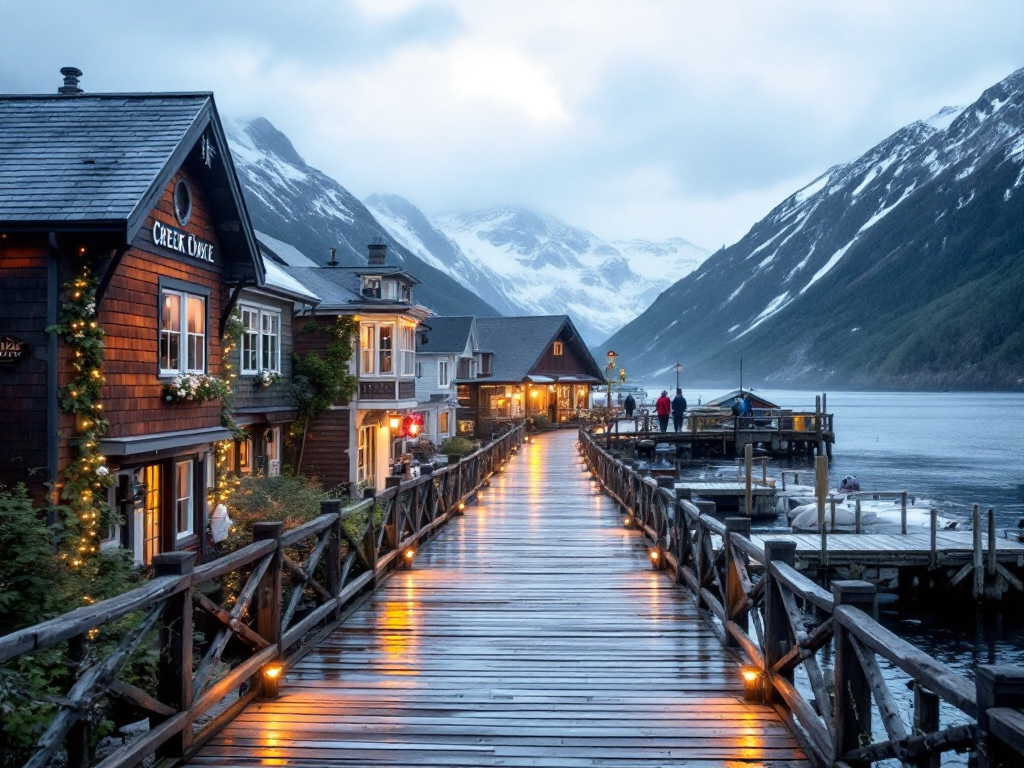
Creek Street is the heart of Ketchikan's tourist experience—a boardwalk built over Creek with galleries, gift shops, and restaurants. Walk it. It's touristy, sure, but the buildings are authentic (dating back to the 1800s), and the creek below actually supports a healthy salmon run in summer. Stop at one of the viewpoints and watch the water. You'll see salmon jumping if timing is right.
Totem Heritage Center ($5 admission, $10 for cruise passengers buying at the door) houses one of the largest collections of original Northwest Coast totem poles. If you want to understand Tlingit, Haida, and Tsimshian culture without the bus ride to Totem Bight, this is your spot. Count on 60-90 minutes.
Southeast Alaska Discovery Center (free admission) explains the natural history of the region—glaciers, wildlife, forests, and human history. The exhibits are solid, the staff is knowledgeable, and it gives crucial context for what you're seeing on excursions. Spend 45 minutes here.
Salmon cannery tours at the Salmon Street Hatchery or local canneries are sometimes free, sometimes $10-$15. Call ahead or ask at the visitor center. You'll see how salmon are processed and learn why this industry shaped Ketchikan's economy.
Where to Eat in Ketchikan
Ketchikan has surprisingly solid dining for a town of 8,000 people. Most restaurants cluster on or near Creek Street.
Bertie Jane's Café (Creek Street) does excellent burgers, fish and chips, and soups—all under $20. It's casual, fast, and perfect if you're short on time. The clam chowder is legitimately good.
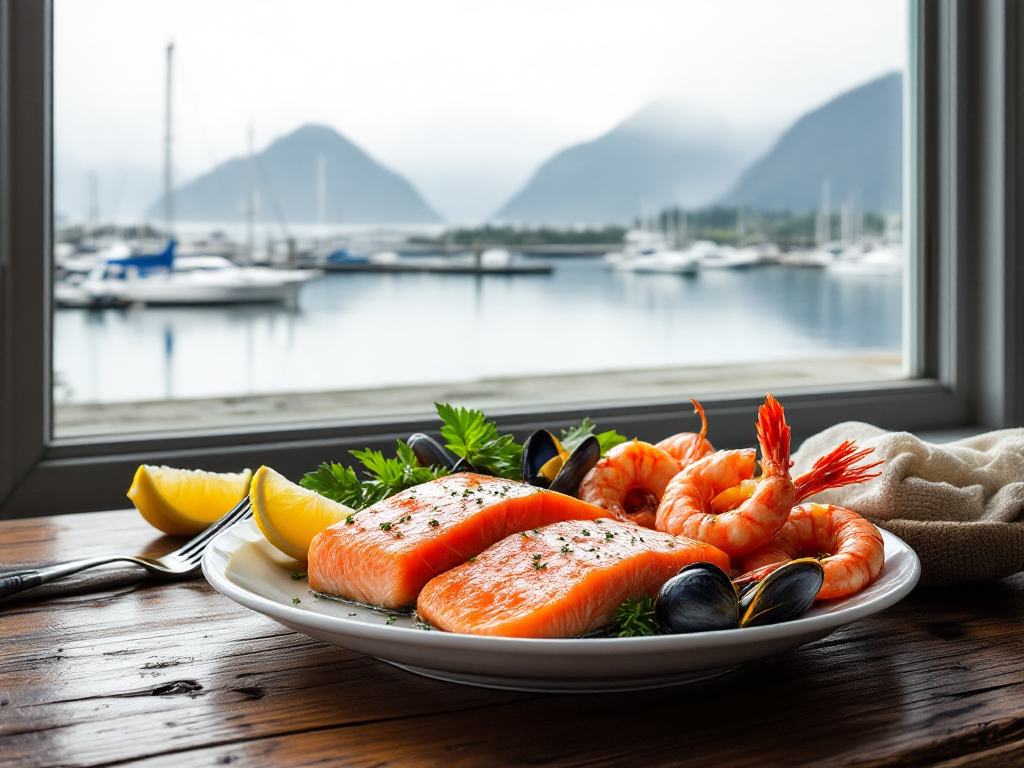
Annabelle's Famous Keg and Chowder House (Stedman Street, one block from the dock) serves fresh halibut, salmon, and excellent seafood chowder. Entrees run $25-$35. It's touristy but reliable.
First City Saloon is more of a bar, but the fish tacos are solid and cheap ($12-$15). It's a locals' hangout, which is always worth checking out.
Insider move: Grab fresh fish and chips from a food cart on the dock itself. There are usually 2-3 operating when cruise ships are in, prices are $12-$16, and the fish is local and fresh. This is what locals eat.
- Don't waste money on: Restaurants directly on Creek Street with huge tour-bus signs outside. You're paying 30% premium for location.
- Do go for: Anything advertising fresh Alaskan salmon or halibut. These are seasonal and worth the splurge when available.
- Pro tip: Ask your server what's locally caught that day. Menu flexibility is one advantage small Alaskan towns have.
Shopping and Gifts
Ketchikan's gift shops are aggressive (Creek Street is basically one long shop), but quality varies wildly. Don't buy from the big tour-bus gift shops—they're overpriced and carry the same stuff you'll find in Juneau or Sitka.
Tlingit and Haida art galleries are worth your time. Look for work by local artists (ask the shopkeeper if the artist is from Southeast Alaska). Authentic carved pieces, prints, and jewelry will cost you, but they're meaningful and support local artisans. Expect $50-$500+ for original work.
Wild Alaska smoked salmon from local fisheries makes a great gift and is cheaper here than in other ports. A vacuum-sealed fillet is $15-$30 and takes up minimal luggage space.
Weather and Packing
Ketchikan is the wettest city in Alaska—literally. It rains frequently, even in summer. When I say frequently, I mean you could get a downpour even on a "clear" day. Pack a lightweight rain jacket (not just a hoodie), and wear waterproof shoes or hiking boots if you're doing any trail walking.
Temperatures in July-August (peak season) range from 55-65°F. Layers are non-negotiable. Bring:
- Waterproof jacket (essential, not optional)
- Long pants or leggings
- Waterproof hiking boots or water shoes
- Fleece or wool mid-layer
- Hat and gloves (mornings can be cold)
- Binoculars (for eagle and bear spotting)
- Insect repellent (mosquitoes are real in summer)
If you're doing a floatplane tour or boat excursion, you'll get cold. Dress warmer than you think you need.
Transportation in Ketchikan
The town is walkable, but if you want to reach Totem Bight or the Deer Mountain trailhead, you'll need transportation.
- Taxis: Abundant at the dock. A ride to Totem Bight costs about $25-$30 each way. Ask the driver to pick you up in 2 hours.
- Rental cars: Possible but unnecessary for a port day. Most excursions provide transportation.
- Walking: Downtown is small enough to cover on foot in 2-3 hours.
- Cruise line shuttle: Some cruise lines offer hop-on/hop-off shuttles. Ask at the visitor center or check your daily program.
Timing and How Long You'll Need
Most ships dock in Ketchikan for 8-10 hours. Here's how to use that time:
If you're doing a bear-viewing or floatplane excursion: Book a tour that departs 90 minutes after all-aboard. You'll spend 3-4 hours on the excursion, then have 1-2 hours to grab lunch and explore downtown before heading back to the ship. This is the most efficient use of time.
If you're exploring independently: Spend your first 90 minutes walking Creek Street and downtown, then head to Totem Bight or the Discovery Center. This gives you the cultural context plus a solid sense of the town.
If you have a night in Ketchikan (rare but possible on some itineraries): You can actually relax. Have dinner at a nice restaurant, catch sunset from the waterfront, and wake early to do a bear tour or hike.
Honest Pros and Cons
Pros:
- Genuinely accessible wildlife viewing (bears and eagles are real, not hype)
- Small, walkable town with authentic character
- Strong Indigenous cultural presence (Tlingit/Haida heritage is visible everywhere)
- Fewer mega-ship crowds than Juneau or Glacier Bay
- Excellent excursion variety (boats, planes, hiking, cultural)
- Fresh seafood is actually fresh
Cons:
- Weather is unpredictable (rain is common, even in summer)
- Bear and eagle viewing are not guaranteed (depends on salmon runs and seasonal timing)
- Floatplane tours are expensive and not for everyone
- The town itself isn't huge—you can see it all in 2-3 hours
- Some excursions are pricey for Alaska ($250-$550)
- Ketchikan is touristy, especially on cruise ship days
Booking Your Ketchikan Excursions Through CruiseVoices
When you're ready to book your Ketchikan experience, skip the cruise line's onboard pricing (they mark up excursions by 20-30%). Instead, use our AI concierge or Trip Planner at CruiseVoices. You'll get access to verified local operators, real pricing, and reviews from cruisers who've actually done these tours. Our concierge can compare bear-viewing options, floatplane tours, and cultural excursions so you're booking the right fit for your interests and budget—at the best available rate.
Final Takeaways
Ketchikan rewards cruisers who show up with realistic expectations. The town won't blow your mind with scale (it's tiny), but it will deliver genuine Alaska—bears fishing in streams, eagles perched in massive spruce trees, Indigenous culture that's still living and evolving, and a frontier atmosphere you won't find in Juneau or Skagway.
If you're on a Northern route itinerary, make Ketchikan count. Book your excursions early, pack for rain, bring binoculars, and give yourself time to wander Creek Street without rushing. You'll come back to your ship with stories that beat the glossy travel brochure.
Have Ketchikan tips of your own? Questions about which excursion to book? Share your Ketchikan experiences in our Alaska Ports community—our members have logged hundreds of sailings through this region and love helping fellow cruisers plan their best port day.