

The Real Truth About LA-to-Hawaii Crossings
I've done the LA-to-Hawaii run more than a dozen times, and I'm going to be honest with you: yes, you can expect some ocean swell on this crossing. But whether that translates to a rough ride depends on several factors you can actually control.
The crossing from Los Angeles to Hawaii typically takes two to three days of open ocean sailing before you hit the islands. That's 2,000+ nautical miles of nothing but deep water, and the Pacific doesn't always cooperate. But here's what I've learned from experience: rough doesn't mean unmanageable, and understanding what you're sailing into makes all the difference.
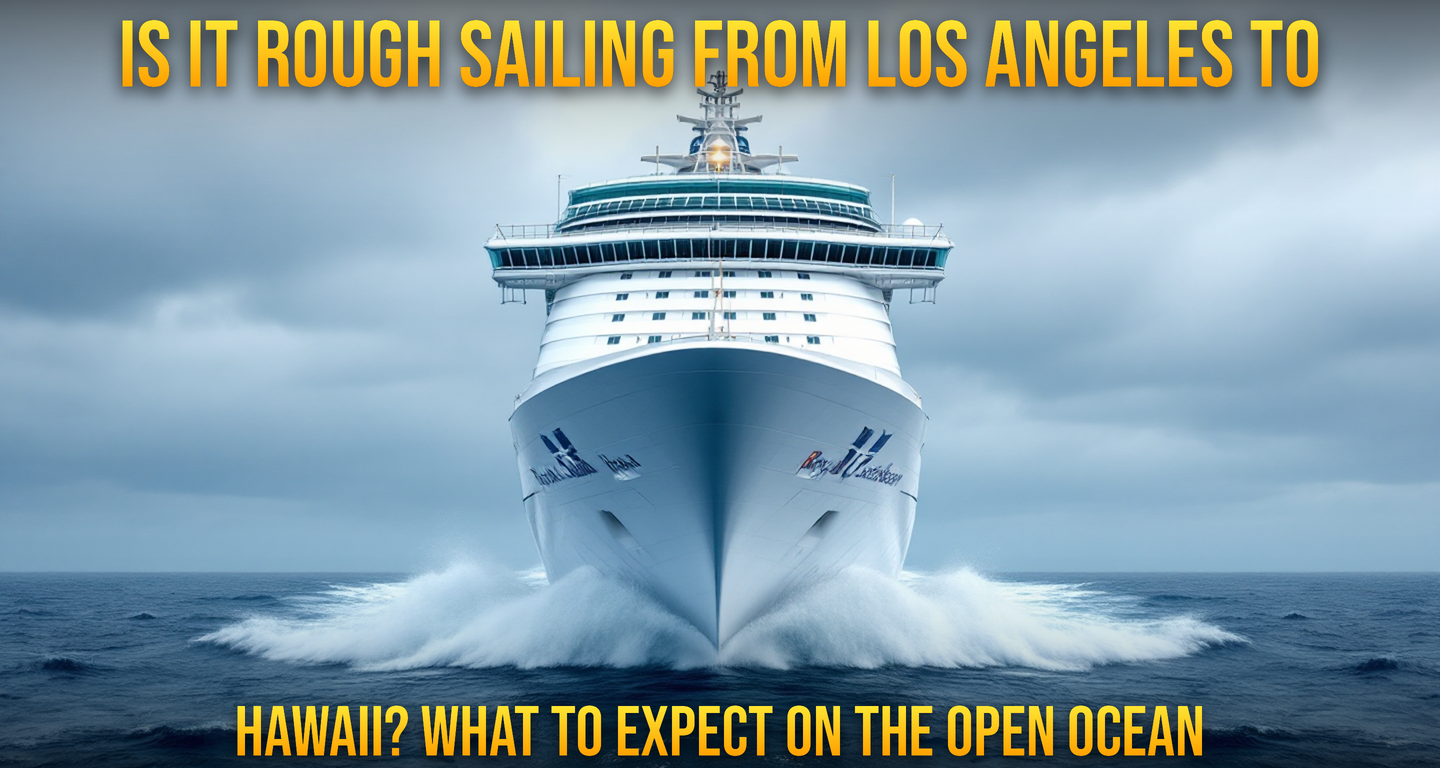
Why the Pacific Between LA and Hawaii Gets Choppy
The Pacific corridor from California to Hawaii sits right in the path of major weather systems. Here's what you need to know:
- Winter swells are the biggest factor. November through March sees the most significant ocean movement. The North Pacific generates powerful storm systems that send swell rolling southward—directly toward your cruise route. If you're cruising during these months, expect 8-12 foot swells as the baseline.
- Summer crossings are gentler. June through August typically offers calmer conditions, though you'll occasionally still see 4-6 foot swells.
- Trade winds create consistent motion. Even on "calm" days, the Pacific's natural currents and wind patterns keep the water in constant motion. It's different from Caribbean sailing, where days can be truly glassy.
- The channel between islands funnels wind and swell. As you approach the Hawaiian Islands, the water actually tends to get choppier before it gets calmer, since the islands funnel and concentrate the surrounding swell.
This isn't a Nor'easter on the Atlantic or a typhoon-season crossing. But it's not the calm, swimming-pool conditions you get in Cozumel either.
What "Rough" Actually Feels Like: A Day-by-Day Breakdown
Let me paint a realistic picture of a typical LA-to-Hawaii crossing so you know what to expect.
Day 1 (Departure): You'll leave Long Beach or San Pedro Bay and sail south. The first night is usually the calmest—you're still in protected waters near the coast. Expect light swaying, nothing dramatic.
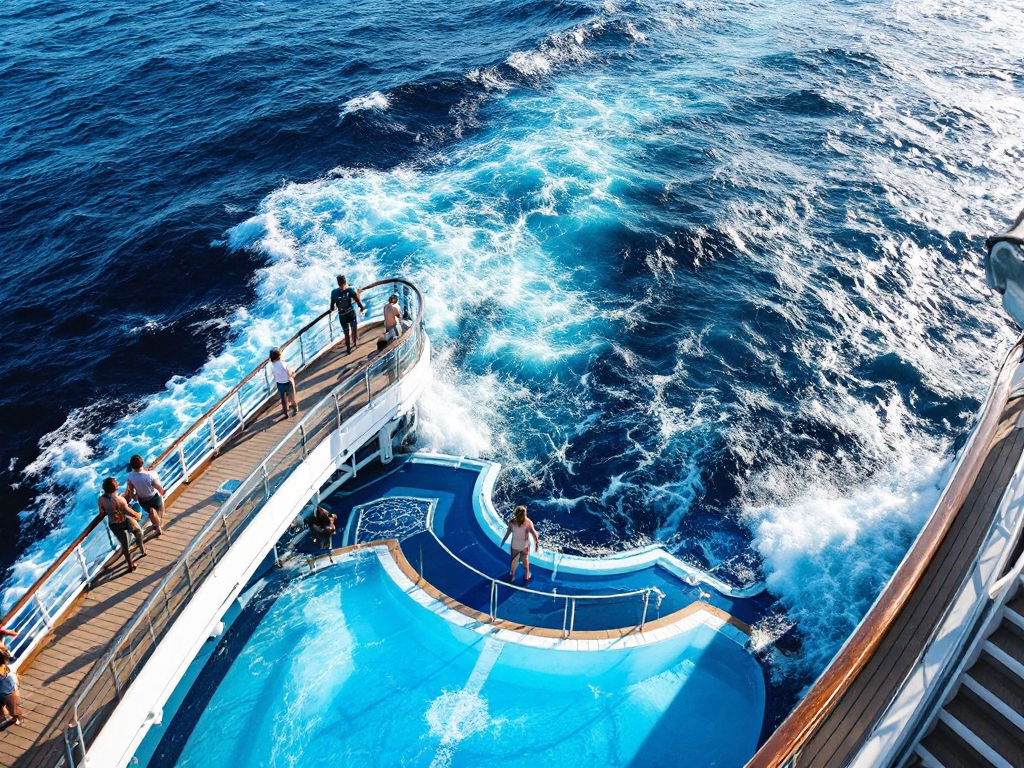
Day 2 (Open Ocean): This is where you feel the real Pacific. If there's a winter swell running, you'll notice the ship rising and falling more noticeably. Not dramatic pitching, but you'll want to hold the handrails when walking the corridors. Dishes might rattle slightly at dinner. The pool will have waves. Some passengers with sensitive stomachs will start feeling it now.
Day 3 (Approaching Islands): Conditions usually improve as you get closer to Hawaii. The island masses break up swell patterns. By the time you reach port, you're typically in much calmer water.
Experienced note: I've been on Celebrity's Millennium heading to Maui when we hit a winter swell of 12-15 feet, and honestly? The ship handled it beautifully. Modern cruise ships are built for this. You feel the motion, but there's no danger.
Which Ships Handle the Crossing Best
Not all ships feel the same in rough water. Size and stabilizer technology matter significantly.
- Royal Caribbean's Icon and Utopia of the Seas — These massive ships (5,600+ passengers) have advanced gyroscopic stabilizers. You feel motion, but it's dampened.
- Disney Cruise Line's Disney Wish — Newer stabilization tech makes this ship exceptionally smooth for its size.
- Celebrity Millennium and Summit — Mid-sized ships (1,944 passengers) with excellent stabilizers. These are known for smooth rides relative to their elegance.
- Norwegian Cruise Line ships — Varies by class. Newer ships like Norwegian Luna handle swells well. Older Freestyle ships can feel more motion.
- Carnival ships — Larger vessels feel less motion than mid-sized competitors. Carnival Miracle and Carnival Radiance both sail Hawaii routes and have good stabilization.
The real differentiator? Stabilizer technology and ship design, not just size. A 2,000-passenger ship built in 2015 might feel rougher than a 4,000-passenger ship built in 2023.
Practical Ways to Minimize Your Discomfort
Here's what actually works based on my experience:
- Book a cabin near the middle of the ship, low to mid-deck. Physics 101: the center of gravity means you feel less motion near amidships and lower on the vessel. Outside cabins on Deck 7-8 are optimal. Avoid forward/aft cabins on high decks—those move the most.
- Request a cabin away from the stabilizers. Modern ships have active fin stabilizers, usually located below-decks on the sides. Being directly above them won't ruin your trip, but being 2-3 decks away is preferable. When you book through our concierge, they can note your preference.
- Take Dramamine or ginger before you feel sick. Don't wait until Day 2 afternoon when you're green. Start the night before departure. I prefer ginger chews or sea-bands over medication, but both work.
- Stay hydrated and eat light foods. Dehydration makes motion sickness worse. Skip the heavy buffet breakfast and have fruit and toast instead.
- Spend time on deck during the day. Looking at the horizon and feeling fresh air actually helps. Staying in your cabin makes seasickness worse.
- Book sea days strategically. Some LA-Hawaii itineraries include stops at Catalina Island or other Channel Islands on Day 1-2, which breaks up the rough crossing. It's a small thing but makes a real difference.
When Should You Actually Worry?
Let's be clear: rough ocean swells are not the same as dangerous conditions. Modern cruise ships are engineered to handle 30+ foot swells. A 12-foot swell, while noticeable, is well within normal operating parameters.
You should only seriously reconsider if:
- You have a severe motion sickness condition that has actually caused you medical problems before
- You're pregnant (consult your doctor first)
- You're recovering from major surgery or have inner-ear issues
- A major hurricane or tropical storm system is forecast directly along your route (rare, but happens)
For everyone else? It's manageable. Millions of people cruise this route annually, and the vast majority have zero issues.
Pro Tips From 40+ Cruises
Book during summer months (June-August) if motion is a genuine concern. Prices are slightly higher, but conditions are reliably calmer.
Choose a longer itinerary if possible. Seven-day cruises to Hawaii often include port stops that break up the open ocean sailing. Five-day itineraries have more consecutive sea days.
Talk to crew about cabin motion. If you're genuinely concerned, call the ship's guest services once you board. They can sometimes move you to a better location if availability allows.
Use the cabin safe properly. On rougher days, unsecured items will move. Stow your belongings as you would in a vehicle during an uneven road.
The Bottom Line
LA-to-Hawaii crossings are moderately rough, not smooth and not dangerous. You'll notice the ocean motion, especially on winter sailings. Some passengers barely feel it; others take ginger and stay in their cabin one day. Most people fall somewhere in the middle—aware of the motion but actively enjoying their cruise.
The key is preparation: choose your cabin wisely, take preventative motion sickness measures, and manage expectations. This crossing is nothing like the glassy calm of Caribbean sailing, but it's also nowhere near storm-force conditions.
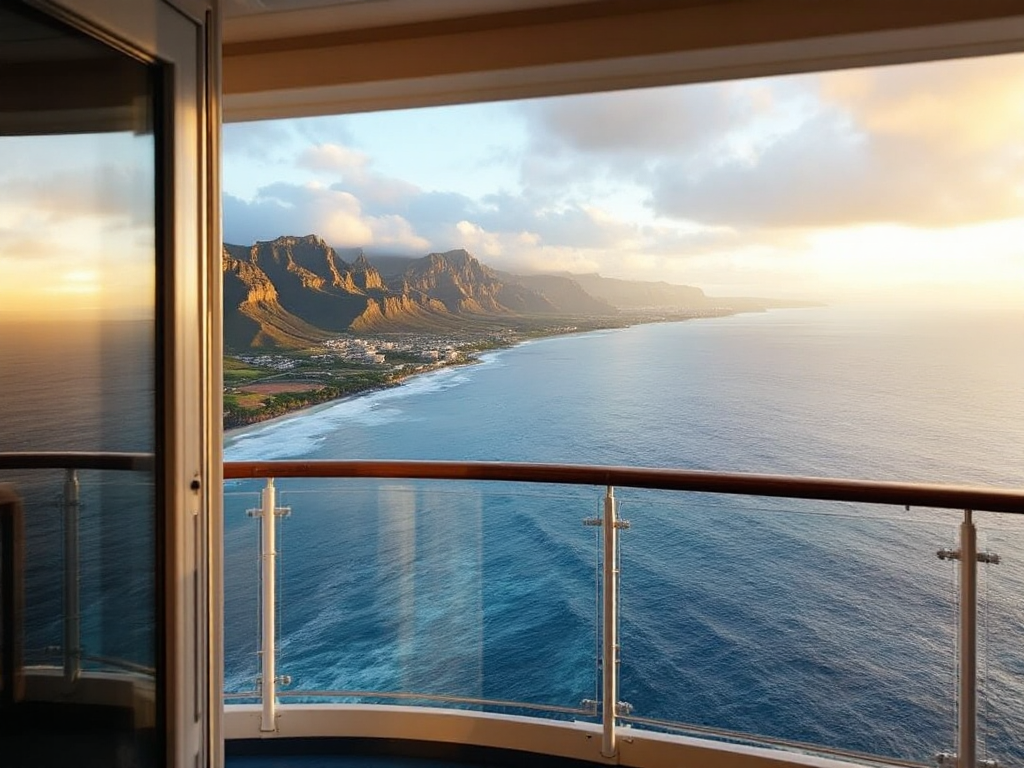
I've sailed rougher waters than the LA-Hawaii route many times, and honestly? The trade-off for reaching those incredible Hawaiian islands makes it entirely worth it. The first time you wake up and see Maui out your balcony after two sea days—rough water feels like a small price to pay.
Ready to Book Your Hawaii Cruise?
Our AI concierge at CruiseVoices can help you find the perfect ship, itinerary, and cabin location for your Hawaii sailing. We'll handle your cruise booking, flights, hotels, and even pre-cruise activities—all through natural conversation. Start planning your Hawaiian adventure by visiting our Hawaii Ports community forum to see what real cruisers are saying about their sailings, ask questions, and connect with fellow travelers heading to the islands.