

Marina_Cole
Moderator
How Do Cruise Ships Get Ropes to the Pier? The Fascinating Answer Behind the Dock
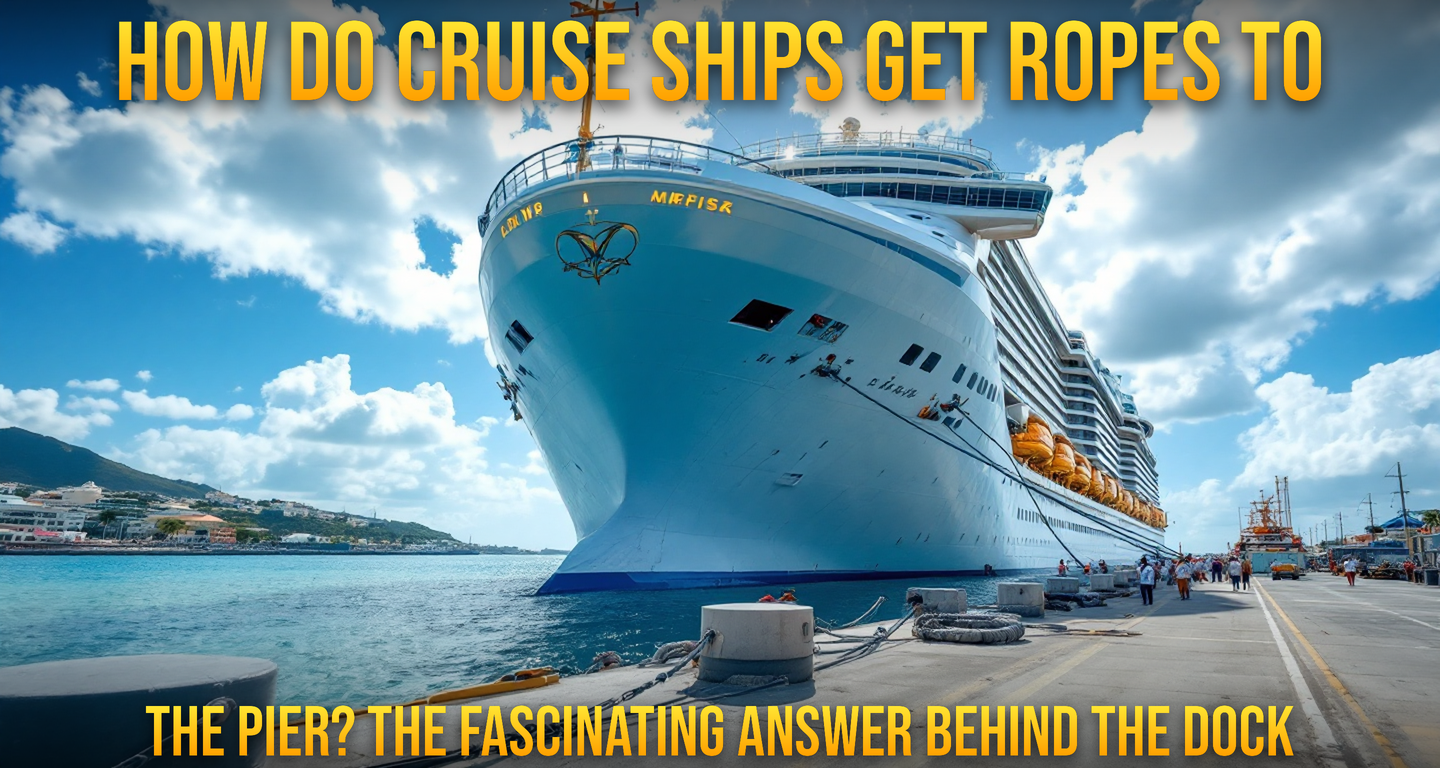
I've watched this happen dozens of times from my cabin balcony, and honestly, it never gets old. That moment when a 150,000-ton ship slides into port and suddenly there are ropes connecting it to the dock—it looks like magic. But there's actually a brilliant (and surprisingly low-tech) system behind it. Let me walk you through what's really happening when your ship docks, because understanding this stuff makes cruising even more fun.
The Hawser: Your Ship's Heavy Lifting Rope
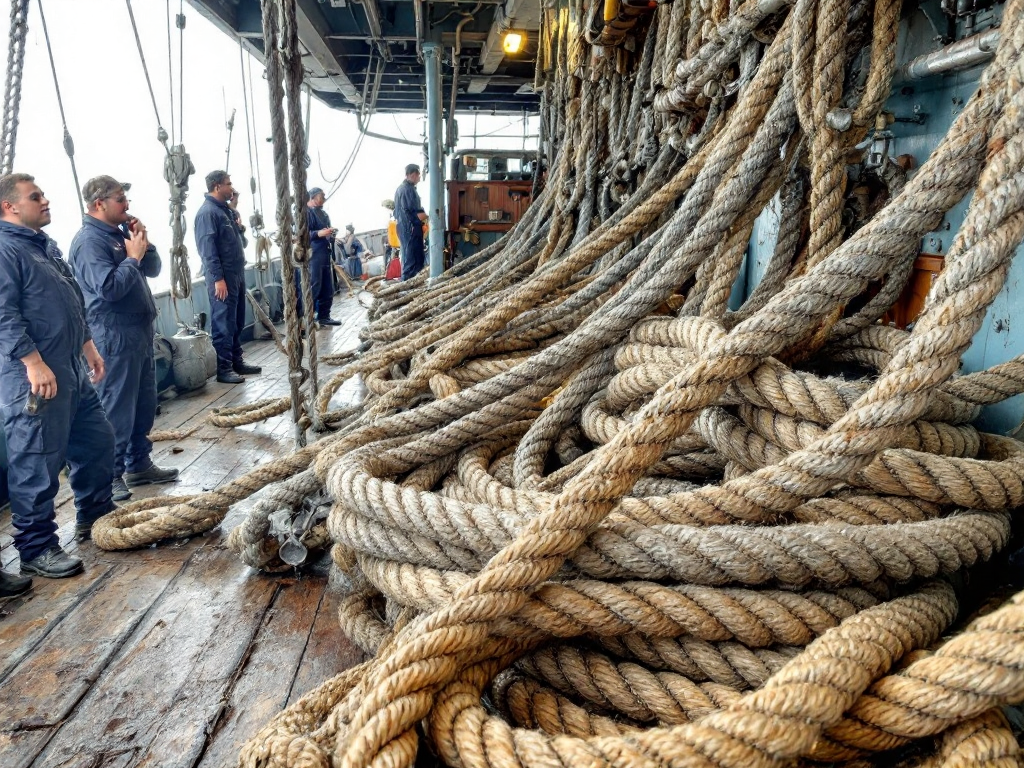
First, let's talk about the actual rope. On a massive cruise ship like the Harmony of the Seas or Carnival Jubilee, we're not talking about regular rope. We're talking about hawsers—these are massive synthetic or natural fiber ropes that can be 10 to 16 inches in diameter and weigh hundreds of pounds. A single hawser can support the tension of holding a ship weighing 180,000+ tons against wind and current.
Here's the thing that blows most people's minds: the rope doesn't come from the ship first. Instead, the crew uses a completely different method to establish that initial connection to the pier.
The Shot Line: How It Actually Starts
When your ship approaches the dock, you'll notice crew members gathering on the forward and aft decks. What they're waiting for is the shot line—a small, lightweight rope (about the thickness of a garden hose) that's fired or thrown from the ship to waiting dock workers on the pier. On modern ships, this is often shot using a line-throwing gun, which looks like a small cannon. It can propel that lightweight rope up to 250 feet, which is perfect for those times when the gap between ship and pier is wider than you'd expect.
Sometimes, especially at smaller ports or when conditions are calm, the crew might use a traditional heaving line—they literally throw the rope by hand. I've watched experienced deckhands on the Disney Dream do this with impressive accuracy from Deck 5. It's one of those moments where you realize cruise ships still rely on some genuinely old-school seamanship.
From Shot Line to Hawser: The Connection Chain
Once the dock workers catch that shot line, they don't immediately attach it to the bollard (those metal posts you see on the pier). Instead, here's the clever part: they attach progressively larger ropes to it.
The sequence goes something like this:
- Shot line (lightweight, easy to handle) is caught by dock workers
- Dock workers tie it to a slightly larger rope called a messenger line
- Crew aboard the ship hauls the shot line back in, pulling the messenger line across
- Dock workers attach the messenger line to a spring line or headlines (medium-sized ropes)
- Ship crew hauls those in
- Finally, dock workers attach the hawsers to those lines, and the ship pulls them across
Why do it this way instead of just throwing the hawser? Because a hawser weighs 500-800 pounds and moves like a snake—it's nearly impossible to catch and control safely. By using progressively larger ropes, both the ship crew and dock workers can manage the tension and weight at each stage.
Multiple Lines, Not Just One
Here's what surprises most first-time cruisers: ships don't just use one rope. When you see a ship fully docked, there are typically 6 to 8 lines securing it—and sometimes more depending on the ship's size and weather conditions.
These lines serve different purposes:
- Forward spring lines and aft spring lines prevent the ship from moving forward or backward
- Headlines (forward lines) and sternlines (rear lines) hold the ship against the pier
- Breast lines keep the ship pressed against the dock
- Breast springs provide additional lateral support
On a ship like the Icon of the Seas, you might see four massive hawsers working in conjunction with several smaller lines—each one under tremendous tension. If you're watching from your balcony, you can actually see them vibrate slightly when wind picks up. It's wild.
The Modern Twist: Powered Winches
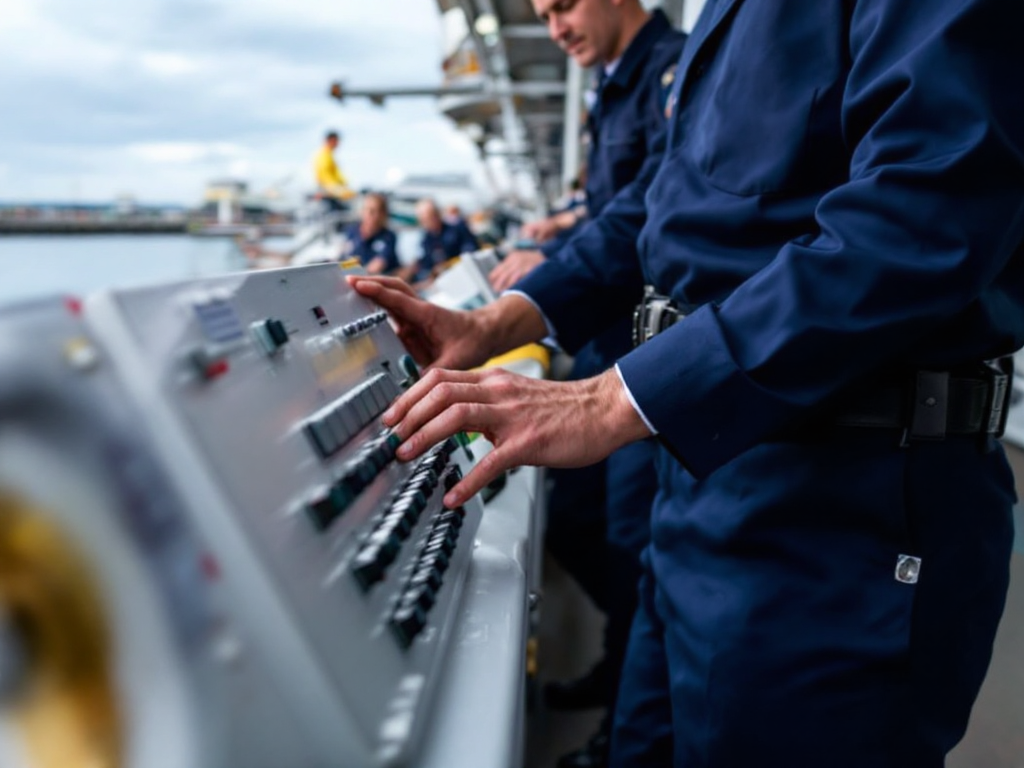
Now here's where it gets modern. Once that shot line is caught and the messenger line is attached, ship crew don't hand-haul these ropes anymore. Instead, electric or hydraulic winches on the ship do the heavy lifting. These winches are powerful enough to pull in hundreds of feet of heavy rope and maintain constant tension.
The winch operators—usually part of the deck crew—control the tension to make sure the lines are taut but not over-stressed. On modern ships, they might even have hydraulic systems that automatically adjust tension as wind and current conditions change. It's like cruise ship parking assisted, and it's genuinely clever engineering.
What Happens When Weather Gets Rough
I've experienced a few docking situations where weather made things interesting. When there's significant wind or a strong current, the process takes longer because dock workers and ship crew need extra time to safely manage the shot line and subsequent ropes. I once watched the Carnival Sunshine spend nearly 45 minutes getting properly secured in Cozumel because of 25-knot winds—the workers kept needing to reset the lines.
In severe conditions, ships might use additional ropes or even employ tugs to hold them in position while the lines are secured. And here's the honest part: sometimes weather is bad enough that the ship doesn't attempt to dock at all and stays anchored offshore instead. That's rare, but it happens.
The Bollards on the Pier: Built to Last
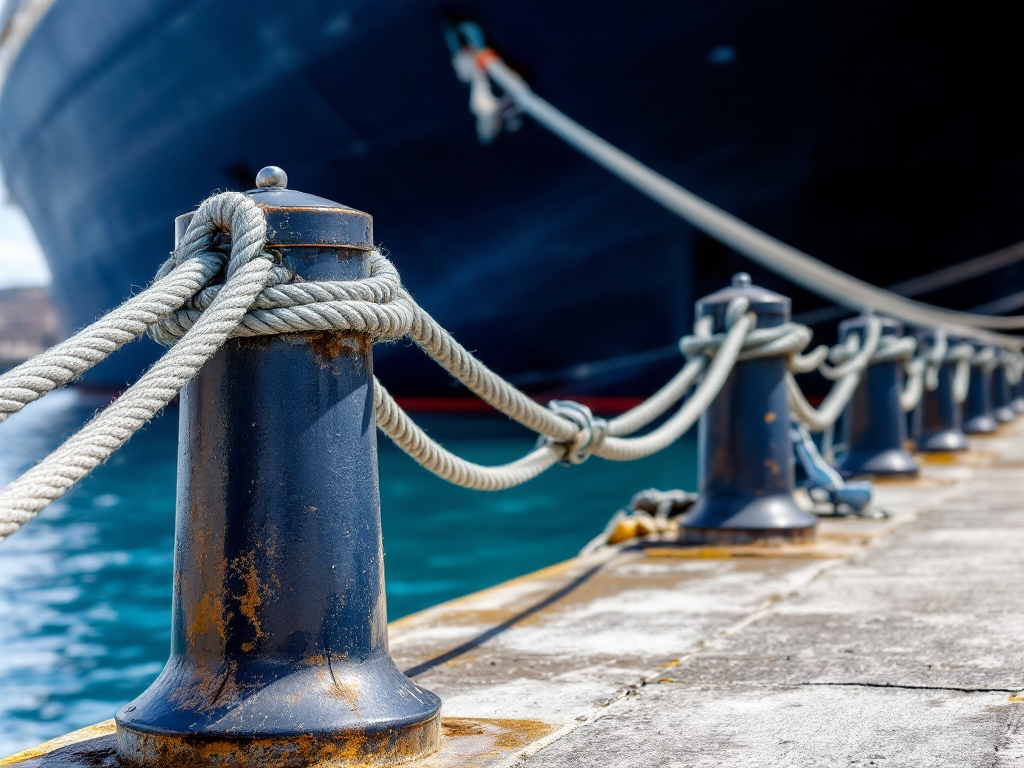
Let's give credit to the infrastructure side. Those metal posts you see on the pier—bollards—are absolutely massive and anchored deep into the dock structure. A single bollard can handle the pulling force of a ship weighing thousands of tons. They're basically engineered to be immovable, and they need to be.
Dock workers typically wrap the hawsers around these bollards in a figure-eight pattern that distributes the load and prevents slipping. Modern ports might use automatic mooring systems where hydraulic bollards actually grab and hold the rope tension electronically, which is kind of amazing if you think about it.
What You'll Actually See When Your Ship Docks
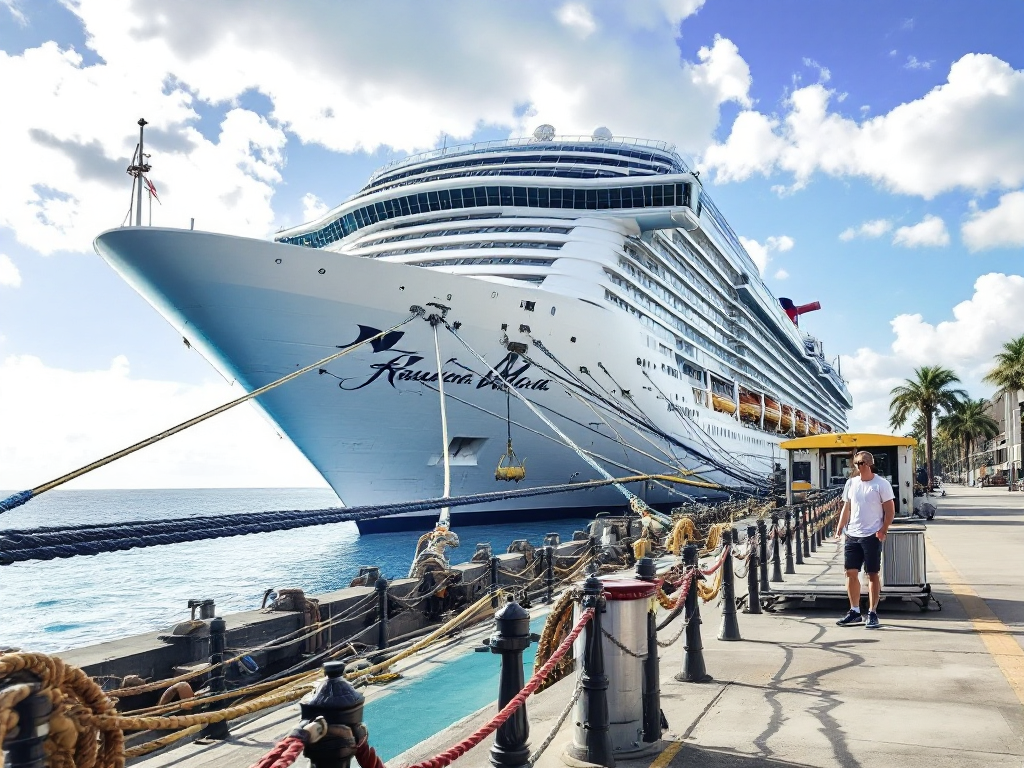
If you want to witness this yourself (and I recommend you do), here's what to watch for:
- Wake up early when your ship is scheduled to dock—around 6-7 AM for most ports
- Go to the forward or aft decks on one side of the ship (usually not crowded)
- Look toward the pier for dock workers gathering with equipment
- Watch for the shot line being fired—it happens fast, sometimes just a few seconds
- Then you'll see the larger ropes being hauled in one by one
- Listen for the horn blast when the ship is fully secured—that's your signal
On the Caribbean Princess, I watched this happen from Deck 7 Forward in Bermuda, and a crew member actually explained the whole process to me. They're usually happy to chat if you ask respectfully.
The Undocking: Basically Reversed
When your ship is ready to leave, the whole process reverses. Winches release tension gradually, dock workers untie the ropes from the bollards, ship crew hauls them back in using the winches, and eventually—once those final lines are clear—the ship backs away from the pier. There's usually a horn blast and sometimes small tugs assist the maneuver, especially in tight ports.
Why This Matters to You as a Cruiser
Understanding how ships dock actually changes how you experience cruising. You realize that those delays getting into port aren't random—bad weather, strong currents, or busy port schedules genuinely affect when your ship can safely moor. You also gain respect for the deck crew who manage this process multiple times per week. And honestly, knowing the mechanics makes those early morning arrivals actually worth waking up for.
Next time you're watching your ship pull into port, you'll know exactly what's happening and why. That's the kind of insider knowledge that makes cruising more fun.
Want to Share Your Docking Stories?
Have you watched your ship dock and noticed something interesting? Or have questions about other behind-the-scenes cruise ship operations? The crew and fellow cruisers at CruiseVoices are always eager to discuss the mechanics of how ships operate. You'll find passionate cruisers who love this stuff just as much as you do.