

Drew_Callahan
Moderator
The Alaska Glacier Showdown: Three Epic Experiences Compared
You're planning an Alaska cruise in 2026, and you've heard the buzz about glaciers. But here's the thing — not all Alaska glacier cruises are created equal. Three destinations dominate the conversation: Glacier Bay National Park, Tracy Arm, and Endicott Arm. I've experienced all three, and each one delivers something different. Let me walk you through the real differences so you can decide which is actually right for you.

Glacier Bay National Park: The Gold Standard
Glacier Bay is the heavyweight champion of Alaska glacier cruises. When your ship enters this UNESCO World Heritage Site, you're witnessing one of North America's most dramatic landscapes. The bay contains tidewater glaciers that calve (that's when massive chunks of ice crash into the ocean), and the sheer scale is humbling — we're talking ice cliffs that tower 200+ feet above sea level.
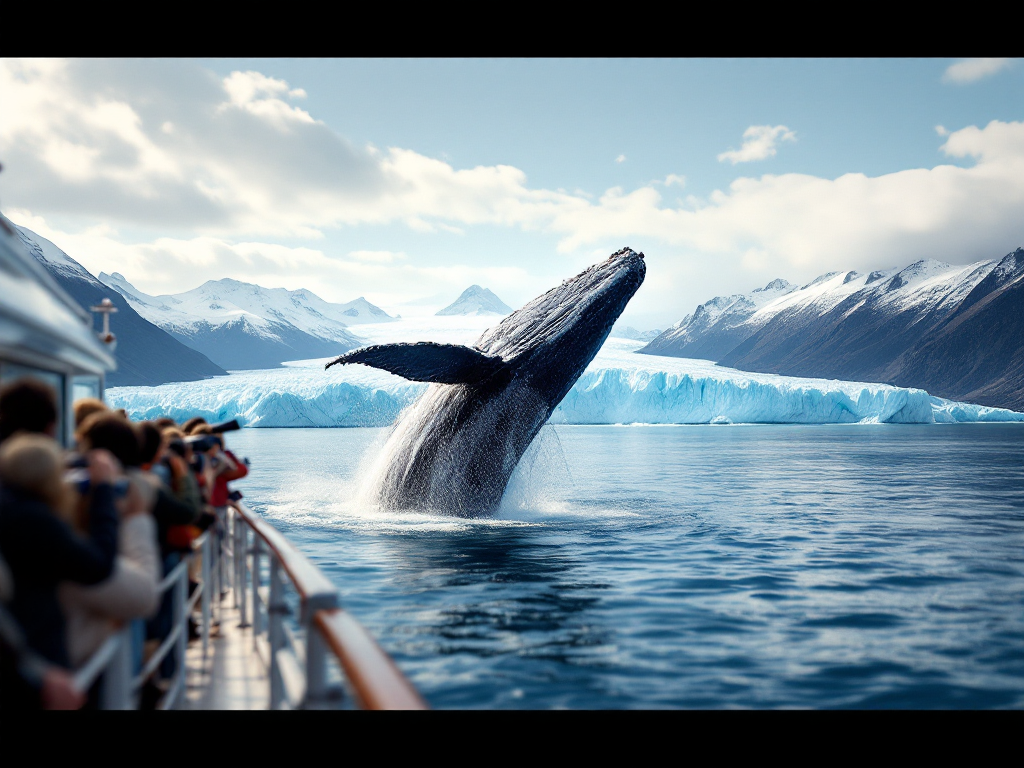
Here's what makes Glacier Bay special: only five cruise ships per day are permitted to enter the park. That's a hard cap enforced by the National Park Service. This means fewer crowds, better wildlife viewing, and a more authentic wilderness experience. You'll commonly see humpback whales, sea otters, and bald eagles.
The downside? Glacier Bay is weather-dependent, and I mean really dependent. On my last sailing in June 2025, we had one day of dense fog that cut visibility to maybe 50 feet. The glaciers were still there — we just couldn't see them. The park also sits farther north, which adds a day to your itinerary compared to Tracy Arm. If you're on a 7-day cruise, you're losing a port day just getting there and back.
Expect to pay a premium for ships that visit Glacier Bay. A typical week-long Alaska cruise featuring Glacier Bay runs $1,200–$2,400 per person (inside cabin) in 2026, depending on the line and season.
- Pros: Tidewater glaciers, rare UNESCO park access, strict visitor limits, incredible wildlife
- Cons: Weather delays/cancellations common, longer travel day, premium pricing, limited ship availability
- Best for: First-time Alaska cruisers, photography enthusiasts, wildlife lovers
Tracy Arm: The Speed Racer Option
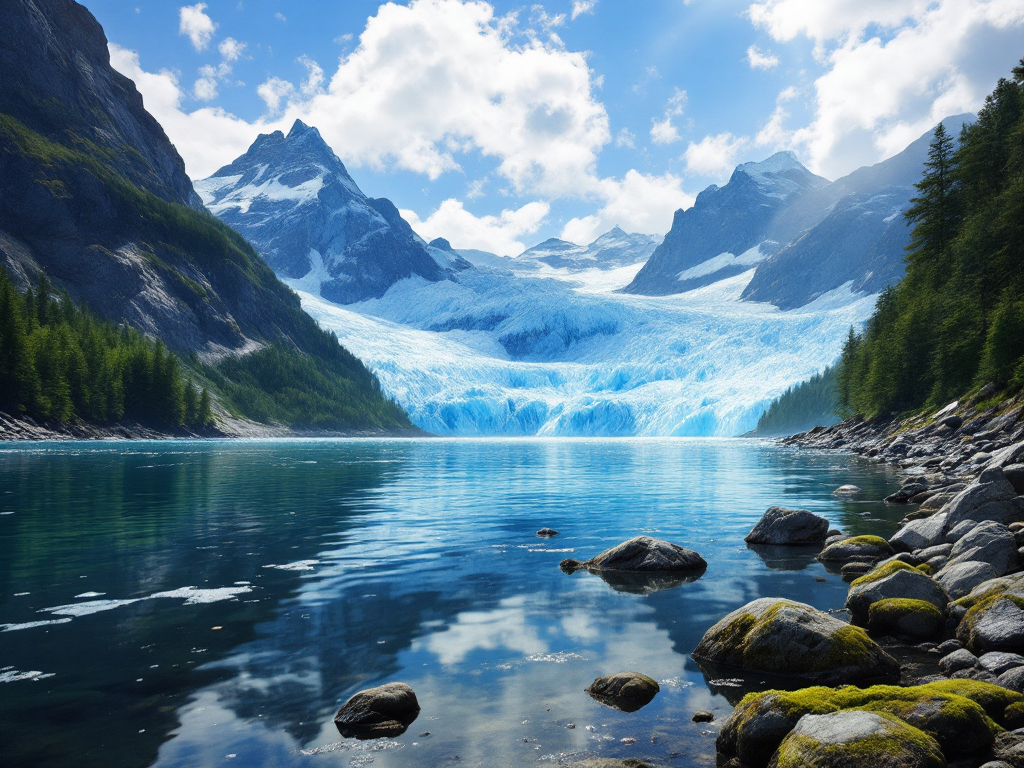
Tracy Arm is the middle child of Alaska glacier fjords — closer than Glacier Bay, equally dramatic, and way more accessible. This narrow fjord (sometimes only 2,000 feet wide) terminates in twin tidewater glaciers: South Sawyer and North Sawyer. The views are stunning.
What I love about Tracy Arm: it's reliable. Yes, weather happens, but the fjord is far more sheltered than Glacier Bay. You're tucked into a deep valley surrounded by steep peaks, which means better protection from storms and fog. On my 2026 Alaska cruise aboard the Radiance of the Seas, we had perfect visibility both days we were in Tracy Arm.
The ship experience is also different. Because Tracy Arm fjords are narrower, your vessel has to move slowly — sometimes just 3–5 knots. This gives you hours to watch glaciers, spot wildlife, and actually absorb the landscape instead of rushing through. Many ships position a naturalist on deck all day narrating what you're seeing.
Here's the catch: Tracy Arm gets busier. No permit cap like Glacier Bay, so multiple ships often anchor at the same time. I've seen three large ships in the fjord simultaneously, which dilutes the "pristine wilderness" feeling. Also, both glaciers in Tracy Arm are retreating. The glaciers calve less dramatically than they did a decade ago, so if you're expecting constant ice explosions, you might be disappointed.
Pricing is moderate: $900–$1,800 per person for a 7-day cruise featuring Tracy Arm.
- Pros: More weather-reliable, dramatic narrow fjord scenery, slow ship transit (good viewing), easier ship scheduling
- Cons: Multiple ships often present, glaciers retreating, less "exclusive" feel than Glacier Bay
- Best for: Cruisers seeking guaranteed glacier viewing, those sensitive to sea motion (fjord is protected), mid-range budgets

Endicott Arm: The Underrated Gem
Endicott Arm is the overlooked option, and honestly, that's why I recommend it to friends. This fjord is less visited than Tracy Arm, offers equally dramatic glaciers (Dawes and Sumdum glaciers), and somehow feels more remote — even though it's only slightly farther south.
What makes Endicott Arm special is the sheer canyon walls. As your ship enters, you're boxed in by 3,000+ foot cliffs on both sides. The scale is insane. Combine that with waterfalls cascading directly into the fjord (from glacial melt runoff), and you've got scenery that rivals any Alaska port.
I'll be honest though: Endicott Arm is trickier to access for larger ships. The fjord is narrower and shallower than Tracy Arm, which means some mega-ships and even some mid-size vessels can't navigate it safely. If you're on a smaller ship (capacity under 2,000 passengers), Endicott Arm is more likely to be in your itinerary. Princess ships and some Celebrity and Holland America vessels visit regularly, but Royal Caribbean's largest ships typically can't.
The glacier calving is active here too. Dawes Glacier especially puts on a show — I watched car-sized chunks crash into the fjord from my cabin balcony. But again, this is weather-dependent and not guaranteed.
Pricing is similar to Tracy Arm: $900–$1,800 per person for a full week.
- Pros: Fewer crowds, dramatic canyon walls, active glacier calving, more intimate ship sizes
- Cons: Not available on all ships (size restrictions), harder to navigate, slightly less reliable than Tracy Arm
- Best for: Cruisers avoiding mega-ships, those wanting fewer tourists, intermediate Alaska enthusiasts
Head-to-Head Comparison: The Real Talk
Weather Reliability: Tracy Arm > Endicott Arm > Glacier Bay. Tracy Arm's protected fjord position wins here.
Glacier Drama: Glacier Bay > Endicott Arm > Tracy Arm. Glacier Bay has the most active tidewater glaciers, period.
Crowd Factor: Endicott Arm > Glacier Bay > Tracy Arm. Fewer ships visit Endicott, and Glacier Bay's permit limits its visitors more than Tracy Arm.
Wildlife Viewing: Glacier Bay > Tracy Arm > Endicott Arm. The permit system in Glacier Bay protects habitat and wildlife more strictly.
Cost: Tracy Arm/Endicott Arm ($900–$1,800) < Glacier Bay ($1,200–$2,400).
Glacier Viewing Time: Tracy Arm (slow transit, hours of viewing) > Glacier Bay (glacier viewing with cruise time) > Endicott Arm (access limited by ship size).
How Ship Size Affects Your Experience
Here's something cruisers don't always realize: your ship matters as much as which fjord you visit.
Glacier Bay is accessible to most Alaska cruise ships, but only five large ships per day max. If you're on Celebrity Millennium or Radiance of the Seas (smaller ships), you'll have a more intimate experience. Mega-ships can visit too, but you're in a queue.
Tracy Arm has no restrictions, so any size ship can visit. This is actually why I prefer smaller or mid-size vessels here — they navigate the narrows more smoothly.
Endicott Arm excludes the largest ships. Icon of the Seas or Wonder of the Seas can't physically fit. If you want a more private experience with fewer passengers, book on Princess, Holland America, or Celebrity.
The Inside Scoop: Which Should You Actually Choose?
If you're a first-time Alaska cruiser: Glacier Bay, hands down. It's the iconic experience. Yes, weather is a risk, but the memories justify it. Budget the extra cost and book early.
If you want guaranteed glacier viewing without hassle: Tracy Arm. It delivers consistent scenery, reliable access, and fewer scheduling headaches for cruise lines.
If you're on a smaller ship or want to avoid crowds: Endicott Arm. This is my personal choice when available. You get 80% of Glacier Bay's drama with 40% of the crowds.
If you have limited days (like a 5-day cruise): Tracy Arm or Endicott Arm. Glacier Bay eats up extra travel time you can't afford to lose.

Insider Tips for Maximizing Your Glacier Cruise
- Book glacier days as cabin-facing-glacier time: Request a cabin with an aft-facing balcony (or at minimum, starboard on northbound glaciers). Spend your entire day outside watching, not in entertainment venues.
- Talk to the naturalist: Every glacier day, certified naturalists narrate from deck. Ask them specific questions — they know which glaciers are active that week.
- Wake up early: Best light for photography happens 6–8 AM. Sunrise over a glacier is unreal.
- Skip the "glacier excursions." The ship gives you the best views. Independent tours to helicopter-land-on-glacier spots cost $400–$600 per person and frankly aren't worth missing the ship-based experience.
- Check your cruise's exact glacier itinerary: Don't assume which glaciers you'll see. Itineraries change based on weather and seasonal conditions. Confirm before you book.
- Travel insurance matters more here: Weather delays and port swaps are common on Alaska cruises. Invest in comprehensive travel insurance that covers itinerary changes.
The Bottom Line
All three glacier experiences are genuinely worth doing. If I had to rank them: Glacier Bay edges out the others for raw majesty, but Tracy Arm offers the best risk-reward balance, and Endicott Arm rewards adventurous cruisers who want fewer tourists.
The real secret isn't picking the "best" glacier — it's booking the right ship going to the right glacier at the right time of year. June and early July offer the most consistent weather across all three. Late August can be clearer but slightly warmer (less glacier calving). September is a coin flip — beautiful when it's good, stormy when it's not.
Ready to book your Alaska glacier adventure? Our AI concierge at CruiseVoices can help you compare itineraries across all the cruise lines that visit these glaciers — Princess, Holland America, Celebrity, Royal Caribbean, and Norwegian all have solid Alaska programs in 2026. We'll also handle your flights, hotels, excursions, and travel insurance all in one conversation, and you'll get the same price as booking anywhere else — zero markup, zero booking fees.
Have questions about specific glacier cruises or want to share your own glacier experience? Jump into the discussion at CruiseVoices Alaska Ports forum — our community has hundreds of Alaska cruisers ready to help.