

Marina_Cole
Moderator
You're About to Experience One of the World's Most Stunning Cruise Destinations—Here's What Actually Matters
Alaska cruising is different. Really different. You're not heading to a beach resort with a pool deck party vibe—you're venturing into one of Earth's most dramatic landscapes, where wildlife sightings, glacier viewing, and rugged beauty trump nightlife and shopping. After 40+ cruises, including multiple Alaska sailings on Princess, Holland America, and Royal Caribbean, I can tell you that first-timers who ignore these tips often regret it halfway through their voyage.
Let me share what seasoned Alaska cruisers wish they'd known before booking.
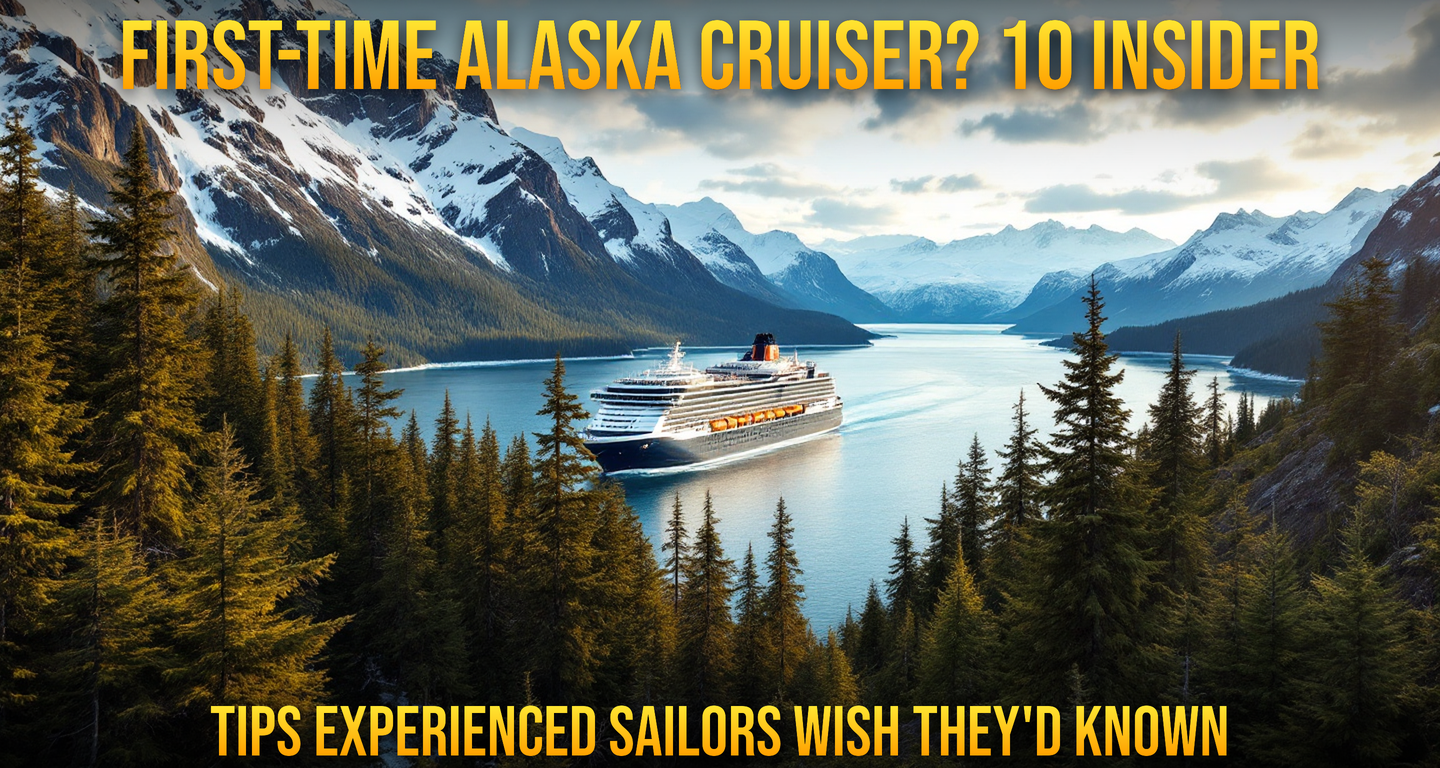
1. Bring Serious Layers—Not What You Think You're Packing
You'll see countless packing guides that say "bring a sweater." That's incomplete advice that costs first-timers genuine comfort.
Alaska's Inside Passage (May through September) averages 50–60°F, but you feel the cold because you're often standing still on deck watching glaciers or whales. Wind chill drops your effective temperature another 10–15 degrees. Rain is constant. Here's what actually works:
- Merino wool base layers — not cotton. Cotton holds moisture and chills you. Merino breathes and regulates temperature.
- A waterproof outer shell — one you don't mind wearing multiple times daily. Not a dress coat; a functional rain jacket.
- Fleece or wool mid-layers — bring 3–4 pieces. You'll swap them constantly.
- Warm hat and gloves — non-negotiable. Deck viewing in Glacier Bay requires extended outdoor time.
- Waterproof hiking boots — if you're doing any excursions, your sneakers will fail.
Pro tip: Pack everything in your carry-on instead of checked luggage. If your suitcase doesn't arrive on port day (and it happens), you'll want your warm layers immediately.
2. Understand Glacier Bay National Park's Mandatory Rules
Almost every Alaska cruise includes Glacier Bay—and the National Park Service has strict regulations that affect your experience.
You cannot go ashore in Glacier Bay. You view the tidewater glaciers from your ship. Many first-timers don't realize this and waste time preparing for a glacier landing that won't happen.
Also, only two ships are allowed inside Glacier Bay simultaneously. On busy cruise days, your ship might be anchored outside the bay entrance while another vessel has priority. This isn't optional—it's federal law. If you're crossing it off your bucket list, know that weather and scheduling occasionally prevent entry entirely.
Second photo opportunity: Glacier Bay views happen between roughly 8 AM and 3 PM, depending on tidal windows. If you're on the wrong side of the ship, you miss the best angles. Scout deck 9 or 10 (or whatever your ship's highest accessible deck is) on Day 1 and identify where glacier views will be clearest.
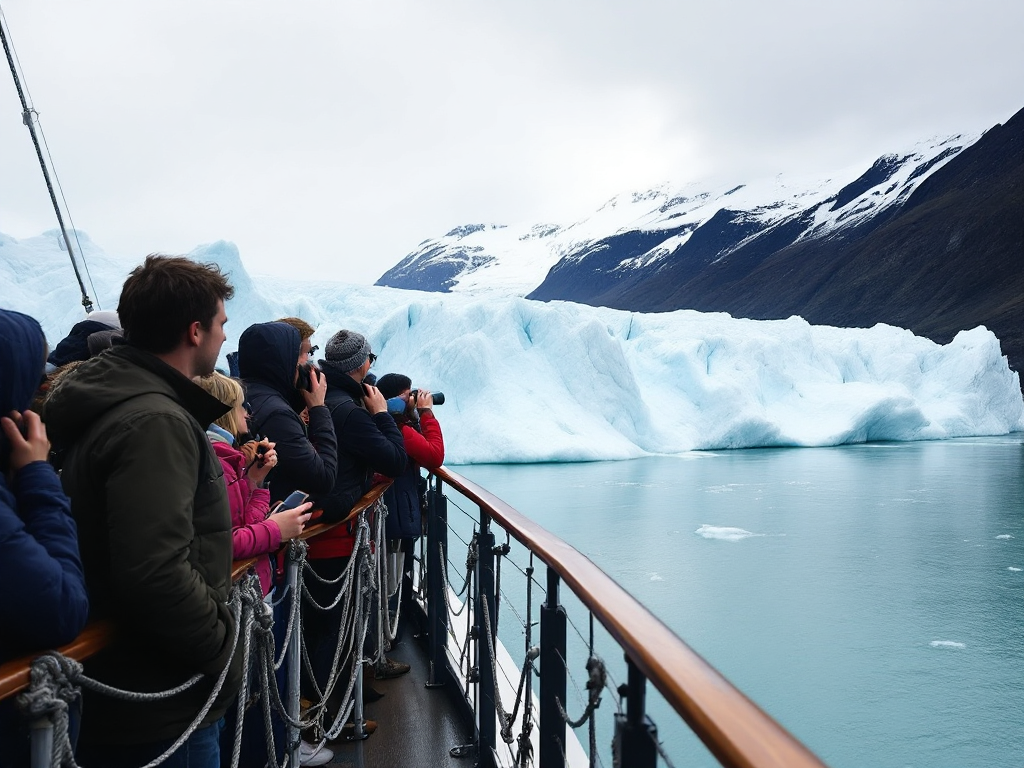
3. Book Excursions Early—But Know Which Ones Matter
Alaska excursions sell out fast. Popular activities like helicopter tours, wildlife cruises, and dog sledding can fully book 3–4 weeks before departure. But here's the insider secret: not every excursion is worth the premium price.
Excursions I recommend investing in:
- Wildlife viewing tours (boat-based) — You'll see bears, whales, and eagles that won't be visible from the ship. Expect $150–$250 per person.
- Helicopter or flightseeing tours — Expensive ($400–$1,000+), but this is the only way to see interior glaciers and remote wilderness. It's worth it if budget allows.
- Native cultural experiences — Totem pole carving demonstrations, salmon bakes, and Indigenous storytelling are genuinely enriching and unique to Southeast Alaska.
Excursions that feel good but aren't essential:
- Shopping tours to nearby towns (you can explore independently or take the free ship shuttle)
- "Scenic drive" bus tours in ports you could walk or explore on your own
- Zip-lining or adventure parks (cool, but not uniquely Alaskan)
Use our Alaska Ports forum to ask which excursions past cruisers actually loved. Real reviews from people who've been there beat generic marketing copy every time.
4. Your Cabin's Balcony Matters More Here Than Any Other Cruise
On a Caribbean cruise, you might avoid paying for a balcony because you're spending time ashore. In Alaska, your balcony is where you spend 40% of your voyage. Glacier viewing, whale watching, and coastal scenery happen while you're aboard. An interior cabin means missing countless moments.
If balcony cabins are beyond your budget, upgrade to an oceanview cabin (outside window). The price jump is small—often $50–$100 per night—compared to the cost difference between interior and balcony.
Aft balconies (toward the back of the ship) are prized because you see more wildlife wake activity. Midship balconies work fine too. Avoid forward-facing cabins on lower decks where your view is partially obscured by the ship's superstructure.
Also request a cabin on the port side for northbound itineraries (glacier views on the left) or starboard side for southbound routes. Call your cruise line 60 days before departure to request your preferred side.
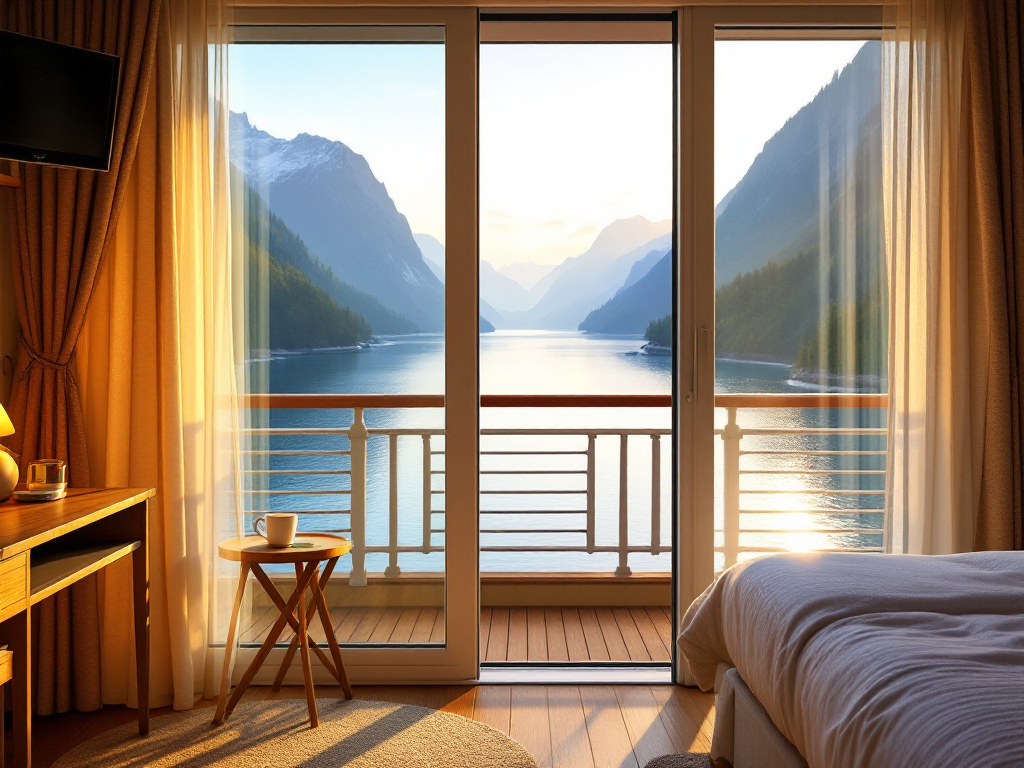
5. Pace Yourself—Alaska Fatigue Is Real
You're surrounded by constant visual stimulus: mountains, wildlife, glaciers, fjords. Your brain works overtime processing the scenery. By Day 4 or 5, many first-timers hit an unexpected wall of exhaustion.
Instead of trying to be on deck for every moment:
- Build rest into your daily schedule. Skip one port or enjoy the ship's spa instead of a pricey excursion.
- Use sea days intentionally. Don't feel guilty sleeping in or spending afternoon time in your cabin.
- Eat at smaller venues instead of the main dining room on particularly busy days. Specialty restaurants like Cote Brasserie (Royal Caribbean) or Sabatini's (Princess) are less crowded and calmer.
- Disconnect from social media updates for part of the day. The pressure to document everything ironically prevents you from experiencing it.
6. Port Days Are Short—Plan Around Docking Times
Here's what catches first-timers off guard: Alaska ports are small, and ships dock at unusual times. Ketchikan might offer a 6 AM arrival and 1 PM all-aboard. Juneau could dock at 7:30 AM but depart at 2 PM. That sounds like time, but it's not.
Get your ship's exact docking schedule at embarkation. Most ports post this online, but the specifics matter. If you're planning an independent shore excursion (hiking, kayaking), you need a 6-hour buffer minimum.
Many first-timers panic and skip independent exploration entirely, choosing only ship-booked excursions. That's safe but limiting. Here's the balance:
- Use independent excursion outfitters in larger ports like Ketchikan and Juneau (where tender ships aren't needed).
- Stick with ship-organized excursions in smaller ports like Sitka or Haines where logistics are trickier.
- Never plan anything that requires you back more than 30 minutes before all-aboard. Missed ship = expensive helicopter evacuation or flying to the next port.
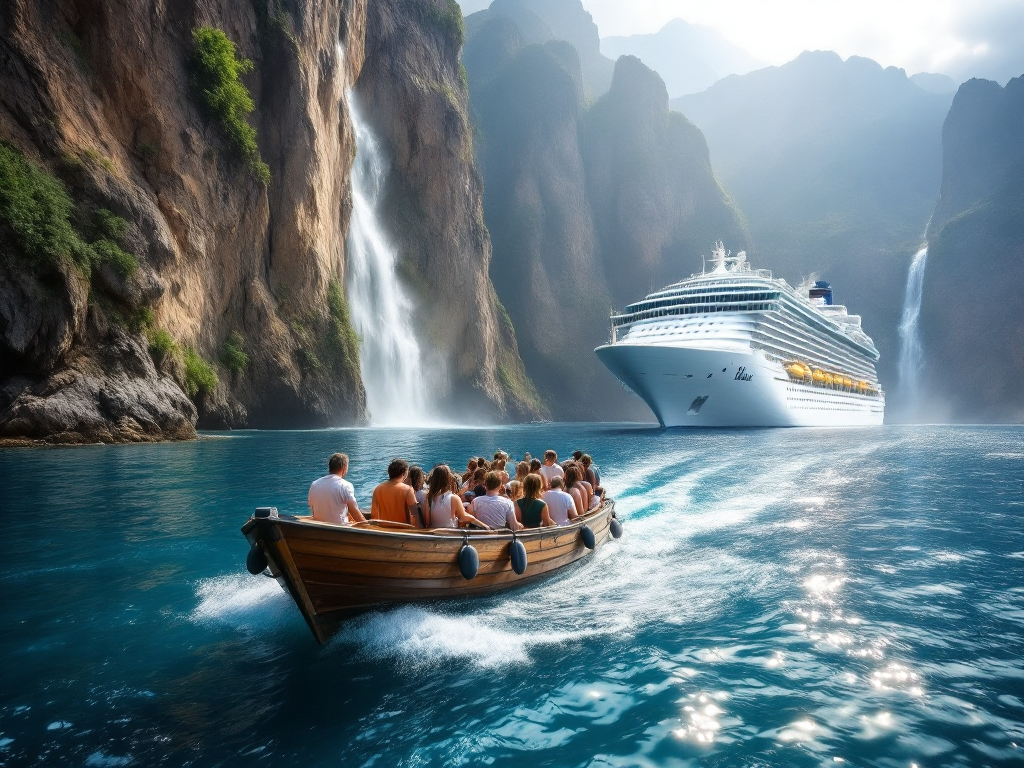
7. Prepare for Tender Ports—They're Slower Than You Expect
If your ship can't dock directly (Sitka and Glacier Bay), you'll use tenders—small boats that ferry passengers ashore. This process is slow, crowded, and often involves waits.
First-timer mistakes:
- Assuming you can sleep until 8 AM. Tender operations begin early, sometimes 6:30 AM.
- Not prioritizing tendering if you have mobility issues. Elderly or less mobile passengers should request priority tendering at guest services.
- Waiting until the last minute to return. The final tender back to the ship fills up, and you'll wait 45 minutes in line.
Smart tender strategy: Get down to the tender deck by 7 AM, even if you're not eager to get ashore. You'll tender off early, have maximum time in port, and return before crowds peak.
8. Wildlife Viewing Has Zero Guarantees—Set Realistic Expectations
You might see bears, whales, and eagles. Or you might not. Weather, season, and pure luck all factor in.
First-timers often construct elaborate mental narratives about spotting a grizzly bear from their balcony. When it doesn't happen, they feel cheated. Experienced cruisers know the reality: a successful wildlife viewing means seeing one major species, not all of them.
To maximize your odds:
- Book wildlife-focused excursions, not port shopping tours.
- Be on deck during early morning (5–8 AM) and late afternoon (4–7 PM) when animals are most active.
- Use binoculars. Distant wildlife is still wildlife.
- Hire a naturalist-led excursion instead of a general sightseeing tour. Experts spot animals faster and explain the ecosystem.
One more thing: Bears in Alaska aren't like bears in zoos. A sighting from a safe distance (ship's deck or guided tour boat) is genuinely thrilling. Expecting a close-up encounter is unrealistic and honestly, unwise for both you and the animal.
9. Rain Stops Nothing—Embrace It
You will get rained on. Multiple times. Probably daily.
First-timers sometimes treat rain as a reason to hide in their cabin or skip excursions. Veterans treat it as part of the Alaska experience. The rain actually enhances the landscape—waterfalls cascade fuller, wildlife is more visible (especially bears searching for salmon), and the air smells amazing.
Invest in good rain gear and accept that damp is normal. Your hair will frizz. Your shoes will be wet. Your jacket will smell like forest and salt water. That's not a failure of planning—that's Alaska.
10. Book Flights Through CruiseVoices—Don't Miss Your Ship
Most Alaska cruises require flights to reach the embarkation port (Seward, Juneau, Seattle, or Whittier). First-timers often book flights separately, then panic when delays put them at risk of missing the ship departure.
Let CruiseVoices' AI concierge handle your entire trip—cruise, flights, pre-cruise hotel, and excursions—all in one conversation. Our platform coordinates everything so there's no gap in your arrangements. If your flight is delayed, we know about it and can reroute you. If you need a pre-cruise hotel night, we book it strategically.
You can start planning through our Trip Planner tool, where you'll answer simple questions about your preferences, and our AI handles the rest. The best part? We earn commission on every booking—you pay nothing extra. Zero cost, complete coordination.
Don't book your flight and cruise separately. One missed connection because of airline delays will cost thousands in emergency flights and missed ports.
Alaska Cruising Pays Off When You Prepare Smartly
Alaska isn't a "lay back and relax" cruise destination. It's an active, immersive experience that rewards preparation and realistic expectations. The passengers who love it most are the ones who invest in proper gear, understand how the logistics work, and embrace the unpredictability.
You're about to see one of the most beautiful places on Earth. A few smart decisions now will make sure you actually enjoy it instead of fighting cold and frustration.
Share your Alaska cruise plans—and your questions—in the Alaska Ports forum. We have 50+ sections covering every detail, from specific port guides to ship reviews to excursion recommendations. Real cruisers who've sailed Alaska share their hard-won lessons there daily. Get your questions answered, then use our Trip Planner to book your whole trip in one place.