

Drew_Callahan
Moderator
Why Solo Cruisers Need a Cruise Buddy Strategy
I've taken over 40 cruises, and I can tell you with certainty: cruising solo is incredible—but having a buddy transforms it from great to unforgettable. Whether you're a first-timer nervous about dining alone or a seasoned solo cruiser looking to skip the single supplement, finding your cruise buddy is one of the smartest moves you can make before you board.
The reality is this: solo cruising has exploded. More people are traveling alone than ever before, which means cruise lines have finally taken notice. But the infrastructure for connecting solo travelers? It's still catching up. That's where strategy comes in.
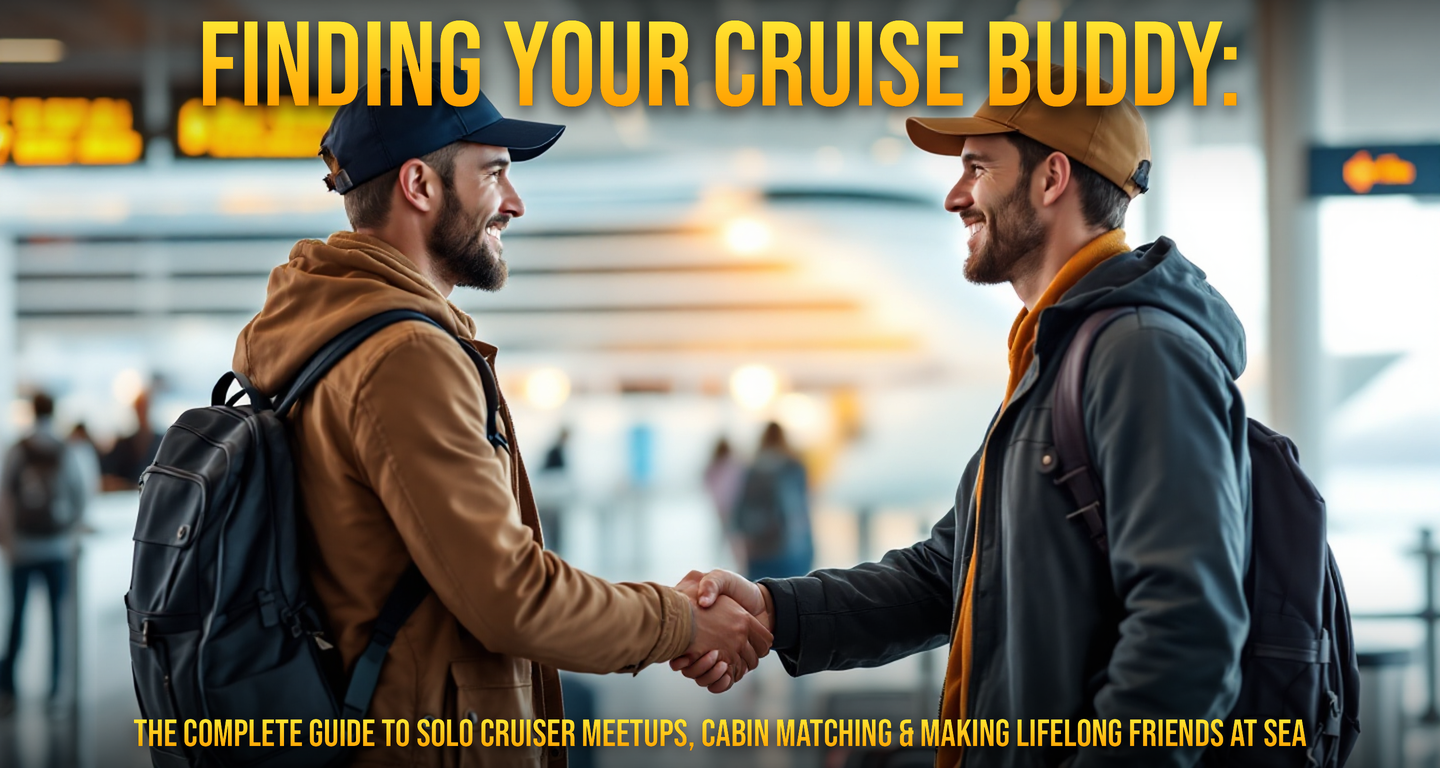
The Hidden Costs of Solo Cruising (And How a Buddy Saves You Money)
Let's talk numbers. On a 7-day Eastern Caribbean sailing aboard Royal Caribbean's Wonder of the Seas in 2026, a solo inside cabin runs about $800–$1,200. A double occupancy cabin? Around $1,100–$1,500 total—which splits to $550–$750 per person. That's a potential saving of $250–$450 per week just by sharing a cabin.
But there's more:
- Single supplement fees — Some cruise lines (especially luxury lines like Regent or Seabourn) charge 10–50% extra just for being alone. A buddy eliminates this entirely.
- Specialty dining costs — That $15 cover charge for Izumi on Celebrity or $45 for Jamie's Italian on Celebrity feels less wasteful when you're splitting an experience.
- Shore excursion partners — Some tours offer discounts for groups of 2+. A buddy means you qualify.
- Psychological value — You're more likely to actually enjoy your vacation and spend less on alcohol/shopping to self-soothe if you have someone to laugh with.
I'm being honest: solo cruising isn't cheaper in most cases. But cruising with a buddy—someone you matched with specifically for this trip—absolutely is.
Method 1: Connect Before You Book Using CruiseVoices
This is my number-one recommendation, and here's why: you do the vetting before money changes hands.
Join the CruiseVoices community forums, where thousands of cruisers gather daily. You'll find fellow travelers planning trips for the exact same sailing you're considering. Look for posts like "Solo traveler looking for cabin mate—7-day Caribbean, Royal Caribbean, March 2026."
Here's what to include when you post:
- Ship name — Be specific. "Harmony of the Seas, sailing from Galveston"
- Dates — The exact sailing window
- Cabin preference — Inside, balcony, or open to suggestions
- Budget range — This matters. A $400/person budget cruiser and a $1,500/person luxury traveler won't mesh.
- What you're looking for — "Casual buddy for dinners and some excursions" vs. "attached at the hip 24/7"
- About you — Age range, interests, solo cruising experience
- Deal-breakers — Smoker? Late sleeper? Introvert? Say it.
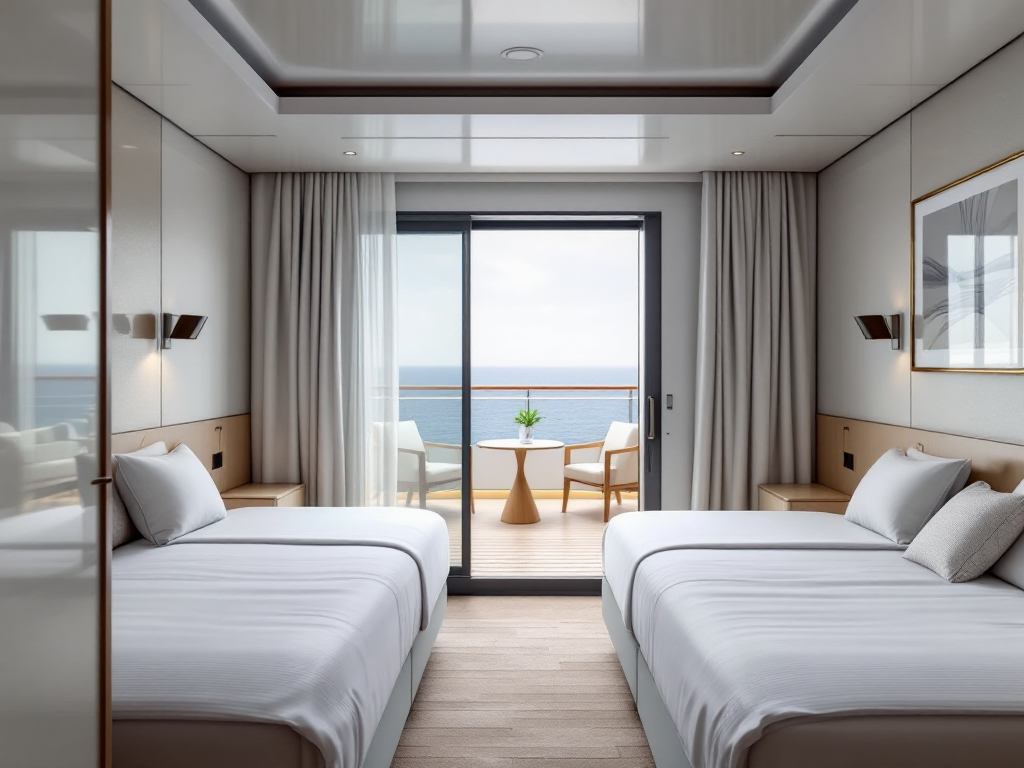
Why this works: You can have real conversations with potential buddies before committing. Ask about their cruising style, their expectations, their personality. A 15-minute video call or phone conversation will tell you more than any algorithm ever could.
Method 2: Cruise Line Cabin Mate Matching Programs
Several major cruise lines now offer official cabin matching services. They're not perfect, but they're better than rolling the dice.
Royal Caribbean's Solo Traveler Program: Royal Caribbean allows you to request cabin matching during booking. You fill out a questionnaire about your age, interests, and cruising style. They attempt to match you with someone compatible. The catch? It's not guaranteed, and you only find out who your match is when you board (or a few days before).
Norwegian Cruise Line's Solo Cabins: Norwegian offers dedicated solo inside cabins on most of their ships—roughly 1/3 the price of a double cabin's single supplement. Some sailings host solo mixer events on embarkation day. You don't get a roommate, but you get a community.
Cunard's Companion Matching: Cunard allows you to request a cabin mate and will attempt matching if you're sailing solo. Their demographic tends to skew older and more traditional, so it works well for cruisers 50+.
Celebrity Cruises: Offers cabin matching for solo travelers booking select sailings. They also host solo traveler meetups on sea days.
The honest truth: Cruise line matching algorithms are basic. They look at age range, gender (sometimes), and smoking/non-smoking. They don't assess personality, sleep schedules, or whether you're an introvert who needs 8 hours of alone time daily. Proceed with realistic expectations.
Method 3: Use Social Media and Dedicated Solo Cruiser Groups
Facebook groups for solo cruisers have exploded. Search "Solo Cruise 2026" or "Solo Cruising [Ship Name]" and you'll find dozens of groups with thousands of active members.
The advantage: You can see people's profiles, read their posts over time, and get a sense of their personality before reaching out.
The risk: Less accountability than cruise line platforms. Trust your gut—if someone feels off in messages, they probably are.
I recommend posting in these groups 4–6 weeks before your sailing. That gives time for real conversations to develop without feeling rushed.

Method 4: Leverage the "Buddy System" at the Cruise Terminal
Yes, people still find cabin mates on embarkation day. It's chaotic but surprisingly effective.
In the terminal before boarding, you'll see solo travelers standing alone with signs (yes, really—handwritten or printed signs). Some say "Solo traveler seeking cabin mate." Others are more creative: "Ready for a week of trouble?" or "Looking for my cruise bestie."
If you're doing this:
- Make a clear, friendly sign with your name and what you're looking for
- Position yourself in a high-traffic area of the terminal (near restrooms or information desk)
- Dress decently—appearance matters in first impressions
- Be prepared to have 3–5 minute conversations with multiple people
- Take a photo of their ID (or at least get their name) so you can verify their identity later
- Exchange phone numbers and agree to meet on the ship
This method is becoming less common (most people connect online now), but it still works. I met one of my best cruise friends this way on a Carnival sailing in 2022—we had no idea what we were doing, but we made it work, and we've cruised together three times since.
Red Flags: What to Watch Out For When Choosing a Cabin Mate
I've heard some horror stories. Here's what to watch for:
- They're vague about their cruise experience — "Oh, I've been on a couple cruises" isn't an answer. How many? Which lines? What was your favorite? Evasiveness is a warning sign.
- They pressure you to decide immediately — "You have to commit today or I'm finding someone else." Real cabin mates don't rush. Real cabin mates are flexible.
- They want unusual payment arrangements — "Can you book it and I'll pay you cash on the ship?" No. Full stop. Every person books their own cabin through CruiseVoices' Trip Planner or directly with the cruise line.
- Their interests are completely opposite to yours — If they mention partying til 4 a.m. every night and you're a 7 a.m. gym person, you'll want to keep looking.
- They have bad reviews or negative feedback from other cruisers — Check those Facebook groups. Ask around. People will tell you.
- They seem to be shopping for a cabin mate rather than a friend — If they mention primarily wanting to save money and seem indifferent about who you are, that's transactional, not friendly.
Setting Expectations: The Crucial Conversation Before You Board
Once you've found your buddy, you need to have an explicit conversation about logistics. Don't assume anything.
Questions to discuss:
- Sleep schedules — "I'm in bed by 10 p.m. and up at 6:30 a.m. Are you a night owl?"
- Bathroom time — How long do you shower? Can you share morning/evening routines?
- Guests in the cabin — Is this an "occasional visitors" situation or a "no guests" agreement?
- Meals — Will you eat together? Separately? Some of both?
- Shore excursions — Are you doing them together or independently?
- Personal space — Will you have designated shelf/closet areas? How do you feel about people moving your stuff?
- Cleanliness standards — What does "clean" mean to you? Daily tidying? Weekly?
- Alcohol and partying — What's your comfort level with drinking, late nights, and socializing?
- Finances — How will you split incidentals like tips? Will you grab drinks together and split the bill, or track everything separately?
- The exit strategy — If things aren't working out by Day 3, what's the plan? Can you request a cabin change?
This might sound like overkill, but I promise you—30 minutes of uncomfortable conversation now prevents seven days of awkwardness later.

Making the Most of Your Buddy Pairing: Tips from a 40+ Cruiser
You've matched with your buddy, you've boarded, and you're in your cabin together. Now what?
Day 1 is crucial. Don't spend it joined at the hip. Meet at the muster drill, grab lunch together, then agree to meet for dinner. Give each other 2–3 hours of space. This helps you both adjust to the ship and sets a healthy rhythm.
Establish one "anchor meal" together. If you have a traditional dining room reservation, agree to meet there. If you're both foodies, maybe you pick one specialty restaurant to share mid-week. But don't commit to every meal. Solo time is valuable.
Use the buddy system for excursions strategically. Shore excursions are where buddies shine. If you're both booked on the snorkeling tour in Cozumel, you have a built-in friend to experience it with. But if they're not interested in something you want to do, don't skip it. Go solo.
Create a low-pressure communication method. Exchange cabin numbers and phone numbers. "I'm heading to the pool deck at 2 p.m. if you want to join" is more effective than expecting them to be ready to hang out whenever you feel like it.
Plan one special dinner or activity together. Maybe it's drinks before dinner, or you catch a comedy show together. This intentional time strengthens the bond without requiring you to be together constantly.
Respect the boundaries you set on Day 1. If someone needs alone time, that's not a rejection—that's normal human behavior. Honor it.
What If the Cabin Mate Situation Isn't Working?
Sometimes you match with someone and realize by Day 2 that you're incompatible. This happens. It's not a failure.
Your options:
- Request a cabin change — Most cruise lines will move you if there's availability. Head to guest services and explain (politely and diplomatically) that you'd like your own cabin or a different cabin mate. This usually costs $100–$300, depending on the line and cabin type.
- Make it work with grace — If moving isn't an option or you're flexible, establish very clear routines. Set specific times to be in the cabin together (nights only, perhaps), and spend your days separately. It's temporary.
- Bond over something specific — Sometimes incompatibility melts when you find one shared interest. Maybe you both love trivia nights, or you both want to hit the Tuscan specialty restaurant on Thursday. Find that common ground.
I've had two truly rough cabin mate experiences in 40+ cruises. Both times, we awkwardly coexisted for the week, and we were friendly enough at the end. It wasn't ideal, but it wasn't a disaster either.

Planning Your First Cruise With a New Buddy: Use CruiseVoices
Here's where I'm going to be transparent about something valuable: if you've connected with a cabin mate and you're excited about your sailing, use CruiseVoices to book your entire trip together.
Our AI concierge can help you both coordinate:
- Identical cabin bookings (or at minimum, connecting cabins)
- Flights to the cruise port (same times, same airport)
- Pre-cruise hotels if you need them
- Shore excursions on the same tours
- Specialty dining reservations together
- Travel insurance (important for protecting your investment)
- Car rentals if either of you needs ground transportation
The beauty of booking together through our Trip Planner is that everything is coordinated, and you have a single point of reference if anything goes wrong. Plus, we earn commission on every booking—at zero cost to you. You pay the exact same price whether you book through us or anywhere else, but you'll have support throughout the process.
The Golden Rule of Cruise Buddies
After 40+ cruises and countless conversations with other cruisers, here's what I know: the best cruise buddy relationships are the ones where both people remember that you're choosing to spend time together, not obligated to.
You're not best friends yet. You're two solo travelers who found a way to make your vacation better. That's beautiful and low-pressure. Some of those relationships blossom into lifelong friendships (I have three cruise buddies I've known for 5+ years). Others are wonderful for seven days and then you part ways amicably.
Both outcomes are victories.
The key is authenticity from day one. Be honest about who you are, what you want, and what you need from this arrangement. Meet people where they are. Give grace when things are awkward. Celebrate when things click.
Cruising solo isn't lonely when you've got a buddy in your corner—and finding that buddy just takes a little strategy and a willingness to put yourself out there.
Ready to Find Your Cruise Buddy?
Head over to the CruiseVoices community forums today and start a post about your upcoming sailing. You'll find hundreds of other solo cruisers looking for the exact same thing you are. Share your story, your sailing details, and what you're looking for in a cabin mate. Real cruisers will respond—people who understand the value of a good buddy and the freedom of traveling solo.
Once you've connected and booked your trip, use our Trip Planner to coordinate every detail. By the time you board, you'll already feel like you know each other, and your week at sea will be infinitely richer for it.
Happy cruising, friend. Your perfect buddy is out there.