

The Real Story About Eating Your Way Through Europe
I've sailed through European ports on 12+ cruises, and I can tell you this: the difference between a mediocre shore day and an unforgettable one often comes down to where you eat. You're not just grabbing lunch — you're experiencing the soul of a destination through its food and wine culture.
This guide ranks the top European cruise ports by their dining and drinking scenes, with specific restaurant names, price points, and insider tips I've collected from real experience. I'm giving you the honest truth: which ports deliver world-class cuisine, which ones have hidden gems worth hunting for, and which ones you might want to skip for food entirely.
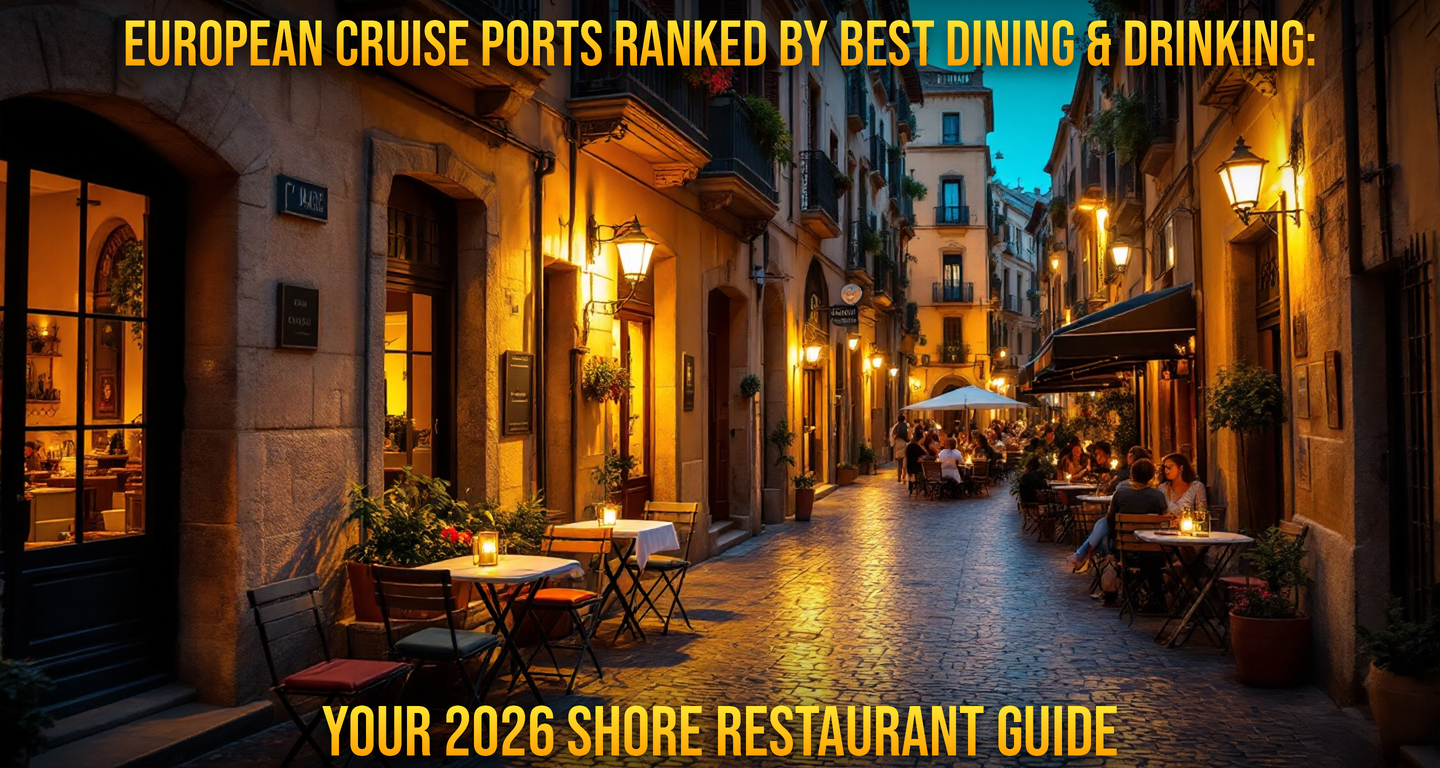
Barcelona: Mediterranean Sophistication Meets Street Food Energy
Barcelona is hands-down one of the best eating ports in the Mediterranean. You dock near the waterfront, which means excellent restaurants are within 15-20 minutes on foot.
Fine Dining & Upscale Options:
- Cinc Sentits (5 Senses) — This Michelin-starred restaurant in the Eixample district serves modern Catalan cuisine. Expect to spend €80-120 per person for a full menu. It's a 20-minute walk or short taxi ride from the port. Book ahead through our CruiseVoices concierge if you want a guaranteed table.
- Tickets Bar — Ferran Adrià's tapas destination. This is standing-room only, incredibly trendy, and €50-70 per person. The cocktails are exceptional. Getting in without a reservation is nearly impossible, so plan ahead.
- Vivanda — Upscale Catalan-Mediterranean cuisine with a quieter vibe than the downtown scene. €70-90 per person. The seafood is pristine.
Mid-Range Gems & Local Favorites:
Forget the restaurants on the main tourist drag near Columbus Monument. Instead, walk into the Gothic Quarter and find family-run spots in narrow alleys. Cal Pep is famous for seafood, €25-35 per person, and you'll rub shoulders with locals at the bar counter. Quimet & Quimet is a standing-room montadito (small sandwich) bar — €15-20 for an incredible meal and vermouth.
Wine & Vermouth Culture:
Barcelona has a serious vermouth-drinking culture that tourists often miss. Vermouth costs €3-5 per glass at any bar. Sit at a vermuteria (vermouth bar) in the Gothic Quarter, order a glass served over ice with an anchovy or olive, and you've got instant access to local life. Vermouth Casanova and La Vermuteria del Tano are authentic picks, not tourist traps.
Catalan wine regions (Penedès and Priorat) produce excellent wines under €20 per bottle at most restaurants. Ask for local recommendations rather than ordering by brand.
Lisbon: Affordable Excellence & Hidden Gem Wine Bars
Listbon is arguably the best value for serious foodies in Europe right now. Your money goes further here than anywhere else on this list, and the quality is exceptional.
Standout Restaurants:
Belcanto is a 2-Michelin-star restaurant (yes, two stars) with a tasting menu at €195 per person. Book it. This is one of the finest meals you'll have on any European cruise, and it's cheaper than similar experiences in Barcelona or Italy.
Alma (Michelin-starred) offers Portuguese cuisine with serious technique. €80-100 per person. The pastéis de nata (custard tarts) are made in-house and worth the trip alone.
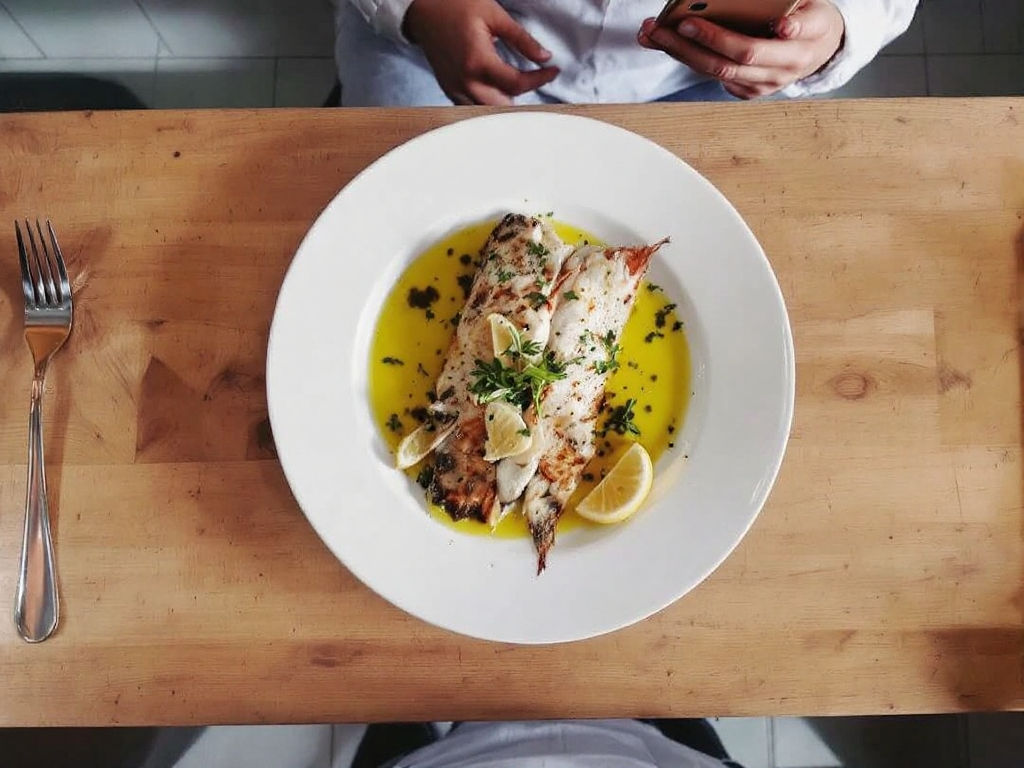
Tasca da Elvira is a tiny, hole-in-the-wall seafood restaurant in Alcântara with zero pretense and enormous flavor. €20-30 per person. This is where locals eat, and the grilled fish is extraordinary.
Wine & Natural Wine Movement:
Listbon has exploded as a natural wine destination. Wine bars like Wish Slow Coffee House serve natural wines by the glass (€6-12) in a relaxed setting. Vinho Me is a tiny wine bar specializing in Portuguese natural wines — the staff are genuinely knowledgeable, not pushy.
Portuguese wines are underrated globally. Try Douro Valley reds (€15-30 per bottle) or funky orange wines from small producers. Most restaurants will pour you a taste before committing.
Venice: Skip the Obvious, Find the Real Spots
Venice has a reputation as an overpriced tourist trap, and honestly? That reputation is earned. But if you know where to look, you'll find excellent meals.
The Hard Truth:
Any restaurant on St. Mark's Square or the Grand Canal will overcharge you and serve mediocre food. A simple pasta dish can cost €25-35 in those areas. Your ship docks in the Guidecca Canal, which is good — it's farther from the main tourist routes.
Worth Your Time:
Osteria Enoteca Giorgione — Off the beaten path, pasta is €12-18, and quality is serious. The owner is passionate about Venetian traditions. This is a 15-minute walk from the dock, but worth every step.
Alle Comare — Casual spot serving traditional Venetian seafood pasta. €15-22 per person. The pasta with clams and bottarga (fish roe) is the real deal.
Al Bacco Felice — Cicchetti (Venetian small plates) and Italian wines. €20-30 per person. Standing room only, loud, authentic.
Wines & Cicchetti Culture:
Skip formal sit-down dining and instead do what locals do: stand at a bar and order cicchetti. You'll get fresh seafood, cured meats, and vegetables — usually €2-5 each. Order 5-6 with a glass of Prosecco (€3-4), and you've had a full meal for less than €30.
Venetian wine tradition emphasizes white wines and Prosecco from nearby regions. Ask for local recommendations by region — Collio whites are outstanding and affordable at casual bars.
Seville (Cadiz Port): Tapas Capital of Spain
When you cruise into Cadiz, Seville is an easy 90-minute train ride inland. If your cruise includes a port day, this is worth the trip for food alone.
The Tapas Scene:
Seville's tapas culture is different from Barcelona's. Tapas here are often complimentary with a drink (this is real — you order a beer and get a small plate of something delicious for free at traditional bars). This is disappearing, but it still happens at local spots.
Casa Morales is a traditional tavern where locals eat. Jamón ibérico, seafood, and gazpacho. €15-25 per person. The aged sherry poured from a wooden barrel is extraordinary.
Eslava is a contemporary tapas restaurant with serious technique. €25-35 for a full tapas meal with wine pairings. Modern plating, traditional flavors.
Sherry & Fortified Wines:
Seville is the heart of sherry country (just 60km away). A glass of genuine fino (dry sherry) costs €3-4 and tastes like nothing else. Manzanilla is another dry sherry style — more delicate, with a slightly salty edge. Most bars will serve you a tasting flight for €10-15.
Do not miss this experience. Real sherry is one of the greatest aperitifs in the world, and you're in the epicenter of its production.
Rome (Civitavecchia Port): Pasta Perfection & Wine Simplicity
Rome is technically 90 minutes from your port at Civitavecchia, but it's the most visited destination, so let me be clear about what's worth your cruise day.
Best Strategy:
Don't eat at the tourist restaurants near the Colosseum or Vatican. Instead, head to neighborhood spots in Trastevere or Testaccio where Romans actually live.
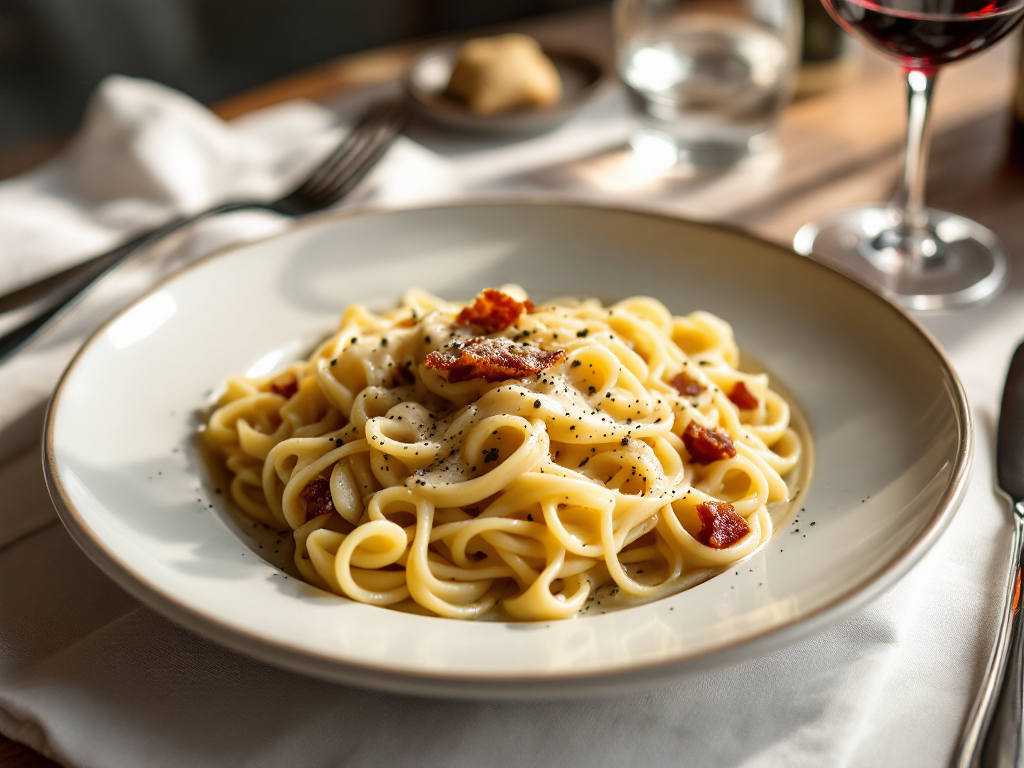
Flavio al Velavevodetto — Roman classics: carbonara, amatriciana, cacio e pepe. These three pastas are the holy trinity of Roman cooking, and this spot does them perfectly. €15-20 per plate.
Armando al Pantheon — Family-run since 1961, a few blocks from the Pantheon. Simple, perfect, delicious. €20-28 per person. No frozen ingredients, no shortcuts.
Pipero Roma — Upscale Roman cuisine with a focus on pasta and seafood. €35-50 per person. The burrata and tomato starter is perfect.
Italian Wine Approach:
Italian restaurants don't have complicated wine lists. They have house wine — usually a local white or red from nearby regions. Order a glass (€4-6) without overthinking it. Italian wine culture is about drinking what grows near where you eat.
Unless you're at a high-end restaurant, don't order by label. Tell the server you like dry whites or medium reds, and let them pour.
Naples: Street Food Kingdom & Unfiltered Italy
Naples is chaotic, loud, sometimes sketchy, and home to some of the best street food and casual eating in Europe. If your cruise stops here, prepare for authentic.
Street Food ($):
You'll find pizza fritta (fried pizza pockets) at street stalls for €3-5. These are stuffed with cheese and ragù, fried, and served immediately. This is breakfast for locals.
Arancini (rice balls) are €2-3 and available at almost every food stand. The arancino al ragù (meat sauce) is the classic.
Pastry shops sell sfogliatelle (crispy, custard-filled pastry) for €2-3. Get one with espresso for a perfect morning.
Sit-Down Restaurants:
Da Michele is famous — often with a line out the door. Two things only: pasta with tomato sauce or pasta with meatballs. €5-8. No credit cards, standing room, pure chaos, utterly authentic.
L'Antica Pizzeria da Michele is the slightly more upscale sibling. €8-12 for pizza. Margherita here is exceptional.
Gino Sorbillo — Another legendary pizzeria. €10-15 per pizza. Reservations recommended.
Wine Notes:
Southern Italian wines are underrated and affordable. Greco di Tufo (white) and Aglianico (red) from Campania are excellent. Most casual restaurants have house wine at €4-6 per glass.
Nice, France: Provençal Dining with Mediterranean Flair
Nice offers French finesse without Paris prices. The Riviera influence keeps things elevated but accessible.
Classic Nice Dishes:
Salad Niçoise is from here — it's €12-18 and perfect as a light lunch.
Pissaladière is Nice's answer to pizza (caramelized onions, anchovies, olives on bread). €10-14 and essential.
Socca is chickpea flour pancake street food — €3-5, eaten standing up with a plastic fork.
Restaurant Picks:
L'Univers — Classic brasserie with Provençal dishes. €25-35 per person. Bouillabaisse (fish stew) is their specialty.
Le Safari — Small, family-run, authentic Nice cuisine. €20-30 per person. The locals eat here.
Chez Coco — Casual spot, great seafood, reasonable prices. €18-25 per person.
Wine & Rosé Culture:
Provençal rosé is everywhere and excellent. A glass costs €4-7. It's not a "ladies' wine" — it's serious and food-friendly. The color should be pale pink (almost salmon), not neon.
Drink rosé as an aperitif or with lunch. Sancerre is another regional white worth trying at €5-8 per glass.
Civitavecchia to Rome Detour: Is the Train Worth It?
If your cruise only docks in Civitavecchia, you have options. The train to Rome takes 90 minutes, costs €15-20 round trip, and runs frequently.
Reality Check:
You'll lose 3-4 hours to train time. That leaves you 4-5 hours in Rome. Is that worth missing the ship? For serious food lovers, maybe. For casual cruisers, probably not.
Instead, eat well in Civitavecchia itself. There are excellent restaurants within walking distance of the port. Skip the train unless you've specifically built your schedule around it.
Pro Tips for European Port Dining
- Book in Advance: Michelin-starred restaurants fill up months ahead during peak season (May-September 2026). Use our AI concierge at CruiseVoices to handle reservations before you sail.
- Avoid The Tourist Trap Pattern: If a restaurant has picture menus or aggressive street touts, walk past it. Real restaurants don't need to recruit customers aggressively.
- Eat Lunch, Not Dinner: Lunch (12-2pm) is cheaper than dinner at the same restaurant — sometimes 30-40% less. You'll also have time to get back to the ship without stress.
- Ask Crew Members: Your ship's crew lives in these ports. Ask a server where they eat. You'll get authentic recommendations.
- Cash Still Matters: Many small restaurants and bars in Europe operate primarily on cash. Check ATM availability before heading inland.
- Wine Doesn't Have to Be Expensive: Regional house wines are €4-8 per glass and paired to local food perfectly. You don't need to buy the expensive bottles.
- Portion Sizes Vary: Mediterranean portions are often smaller than you expect. Order multiple small plates or pair pasta with a salad.
- Timing Is Everything: Dinner in Europe starts at 8-9pm. Restaurants may not fill up until then. Early 6-7pm seatings are often quieter and faster.
2026 Port Dining Trends
Natural wines, small-plate dining, and regional authenticity are dominating European port cities right now. Skip the formal tablecloth experiences and look for casual, ingredient-driven restaurants run by passionate chefs.
Veganized menus are standard at most restaurants, even casual ones. You won't feel excluded or forced into boring options.
Third-wave coffee culture has arrived in every major port. If you need excellent coffee to start your day, it's easy to find.
What NOT to Eat in European Cruise Ports
- Seafood pasta at touristy waterfront restaurants — it's often frozen and overpriced
- "Tourist menu" fixed-price dinners — they exist for a reason
- Anything in a restaurant with a picture menu or sign outside
- Fresh fruit from street vendors if you haven't seen them wash their hands
- Tap water in some southern Mediterranean ports — order bottled water
The Real Talk About Allergies & Dietary Needs
European restaurants are usually excellent with allergies if you communicate clearly. Write down your allergies or restrictions in the local language (use translation apps), hand it to staff, and most will take you seriously.
Gluten-free dining is easier in Italy and Spain than in France, but available everywhere. Ask your server or the chef directly.
Building Your European Dining Plan Before You Sail
Don't wing this. Two weeks before your cruise, decide which ports you're visiting and which restaurants you want to experience. Book Michelin-starred or popular spots immediately through our CruiseVoices concierge — they'll handle all communication with restaurants and secure your reservations.
For casual dining, have a backup list of 3-4 recommendations per port from local sources. Ask our community forum for real, current advice.
The Honest Bottom Line
European cruise ports offer the best dining value of any destination I've cruised. You can have Michelin-starred meals for half the price of similar restaurants in New York or London. Local wines are affordable and delicious. Street food is authentic and safe.
The difference between an okay port day and an extraordinary one comes down to 15 minutes of planning before you sail. Book the one special meal. Research the neighborhoods. Ask locals where they eat. Then show up hungry and curious.
You're not just fueling your body — you're experiencing the culture, history, and soul of each destination through food. That's worth prioritizing.
Share Your European Port Dining Discoveries
Have a secret gem restaurant we missed? Found an incredible wine bar? Share your discoveries and help other cruisers discover Europe's best dining experiences in our Europe Ports community!