

Drew_Callahan
Moderator
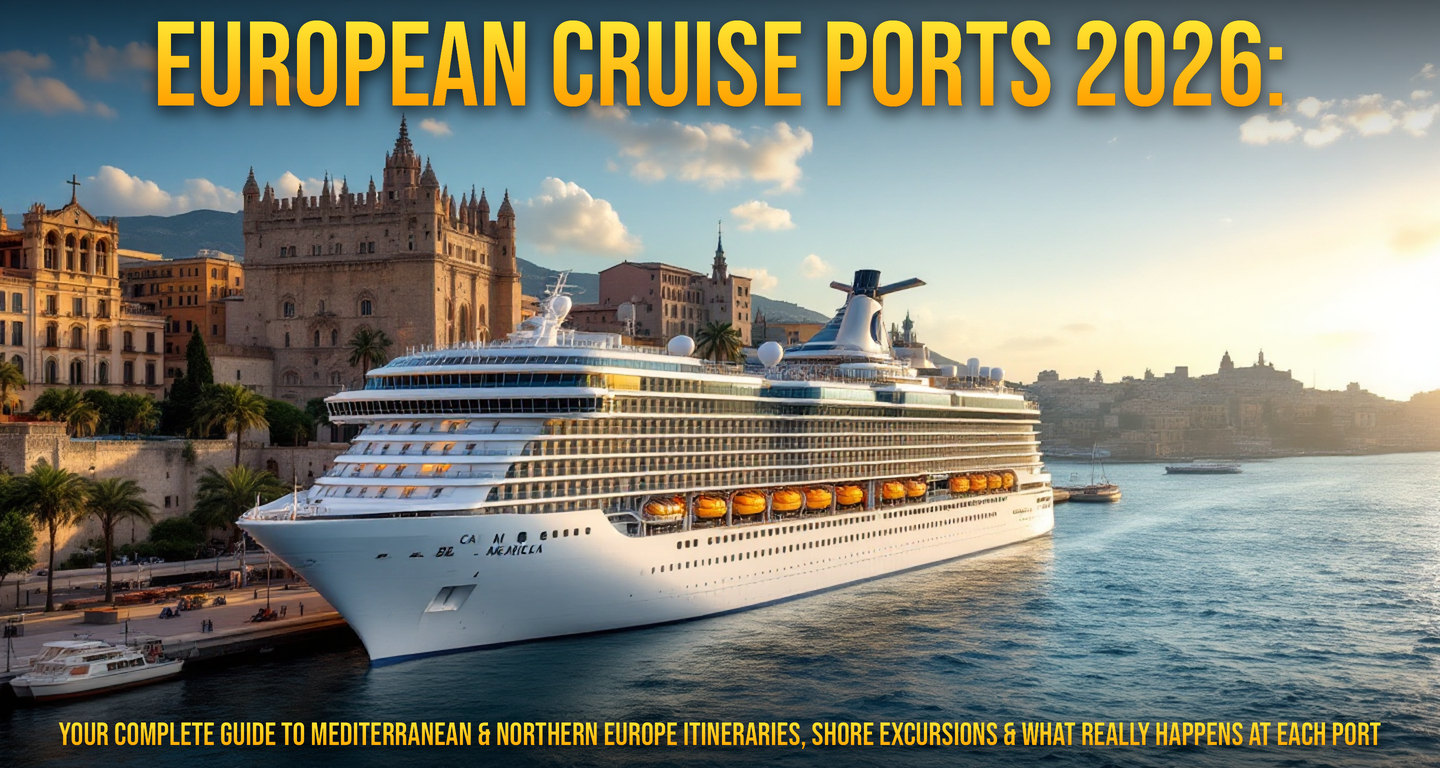
European Cruise Ports 2026: Your Complete Guide to Mediterranean & Northern Europe Itineraries, Shore Excursions & What Really Happens at Each Port
After 40+ cruises, I've spent more time exploring European ports than I have in my own living room. I've watched the sun rise over Santorini's caldera, navigated the crowded streets of Barcelona at dawn to beat the crowds, and learned exactly which Oslo seafood restaurant is worth your money (and which isn't). Europe is where cruising becomes an art form—but only if you know what you're walking into.
This isn't a generic port guide. I'm giving you what the brochures don't: the real timing strategies, the honest excursion breakdowns, the ports worth your money versus the tourist traps, and exactly how much time you actually need at each stop. Whether you're eyeing a 7-day Mediterranean loop or a Norwegian fjord adventure, this guide is built from real experience and hundreds of conversations with cruisers who've been there.
Mediterranean Cruises: Where Most Europeans Start
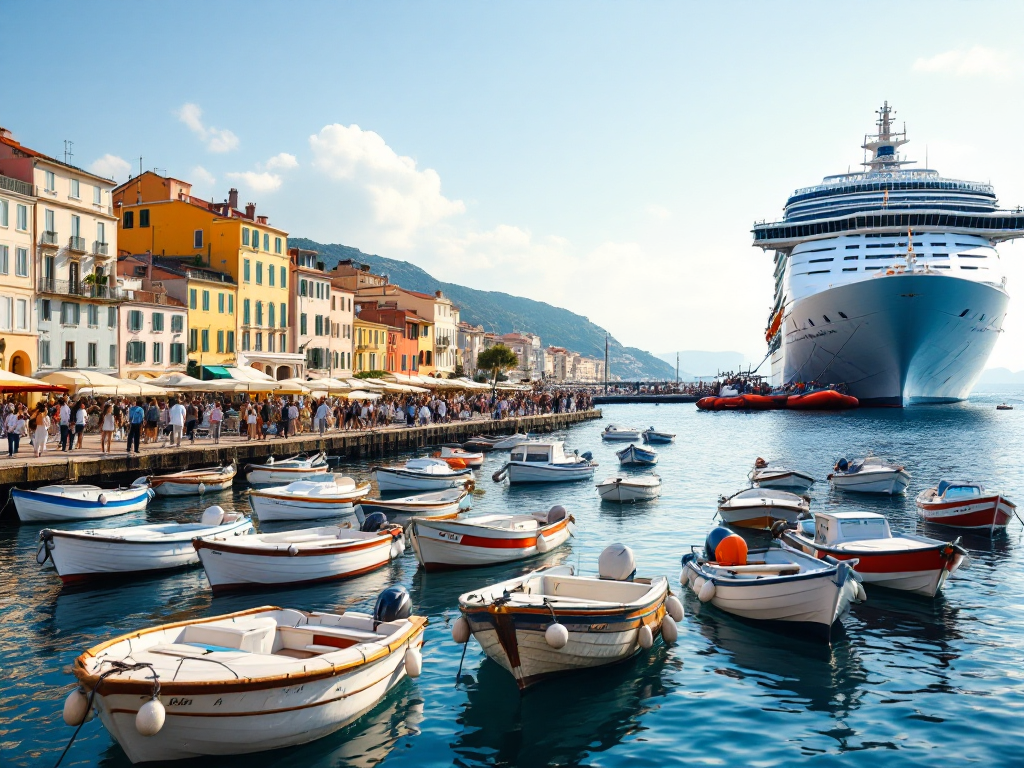
Mediterranean cruises dominate European bookings in 2026, and for good reason. These itineraries hit the most famous ports, offer the warmest weather (May through September), and give you that postcard-perfect sailing experience. Most sailings run 7-12 days and include a mix of major ports and smaller hidden-gem stops.
What to expect: Mediterranean ports are crowded—especially the famous ones like Barcelona, Rome (Civitavecchia), and Venice. Ships arrive early morning and stay until evening, giving you 8-10 hours in port. The downside? So does every other ship. If you're doing an independent excursion, get moving within 30 minutes of tendering ashore.
Barcelona: Gateway to the Mediterranean
Barcelona's port is massive—ships dock right in the city center, which means zero commute time. Most cruisers wake up to the Gothic Quarter visible from their balcony. The mistake 80% of passengers make: staying on the busy Las Ramblas boulevard with every other cruiser.
What I actually recommend: Skip the Sagrada Familia guided tour if you're booking through the ship. The lines are brutal, the price is inflated (expect $120-180 per person), and you'll spend more time waiting than exploring. Instead, walk 15 minutes from the port to the Barcelona Cathedral in the Gothic Quarter, grab coffee at a local café for €3, and explore on your own. If you want Sagrada Familia, book tickets online the night before at sagradafamilia.org for €34-40. You'll move through much faster.
The Port Vell waterfront (literally 2 minutes from the cruise terminal) has restaurants, shops, and actually decent people-watching without the cruise ship crowds. Lunch runs €12-20 for solid Catalan food.
Best ship excursion value: Park Güell at sunrise costs around $95-110 and is worth every penny if the ship offers it early. You'll have 90 minutes before the tour buses arrive.
Rome (Civitavecchia): The Long Game Port
Here's the brutal truth: Rome is 90 minutes from the port by train. If a cruise line tells you their "Rome port" is convenient, they're being generous with geography. You'll need 6-7 hours minimum just for travel time. This means either booking a ship excursion (pricey: $180-280) or taking the train independently and being very strategic.
If you're going independent: The Civitavecchia train station is 5 minutes from the port on foot. Buy train tickets at the station (not through third parties) for about €12 return. Trains to Rome Termini run every 30-45 minutes. Get on the first train after breakfast, spend 4 solid hours in Rome, and catch an afternoon return train. This leaves you 6 hours in port total—tight, but doable for the Colosseum, Roman Forum, and a quick lunch.
Honest reality: Unless you're willing to sprint through Rome, skip Rome on a cruise and do it during a land portion of your trip. The port time doesn't match the experience Rome deserves.
Venice: Unique Entry, Surprisingly Crowded
Venice feels magical because ships dock outside the lagoon, and you arrive by tender through the actual waterways. It feels more authentic than other Mediterranean ports—until you realize 5,000 other cruisers are arriving at the same moment.
The key move: Tender time is typically 7:00-7:30 AM for early arrivals. Get to the tendering area by 6:45 AM. Yes, really. The first tender passengers reach St. Mark's Square by 8:00 AM when it's still manageable. By 10:00 AM, the piazza is shoulder-to-shoulder tourists.
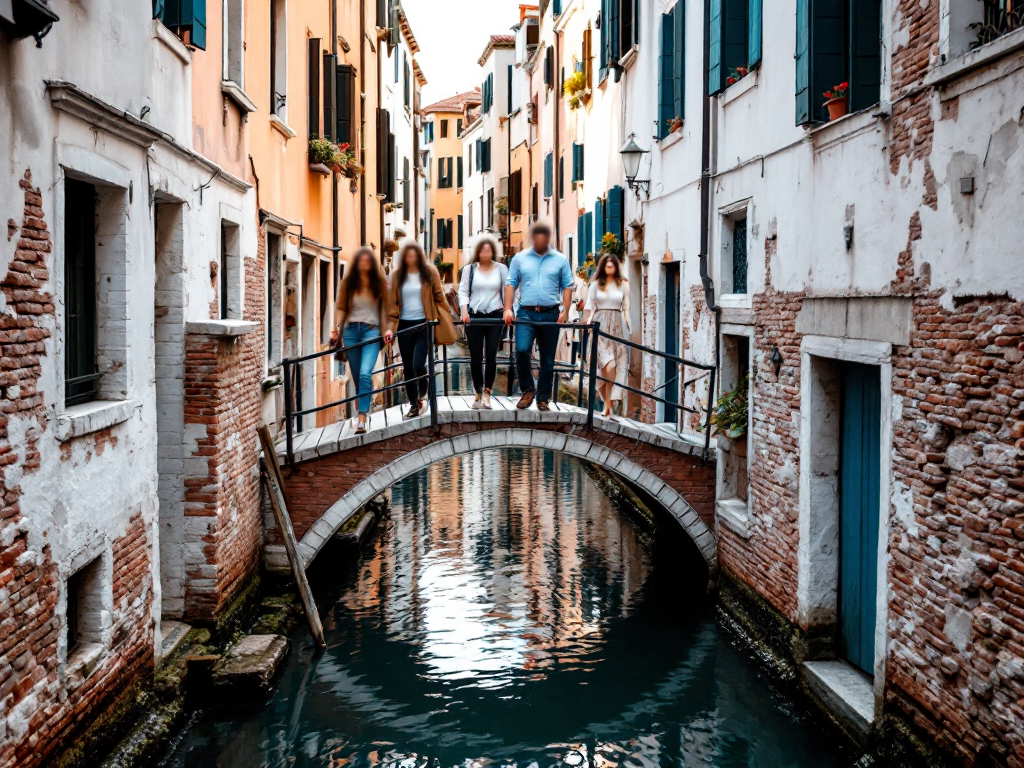
Spend your first 90 minutes at St. Mark's Basilica and the Doge's Palace while crowds are lighter. Then retreat to the quiet side canals (literally 3 blocks away) for lunch and wandering. The entire San Marco area is small enough to cover on foot in 4 hours, leaving you 2-3 hours for the outlying neighborhoods like Cannaregio, which most cruisers never see.
Excursion reality: Ship-offered Murano and Burano glass tours run $110-140 and include gondola rides. They're pleasant but touristy. If you want authentic Venice, skip the excursion and explore on foot. A gondola ride (book at the water's edge, not in advance) costs €80-100 for 30 minutes, and honestly, the small canals are more interesting than the famous Grand Canal.
Ports of Provence (Villefranche, Cannes, Marseille): The Underrated Gems
These three French ports are absolutely underrated compared to the Italian circus. Villefranche is tiny and charming. Cannes feels like the French Riviera actually should. Marseille is rough around the edges but genuinely interesting.
Villefranche: Ships anchor offshore and tender ashore. The village has maybe 3,000 residents, so it never feels overcrowded. There's literally nothing to "see" here except a beautiful coastline and local restaurants. That's the point. Have lunch overlooking the harbor (expect €18-30 for fresh fish), walk the waterfront for 90 minutes, and call it a win. This port is pure Mediterranean experience with zero crowds. Most cruisers skip it because there's no famous monument, which is exactly why you should go.
Cannes: The Palais des Festivals (where the film festival happens) is on the waterfront. Walk up to Le Suquet (the old town) and you'll understand why celebrities actually live here. The views alone are worth the 20-minute walk uphill. No excursion needed. Lunch at a small café in Le Suquet costs €15-22 and is infinitely better than anything at the port terminals.
Marseille: Port security can be tight here, so have your ID ready. The Old Port (Vieux Port) is 15 minutes walking. If you want the iconic Notre-Dame de la Garde basilica, it's a steep 20-minute walk or a €2 bus ride. Honestly, the basilica's exterior is the Instagram moment—the interior is underwhelming. Spend your time in the old town eating bouillabaisse (expect €20-30) and watching the fishing boats. This is real Provence, not the sanitized version.
Greek Islands: Santorini, Mykonos & Rhodes
Santorini: Let me be blunt: Santorini is the most overhyped cruise port in the Mediterranean. The caldera views are genuinely stunning, but you'll share them with 8,000 other cruisers. Ships anchor offshore and tender passengers to the port. The moment you land, you're funneled into either a donkey ride up to Oia (which is now so crowded that taking a photo is harder than climbing) or a cable car (€10 up, €10 down, 15-minute wait each way).
My actual strategy: Skip the cable car and donkeys entirely. Walk the path from the port to Fira (30-40 minutes uphill, yes it's steep). You'll pass way fewer people, and the physical exertion actually deters crowds. Spend 90 minutes in Fira exploring the main square and side streets, then walk to Imerovigli (another 30 minutes) where the views are equally stunning with a fraction of the people. Grab lunch there for €14-20. You'll have walked 3 hours total and spent about €25, versus paying $120+ for a ship excursion that does the donkey/cable car circuit.
Honest take: Visit Santorini if the itinerary includes it, but don't plan a cruise around Santorini. The island's beauty is real, but the experience has been crushed by cruise tourism.
Mykonos: This is actually a better port than Santorini for experiencing Greek island life. Ships dock right in town (not offshore), so no tendering. The waterfront has restaurants, bars, and shops without feeling completely overrun. Spend 4-5 hours wandering, have lunch at a waterfront taverna (€16-25), and enjoy authentic Greek hospitality. The famous nightclubs are in town if you're interested, but they're expensive and designed for the evening crowd. Day visits are actually relaxed here.
Rhodes: The medieval Old Town is a 10-minute walk from the port. The Palace of Grand Masters is the main attraction (€9 entry, 90 minutes to explore). The Street of Knights is charming and less crowded than you'd expect. This port delivers actual medieval history without the crowds of other Mediterranean stops. Budget 4-5 hours total. Restaurant meal (fresh seafood): €15-22.
Northern European & Fjord Cruises: A Completely Different Animal
Northern Europe cruises (May-September) offer dramatic scenery, cooler weather, and surprisingly fewer crowds than Mediterranean routes. These typically run 7-12 days and include Scandinavia, the Baltic, Norway, and sometimes Iceland.
Norwegian Fjords: The Real Deal
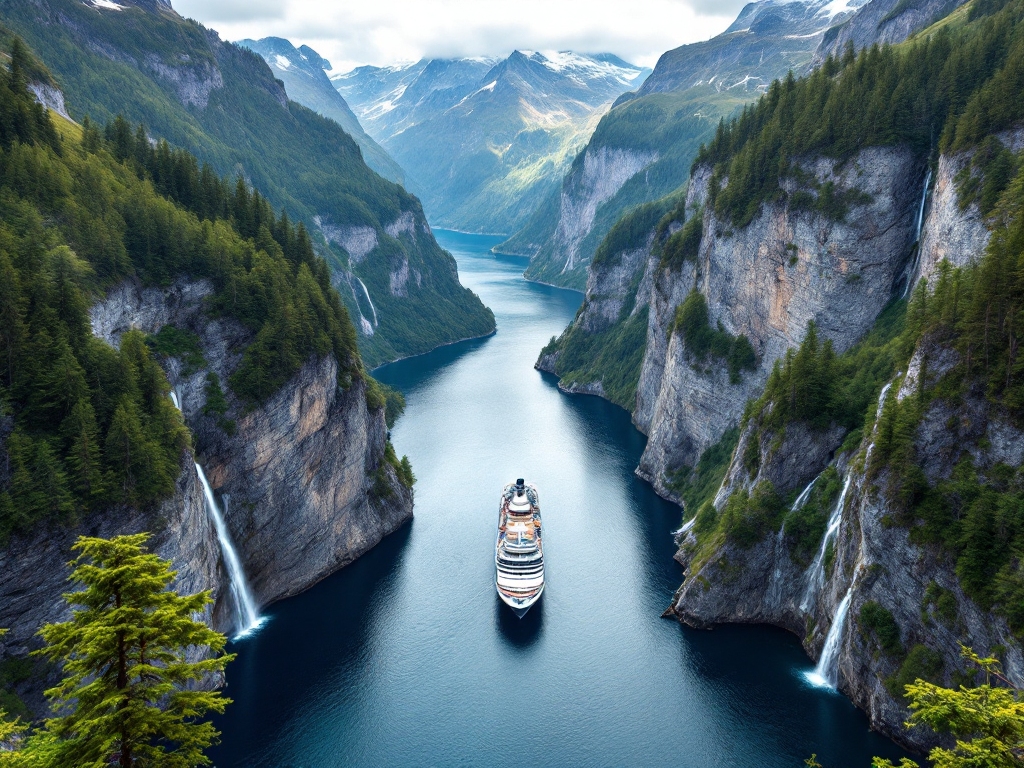
Geirangerfjord and Sognefjord are absolutely worth cruising to see—and they're actually better than Mediterranean ports because the ship itself is the main attraction. You're not rushing ashore to see famous monuments. You're staying on deck watching 6,000-foot waterfalls and glacier-fed fjords slip past your cabin.
What to expect: Most ships spend all day navigating the fjord (not in port), so you'll have 4-6 hours ashore in fjord towns like Flåm, Geirangerfjord, or Olden. These are tiny places—population 300-800. There's one main street, a few restaurants, and genuinely stunning scenery.
Flåm specifically: The ship excursion (Flåm Railway) costs $130-180 and takes you on the most scenic train ride in Europe—20 minutes up a mountainside with 20 switchbacks. Is it worth the price? Yes, if the ship offers it as part of a package excursion. If you're going independent, book the train ticket at the station for about €50 return. The ride is 45 minutes each way. Spend 2 hours at the top (small village, a hotel, basic hiking), then return. Total time on excursion: 3.5 hours. Remaining time in port: explore Flåm village and have lunch overlooking the fjord (€18-28 for fish soup and bread).
Honest take on Northern Europe excursions: Ship excursions here are actually worth the premium price because: (1) transportation is limited and slow in these remote areas, (2) the excursions combine transportation + activity in a way independent travel can't match, and (3) you don't have to worry about getting back to the ship on time in a place where "late" could mean missing your ride entirely.
Copenhagen: Underrated Port City
Copenhagen feels less touristy than Barcelona or Venice because the cruise port is separate from the city center. You'll take a metro ride (15 minutes, €5) to get downtown, which means most cruisers don't bother. This is to your advantage.
What's actually worth seeing: Nyhavn (the famous colorful harbor) is 2 minutes from the central station. It's Instagram-famous but the actual experience is eating fresh shrimp sandwiches (€8-12) at a harborside restaurant and watching the scene. Spend 45 minutes here, then move on.
Rosenborg Castle (€15 entry) is 15 minutes walking and houses the Danish crown jewels. It's genuinely interesting and less crowded than Mediterranean attractions. Budget 90 minutes.
Tivoli Gardens (€20 entry) is a historic amusement park that's been operating since 1843. It's charming and perfect if you want a break from typical sightseeing, but not essential on a short port day.
Best move for Copenhagen: Skip the ship excursions ($100-140), take the metro independently, and spend 5 hours exploring on your own. Lunch: €15-20 for smørrebrød (open-faced sandwiches).
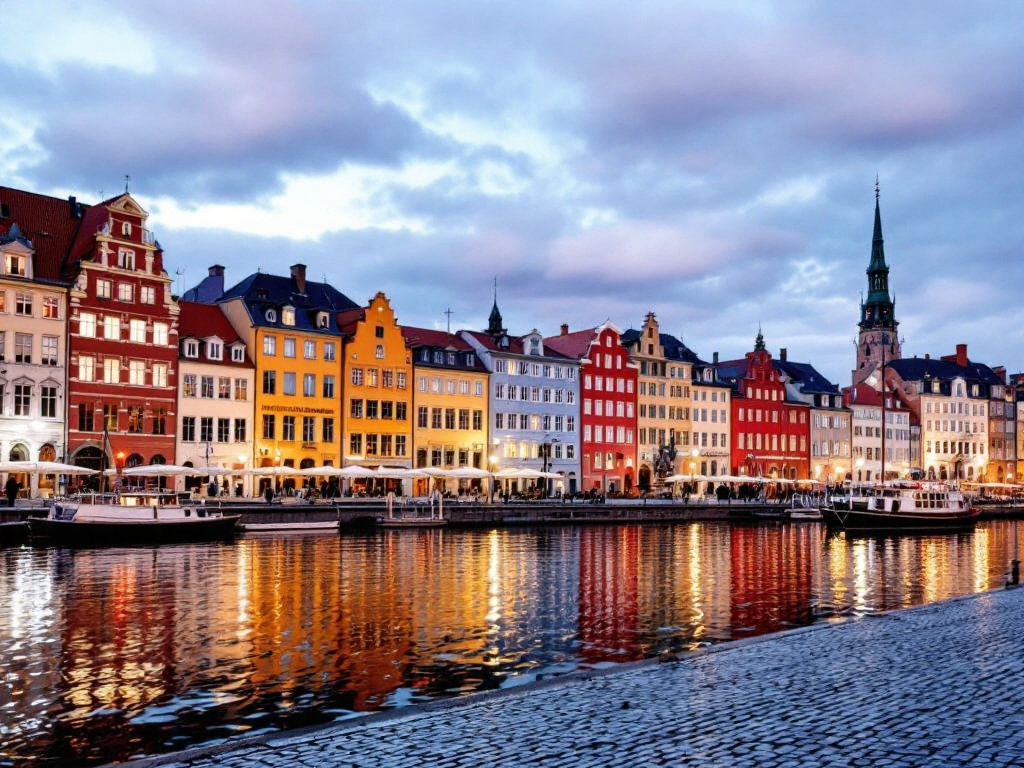
Stockholm: Islands Within a City
Stockholm's port puts you on the city's outskirts, but the metro (literally from the port, €3) takes you to Gamla Stan (the Old Town) in 10 minutes. This is where the magic happens—colorful buildings dating back to the 13th century, narrow streets, and actually manageable crowds.
Do this: Metro to Gamla Stan, walk the main streets for 90 minutes, grab lunch at a local café (€14-22), take the metro to Skansen (an open-air museum of traditional Swedish buildings, €20 entry, 2-3 hours), then metro back to port. Total independent time: 5-6 hours. Total cost: €35-40 per person (metro + lunch + one attraction). Ship excursion for similar itinerary: $120-150.
Stockholm's advantage: Unlike Mediterranean ports where you're competing with 8,000 other cruisers, Stockholm feels genuinely Swedish and peaceful. The city is built on 14 islands, so you get water and nature views even in the city center.
Hamburg: Gateway to the Baltic
Hamburg is an underrated cruise port that many itineraries skip. It's a real working city, not a tourist destination, which makes it refreshingly authentic.
Main attractions (all reachable by S-Bahn train from the port, €3):
- Miniatur Wunderland: World's largest model railway (€16 entry, 2-3 hours). It sounds gimmicky, but it's genuinely fascinating.
- Hamburg Kunsthalle: Major art museum (€15 entry, 2 hours). Free on certain days—check ahead.
- Speicherstadt: Historic warehouse district with canals, free to walk around, great for photos and café breaks (30 minutes).
Hamburg is less photogenic than Venice or Barcelona, but it's where you'll actually interact with Europeans instead of cruise tourists. Lunch: €12-20 for German food.
The Baltic: Tallinn, Riga & St. Petersburg
Tallinn (Estonia): One of Europe's best-kept cruise secrets. The medieval Old Town is 10 minutes walking from the port. Unlike Mediterranean ports, this isn't crowded—locals actually outnumber tourists. Walk the town walls (€5 entry), explore the market square, and have lunch at a local restaurant (€12-18). The whole experience feels genuinely Estonian, not sanitized for cruisers.
Riga (Latvia): The Old Town's Art Nouveau architecture is stunning and unique to Riga. Most Mediterranean ports have similar historical attractions; Riga actually feels different. Walk the Daugava River waterfront, explore the old guilds, and visit a traditional Latvian sauna if you're adventurous (€15-25). This port deserves 6-7 hours because there's so much to see without feeling rushed.
St. Petersburg (Russia): Check current geopolitical situations before booking any itinerary with St. Petersburg. Visa requirements, port operations, and safety situations change. As of early 2026, cruise operations to St. Petersburg are limited. If available, the Hermitage Museum (€20 entry) is one of the world's greatest art collections—budget 3-4 hours minimum. This port is worth the logistics if available.
The Money Reality: Ship Excursions vs. Independent Exploration
After 40+ cruises, here's what actually makes financial sense:
Book ship excursions when:
- You're in remote locations (Norwegian fjords, Iceland) where transportation is limited
- You want skip-the-line access (major museums with guaranteed entry times)
- You don't speak the local language and need a guide
- The tour combines transportation + admission in a way that's hard to DIY
- You want peace of mind that you won't miss the ship
Go independent when:
- The port is walkable from the dock (Barcelona, Venice, Copenhagen, Tallinn)
- Ship excursion is a basic "walking tour" (these are overpriced everywhere)
- You're visiting a museum or attraction you can access directly
- You're comfortable reading maps and using local transportation
- The ship offers 8+ hours in port (gives you buffer time)
Price comparison example: Barcelona Sagrada Familia through the ship: $150 per person. Same tour independent (pre-booked online ticket + self-guided visit): €40 per person. That's a €110 difference for the exact same experience.
However: A guided excursion tells you the history while you're looking at it. Independent visiting requires more effort. Both are valid—pick based on your travel style.
Tendering Ports: The Hidden Time Thief
Some European ports require tendering (being taken ashore by small boat). This adds 15-45 minutes each way to your port time. Villefranche, Santorini, and some Norwegian fjords tender.
Strategy: Check your specific itinerary. If tendering ports are included, assume you're losing 60-90 minutes to tender queues on each side (boarding and returning). Plan accordingly. Get to the tender queue early—like 20 minutes before the listed departure time. Late-arriving passengers frequently miss tenders and have to wait for the next rotation.
Packing for European Ports: Real Considerations
European ports involve a lot of walking (often on cobblestones) and mixed weather. Pack:
- Comfortable walking shoes (required, not optional—you'll walk 5-8 miles per port day)
- Light jacket (Mediterranean can be warm, but mornings/evenings cool down; Northern Europe is cool even in summer)
- Small daypack (sunscreen, water bottle, light snacks—all expensive in ports)
- Power adapter (Europe uses different outlets; buy before you leave home, not in ports)
- Euros or payment cards (ATMs exist in every port city; cash gives you better prices at local restaurants)
- Portable phone charger (maps will drain your battery)
Timing Within the Port: The Real Framework
Most Mediterranean ports: 8-10 hours ashore. Northern European ports: 6-9 hours (sometimes all-day port stays for fjords).
The pattern that works:
- First 2 hours: Get ashore quickly, grab breakfast/coffee, orient yourself.
- Middle 4 hours: Main sightseeing. Hit 1-2 major attractions, eat a real lunch (not rushed).
- Last 2 hours: Slower pace, wander side streets, café time, head back to ship with buffer time (aim to be back 90 minutes before all-aboard time).
This framework prevents both the "rushing" feel and the "I didn't see enough" regret.
Currency & Money: Don't Get Caught
Most Mediterranean ports use euros, but some don't (Norway uses kroner, Sweden uses kronor, UK uses pounds). ATMs are universal.
Reality check: Withdraw €100-150 per person for a Mediterranean port (covers lunch + café + modest shopping). This isn't enough if you're buying souvenirs, but it covers actual experiences.
Restaurant pricing reality 2026:
- Mediterranean casual lunch: €12-22 per person
- Sit-down dinner (non-tourist trap): €20-35 per person
- Coffee: €2-4
- Museum entries: €8-20
- Ship excursions: $90-180 per person
This matters because you need to budget specifically, not vaguely.
Safety & Real Risks (Not Fearmongering)
European ports are genuinely safe for cruisers. I've never had a single issue across 40+ European port days. Real precautions:
- Keep valuables in the cabin safe, not in your pocket. Pickpocketing exists in major cities (Barcelona, Rome, Venice) but it's statistically rare.
- Stay aware in crowded areas (especially Sagrada Familia queues, Colosseum crowds). Keep backpacks closed.
- Avoid extremely late nights alone in unfamiliar areas. Stick with the ship's all-aboard time.
- Trust your instincts. If a situation feels off, leave. You have a ship to return to.
Honestly? European cruisers face more safety risk from the cobblestone sprains and blisters than from crime. Wear good shoes.
What Actually Disappoints Cruisers (The Honest Part)
After talking to hundreds of cruisers, these are the real letdowns:
1. Mediterranean overtourism is real. Barcelona, Venice, Rome, Santorini—they're crowded. Early mornings and late afternoons help, but you can't eliminate the crowds entirely. This is the trade-off for famous destinations.
2. Excursion time is compressed. You spend $120+ to see something in 3 hours. That's the nature of port days. Accept this or plan land tours separately.
3. Food pricing surprises. Restaurants near cruise ports charge more. Move 2-3 blocks away and prices drop 20-30%.
4. Weather happens. Northern Europe can be cool and rainy even in summer. Mediterranean can have choppy seas. This isn't the ship's fault—it's Europe's weather.
5. Ship time is precious. You'll wish you had more. A 10-hour Mediterranean port day sounds long until you're there. Plan less, experience more.
Where to Find Community & Ask Real Questions
Planning a European cruise and want actual advice from people who've done it? Our CruiseVoices Europe Ports forum has detailed port discussions, itinerary questions, and genuine cruiser experiences. Ask specific questions about the ports you're visiting, and experienced European cruisers will give you real, unfiltered answers.
The Booking Move
European cruises in 2026 book 6-12 months ahead for peak season (June-August). If you're thinking about a cruise, connect with our community to discuss itineraries, then use our AI concierge or Trip Planner at cruisevoices.com to handle booking. We partner with 40+ cruise lines, and our concierge can search all available options, bundle flights, hotels, excursions—everything. Zero cost to you; we earn commission on bookings, so you get the same price whether you book here or anywhere else. The advantage? You have actual cruise experts supporting the planning, not just a booking engine.
Final Honest Take
European cruising is genuinely excellent if you manage expectations. You're not going to "really experience" Paris in 8 hours from Civitavecchia. You're not going to have Venice to yourself. What you will do is see stunning places, eat memorable meals, walk alongside history, and enjoy the efficiency of a cruise ship moving you between destinations.
The secret is accepting that European ports are part of a larger experience. The real magic often happens on the ship itself—watching Santorini's sunset from your balcony, waking up in Venice's lagoon, timing your breakfast perfectly to catch Geirangerfjord unfold. The ports are incredible, but they're the side dish, not the main course.
With smart planning, early mornings, and realistic expectations, a European cruise in 2026 is one of the best travel investments you can make.