

Jake_Harmon
Moderator
The Right Clothes Can Make or Break Your Cruise
I've packed for 40+ cruises, and I can tell you with absolute certainty: what works for a Caribbean sailing will leave you freezing on an Alaska voyage. Your destination isn't just a backdrop—it dictates your entire packing strategy, from the weight of your jacket to the style of your shoes.
The mistake most cruisers make is packing like they're going to one generic "cruise." But a week in Cozumel is wildly different from a week in Juneau, which is completely different from exploring the Norwegian fjords. In this guide, I'll break down exactly what to pack for each destination based on real cruise experience, not generic travel advice.
Caribbean Cruises: Light, Colorful, and Practical
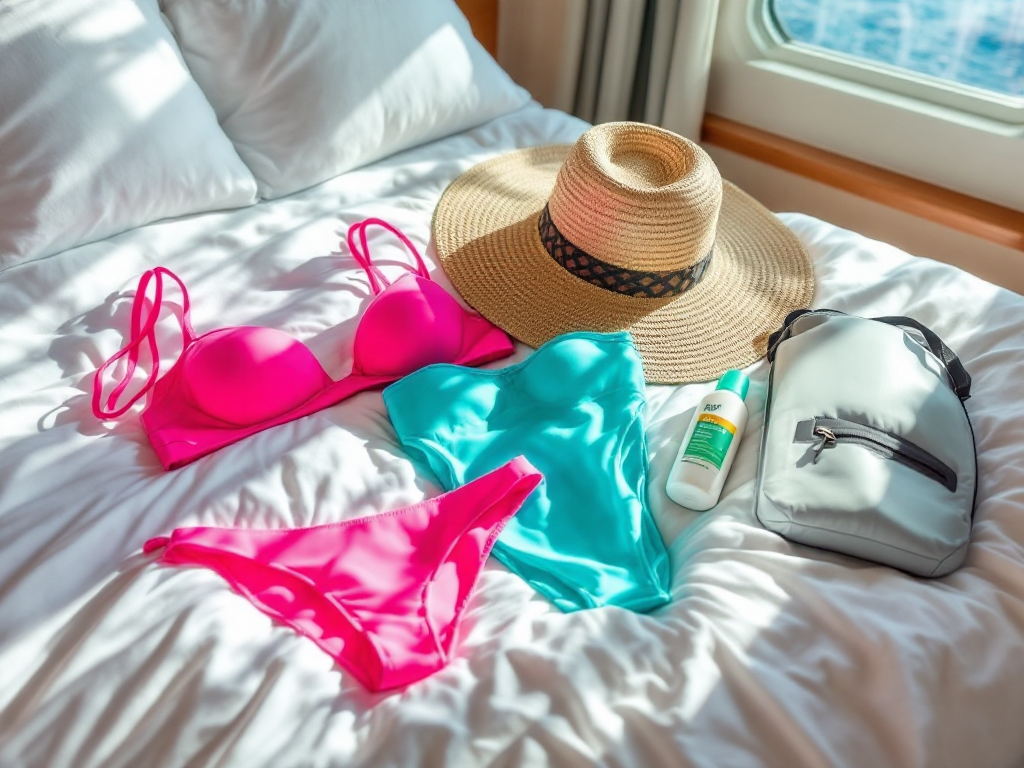
When you're sailing to places like Jamaica, Grand Cayman, or Turks and Caicos, the packing list simplifies dramatically. Your baseline is warm-weather clothing that breathes—and I mean truly breathes. Cotton and moisture-wicking synthetics are your friends. Humidity on Caribbean cruises can hit 85-90%, and you'll feel the difference between quality fabrics and cheap polyester within the first day.
Daytime Wear
Pack 5-6 lightweight t-shirts or tank tops. I prefer cotton blends that won't wrinkle as badly as pure cotton. Include 2-3 pairs of shorts in neutral colors (khaki, navy, gray)—linen shorts look nice but require constant ironing. One or two sundresses work great if that's your style. Bring a lightweight cover-up or linen shirt for when you want to leave the pool area without heading to your cabin.
The key insight most cruisers miss: bring fewer clothes than you think you need. You'll do laundry mid-cruise (most Caribbean sailings are 7 days), and you'll rewear items constantly. Nobody's keeping a fashion scorecard on the Lido Deck.
Evening/Formal Night Wear
On Caribbean cruises, formal nights are relaxed. Even "elegant" dress codes mean business casual on most lines. One nice sundress or lightweight pants with a dressy top will cover your formal obligation. If you're on Royal Caribbean or Carnival, one nicer outfit suffices. Celebrity and Disney run slightly dressier atmospheres, so consider two evening outfits if you're cruising for 10+ days.
I always pack one lightweight wrap or pashmina—cabin air conditioning is aggressive, and dining rooms can feel cold despite the tropical setting outside.
Footwear
You need exactly:
- Flip-flops or slides (wear these in the corridors and to the pool)
- Sneakers or boat shoes (for excursions and port walking)
- One pair of dressier sandals or dressy flats (for formal night)
- Water shoes if you plan snorkeling excursions
That's it. Don't pack six pairs of shoes like some cruisers do. You'll wear these four repeatedly.
Sun and Water Gear
Pack two swimsuits minimum—one stays wet on your cabin floor while the other dries, and you're never without a dry suit. Three is ideal if you're cruising 7+ days. Bring reef-safe sunscreen (many Caribbean ports now require it), a wide-brimmed hat, and sunglasses. Include a light rain jacket or poncho—Caribbean afternoon showers are quick but soaking.
Alaska Cruises: Layering is Everything
Now let me tell you about Alaska packing, because this is where I see cruisers make their biggest mistakes. People show up in a light jacket expecting to feel fine. Then they stand on the lido deck watching whales in a 45°F drizzle, and they're miserable.
Alaska cruises demand a completely different mentality. You're not packing for one temperature; you're packing for constant temperature shifts. Inside your cabin is warm. Outside on deck is cold. You move between them constantly.
The Layering System
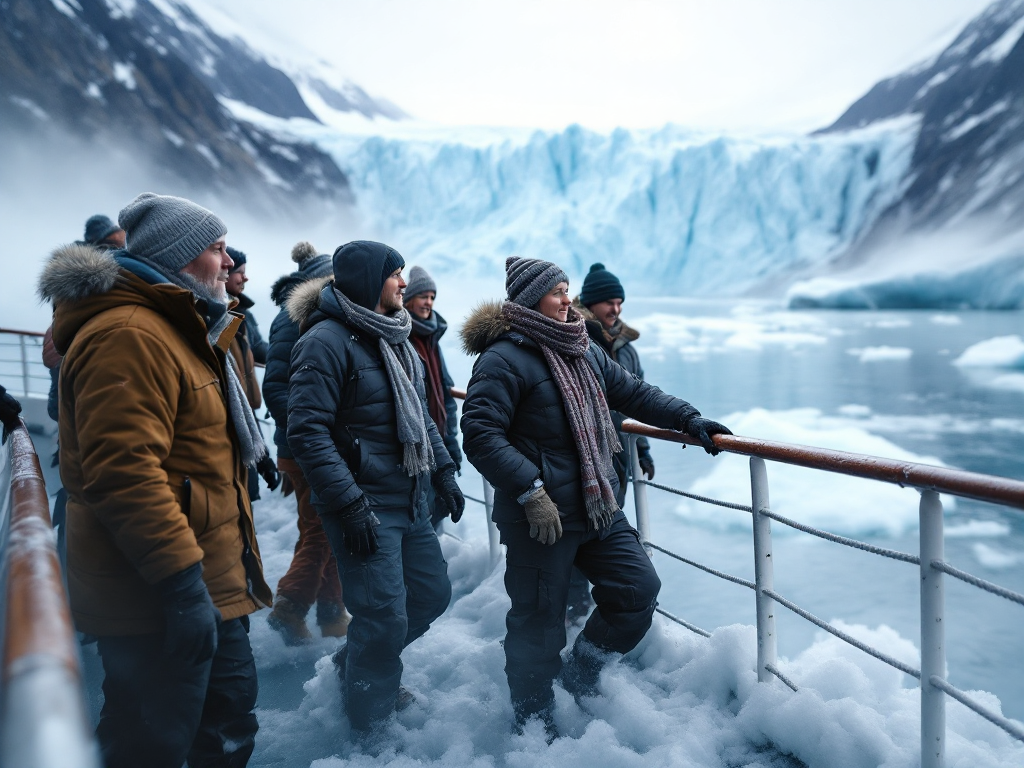
Bring quality base layers—thermal or merino wool long underwear. These sit against your skin and regulate temperature better than cotton. Over that, pack 2-3 lightweight fleece or wool sweaters. Then add a waterproof outer jacket that actually keeps wind and moisture out. This system—base layer, insulating mid-layer, waterproof outer—is non-negotiable on Alaska sailings.
I recommend one heavier fleece jacket and one lighter zip-up. You'll rotate them depending on deck activity. Don't pack multiple sweaters; bring one or two good ones instead.
Daytime Wear
Alaska cruises are casual. Pack 4-5 pairs of sturdy pants (jeans work fine), long-sleeve shirts, and a couple of t-shirts. Avoid pure cotton—go for wool blends or synthetic materials that dry quickly if you get splashed. One pair of leggings works as a base layer under pants or alone in your cabin.
You'll spend huge portions of your Alaska cruise on deck—watching tidewater glaciers calve, scanning for bears near Glacier Bay, or kayaking near icebergs. Comfort matters more than style.
Footwear
Alaska requires serious footwear planning:
- Waterproof hiking boots or sturdy waterproof shoes (your primary shoe for excursions)
- Warm wool socks (bring 6+ pairs; your feet get wet and cold)
- Flip-flops for in-cabin only (the ship is too cold for deck-lounging in sandals)
- One pair of shoes for formal night if required
Waterproof is non-negotiable. The decks are perpetually wet, and shore excursions often involve wet environments. Spending $120 on good waterproof boots beats spending the entire cruise with soggy feet.
Outerwear and Accessories
Bring a serious waterproof jacket—not a light rain shell, but an actual winter rain jacket. Include a warm hat that covers your ears, insulated gloves, and a scarf or neck gaiter. These aren't optional; they're essentials. I also pack thermal leggings to wear under pants, and two pairs of thermal long underwear.
Alaska sailing in summer (June-August) means temperatures from 45-60°F. September sailings drop to 40-50°F. Pack for cold, wet conditions, period.
Europe Cruises: Sophisticated and Practical
European cruises are their own animal. You're not just experiencing a ship; you're stepping into European culture at sophisticated ports. Your clothes need to look presentable for wandering through historic city centers, visiting museums, and dining at nicer restaurants.
Daytime Wear
Pack 5-6 versatile pieces that mix and match: nice pants, dark jeans, lightweight skirts, and quality t-shirts or blouses. Europeans dress slightly more formally than Americans, so avoid athletic wear off the ship. Include one or two lightweight sweaters for layering. Linen blends are perfect for Europe—they're wrinkle-forgiving and breathable.
One critical point: European dress codes at restaurants are genuinely stricter than Caribbean cruises. You won't get turned away in casual clothes, but you'll notice other guests are dressed nicer, and it affects your experience.
Evening Wear
Bring 2-3 dressier outfits for formal/elegant nights. European sailings tend to be dressier than Caribbean ones. Consider a blazer or structured jacket that works with multiple outfits. One dinner dress or sophisticated pants-and-top combination is a minimum. If you're sailing 10+ days, three evening options give you flexibility.
Footwear
European port walking is non-negotiable, and comfort matters:
- Comfortable walking shoes or sneakers (you'll log 15,000+ steps exploring Barcelona, Rome, or Stockholm)
- Flats or dressy sandals for formal night
- One pair of nicer shoes for upscale dinners
- Lightweight rain shoes or waterproof sneakers (European weather is unpredictable)
Don't underestimate port walking. I've done 12+ European cruises, and the guests who suffer are the ones who wore fashion over function. Your feet will thank you for prioritizing comfort.
Weather Layering
European seasons vary dramatically. Summer sailings (June-August) run 60-75°F, while shoulder seasons (April-May, September-October) drop to 50-65°F. Pack a lightweight rain jacket and a medium-weight sweater or cardigan that works with multiple outfits. One structured blazer serves double duty as evening wear and daytime layering.
If you're cruising the Mediterranean in summer, you need less, but still pack one light layer. Northern Europe and the Baltic require more serious outerwear.

Universal Cruise Packing Truths (All Destinations)
Regardless of where you're sailing, these items are non-negotiable:
Documentation and Essentials
Passport (obviously), cruise documents, travel insurance confirmation, medications in original containers, and eyeglasses if you wear them. Keep these in your carry-on. I also pack copies of my documents in a separate location—old-school but lifesaving if something goes missing.
Toiletries
Ships provide basic soap and shampoo, but most people prefer their own products. Pack deodorant, toothbrush, medications, and any specialty skincare. Sunscreen is bulky—buy a small amount at your first port and refill if needed. Hair products take up space; consider travel sizes.
Pro tip: Bring basic medications (pain relievers, antacid, anti-diarrheal, allergy medicine). The ship sells these at inflated prices, and it's better to have them in your cabin.
Electronics and Chargers
Phone, camera, and chargers. Many cruise lines offer onboard wifi now, so you might want your device. Cabin outlets are limited, so a small power strip helps (ask your cabin steward if it's allowed—most lines permit them).
Money and Payment
Bring some cash for tips and onboard purchases, but your cruise card is your primary payment method. Most Caribbean ports take US dollars; European ports require euros or credit cards. I always pack a small amount of local currency before arriving at a European port.
The Formal Night Question
In 2026, cruise lines are dramatically more relaxed about formal nights than they used to be. Even Disney and Celebrity allow resort casual instead of formal. Still, plan one dressy outfit per week of cruising. You'll want it, even if the dress code says "optional."
The Packing Mistake Everyone Makes
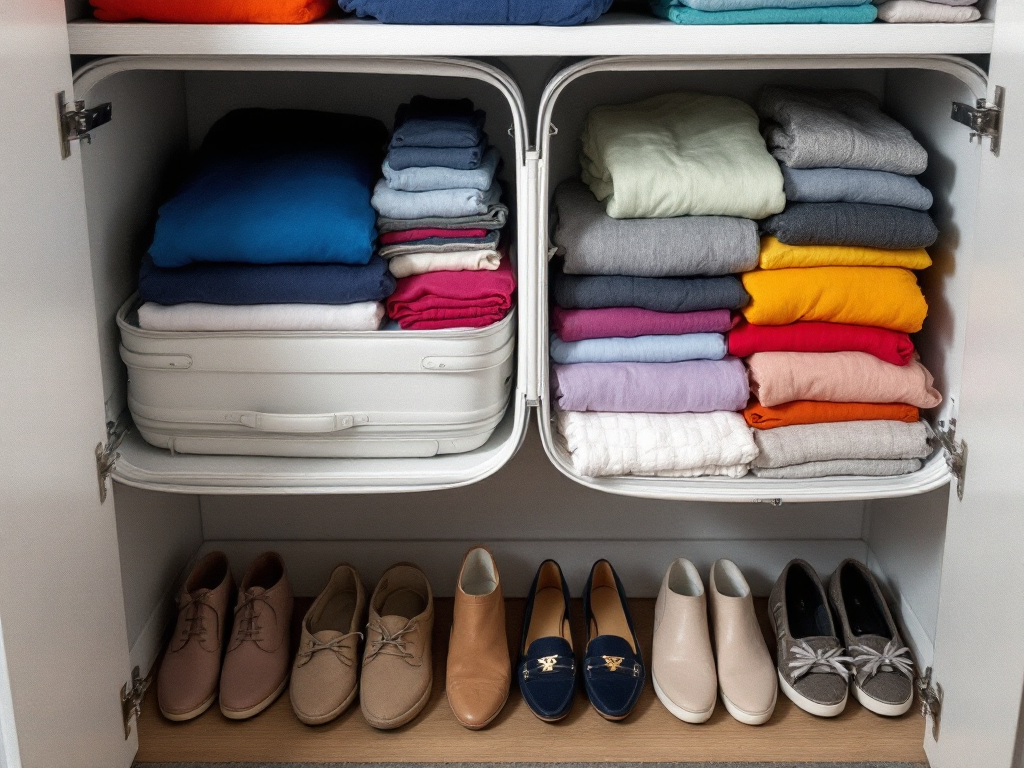
Here's the honest truth I've learned from 40+ cruises: you'll pack too much. Then you'll come home with half of it unused. My advice is to plan your outfits on paper before packing. Lay out each day's clothing combination. This forces you to identify duplicates and unnecessary items.
Most cruises let you do laundry mid-sailing for $3-5 per load (or free if you're in a suite). Use this. Pack 4-5 core outfits per destination and rotate them. You'll have more space in your luggage, and you'll actually wear everything you bring.
Luggage Tips for Multi-Destination Cruises
If you're cruising round-trip from a port and visiting multiple regions, pack in layers. Keep your Caribbean light clothes easily accessible for the first few days. Pack Alaska gear in a separate section for that portion. This prevents you from digging through everything for one outfit.
For luggage transfers and getting to the port, detailed packing also helps. Lighter luggage is easier to manage, and cruise lines charge fees for oversized baggage. Cruise Voices community members share amazing tips on luggage strategies in our luggage and port transfers forum—check out real experiences from experienced cruisers.
Final Packing Reality Check
Your destination determines your packing list completely. A Caribbean sundress won't keep you warm in Alaska. Heavy winter layers will leave you sweating and frustrated in the Caribbean. European formal wear is wasted on a Bahamas party cruise.
Pack deliberately for where you're actually going. Leave room for purchases. Bring good shoes. And remember: cruise ships wash clothes daily, so you can reuse things more than you think. You're not traveling for a year; you're cruising for a week or two.
If you're still uncertain what to pack for your specific itinerary, our AI concierge at CruiseVoices can help you plan your entire trip—including packing advice specific to your ship, ports, and dates. When you're ready to book, our Trip Planner handles everything from your cruise to flights and hotels.
Share your destination-specific packing wins and fails in our luggage and port transfers community—experienced cruisers love trading packing strategies!