

Nobody wants to spend their dream vacation stuck in their stateroom with stomach flu. After 40+ cruises, I've sailed through norovirus outbreaks, watched entire dining rooms get sanitized mid-meal, and learned exactly how cruise lines handle health emergencies behind the scenes. Here's everything you need to know to protect yourself and what really happens when gastro bugs hit the high seas.
Let's start with some perspective. The CDC tracks illness on cruise ships more closely than almost anywhere else on earth. When 2% of passengers report stomach symptoms, it makes headlines. But that same percentage in a hotel or resort? Nobody notices.
I've been on three ships during norovirus situations - the Celebrity Reflection in 2022, Norwegian Gem in 2023, and most recently the Carnival Panorama in early 2026. Each time, the response was swift and thorough. The reality is that cruise ships are actually cleaner than most land-based venues because they have to be.
The CDC requires cruise lines to report illness rates above 2% of passengers or crew. For perspective, that's about 80 people on a 4,000-passenger ship. Your local shopping mall probably has higher rates on any given weekend, but nobody's tracking those numbers.

After sailing through multiple outbreaks, here's what I've learned actually prevents illness:
Hand Sanitizer Is Your Best Friend
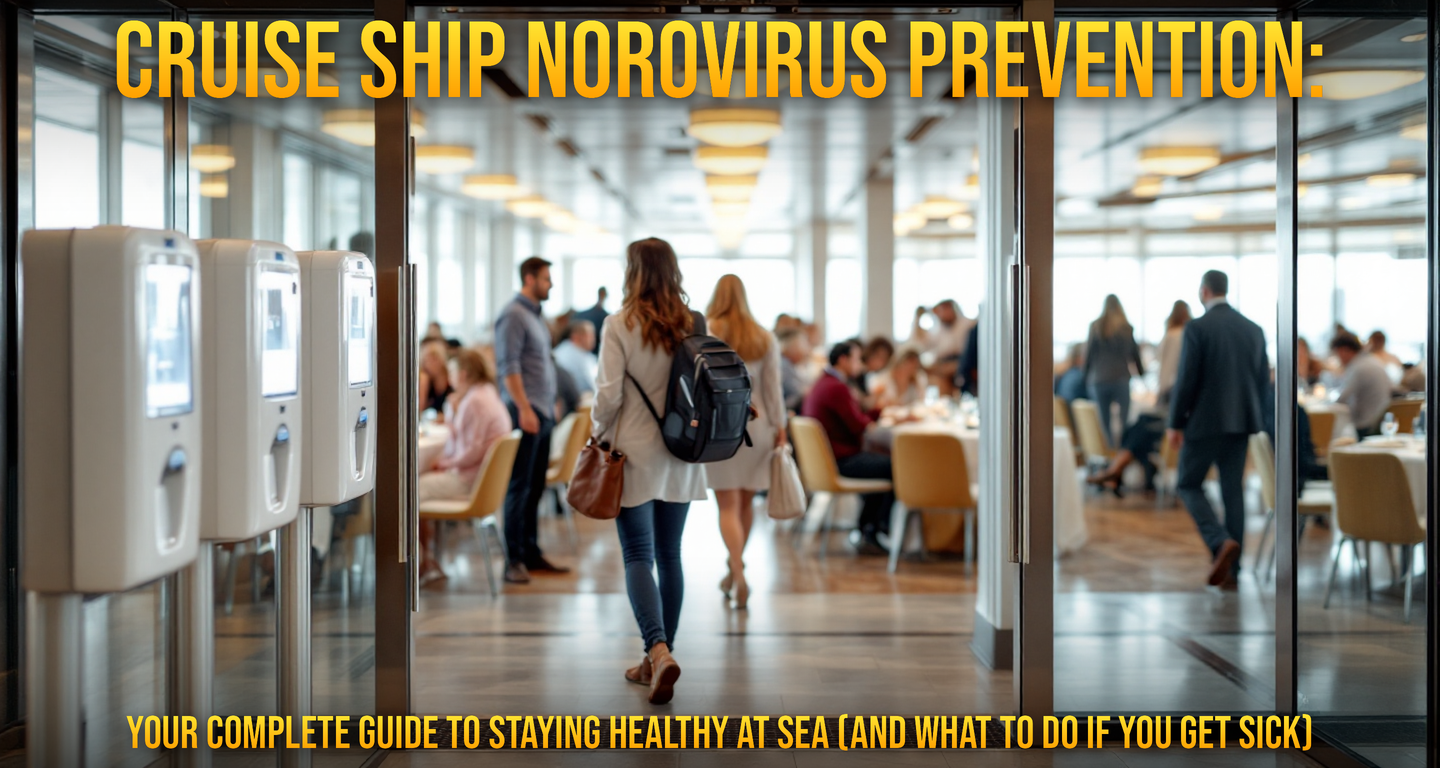
Use the sanitizer stations at every entrance and exit. I'm talking about the ones outside the Windjammer on Royal Caribbean ships, before entering the Main Dining Room on Princess, and especially after using the elevators. Don't just give it a quick squirt - use enough to cover your hands completely and rub for 15 seconds.
The Buffet Reality Check
Contrary to popular belief, buffets aren't the main culprit. Most cruise lines now have crew members serving buffet items, especially hot foods. The real risk? Those serving utensils that hundreds of people touch. Always grab a clean plate, and if you see someone put a used utensil back in the food, alert crew immediately.
Bathroom Hygiene Goes Beyond Hand Washing
Wash your hands with soap for 20 seconds minimum. But here's what most people miss: use a paper towel to turn off the faucet and open the door. Public restrooms on Deck 5 of most ships see thousands of users daily.
Smart Dining Choices
Room service and specialty restaurants typically have lower risk than main dining rooms simply due to volume. The Chef's Table on Celebrity ships or the specialty restaurants on Deck 8 of most Royal Caribbean ships handle far fewer covers than the massive main dining rooms.
Share your prevention tips and experiences in our Cruise Health forum!
If you start feeling ill, here's exactly what you should expect:
Contact the Medical Center Immediately
Don't wait. Call the medical center (usually extension 911 or 0 from your stateroom phone) at the first sign of symptoms. On my Celebrity Reflection sailing, they were testing passengers within 2 hours of reported symptoms.
Medical center visits typically cost $75-150 for the consultation, plus additional fees for medications or tests. Travel insurance often covers this, but check your policy details before sailing.
Quarantine Procedures
If you test positive for norovirus or show gastro symptoms, you'll be confined to your stateroom for 24-48 hours after symptoms end. Room service is provided at no extra charge, and you'll get regular check-ins from medical staff.
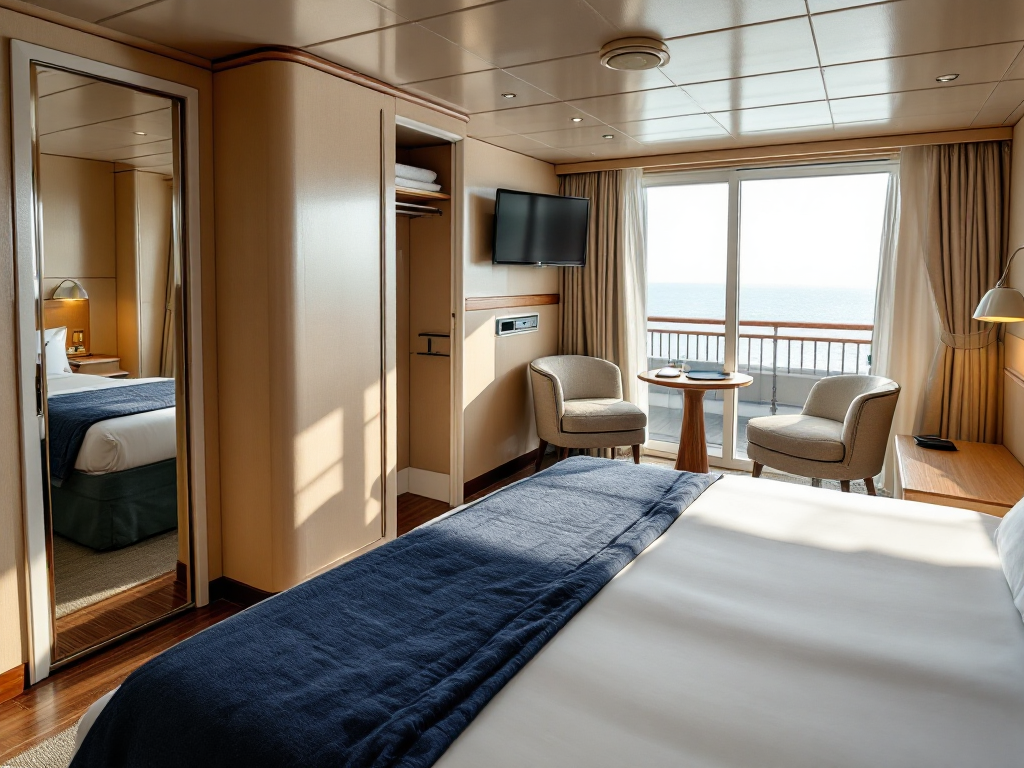
Here's what they don't tell you: if you're in an inside cabin, this quarantine can feel endless. Always book at least an oceanview if you're prone to stomach issues - that natural light and view makes a huge difference.
Compensation Reality
Most cruise lines offer future cruise credits if you're quarantined for more than one full day. Celebrity gave affected passengers on my sailing a 25% future cruise credit. Royal Caribbean typically offers similar compensation, but you have to ask for it.
I've watched this process firsthand, and it's more extensive than most passengers realize:
Enhanced Cleaning Protocols
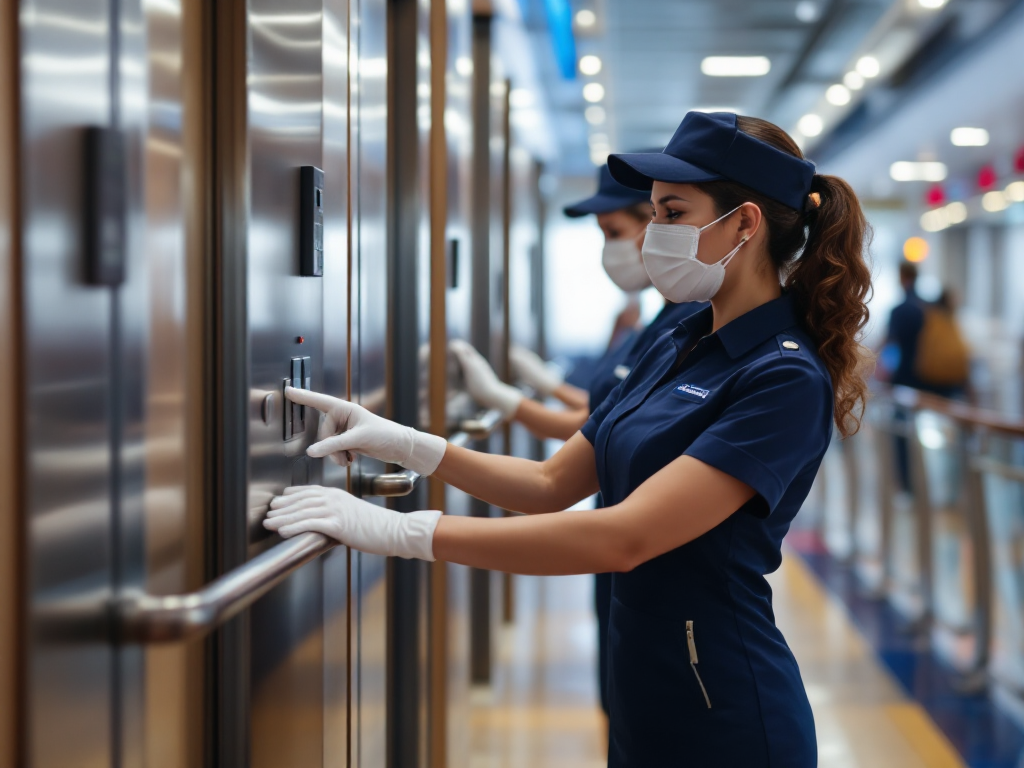
When illness rates climb, ships switch to "outbreak procedures." This means housekeeping switches to hospital-grade disinfectants, high-touch surfaces get cleaned every 30 minutes, and dining venues get deep sanitized between services.
On the Norwegian Gem during our outbreak, I watched crew members sanitize elevator buttons every 15 minutes and completely empty and sanitize the buffet between lunch and dinner service.
Food Service Changes
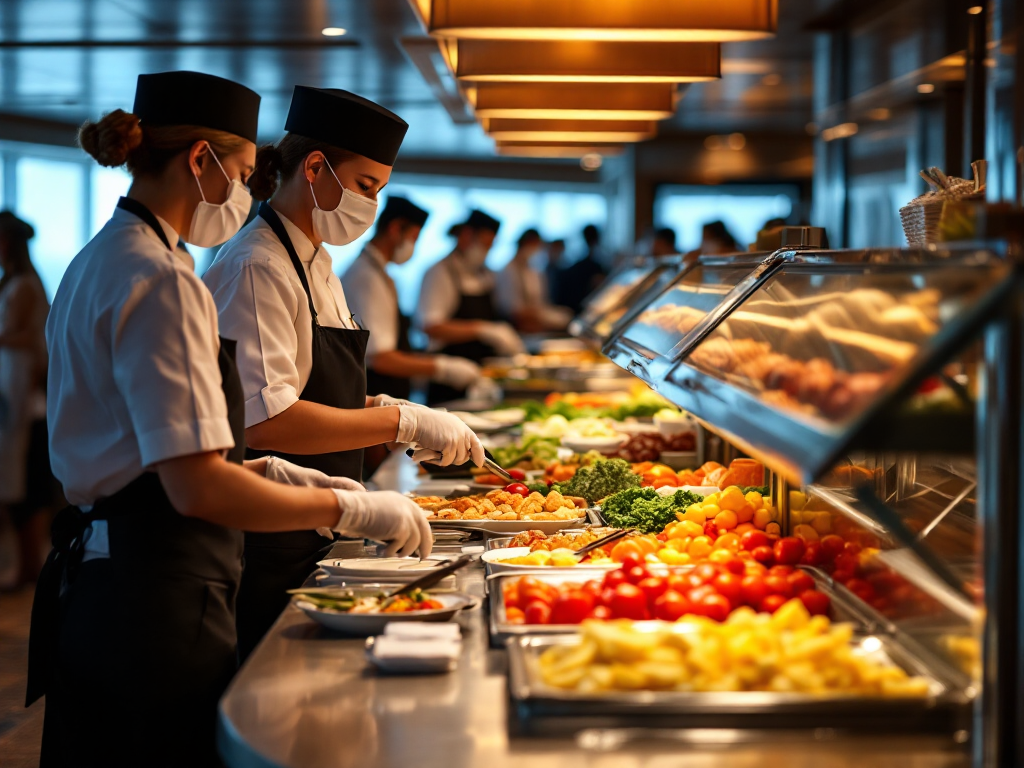
Buffets switch to crew-served only. Some specialty restaurants may close temporarily for deep cleaning. Main dining room menus sometimes get simplified to reduce food handling.
Activity Modifications
Crew-led activities like dance classes or cooking demonstrations get cancelled. Pool areas may have capacity limits. Some ships restrict access to the kids' clubs entirely.
Communication Strategy
Daily announcements become more frequent, and you'll see crew members demonstrating proper hand washing techniques in high-traffic areas. Captain's announcements typically happen twice daily during active outbreaks.
When illness rates are high, the CDC can impose "no-sail orders" or require extended sanitization periods between cruises. This can mean:
I've seen this affect everything from 3-day Bahamas cruises to 14-day transatlantic sailings. Travel insurance becomes crucial for these scenarios.
Before You Board:
During Your Cruise:
If You Get Sick:
The bottom line? Cruise ship illness outbreaks make headlines precisely because they're unusual and well-tracked. With proper prevention and quick response if symptoms develop, you can protect yourself and still enjoy your vacation at sea.
Have questions about staying healthy on your next cruise? Join the discussion in our Cruise Health forum where experienced cruisers share real-world tips and experiences!
The Reality of Cruise Ship Illness: Why Ships Get Blamed
Let's start with some perspective. The CDC tracks illness on cruise ships more closely than almost anywhere else on earth. When 2% of passengers report stomach symptoms, it makes headlines. But that same percentage in a hotel or resort? Nobody notices.
I've been on three ships during norovirus situations - the Celebrity Reflection in 2022, Norwegian Gem in 2023, and most recently the Carnival Panorama in early 2026. Each time, the response was swift and thorough. The reality is that cruise ships are actually cleaner than most land-based venues because they have to be.
The CDC requires cruise lines to report illness rates above 2% of passengers or crew. For perspective, that's about 80 people on a 4,000-passenger ship. Your local shopping mall probably has higher rates on any given weekend, but nobody's tracking those numbers.
Prevention Strategies That Actually Work
After sailing through multiple outbreaks, here's what I've learned actually prevents illness:
Hand Sanitizer Is Your Best Friend
Use the sanitizer stations at every entrance and exit. I'm talking about the ones outside the Windjammer on Royal Caribbean ships, before entering the Main Dining Room on Princess, and especially after using the elevators. Don't just give it a quick squirt - use enough to cover your hands completely and rub for 15 seconds.
The Buffet Reality Check
Contrary to popular belief, buffets aren't the main culprit. Most cruise lines now have crew members serving buffet items, especially hot foods. The real risk? Those serving utensils that hundreds of people touch. Always grab a clean plate, and if you see someone put a used utensil back in the food, alert crew immediately.
Bathroom Hygiene Goes Beyond Hand Washing
Wash your hands with soap for 20 seconds minimum. But here's what most people miss: use a paper towel to turn off the faucet and open the door. Public restrooms on Deck 5 of most ships see thousands of users daily.
Smart Dining Choices
Room service and specialty restaurants typically have lower risk than main dining rooms simply due to volume. The Chef's Table on Celebrity ships or the specialty restaurants on Deck 8 of most Royal Caribbean ships handle far fewer covers than the massive main dining rooms.
Share your prevention tips and experiences in our Cruise Health forum!
What Happens When You Get Sick: The Real Process
If you start feeling ill, here's exactly what you should expect:
Contact the Medical Center Immediately
Don't wait. Call the medical center (usually extension 911 or 0 from your stateroom phone) at the first sign of symptoms. On my Celebrity Reflection sailing, they were testing passengers within 2 hours of reported symptoms.
Medical center visits typically cost $75-150 for the consultation, plus additional fees for medications or tests. Travel insurance often covers this, but check your policy details before sailing.
Quarantine Procedures
If you test positive for norovirus or show gastro symptoms, you'll be confined to your stateroom for 24-48 hours after symptoms end. Room service is provided at no extra charge, and you'll get regular check-ins from medical staff.
Here's what they don't tell you: if you're in an inside cabin, this quarantine can feel endless. Always book at least an oceanview if you're prone to stomach issues - that natural light and view makes a huge difference.
Compensation Reality
Most cruise lines offer future cruise credits if you're quarantined for more than one full day. Celebrity gave affected passengers on my sailing a 25% future cruise credit. Royal Caribbean typically offers similar compensation, but you have to ask for it.
How Cruise Lines Actually Handle Outbreaks
I've watched this process firsthand, and it's more extensive than most passengers realize:
Enhanced Cleaning Protocols
When illness rates climb, ships switch to "outbreak procedures." This means housekeeping switches to hospital-grade disinfectants, high-touch surfaces get cleaned every 30 minutes, and dining venues get deep sanitized between services.
On the Norwegian Gem during our outbreak, I watched crew members sanitize elevator buttons every 15 minutes and completely empty and sanitize the buffet between lunch and dinner service.
Food Service Changes
Buffets switch to crew-served only. Some specialty restaurants may close temporarily for deep cleaning. Main dining room menus sometimes get simplified to reduce food handling.
Activity Modifications
Crew-led activities like dance classes or cooking demonstrations get cancelled. Pool areas may have capacity limits. Some ships restrict access to the kids' clubs entirely.
Communication Strategy
Daily announcements become more frequent, and you'll see crew members demonstrating proper hand washing techniques in high-traffic areas. Captain's announcements typically happen twice daily during active outbreaks.
Port and Disembarkation Changes
When illness rates are high, the CDC can impose "no-sail orders" or require extended sanitization periods between cruises. This can mean:
- Port stops getting cancelled or shortened
- Passengers being denied boarding for the next cruise
- Extended cleaning periods adding days to turnaround
- Potential cruise cancellations
I've seen this affect everything from 3-day Bahamas cruises to 14-day transatlantic sailings. Travel insurance becomes crucial for these scenarios.
Your Action Plan for Staying Healthy
Before You Board:
- Pack hand sanitizer, anti-diarrheal medication, and electrolyte packets
- Verify your travel insurance covers medical expenses and missed activities
- Consider booking a balcony cabin if you're concerned about potential quarantine
- Research your ship's medical center location and hours
During Your Cruise:
- Use sanitizer religiously - carry a small bottle for elevators and public areas
- Choose seats away from high-traffic areas in dining venues when possible
- Report any crew members who appear ill to guest services immediately
- Stay hydrated and get adequate sleep to keep your immune system strong
If You Get Sick:
- Contact medical immediately - don't try to tough it out
- Follow quarantine procedures completely to protect other passengers
- Document everything for potential compensation claims
- Keep all medical receipts for insurance reimbursement
The bottom line? Cruise ship illness outbreaks make headlines precisely because they're unusual and well-tracked. With proper prevention and quick response if symptoms develop, you can protect yourself and still enjoy your vacation at sea.
Have questions about staying healthy on your next cruise? Join the discussion in our Cruise Health forum where experienced cruisers share real-world tips and experiences!
Last edited: