

When you're hundreds of miles from shore, knowing what medical care is available onboard can make the difference between a minor hiccup and a vacation-ending crisis. After sailing on 40+ cruises and unfortunately needing medical attention on three of them, I've learned that cruise ship medical facilities are far more sophisticated than most passengers realize — but they come with limitations and costs that can shock you.
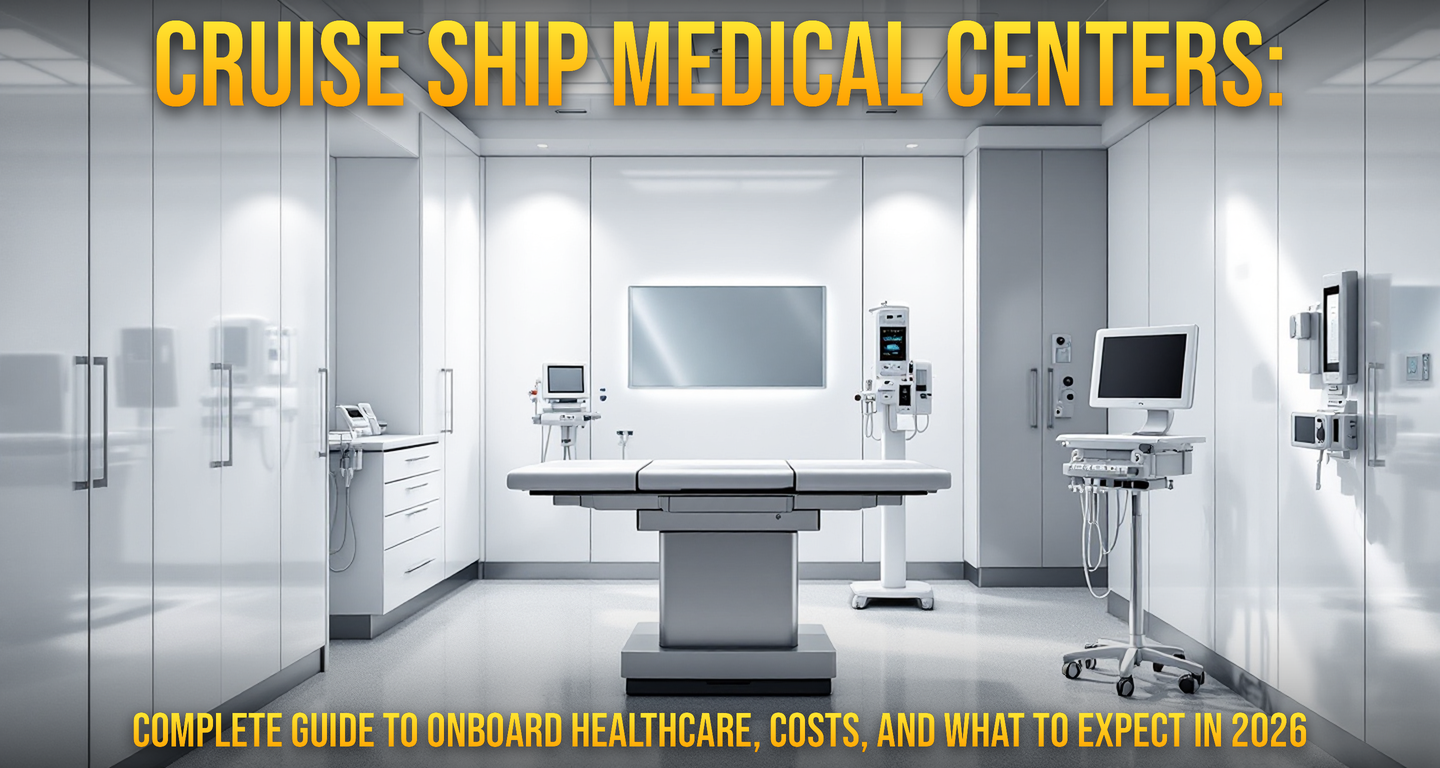
Every cruise ship carrying more than 100 passengers must have a medical facility, but the quality varies dramatically by cruise line and ship size. On larger ships like Royal Caribbean's Icon of the Seas or Norwegian's Prima class, you'll find fully equipped medical centers that rival small-town hospitals.
Standard Equipment You'll Find:
The medical center on Celebrity Edge, for example, spans nearly 1,000 square feet with two examination rooms, a treatment area, and even a small pharmacy. Compare that to older ships like Carnival's Fantasy class, where the medical facility might be just two small rooms.

What They Can't Do: Don't expect major surgery, MRI scans, or specialized cardiac procedures. The medical center is designed for stabilization and basic treatment, not complex medical interventions.
Here's where it gets expensive — and I mean really expensive. Cruise ship medical care operates outside normal insurance networks, meaning you'll pay out-of-pocket rates that make hospital bills look reasonable.
Typical 2026 Medical Center Costs:
I learned this the hard way on a Norwegian Breakaway cruise in 2025 when a simple stomach bug required IV fluids. The bill? $847 for what would have cost maybe $200 at an urgent care clinic.
Most cruise lines require payment immediately — cash or credit card. They'll provide documentation for insurance reimbursement, but don't count on full coverage.
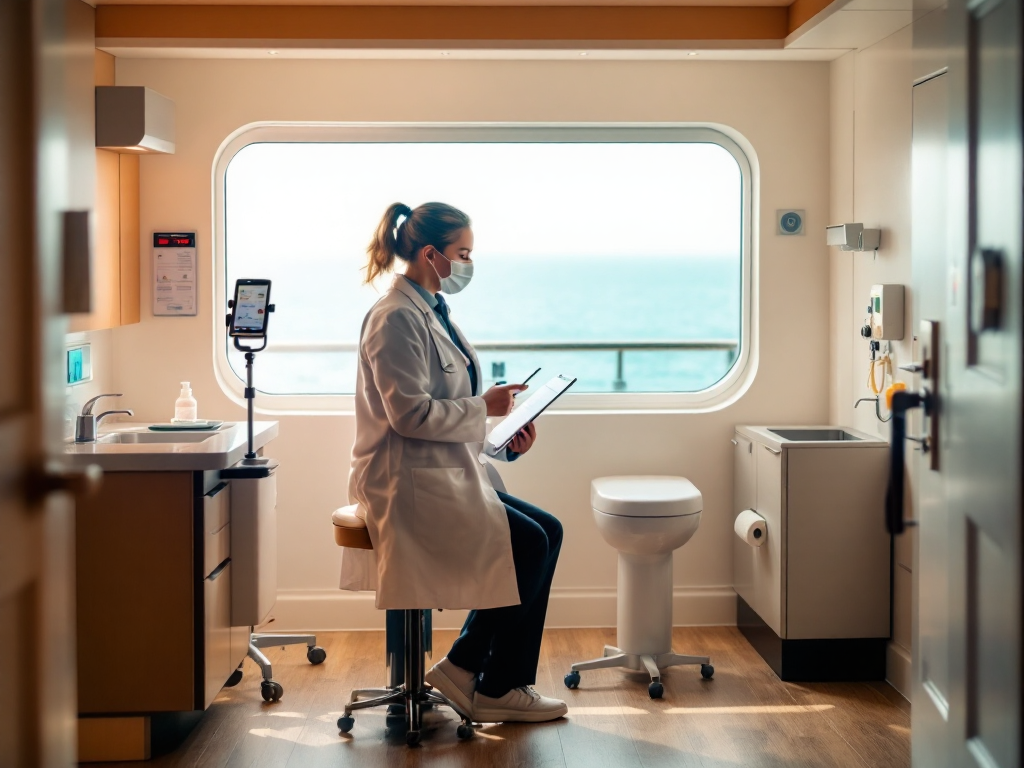
Cruise ship medical staff must meet strict international standards, but their backgrounds vary significantly. Most ships employ doctors from countries with different medical training systems than the US.
On my last Princess cruise aboard the Sky Princess, the ship's doctor was trained in the Philippines with additional certifications in emergency medicine. The nursing staff included professionals from India, Romania, and Canada. All spoke excellent English and demonstrated solid medical knowledge.
Required Staff Minimums:
The medical staff works demanding schedules — often on call 24/7 for emergencies while maintaining regular clinic hours. During our rough sea day crossing the Drake Passage, the medical team treated over 30 passengers for seasickness in one afternoon.
Seasickness and Stomach Issues: This accounts for about 60% of medical center visits. They'll provide anti-nausea medications, IV fluids for dehydration, and monitoring. Cost typically runs $200-$400.
Injuries from Activities: Cuts from excursions, sprains from rock climbing walls, burns from cooking classes — the medical center handles these daily. Basic wound care and pain management are standard.
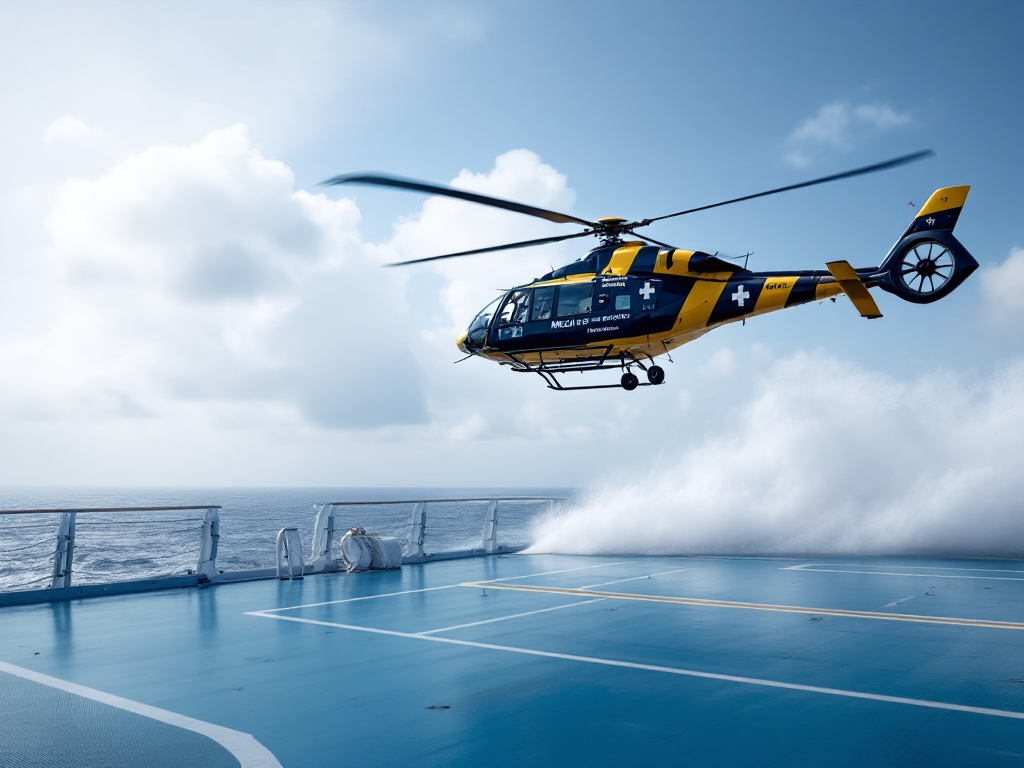
Heart Attacks and Strokes: This is where the medical center's limitations show. They can stabilize patients with medications and oxygen, but serious cardiac events usually require helicopter evacuation or diversion to the nearest port.

Contagious Illnesses: Since 2020, cruise ships have isolation protocols that would make hospitals jealous. If you develop flu-like symptoms or gastrointestinal issues, you might find yourself quarantined in your cabin with meals delivered and daily medical check-ins.
On a recent Celebrity Apex sailing, a passenger developed what appeared to be norovirus. Within hours, they were isolated, their dining companions were monitored, and affected areas underwent deep sanitization. The medical team tracked the situation for the entire seven-day cruise.
Sometimes the onboard medical facilities aren't enough. I've been on two cruises where medical emergencies forced unscheduled port stops, and let me tell you — it's expensive for everyone involved.
During a 2023 Transatlantic crossing on Queen Mary 2, a passenger suffered a severe heart attack three days from any port. The ship diverted to the Azores, adding two days to our itinerary. Cunard covered passenger expenses for the delay, but the patient faced astronomical costs for the diversion, helicopter transport, and Portuguese hospital care.
Who Pays for Diversions: Usually the passenger or their insurance. Emergency diversions can cost $100,000-$500,000, and cruise lines typically pursue reimbursement from the affected passenger's insurance.
Before You Sail:
Onboard Prevention:
If You Need Care: Visit the medical center early rather than waiting. What starts as a minor issue can become serious when you're days from proper medical facilities. The medical staff would rather see you for something minor than deal with a preventable emergency later.
Cruise ship medical centers provide competent emergency and basic medical care, but they're expensive and limited in scope. They're designed to keep you stable until you can reach proper medical facilities on land.
For 2026 cruises, budget at least $200-$500 for any medical center visit, and seriously consider travel insurance with medical evacuation coverage. The peace of mind is worth every penny when you're watching the coastline disappear behind you.
The medical staff I've encountered have been professional, caring, and skilled within their limitations. Just remember — they're running what amounts to a small emergency room in the middle of the ocean, and that comes with both capabilities and constraints you need to understand before you sail.
Have questions about managing health conditions at sea or experiences with cruise ship medical centers? Share your stories and get advice in our Health, Accessibility & Special Needs forum — our community has navigated everything from dialysis cruises to managing diabetes onboard.
What's Actually Inside a Cruise Ship Medical Center
Every cruise ship carrying more than 100 passengers must have a medical facility, but the quality varies dramatically by cruise line and ship size. On larger ships like Royal Caribbean's Icon of the Seas or Norwegian's Prima class, you'll find fully equipped medical centers that rival small-town hospitals.
Standard Equipment You'll Find:
- X-ray machines and cardiac monitors
- Examination rooms with full diagnostic equipment
- Basic laboratory for blood work and urinalysis
- Emergency medications and IV fluids
- Oxygen and respiratory equipment
- Basic surgical instruments for minor procedures
The medical center on Celebrity Edge, for example, spans nearly 1,000 square feet with two examination rooms, a treatment area, and even a small pharmacy. Compare that to older ships like Carnival's Fantasy class, where the medical facility might be just two small rooms.
What They Can't Do: Don't expect major surgery, MRI scans, or specialized cardiac procedures. The medical center is designed for stabilization and basic treatment, not complex medical interventions.
The Real Cost of Onboard Medical Care in 2026
Here's where it gets expensive — and I mean really expensive. Cruise ship medical care operates outside normal insurance networks, meaning you'll pay out-of-pocket rates that make hospital bills look reasonable.
Typical 2026 Medical Center Costs:
- Basic consultation: $150-$300
- X-rays: $400-$800 per image
- Blood work panel: $200-$500
- IV fluids and medication: $300-$600
- Minor suturing: $400-$700
- Prescription medications: 300-500% markup over US pharmacy prices
I learned this the hard way on a Norwegian Breakaway cruise in 2025 when a simple stomach bug required IV fluids. The bill? $847 for what would have cost maybe $200 at an urgent care clinic.
Most cruise lines require payment immediately — cash or credit card. They'll provide documentation for insurance reimbursement, but don't count on full coverage.
Who's Treating You: Medical Staff Qualifications
Cruise ship medical staff must meet strict international standards, but their backgrounds vary significantly. Most ships employ doctors from countries with different medical training systems than the US.
On my last Princess cruise aboard the Sky Princess, the ship's doctor was trained in the Philippines with additional certifications in emergency medicine. The nursing staff included professionals from India, Romania, and Canada. All spoke excellent English and demonstrated solid medical knowledge.
Required Staff Minimums:
- Ships with 1,000+ passengers: minimum one doctor and two nurses
- Smaller ships: one doctor and one nurse
- All medical staff must have current certifications in emergency medicine
The medical staff works demanding schedules — often on call 24/7 for emergencies while maintaining regular clinic hours. During our rough sea day crossing the Drake Passage, the medical team treated over 30 passengers for seasickness in one afternoon.
Common Medical Situations and How They're Handled
Seasickness and Stomach Issues: This accounts for about 60% of medical center visits. They'll provide anti-nausea medications, IV fluids for dehydration, and monitoring. Cost typically runs $200-$400.
Injuries from Activities: Cuts from excursions, sprains from rock climbing walls, burns from cooking classes — the medical center handles these daily. Basic wound care and pain management are standard.
Heart Attacks and Strokes: This is where the medical center's limitations show. They can stabilize patients with medications and oxygen, but serious cardiac events usually require helicopter evacuation or diversion to the nearest port.
Contagious Illnesses: Since 2020, cruise ships have isolation protocols that would make hospitals jealous. If you develop flu-like symptoms or gastrointestinal issues, you might find yourself quarantined in your cabin with meals delivered and daily medical check-ins.
On a recent Celebrity Apex sailing, a passenger developed what appeared to be norovirus. Within hours, they were isolated, their dining companions were monitored, and affected areas underwent deep sanitization. The medical team tracked the situation for the entire seven-day cruise.
When Medical Emergencies Force Port Diversions
Sometimes the onboard medical facilities aren't enough. I've been on two cruises where medical emergencies forced unscheduled port stops, and let me tell you — it's expensive for everyone involved.
During a 2023 Transatlantic crossing on Queen Mary 2, a passenger suffered a severe heart attack three days from any port. The ship diverted to the Azores, adding two days to our itinerary. Cunard covered passenger expenses for the delay, but the patient faced astronomical costs for the diversion, helicopter transport, and Portuguese hospital care.
Who Pays for Diversions: Usually the passenger or their insurance. Emergency diversions can cost $100,000-$500,000, and cruise lines typically pursue reimbursement from the affected passenger's insurance.
Smart Strategies for Managing Medical Needs at Sea
Before You Sail:
- Purchase comprehensive travel insurance with medical evacuation coverage
- Bring extra prescription medications in original bottles
- Pack a basic first-aid kit with bandages, pain relievers, and anti-diarrheal medication
- Research medical facilities at your ports of call
Onboard Prevention:
- Wash hands religiously — cruise ships are germ factories
- Stay hydrated, especially during sea days
- Don't ignore symptoms hoping they'll improve
- Use sunscreen religiously on deck — sunburn is the most common "medical" complaint
If You Need Care: Visit the medical center early rather than waiting. What starts as a minor issue can become serious when you're days from proper medical facilities. The medical staff would rather see you for something minor than deal with a preventable emergency later.
The Bottom Line on Cruise Ship Medical Care
Cruise ship medical centers provide competent emergency and basic medical care, but they're expensive and limited in scope. They're designed to keep you stable until you can reach proper medical facilities on land.
For 2026 cruises, budget at least $200-$500 for any medical center visit, and seriously consider travel insurance with medical evacuation coverage. The peace of mind is worth every penny when you're watching the coastline disappear behind you.
The medical staff I've encountered have been professional, caring, and skilled within their limitations. Just remember — they're running what amounts to a small emergency room in the middle of the ocean, and that comes with both capabilities and constraints you need to understand before you sail.
Have questions about managing health conditions at sea or experiences with cruise ship medical centers? Share your stories and get advice in our Health, Accessibility & Special Needs forum — our community has navigated everything from dialysis cruises to managing diabetes onboard.