

Drew_Callahan
Moderator
Understanding Ship Emergency Codes: Your Safety Briefing Goes Deeper Than You Think
You're sitting in your cabin on the first night of your cruise, and suddenly you hear an announcement: "Alpha Alpha Alpha." Your heart skips. What does that mean? Is the ship sinking? Do you need to go to your muster station?
I've been on over 40 cruises, and I can tell you — most passengers have no idea what these codes mean. The cruise lines intentionally keep the details vague during your mandatory safety briefing because they don't want to cause panic. But you deserve to know what's actually happening on your ship. Understanding these codes gives you real peace of mind and helps you respond appropriately if an emergency is announced.
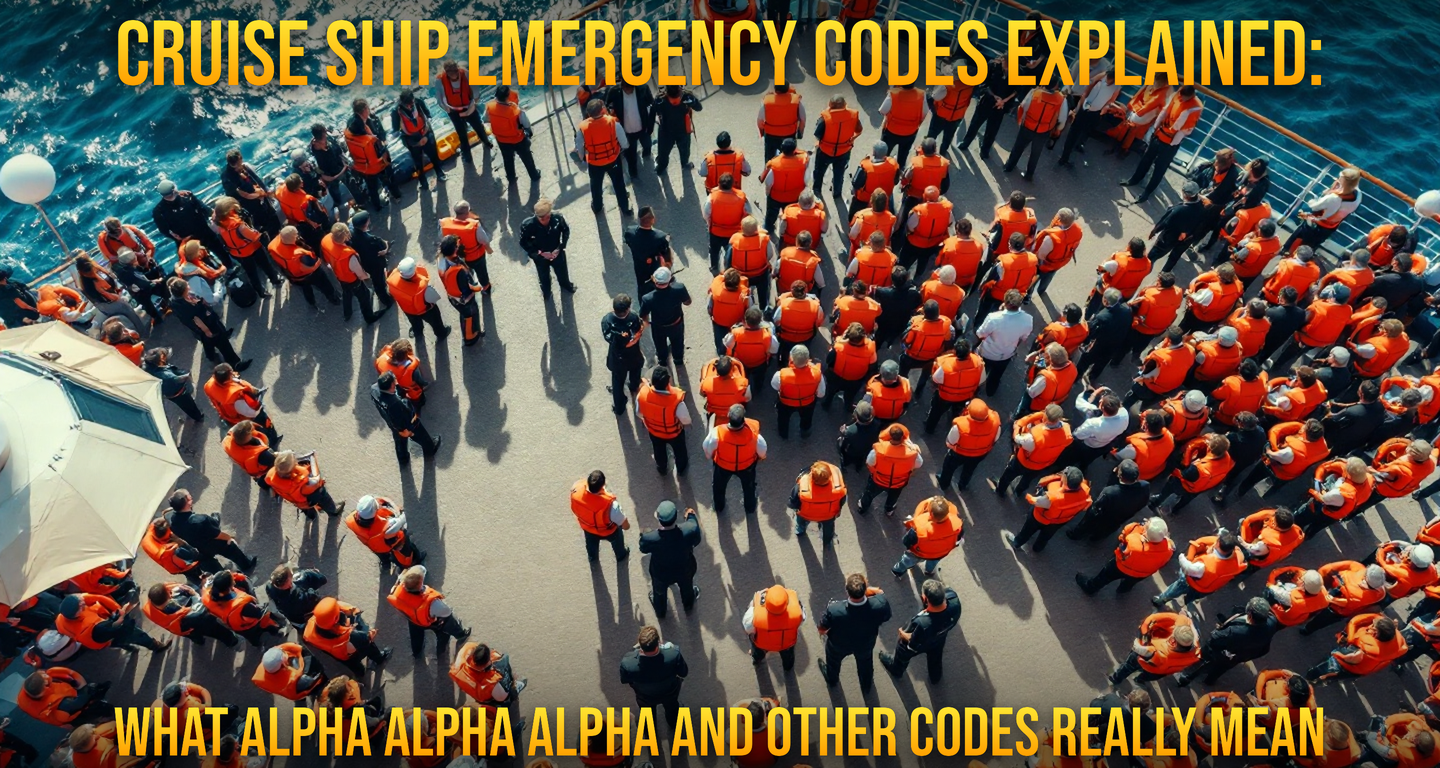
Let me break down the codes you're most likely to hear, what they actually indicate, and what you should do if they're announced.
Alpha Alpha Alpha: Fire on Board
This is the big one. When you hear "Alpha Alpha Alpha" announced repeatedly over the ship's public address system, there's a fire somewhere on the vessel — but not necessarily in your area.
Here's what's actually happening:
- Crew members have detected a fire in a specific location (engine room, galley, cabin, etc.)
- The bridge has been notified immediately
- Crew is responding with trained firefighting protocols
- Passengers are NOT automatically ordered to muster stations for this code alone
Your action: Stay calm and stay in your cabin unless crew specifically directs you otherwise. Listen to the public address system for further instructions. Modern cruise ships are equipped with sophisticated fire suppression systems, compartmentalized firefighting zones, and crews trained extensively in fire response. The ship will not sink from a fire — it will head to the nearest port.
I've experienced a "minor" fire alarm on the Harmony of the Seas in 2024, and the crew had it handled and contained within minutes. The ship didn't even change course. Most Alpha codes you'll hear are either drills or minor incidents that never affect passengers.
Bravo Bravo Bravo: Water Intrusion or Flooding
This code indicates that water is getting into the ship where it shouldn't be — a hull breach, ruptured pipe, damaged seal, or similar issue.
- Could be anything from a small leak in a cabin to a more serious issue in a lower deck
- Crew will immediately isolate the affected compartment using watertight doors
- Pumps will be activated to remove water
- The ship will likely head to the nearest port as a precaution
Your action: Stay in your cabin and await further instructions. Do not go to the promenade deck to "see what's happening." Seriously — this is when idle curiosity creates bottlenecks. Modern ships are built with multiple layers of compartmentalization specifically to handle flooding in one area without sinking.
The truth? I've never personally witnessed a Bravo code in all my cruises. The systems are that good. And if one were announced, the crew's response would be immediate and coordinated — you wouldn't just hear about it casually.
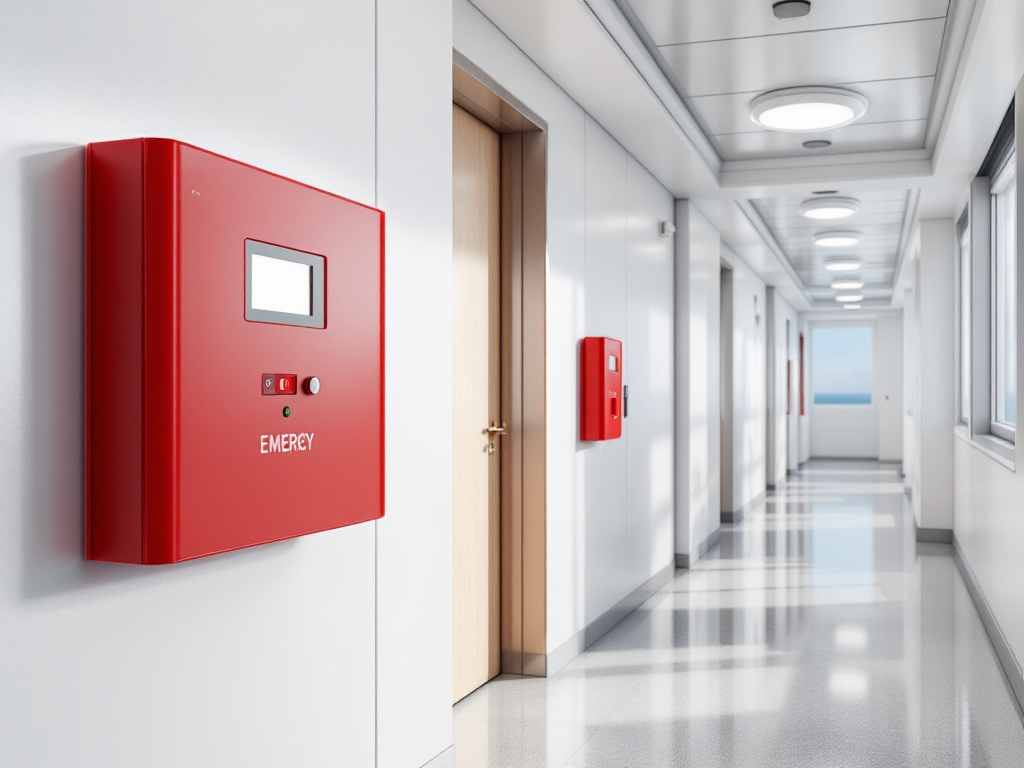
Oscar Oscar Oscar: Man Overboard
This is the one that will get everyone's attention, and rightfully so. When you hear "Oscar Oscar Oscar," someone has fallen or jumped overboard.
What happens immediately:
- The bridge is notified within seconds
- The ship begins an immediate U-turn (this can take 10-15 minutes depending on ship size and speed)
- Life boats are prepared for launch
- Crew sweeps all decks and pools to account for all passengers
- A Coast Guard helicopter may be dispatched if in helicopter range
- The ship broadcasts the location to nearby vessels for assistance
Your action: Expect the ship to stop suddenly. You'll feel it — it's dramatic. Go to your cabin if you're not already there, and await instructions. Do not go on deck looking for the person. Crew needs clear decks to conduct the search effectively.
Here's the hard truth: Survival rates for man overboard depend heavily on immediate detection and weather conditions. Modern ships have improved detection systems and crew training, but time is critical. If you're on deck at night, please don't lean over railings, especially after drinking. I've heard too many stories.
Uniform Uniform Uniform: Leak or Structural Damage
This code indicates a leak discovered in the ship's hull, a cracked window, damaged seals, or structural issues that need immediate assessment.
- Crew will locate and isolate the damage
- Temporary repairs will be attempted if possible
- The ship will likely reduce speed and head toward the nearest port
- Passengers usually won't be aware anything happened
Your action: Continue your day normally unless told otherwise. You'll probably never even hear this code announced to passengers — crew handles it behind the scenes.
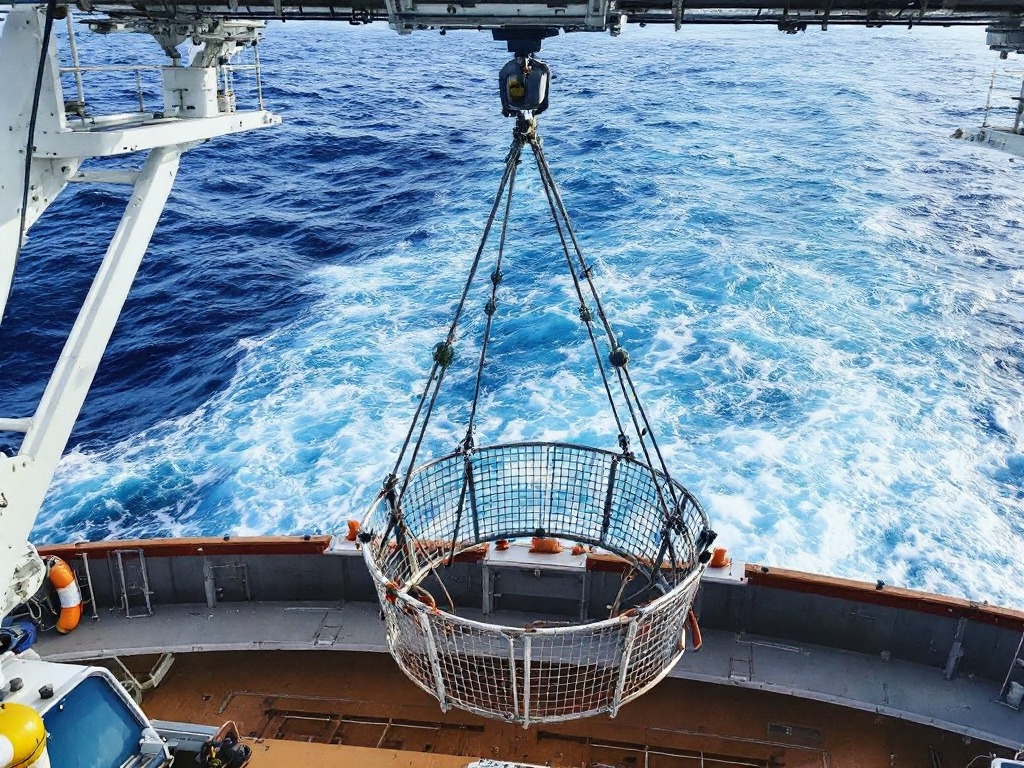
Victor Victor Victor: Launch Lifeboats (Abandon Ship Imminent)
This is the code no one wants to hear. Victor means crew is preparing for possible evacuation. You will likely hear this only during a true emergency when the ship can no longer stay afloat.
- This comes after Alpha, Bravo, or other codes have proven insufficient
- All passengers must go to their assigned muster stations immediately
- Lifeboats will be lowered into the water
- Passengers board lifeboats in order
- The ship's crew abandons last
Your action: This is the ONE code where you follow your muster drill to the letter. Get your life jacket, grab your cabin card, and go to your assigned muster station. Crew will direct you to a lifeboat. This is not a drill anymore — listen to every instruction.
The good news? Modern ships have lifeboats with capacity for 125% of all people on board — passengers and crew. Every person will have a lifeboat seat. The danger isn't the evacuation; the danger is the situation that made evacuation necessary. And that's extraordinarily rare in modern cruising.
I've never experienced this code in 40+ cruises, and I've talked to hundreds of cruisers who haven't either. The last major cruise ship evacuation in the industry was the Costa Concordia in 2012 — and that ship's captain violated every protocol and actually capsized on its side. Even in that disaster, most people survived.
Whiskey Whiskey Whiskey: Medical Emergency on Deck
This code indicates a passenger or crew member needs immediate emergency medical care, usually on the open deck.
- Crew with medical training responds immediately
- The ship's doctor may be summoned
- Passengers should move away from the area to give crew space
- Does not usually require any passenger action
Your action: If you hear this, move away from the affected area and let crew do their job. Don't stare, don't crowd, don't take photos. That person needs privacy and professional help, not an audience.
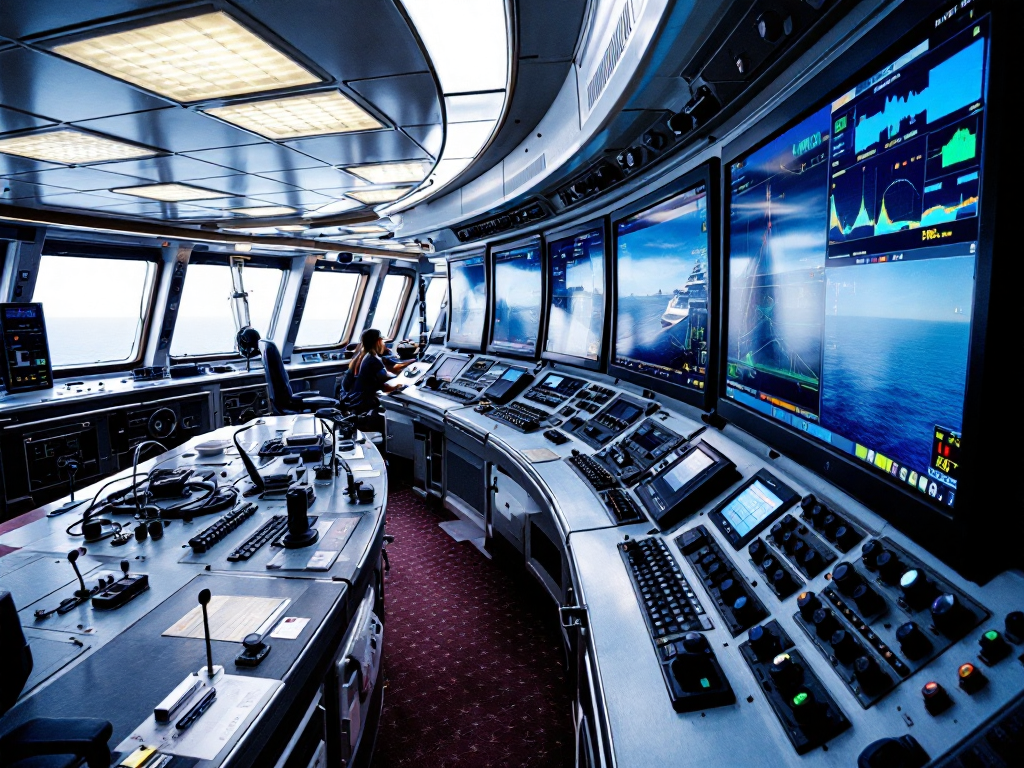
Other Codes You Might Hear
Papa Papa Papa: Pollution or oil spill detected in the water. Crew will contain and report to maritime authorities. Passengers won't be affected.
Foxtrot Foxtrot Foxtrot: Security threat on board (stowaway, suspicious package, etc.). Crew handles it. Stay in your cabin if instructed.
Golf Golf Golf: There's someone in the water who shouldn't be there — not necessarily overboard, could be someone in a rescue situation or distress in a port area.
Hotel Hotel Hotel: General emergency requiring all hands on deck. This is vague, but it means the crew is treating something as urgent. Go to your cabin and await instructions.
The Reality: These Codes Are Rarely Actual Emergencies
Here's what I want you to understand from 40+ cruises of experience: the codes you hear announced are usually drills or minor issues. Cruise lines are required to conduct a muster drill every sailing, and sometimes they hide these drills in code announcements so passengers don't get complacent.
When I sailed on the Symphony of the Seas in 2025, we heard "Alpha Alpha Alpha" in the middle of the afternoon. I went to ask crew what was happening, and they smiled and said it was a routine drill. No fire. Just training.
Crew members are trained relentlessly on emergency procedures. Modern ships have backup systems for their backup systems. The odds of you ever experiencing a real emergency severe enough to require evacuation are lower than the odds of a lightning strike.
But — and this is important — you should still take your muster drill seriously and know where your muster station is. It takes 10 minutes of your time and costs you nothing. I've met cruisers who skip the drill, and it drives me crazy. That's negligent on a moving vessel in the middle of the ocean.
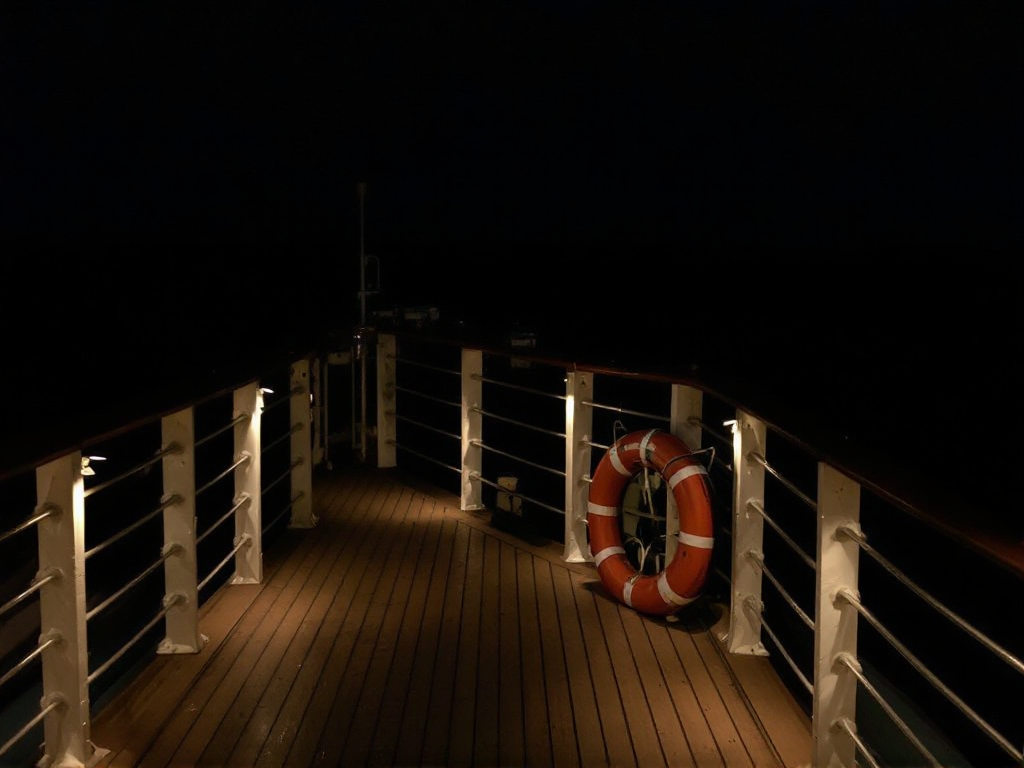
What You Should Actually Do Right Now
Before your next cruise:
- Attend the mandatory muster drill — don't skip it, even if you've cruised before
- Learn where your muster station is on your first day aboard
- Know where your life jacket is stored in your cabin
- Ask crew if you have questions about procedures (they love talking about safety)
- Don't assume you know everything just because you've cruised once or twice — every ship is different
If you hear any code while cruising, stay calm, listen to the public address announcements, and follow crew instructions. They've trained for this. The ship is built for this. You'll be okay.
Connect With Other Cruisers About Safety
Have you experienced an emergency code announcement on a cruise? Want to know more about ship safety systems, evacuation procedures, or real stories from other cruisers? Head over to our CruiseVoices forums and start a discussion. Our community has members with decades of combined cruising experience, including former crew members who can answer your toughest questions.
Feel confident about your next sailing — knowledge is the best life jacket you'll ever wear.