

Marina_Cole
Moderator
The Real Talk About Special Diets at Sea
I've been on 40+ cruises, and I can tell you with absolute certainty: your dietary needs don't have to stop you from cruising. But they do require strategy, communication, and knowing which cruise lines actually deliver versus which ones will disappoint you on day two of your week-long voyage.
Whether you're managing a serious peanut allergy, committed to veganism, following keto for medical reasons, or navigating gluten-free requirements, this guide comes from real experience—not just policies printed on websites. I've eaten in main dining rooms across Royal Caribbean, Carnival, Disney, Norwegian, Celebrity, and MSC. I've watched some cruise lines nail special dietary accommodations and others... well, let's just say some have work to do.
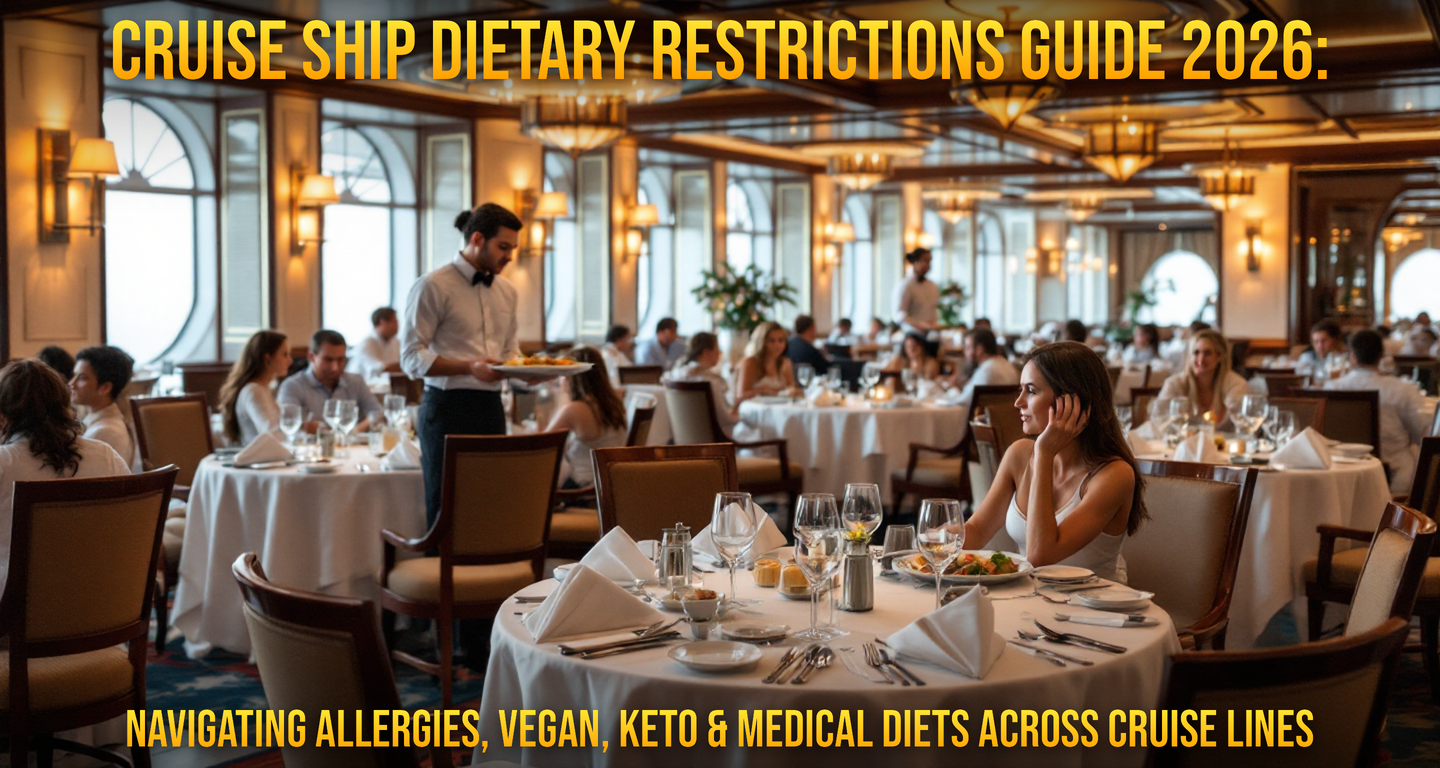
The Golden Rule: Notify Your Cruise Line Before You Sail
This is non-negotiable. Don't assume the cruise line will figure it out. Don't wait until embarkation day. Contact your cruise line's special dietary department 60 days before your sail date. Most cruise lines have dedicated email addresses specifically for this—not the general customer service line.
- Royal Caribbean: Email dietary@royalcaribbean.com with your allergies or dietary preferences. They take this seriously and flag your account.
- Carnival: Use their special requests form during online check-in or call 1-888-227-6482. Be specific about severity.
- Disney Cruise Line: Contact Disney's Special Diets Team at 407-939-7830. They're thorough and professional.
- Norwegian Cruise Line: Email specialmeals@ncl.com. Response times vary, so follow up if you don't hear back within two weeks.
- Celebrity Cruises: Use their online special requests tool or email specialmeals@celebrity.com.
- MSC Cruises: Submit dietary needs through their website portal. MSC's system is improving but sometimes slower than competitors.
When you notify them, be extremely specific. Don't just write "vegetarian." Write: "I follow a strict plant-based diet. I don't eat any animal products, including dairy, eggs, honey, or fish. I'm also allergic to sesame seeds." The more detail, the better the kitchen can prepare.
Life-Threatening Allergies: What Actually Happens
I've cruised with guests who have severe peanut allergies, shellfish allergies, and tree nut allergies. The good news: cruise lines take these seriously because the liability is enormous. The reality: you still need to be your own advocate.
Here's what actually happens when you board with a severe allergy:
- Your allergy gets flagged in the ship's system across dining venues, the buffet, and sometimes to cabin stewards.
- You'll have a conversation with the head chef or dining manager (this varies by ship and cruise line).
- Dedicated prep areas are used to minimize cross-contamination, but this varies dramatically by ship and cruise line philosophy.
- You get wristbands or cards identifying your allergy in some cases (Disney does this well; some other lines don't).
The honest truth: Some ships handle this better than others. On my recent Royal Caribbean sailing on the Wonder of the Seas, I watched the dining team handle a severe peanut allergy with incredible attention. On a Carnival ship two years ago, I saw more casual protocols that made me nervous.
For life-threatening allergies, I recommend:
- Book a specialty dining package so you eat in smaller, more controlled environments (Chops Grille on Royal Caribbean, for example).
- Eat breakfast and lunch in your cabin if you're concerned about cross-contamination at buffets.
- Meet the head chef in person on your first day and establish a direct relationship.
- Carry an EpiPen and know where the medical bay is located.
- Don't rely 100% on the ship's kitchen—bring approved snacks in your carry-on as backup.
Vegan Cruising: Which Lines Actually Get It
Veganism has exploded in popularity, and cruise lines have responded—but unevenly. I've eaten vegan meals on nearly every major cruise line. Some are genuinely impressive. Others are... creative interpretations of "no animal products."
Best vegan experiences:
- Disney Cruise Line — Genuinely excellent. They offer vegan options at buffets, main dining rooms, and specialty restaurants. The vegan pasta dishes are actually good, not an afterthought. I had an incredible vegan tasting menu at Palo (specialty dining) for $75 per person.
- Norwegian Cruise Line — Surprisingly solid. Their main dining room offers multiple vegan entrée options nightly. The plant-based burger at the poolside grill is actually edible.
- Celebrity Cruises — Strong vegan program. Every main dining night has clearly labeled vegan options. Specialty venues like Luminae have dedicated vegan menus.
- Royal Caribbean — Decent selection, especially on newer ships like Wonder of the Seas. The vegan selection is more limited on older ships like Freedom-class vessels.
Honest challenges:
- Buffet stations sometimes lack adequate vegan options or have cross-contamination issues.
- Some specialty restaurants (steakhouses, seafood venues) offer limited vegan choices—plan ahead.
- Vegan options at poolside restaurants can be bland if ordered last-minute instead of pre-ordered.
- Some ports-of-call have limited vegan dining, so pack snacks for port days.
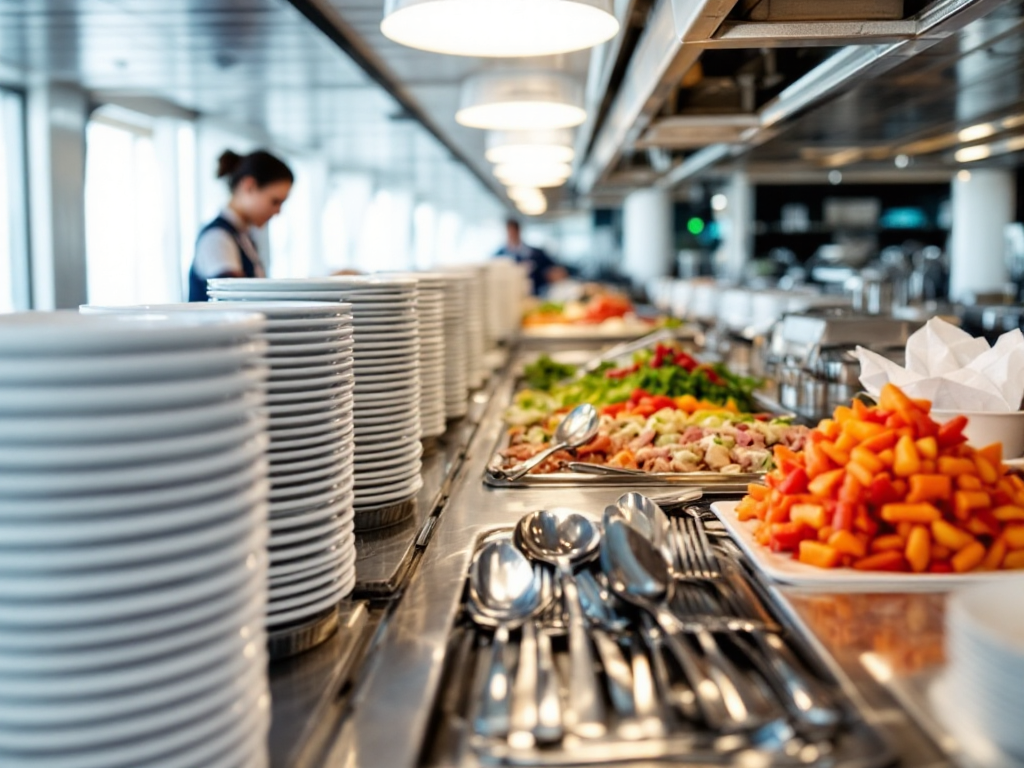
Pro tip: Pre-order vegan meals through the cruise line's special requests system. On Disney and Royal Caribbean, you can request vegan main course options be delivered to your cabin each night if you prefer eating there. It's not romantic, but it guarantees you eat.
Keto and Low-Carb Cruising: The Hidden Challenge
Keto cruises are deceptively hard because carbs are everywhere—especially in port ports and on sea days when the ship pushes specialty restaurants featuring pasta and bread-forward menus.
What works on keto at sea:
- Main dining rooms always have protein-heavy entrées (steak, fish, chicken). Request them without sides and load up on vegetables.
- Breakfast is your easiest meal—eggs, bacon, and cheese are always available.
- Specialty steakhouses like Chops Grille (Royal Caribbean) or Supper Club (Celebrity) are keto-friendly if you order grilled proteins and skip the potatoes.
- Request a special keto tasting menu when you pre-order through dietary requests. Some ships will do this.
What doesn't work:
- Buffets are carb-heavy. You'll spend time analyzing every dish and getting frustrated.
- Dessert-focused specialties like the Chocolate Tasting experience are torture.
- Port days often mean limited keto-friendly restaurant options in Caribbean and Mediterranean ports.
- Sugary drinks at pool bars—watch your alcohol choices (many cocktails are carb-dense).
Real strategy: Pack keto snacks (pork rinds, nuts, jerky) and plan to eat in your cabin for some meals. Use the main dining room for protein and vegetables. Skip the specialty restaurants unless they offer true keto customization. This isn't ideal, but it's honest.
Gluten-Free Cruising: Better Than You'd Expect
I've been pleasantly surprised by how seriously cruise lines take gluten-free requirements. Celiac disease is a legitimate medical condition, and cruise lines (thankfully) recognize the liability.
What cruise lines typically offer:
- Dedicated gluten-free dining areas or separate prep spaces to prevent cross-contamination.
- Gluten-free bread and pasta available upon request (not always at buffets, but always in main dining).
- Main dining room menus clearly indicate which dishes can be made gluten-free.
- Medical-grade attention to cross-contamination if you're dining in specialty restaurants.
Best cruise lines for gluten-free:
- Disney Cruise Line — Exceptional. Gluten-free options are clearly marked everywhere. Cast members are trained on the seriousness of celiac disease.
- Royal Caribbean — Solid program. Dedicated gluten-free prep areas on most ships. Gluten-free bread is consistently available.
- Celebrity Cruises — Very good. Clear labeling and knowledgeable dining staff.
- Norwegian Cruise Line — Adequate but less polished. Gluten-free options exist, but you might need to repeat your request multiple times.
Important: Gluten-free means actual gluten-free, not just low-gluten. Make sure your cruise line understands the severity of your celiac disease or wheat allergy during the pre-cruise notification process.
Medical Diets: Diabetic, Heart-Healthy & Low-Sodium
If you're managing diabetes, hypertension, or following a doctor-prescribed diet, cruise ships can accommodate—but you'll need to be more involved than someone requesting vegan meals.
Diabetic cruising:
- Notify your cruise line that you're diabetic and request appropriate meal options (reduced sugar, appropriate carb-to-protein ratios).
- Ask for nutritional information on meals in advance so you can count carbs accurately.
- Pack your insulin and diabetes supplies in your carry-on (not checked luggage) in case your baggage is delayed.
- Store insulin in your cabin refrigerator—most cabins have mini-fridges, but call ahead to confirm.
- Meet with the ship's doctor on your first day to establish a relationship in case you need medical support.
Heart-healthy (low-sodium, low-fat):
- Request low-sodium preparations when you notify your cruise line.
- Eat grilled proteins without added sauces in the main dining room.
- Avoid the buffet (pre-prepared foods are often high in sodium as preservatives).
- Request steamed vegetables instead of sautéed.
- Limit specialty dining—sauces and rich preparations are the specialty restaurant business model.
Cruise Lines Ranked by Dietary Accommodation
Based on 40+ cruises and honest conversations with guests:
Tier 1: Exceptional (Disney, Celebrity, Royal Caribbean)
These lines take dietary needs seriously, have dedicated staff, and communicate proactively. Expect professional handling of allergies, clear vegan options, and genuine accommodation of special requests.
Tier 2: Solid (Norwegian, MSC)
Good systems in place, generally responsive, but sometimes less polished than Tier 1. You might need to follow up, but requests are usually honored.
Tier 3: Adequate (Carnival, Princess)
They accommodate special diets, but with less finesse. More casual about allergen protocols. Better at mainstream requests (vegetarian) than niche requests (nut-free).
Practical Pre-Cruise Checklist
- Contact your cruise line's special dietary department 60 days before sailing. Include your full name, booking reference, specific dietary needs, and severity level.
- Ask for confirmation in writing that your request has been logged in the ship's system.
- Call the cruise line again 14 days before sailing to confirm your request is in the system.
- Pack backup snacks (nuts, dried fruit, protein bars, crackers) in your carry-on.
- Arrive early on embarkation day so you can speak with dining staff before the evening.
- Request a main dining room assignment on your first night so you can meet the chef and establish a relationship.
- Get the dining staff's names and cabin numbers for your assigned servers—personal relationships matter at sea.
- Take photos of every special meal prepared for you on the first night so you have documentation of what "your meals" look like (useful if standards slip midway through your cruise).
Real Talk: What Can Go Wrong
I've been fortunate on most cruises, but I've also seen things go sideways:
- Last-minute crew changes: A new server assigned to your table might not know your dietary needs. Remind them on day one.
- Kitchen staff turnover: If your regular chef takes a day off, the substitute might not know your requirements. Mention it again.
- Buffet cross-contamination: Even with the best intentions, buffet stations can get messy. For severe allergies, I avoid buffets entirely.
- Port day restaurants: Most ports don't offer great vegan, keto, or gluten-free options. Eat on the ship when possible.
- Specialty restaurants: Not all specialty venues are equipped to handle your dietary needs. Confirm when booking.
Join the Conversation
Dietary needs are deeply personal, and every cruise is different. Share your story—what worked, what didn't, and what you learned. Have you found a cruise line that nailed your dietary accommodation? Discovered a hidden challenge? Join the CruiseVoices Dietary Needs & Special Requests forum and connect with thousands of cruisers navigating the same challenges.
Your dietary needs should never stop you from experiencing the magic of a cruise. With the right preparation and communication, you'll eat well, feel confident, and actually enjoy your time at sea.