

Marina_Cole
Moderator
The Cabin Location Decision That Changes Everything
After 40+ cruises, I've learned that where you sleep on a ship matters far more than most people realize. Your cabin location affects everything: how much you sway at night, whether you hear the midnight buffet restocking crew, if you're a 10-minute walk from the main dining room, and honestly, whether you'll actually enjoy your vacation.
I've booked cabins in every position imaginable—midship, forward, aft, high decks, low decks—and I've learned the hard way what works and what doesn't. Let me walk you through the real trade-offs so you can make a smart choice for your next cruise in 2026.
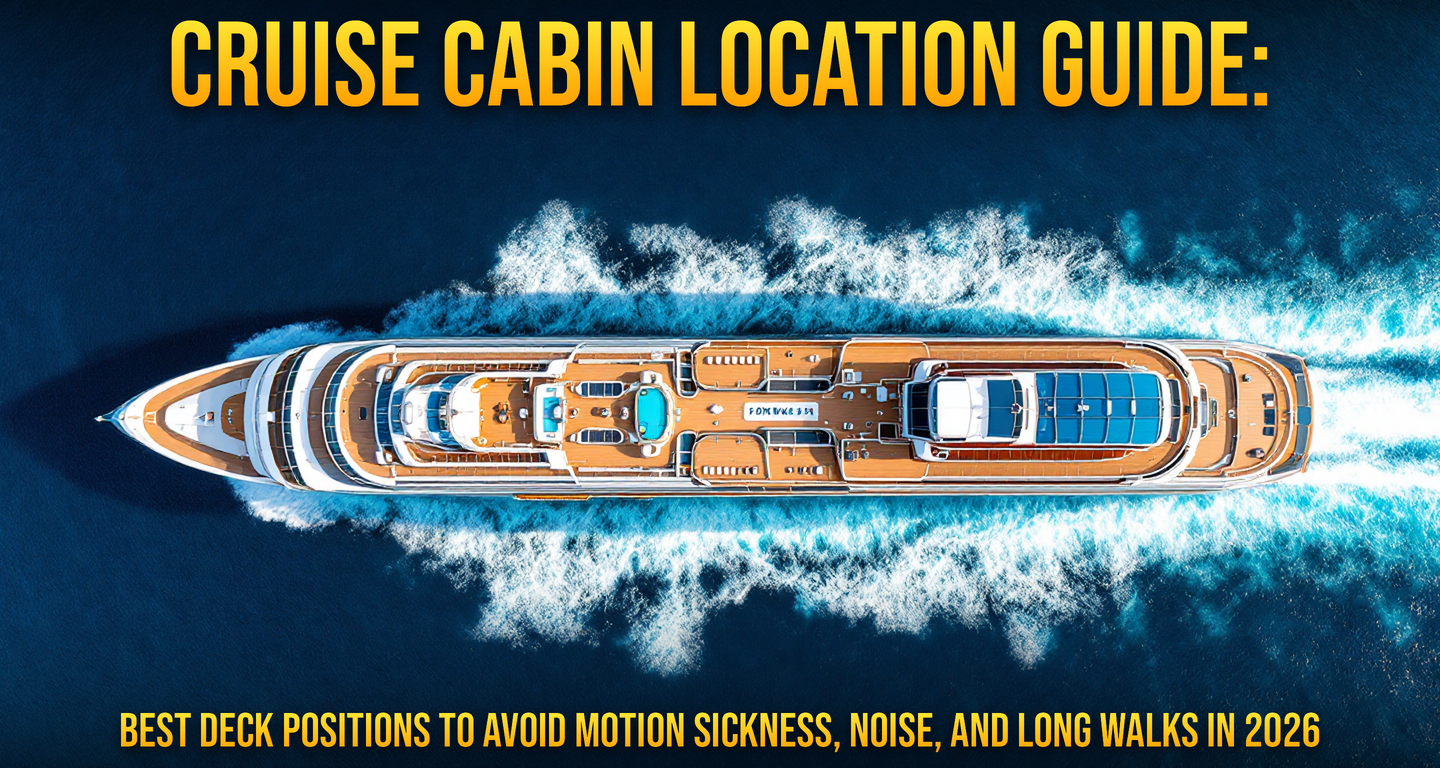
Midship Cabins: The Sweet Spot for Motion Comfort
If you're worried about seasickness, book midship. Period.
The middle of the ship moves the least in rough seas. Think of it like sitting in the center of a seesaw—there's minimal up-and-down motion. Forward and aft sections experience much more pitch and roll, especially during Atlantic crossings or Alaska itineraries where wave action is real.
I sailed on the Carnival Luminosa through the Mediterranean in spring 2026, and I deliberately chose a midship cabin on Deck 6. When we hit some unexpected chop near the Strait of Messina, I barely felt it. My friend three decks below in an aft cabin? She was gripping her bed rails.
The downside: Midship cabins cost more because everyone knows this secret. You'll typically pay 10-15% premium for a midship location versus the same category forward or aft.
- Midship = minimal motion (best for motion-sensitive cruisers)
- Forward = more pitch (up-and-down motion in rough seas)
- Aft = more roll and stern vibration (especially noticeable at night)
If budget is tight and you rarely experience motion issues, forward cabins save money—just know what you're trading for it.
Discover more cabin selection strategies in our Deck Plans & Room Locations forum.
Deck Height: Higher Isn't Always Better
Conventional cruise wisdom says "book as high as possible." That's mostly wrong.
Here's the reality: Upper decks sway more in rough seas because the ship's center of gravity is below the waterline. Think of a tall building in an earthquake—the upper floors shake harder than the lower ones. On a 1,000-foot ship pitching in 10-foot swells, this matters.
On the other hand, very low decks (2-4) put you closer to engine rooms, laundry facilities, and crew quarters. You'll hear machinery rumbling at 6 AM when the ship's systems power up. I once booked Deck 2 on the Royal Caribbean Harmony of the Seas thinking I'd get a bargain—and spent three nights listening to hydraulic pumps and thrashing laundry machines directly above my head.
The goldilocks zone: Decks 5-8. You're high enough to avoid the worst machinery noise, but low enough that motion is manageable. This is where I've consistently booked successful cruises across Disney, Norwegian, and Princess ships.
- Decks 1-4: Cheapest but expect machinery noise
- Decks 5-8: Best balance of quiet and motion comfort
- Decks 9+: Smooth experience but more expensive; increased sway in rough weather
Ask yourself: Are you seasickness-prone? Decks 5-6 midship. Do you sleep through anything? You can negotiate on deck height.
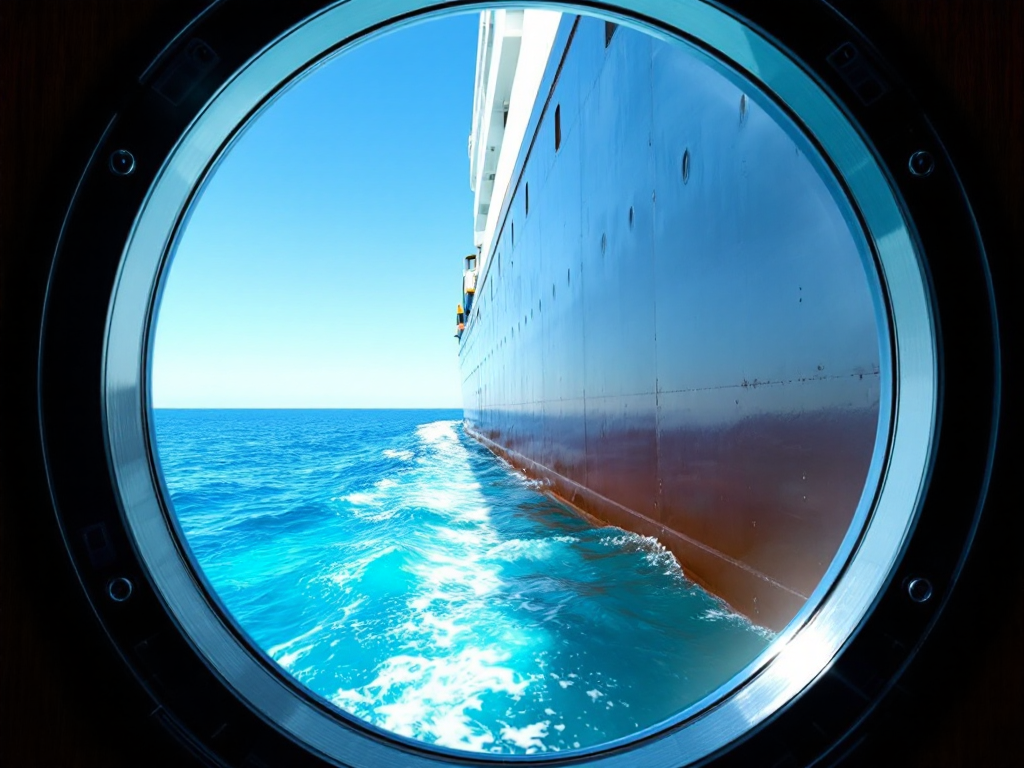
The Noise Factor: Know What Lives Next to You
I've woken up at midnight to thundering bass from the nightclub directly below my cabin. I've been kept awake by guests slamming their balcony doors at 2 AM. And I've learned exactly which cabin locations to avoid.
Avoid these locations like plague:
- Directly above or below main nightclubs (usually midship on lower decks) — Music and stomping until 2 AM
- Adjacent to elevators — Constant dings and closing doors all night
- Above the pool deck — Daytime is fine; nighttime cabaret shows = thumping bass
- Deck 2-3 forward — Anchor winch noise during departure and arrival
- Near the main dining room — Breakfast service starts at 6 AM with food carts rolling
On my recent Norwegian Epic sailing, I was booked in what I thought was a standard inside cabin on Deck 5. Turns out the Spice H2O nightclub entrance was directly adjacent. I requested a move immediately (never hesitate to do this in the first 24 hours) and relocated to Deck 6 midship. The difference was night and day.
Call ahead to your cruise line in advance and ask your cabin assignment questions—most lines will answer them via email if you provide your booking number.
Walking Distance: Calculate Your Daily Steps
This isn't just about laziness. On a 7-day cruise, if your cabin is 10 minutes from the main dining room, you're walking an extra 2+ hours over the week. That matters if you have mobility issues, traveling with small kids, or just want to maximize actual relaxation time.
Measure your walk realistically:
- Forward cabins = longer walk to midship attractions and dining venues
- Aft cabins = convenient for some specialty restaurants; farther from main theater
- Interior cabins midship = sweet spot for minimal walking
- Balcony cabins on outer edges = maximum walking distance to elevators
I've seen deck plans for newer ships like the Celebrity Beyond where a forward cabin on Deck 9 requires a 12-minute walk to the main dining room. That's a 2-hour walk over a week. If you're 65+ or traveling with anyone with mobility concerns, this changes your vacation quality.
When booking, don't just look at the deck plan—actually trace the route from your cabin to the main dining room, theater, and buffet. Time it in your head.
Specialty Considerations by Ship Type
Disney Cruise Line: Cabins are incredibly consistent. The real choice is forward-facing (Deck 8-10) for verandas with views versus inside cabins. Disney has virtually eliminated the noise issues through soundproofing.
Royal Caribbean: The newer Oasis and Icon classes are enormous. Central location matters more here because the ship is so long. A forward cabin on Icon can genuinely feel like you're on a different ship from midship.
Norwegian Cruise Line: Freestyle cruising means less regimented dining, so walking distance matters less. However, their aft cabins on newer ships (like the Epic and Breakaway classes) experience more propeller vibration. Avoid Deck 2-3 aft.
Carnival: Their newer Vista-class ships (like the Luminosa) have excellent soundproofing. I've stayed in cabins near nightclubs without major issues. Still, midship on Decks 5-6 remains optimal.
MSC: Their Seaside-class ships have cabins with actual balconies even for interior cabins (with virtual portholes). The window doesn't reduce motion, but it's a game-changer psychologically. Midship location still priority.
Balcony vs. Inside: The Motion Reality[/B]
Here's something cruise lines don't advertise: cabin size and balcony presence don't affect motion. A deluxe balcony cabin on Deck 10 aft sways exactly the same as an inside cabin in the same location.
Your balcony is nice for fresh air and people-watching, but it won't reduce seasickness. Deck position and midship location are what matter. I've had gorgeous balcony cabins where I never stepped outside because of rough seas and swaying, and cozy inside cabins where I slept perfectly.
If you're motion-sensitive, prioritize location over cabin type. Choose an inside cabin midship on Deck 6 over an aft balcony on Deck 10. You'll sleep better and actually enjoy your cruise.
Cabin Categories Nobody Mentions
Obstructed View Cabins: These are typically forward cabins where your porthole/window is blocked by lifeboats. The money saved can be substantial (20-30% cheaper), and honestly, if you're not going to spend all day staring out your window, they're excellent value. I booked one on the Princess Royal in 2026 and saved $400 on a 10-day Alaska cruise.
Studio Cabins: Offered by Royal Caribbean and some other lines, these are tiny (150 sq ft) but in premium locations. They often have priority seating and exclusive lounge access. Perfect for solo travelers or couples who don't need space.
Guarantee Cabins: You don't know your exact location until embarkation day. This can be risky (you might get forward or aft), but cruise lines often upgrade to compensate. I've secured guarantee cabins and ended up in better locations than I would have chosen, saving hundreds.
Your Action Plan for 2026 Bookings
When you're ready to book your next cruise:
- Start with your non-negotiables: If you get seasick, midship Decks 5-8 is mandatory. If you have mobility issues, calculate walking distances.
- Call the cruise line directly before finalizing your deposit. Ask about cabin location options and request your assignment early (many lines assign cabins 45-60 days before departure).
- Review the specific ship's deck plan on the cruise line website. Every ship is different. The Carnival Luminosa's nightclub is in a different location than the Carnival Triumph's.
- Use CruiseVoices' AI Concierge when you're ready to book. Tell our concierge about your priorities—motion sensitivity, budget, mobility concerns—and we'll help you find the right cabin location and book your entire cruise, from flights to excursions, all in natural conversation.
- Join the conversation: Ask experienced cruisers about specific ships. Someone has already tested your exact scenario.
The truth: There's no perfect cabin for everyone. But there's definitely a perfect cabin for you—once you know what matters most.
After 40+ cruises, I've learned that the best cabin isn't always the biggest or most expensive. It's the one that lets you actually sleep, doesn't require a hike to dinner, and doesn't have you gripping the bed rails at 2 AM. Get that right, and your cruise transforms from a nice vacation into a genuinely relaxing escape.
Share your cabin location discoveries and ask cabin-specific questions in our Deck Plans & Room Locations forum. Thousands of cruisers have tested every location on every ship—tap into that collective wisdom before you book.