

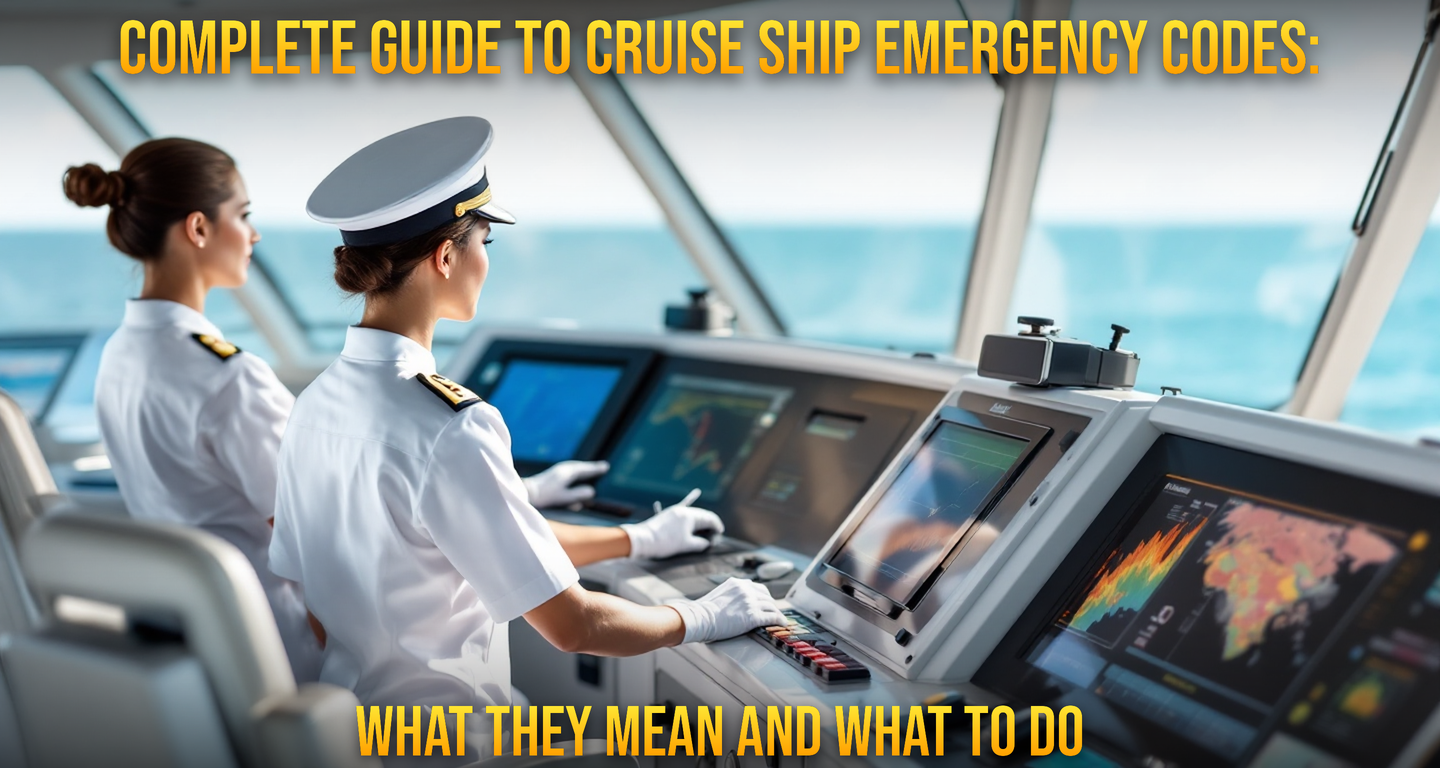
You're enjoying a peaceful day on deck when suddenly you hear "Alpha Team, Alpha Team" over the ship's PA system. Your heart skips a beat — is this an emergency? Should you be worried? After 40+ cruises, I've heard my share of emergency codes, and I'm here to decode what they really mean and how you should respond.
Understanding these codes isn't about creating anxiety — it's about being an informed passenger who knows when to stay calm and when to take action. Let me walk you through the most common emergency codes you might hear and what they actually mean for your cruise experience.
Alpha (Medical Emergency)
This is by far the most common code you'll encounter. "Alpha Team to Deck 7 Midship" means someone needs medical attention — usually a slip, fall, or health issue. I've heard Alpha calls on nearly every cruise, and they're typically resolved quickly. You don't need to do anything except stay clear of the area if you're nearby.
Bravo (Fire)
A Bravo call indicates fire or smoke detection. On Royal Caribbean's Anthem of the Seas, I once heard "Bravo, Bravo, Deck 12 Solarium" — turned out to be a small kitchen issue that was quickly contained. These calls are taken extremely seriously, but most are minor incidents or false alarms.
Charlie Charlie Charlie (Security Threat)
This is the code that gets everyone's attention. On Royal Caribbean ships, Charlie Charlie Charlie indicates a security situation — could be anything from a disruptive passenger to a more serious threat. I've only heard this twice in all my cruises, and both times it was resolved without passenger involvement.
Delta (Damage Control)
Delta codes relate to water ingress or damage to the ship's hull. These are rare but serious. If you hear multiple Delta calls, pay attention to crew instructions.
Echo (Drifting)
This indicates the ship is drifting or having propulsion issues. You might feel the ship's movement change, but modern ships have multiple backup systems.
Here's what I've observed during real emergency situations:
When you hear a code, crew members immediately spring into action. During a Bravo call on Celebrity Eclipse, I watched crew members in bright yellow safety vests appear within 60 seconds, moving purposefully but not frantically toward the reported location.
For Charlie Charlie Charlie situations, you'll see security personnel positioning themselves throughout the ship. Don't be alarmed if you notice crew members standing at regular intervals along the Royal Promenade or main corridors — this is standard protocol.
The key thing to remember: these codes are designed to alert crew without causing passenger panic. The crew knows exactly what to do, and their response is swift and professional.
For Alpha (Medical) Codes:
For Bravo (Fire) Codes:
For Charlie Charlie Charlie (Security):
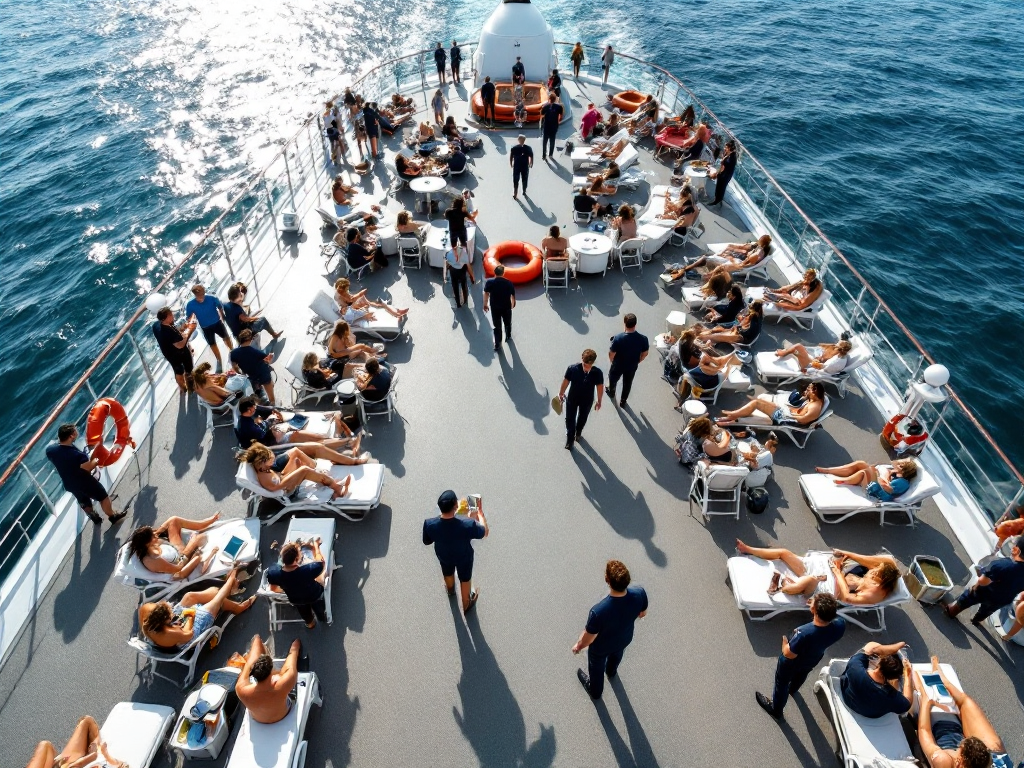
What you really want to hear is "Code Green" or "All Clear" — this means the situation has been resolved. On Norwegian Breakaway, after a Bravo call for a small galley fire, we heard "Code Green, normal operations" about 20 minutes later.
Some cruise lines use different terminology:
Here's an insider tip: many code announcements you hear are actually crew training drills. These typically happen:
On Oasis of the Seas, I stayed aboard during a Nassau port day and heard multiple Alpha and Bravo calls — all training exercises. The crew treats drills exactly like real emergencies, which is why their response always looks so professional.
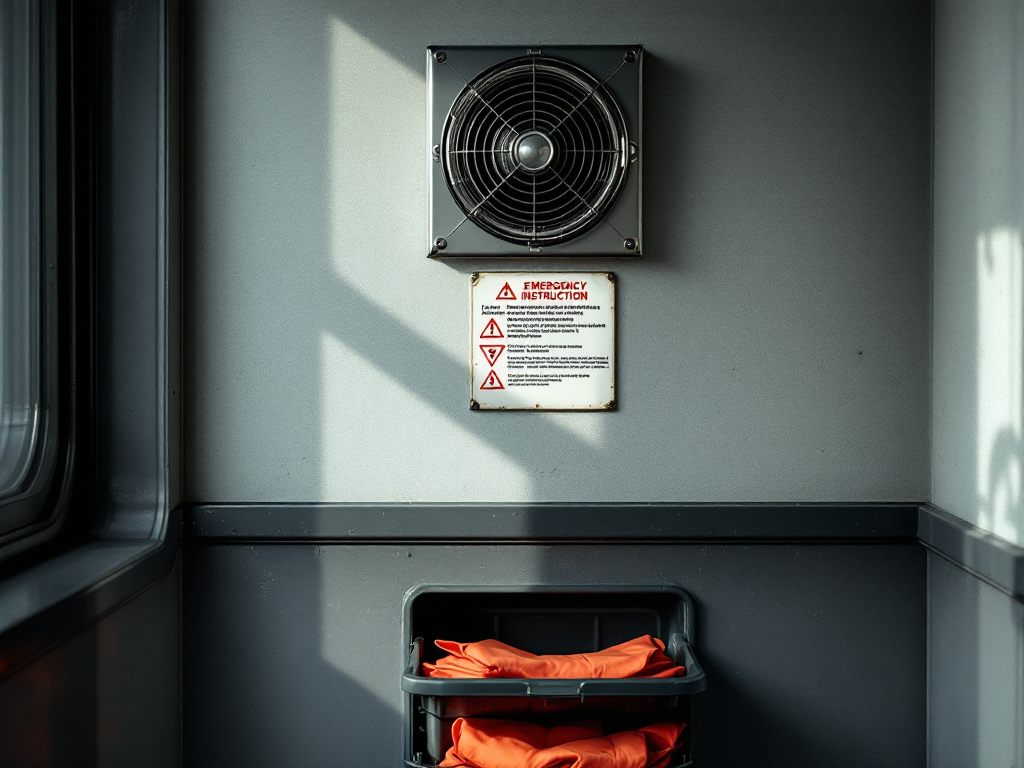
Operation Bright Star
This Royal Caribbean code means a medical emergency involving a crew member. You might notice crew areas being cleared, but it doesn't affect passenger areas.
Papa (Pollution Incident)
Rare but indicates an environmental issue. Modern ships have sophisticated systems to prevent pollution, but when this code is used, it's taken very seriously.
Oscar (Person Overboard)
The most serious code you could hear. If announced, the ship will immediately begin search and rescue procedures. I've never personally experienced this, but crew training for Oscar situations is extensive and ongoing.
After dozens of cruises, here are some things I've learned:
Code frequency varies by cruise line. Royal Caribbean ships, due to their size and passenger volume, tend to have more Alpha calls than smaller Celebrity or Azamara ships.
Crew response times are incredibly fast. The average response time for any emergency code is under 2 minutes — faster than most land-based emergency services.
Most passengers never notice codes. The PA announcements are designed to alert crew without alarming passengers, and they're usually brief and matter-of-fact.
Codes can affect itinerary. Serious security situations might require a ship to return to port or skip a destination, though this is extremely rare.
The best thing you can do during any emergency code situation is stay informed but not interfere. Here's how:
Remember, cruise ships are among the safest places you can be. The crew trains constantly for these situations, and modern ships have redundant safety systems that exceed international maritime requirements.
The bottom line: Emergency codes are part of professional safety protocols. They're designed to keep you safe while allowing the crew to respond quickly and efficiently. In my 40+ cruises, I've seen these systems work flawlessly every time.
Have you heard emergency codes during your cruises? Share your experiences and questions in our General Cruise Discussion forum — our community of experienced cruisers is always happy to help decode what you've heard and put your mind at ease!
Understanding these codes isn't about creating anxiety — it's about being an informed passenger who knows when to stay calm and when to take action. Let me walk you through the most common emergency codes you might hear and what they actually mean for your cruise experience.
The Most Common Emergency Codes You'll Hear
Alpha (Medical Emergency)
This is by far the most common code you'll encounter. "Alpha Team to Deck 7 Midship" means someone needs medical attention — usually a slip, fall, or health issue. I've heard Alpha calls on nearly every cruise, and they're typically resolved quickly. You don't need to do anything except stay clear of the area if you're nearby.
Bravo (Fire)
A Bravo call indicates fire or smoke detection. On Royal Caribbean's Anthem of the Seas, I once heard "Bravo, Bravo, Deck 12 Solarium" — turned out to be a small kitchen issue that was quickly contained. These calls are taken extremely seriously, but most are minor incidents or false alarms.
Charlie Charlie Charlie (Security Threat)
This is the code that gets everyone's attention. On Royal Caribbean ships, Charlie Charlie Charlie indicates a security situation — could be anything from a disruptive passenger to a more serious threat. I've only heard this twice in all my cruises, and both times it was resolved without passenger involvement.
Delta (Damage Control)
Delta codes relate to water ingress or damage to the ship's hull. These are rare but serious. If you hear multiple Delta calls, pay attention to crew instructions.
Echo (Drifting)
This indicates the ship is drifting or having propulsion issues. You might feel the ship's movement change, but modern ships have multiple backup systems.
What Actually Happens During Code Announcements
Here's what I've observed during real emergency situations:
When you hear a code, crew members immediately spring into action. During a Bravo call on Celebrity Eclipse, I watched crew members in bright yellow safety vests appear within 60 seconds, moving purposefully but not frantically toward the reported location.
For Charlie Charlie Charlie situations, you'll see security personnel positioning themselves throughout the ship. Don't be alarmed if you notice crew members standing at regular intervals along the Royal Promenade or main corridors — this is standard protocol.
The key thing to remember: these codes are designed to alert crew without causing passenger panic. The crew knows exactly what to do, and their response is swift and professional.
How to Respond to Each Type of Code
For Alpha (Medical) Codes:
- Stay clear of the area mentioned
- Don't crowd around to see what's happening
- If you have relevant medical training and see someone in distress, identify yourself to crew
- Continue with your activities — these are routine
For Bravo (Fire) Codes:
- Avoid the reported area completely
- Don't use elevators near the location
- Stay alert for further announcements
- If you smell smoke, report it immediately to any crew member
For Charlie Charlie Charlie (Security):
- Remain calm and stay where you are unless directed otherwise
- Follow all crew instructions immediately
- Don't investigate or try to see what's happening
- Keep children close to you
- Be patient — these situations require time to resolve properly
Codes That Mean "All Clear"
What you really want to hear is "Code Green" or "All Clear" — this means the situation has been resolved. On Norwegian Breakaway, after a Bravo call for a small galley fire, we heard "Code Green, normal operations" about 20 minutes later.
Some cruise lines use different terminology:
- Royal Caribbean: "Code Green" or "All Clear"
- Carnival: "Code Green" or situation-specific all-clear
- Norwegian: "Normal operations resumed"
- Celebrity: "Code Green"
When Codes Are Actually Drills
Here's an insider tip: many code announcements you hear are actually crew training drills. These typically happen:
- During port days when most passengers are ashore
- Early morning hours (6-8 AM)
- Late evening (after 10 PM)
- During sea days in international waters
On Oasis of the Seas, I stayed aboard during a Nassau port day and heard multiple Alpha and Bravo calls — all training exercises. The crew treats drills exactly like real emergencies, which is why their response always looks so professional.
Less Common But Important Codes
Operation Bright Star
This Royal Caribbean code means a medical emergency involving a crew member. You might notice crew areas being cleared, but it doesn't affect passenger areas.
Papa (Pollution Incident)
Rare but indicates an environmental issue. Modern ships have sophisticated systems to prevent pollution, but when this code is used, it's taken very seriously.
Oscar (Person Overboard)
The most serious code you could hear. If announced, the ship will immediately begin search and rescue procedures. I've never personally experienced this, but crew training for Oscar situations is extensive and ongoing.
What Cruise Lines Don't Tell You
After dozens of cruises, here are some things I've learned:
Code frequency varies by cruise line. Royal Caribbean ships, due to their size and passenger volume, tend to have more Alpha calls than smaller Celebrity or Azamara ships.
Crew response times are incredibly fast. The average response time for any emergency code is under 2 minutes — faster than most land-based emergency services.
Most passengers never notice codes. The PA announcements are designed to alert crew without alarming passengers, and they're usually brief and matter-of-fact.
Codes can affect itinerary. Serious security situations might require a ship to return to port or skip a destination, though this is extremely rare.
Your Role as a Responsible Passenger
The best thing you can do during any emergency code situation is stay informed but not interfere. Here's how:
- Listen to all PA announcements carefully
- Follow crew directions immediately and without question
- Don't post about ongoing situations on social media until resolved
- Keep your cabin key and important medications with you
- Know your muster station location (from your mandatory safety drill)
Remember, cruise ships are among the safest places you can be. The crew trains constantly for these situations, and modern ships have redundant safety systems that exceed international maritime requirements.
The bottom line: Emergency codes are part of professional safety protocols. They're designed to keep you safe while allowing the crew to respond quickly and efficiently. In my 40+ cruises, I've seen these systems work flawlessly every time.
Have you heard emergency codes during your cruises? Share your experiences and questions in our General Cruise Discussion forum — our community of experienced cruisers is always happy to help decode what you've heard and put your mind at ease!
Last edited by a moderator: