

Every cruise cabin comes with a digital safe these days, but many first-time cruisers don't realize how essential they are until they're already at sea. After 40+ cruises, I've seen too many passengers learn this lesson the hard way.
Whether you're sailing on Norwegian Epic's forward-facing balcony or Carnival's most basic interior on Deck 2, that little electronic box in your closet deserves your attention. Here's everything you need to know about making the most of your cabin safe.
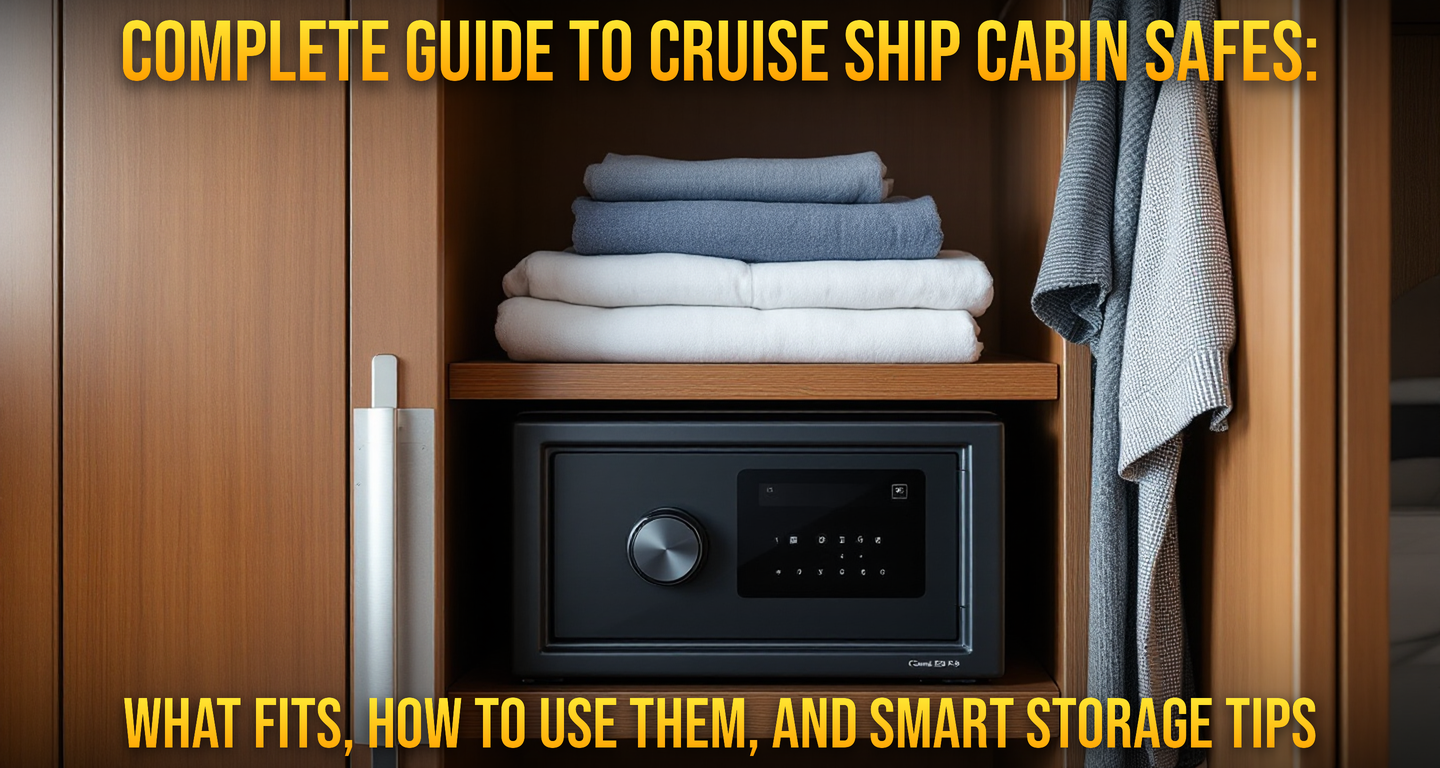
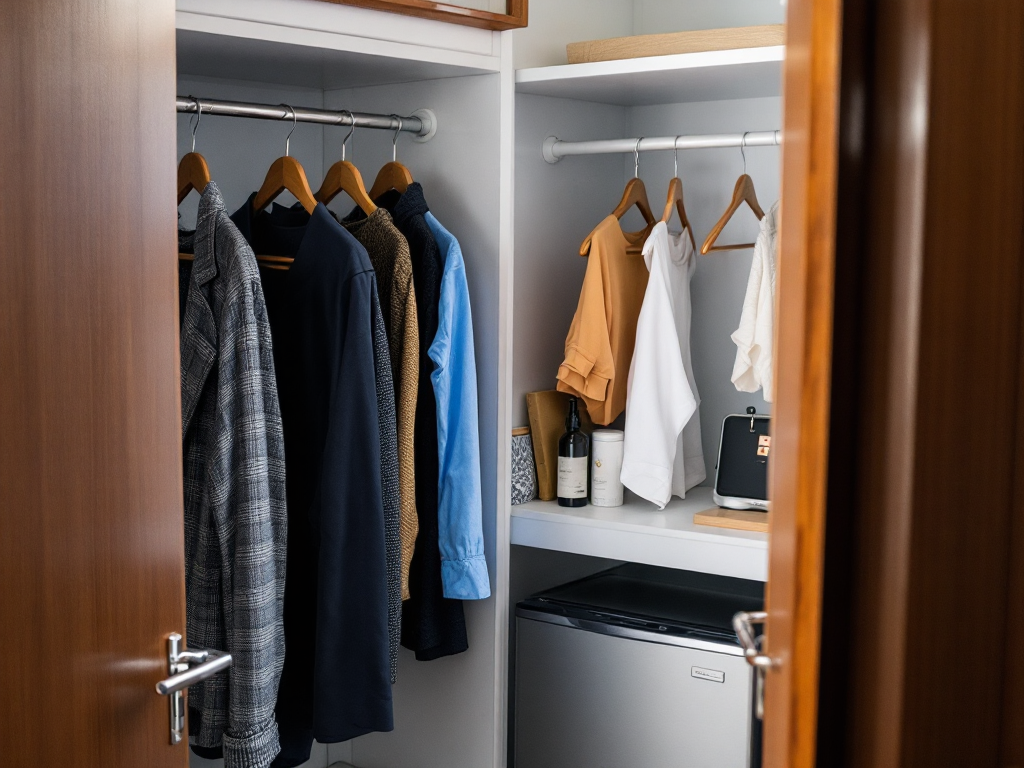
Most modern cruise ship safes are digital models about the size of a small microwave. You'll typically find them in one of three spots: inside the bedroom closet, built into the desk area, or mounted in the main closet near the bathroom.
On Royal Caribbean's newer ships like Wonder of the Seas, the safes are usually in the closet behind your hanging clothes. Celebrity Edge-class ships mount them at desk height, which I actually prefer since you don't have to crouch down to access them.
The standard dimensions across most cruise lines are roughly 14 inches wide, 10 inches deep, and 6 inches tall. That's enough space for passports, jewelry, cash, phones, small cameras, and prescription medications, but don't expect to fit a full-size laptop or large DSLR camera with multiple lenses.
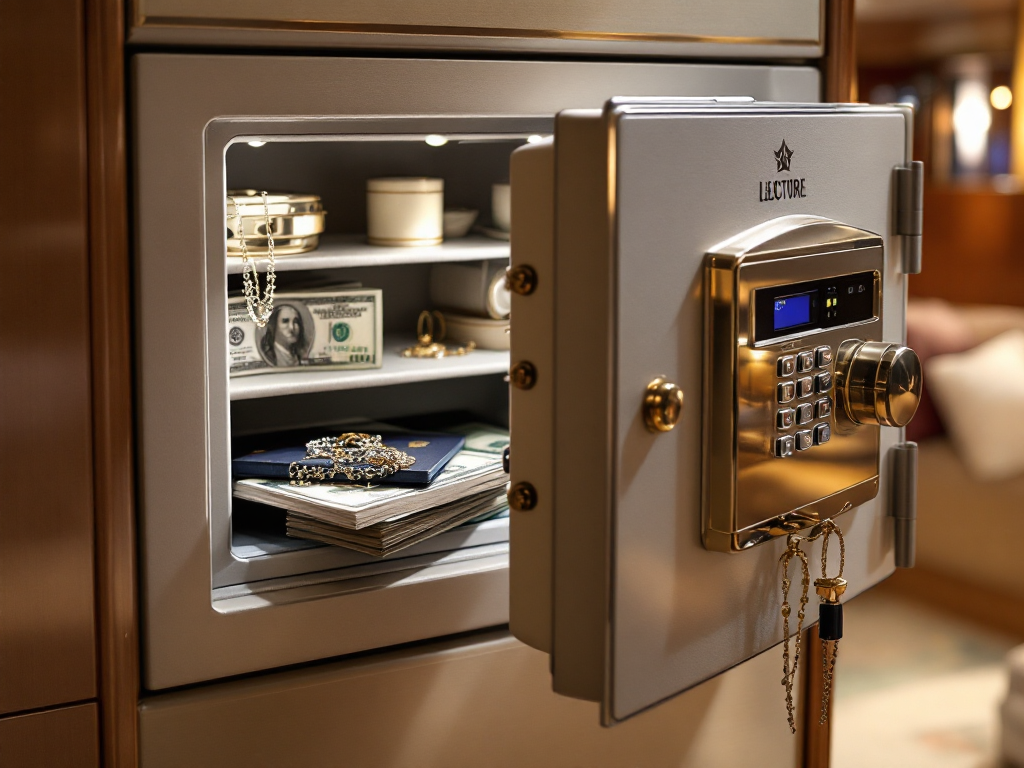
Pro tip: Test the safe's location on embarkation day. I've been in cabins where the safe was partially blocked by the hanging rod or difficult to reach. If accessibility is an issue, guest services can sometimes arrange a different cabin.
Share your cabin setup discoveries in our cabin discussion forum to help future cruisers!
Setting up your cabin safe is straightforward, but the process varies slightly between cruise lines. Here's the typical sequence:
On Carnival ships, you'll hear two beeps when your code is accepted. Royal Caribbean safes typically flash a green light. Norwegian's safes require you to press the "#" key after entering your code.
Critical mistake to avoid: Don't use obvious codes like 1234, 0000, or your cabin number. I once watched a passenger try these exact combinations on someone else's safe (accidentally, they claimed). Pick something memorable but not obvious.
Always keep the instruction card that's usually taped inside the safe door. If you forget your combination, guest services can reset it, but they'll need to verify your identity and may charge a service fee – typically around $25-50 depending on the cruise line.
After testing safes across multiple cruise lines, here's what realistically fits in most cabin safes:
Definitely fits:
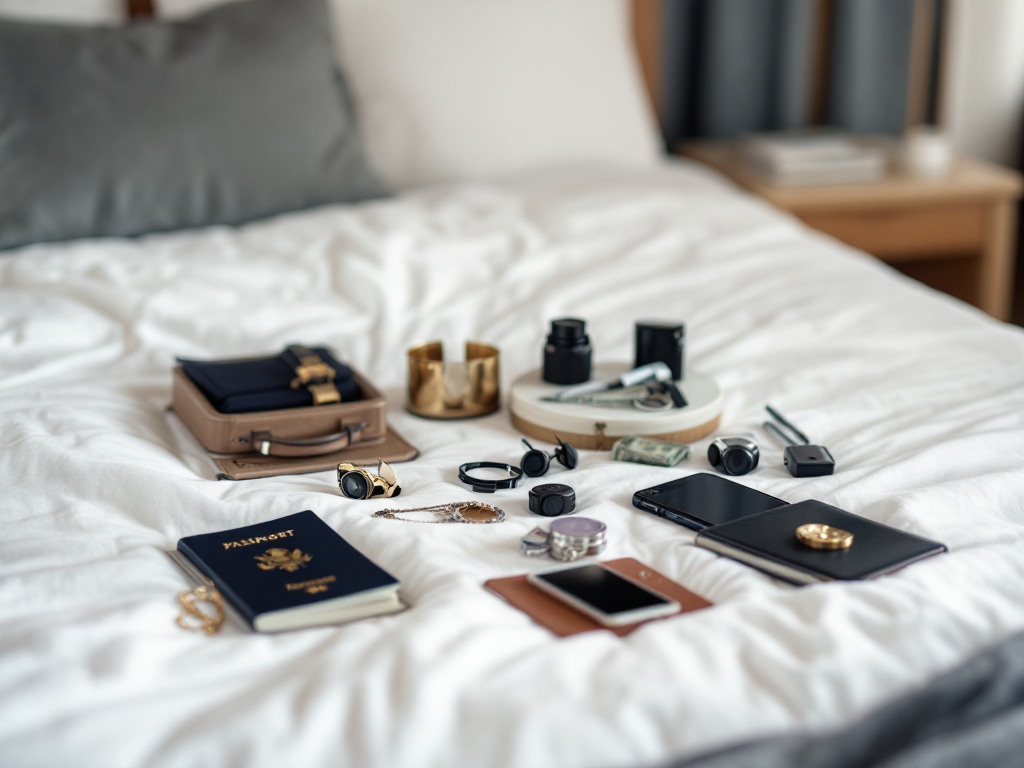
Might fit (depending on safe size):
Definitely won't fit:
The reality is that suite safes aren't significantly larger than standard cabin safes. I've stayed in Royal Caribbean's Crown Loft Suite and Celebrity's Penthouse Suite – the safes were nearly identical to interior cabin models.
Here's where experience makes a huge difference. Don't put all your valuables in the safe – that's actually riskier than spreading them out.
My proven system:
Store your primary passport, main credit cards, and most of your cash in the safe. Keep a backup credit card and some cash ($100-200) in your daily wallet or purse. If something happens to either location, you're not completely stuck.
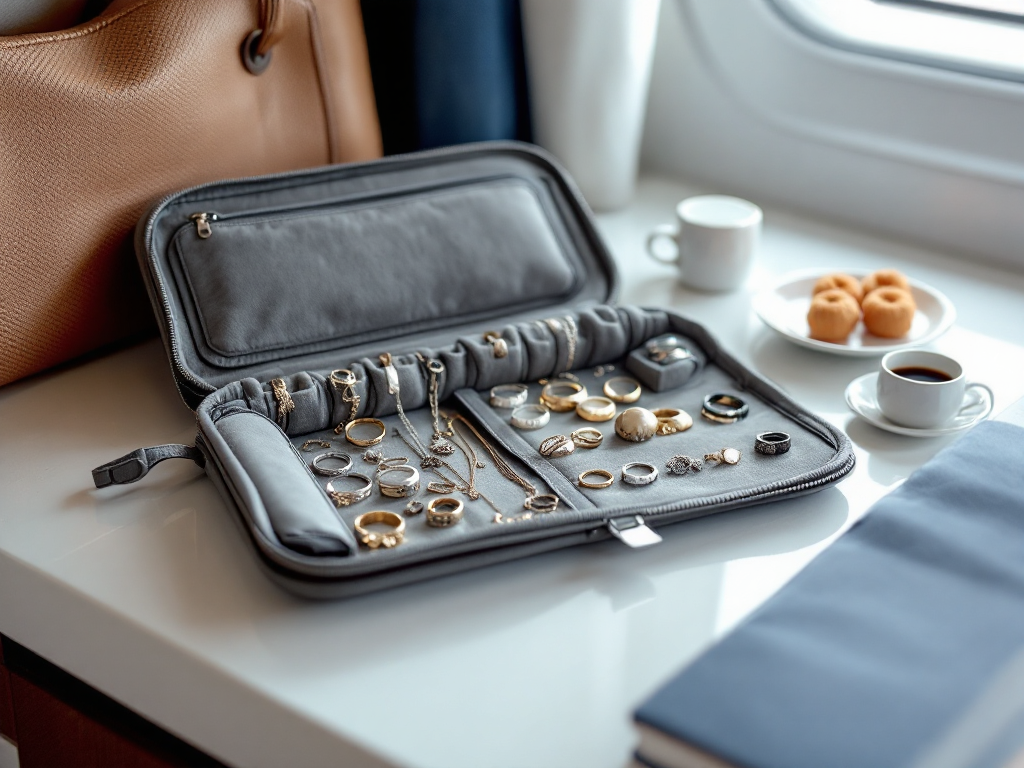
For jewelry, I use a small padded jewelry roll that fits perfectly in most safes. It protects your pieces and maximizes space. Target sells excellent travel jewelry organizers for under $20.
Always photograph important documents before storing them. I keep photos of my passport, driver's license, and credit cards in a password-protected album on my phone. This has saved me twice when dealing with lost wallets in port.
Port day protocol: Take only what you need for the day. Leave extra cash, backup cards, and non-essential jewelry in the safe. I've seen too many passengers lose entire wallets in Cozumel or Nassau because they brought everything with them.
Don't forget to actually lock the safe when you leave. It sounds obvious, but I've done it – rushed out to catch a port tour and realized hours later that the safe was sitting wide open.
Safe malfunctions happen more often than cruise lines want to admit. Here are the most common issues and solutions:
"Safe won't accept my code": Most safes have a lockout period after multiple incorrect attempts. Wait 10-15 minutes and try again. If it still doesn't work, call guest services immediately.
"I forgot my combination": Guest services can reset it, but you'll need your room key and ID. This usually takes 30-60 minutes and may involve a fee. Write your code down and store it separately from the safe.
"Safe won't open even with correct code": This sometimes happens if the battery is low. Try holding the door handle up while entering your code – this trick works on about 70% of "broken" safes I've encountered.
"Items missing from safe": This is extremely rare but not impossible. Document everything immediately, take photos, and contact guest services and your cruise line's security team. Most cruise lines have insurance for this exact situation.
Always test your safe multiple times on embarkation day. Open and close it at least three times to make sure everything works properly. It's much easier to get issues resolved while the ship is still in port.
In my experience, Celebrity and Princess have the most reliable safes – I've never had a malfunction on either line. Royal Caribbean's safes work well but occasionally have programming quirks on older ships like Mariner of the Seas.
Carnival's newer ships (Celebration, Jubilee) have excellent safes, but some older Carnival ships have safes that feel flimsy. Norwegian's safes are consistently reliable, though the programming sequence is slightly different from other lines.
MSC deserves special mention – their newer ships like MSC Seashore have larger-than-average safes that can actually fit a small laptop. If you're sailing MSC and need extra safe space, it's worth requesting a newer ship.
Virgin Voyages takes a different approach entirely. Their safes are built into custom furniture and feel more secure than traditional mounted models. Plus, Virgin's adult-only environment means fewer potential security concerns overall.
The bottom line: every major cruise line provides functional safes, but taking a few minutes to understand and test yours properly makes all the difference for peace of mind during your cruise.
Get more cabin tips and share your own safe experiences in our cabin types forum – fellow cruisers always have great insights to share!
Whether you're sailing on Norwegian Epic's forward-facing balcony or Carnival's most basic interior on Deck 2, that little electronic box in your closet deserves your attention. Here's everything you need to know about making the most of your cabin safe.
What Every Cruise Ship Safe Looks Like and Where to Find It
Most modern cruise ship safes are digital models about the size of a small microwave. You'll typically find them in one of three spots: inside the bedroom closet, built into the desk area, or mounted in the main closet near the bathroom.
On Royal Caribbean's newer ships like Wonder of the Seas, the safes are usually in the closet behind your hanging clothes. Celebrity Edge-class ships mount them at desk height, which I actually prefer since you don't have to crouch down to access them.
The standard dimensions across most cruise lines are roughly 14 inches wide, 10 inches deep, and 6 inches tall. That's enough space for passports, jewelry, cash, phones, small cameras, and prescription medications, but don't expect to fit a full-size laptop or large DSLR camera with multiple lenses.
Pro tip: Test the safe's location on embarkation day. I've been in cabins where the safe was partially blocked by the hanging rod or difficult to reach. If accessibility is an issue, guest services can sometimes arrange a different cabin.
Share your cabin setup discoveries in our cabin discussion forum to help future cruisers!
How to Set Up and Use Your Cabin Safe Properly
Setting up your cabin safe is straightforward, but the process varies slightly between cruise lines. Here's the typical sequence:
- Press the "Program" or "Set" button (usually marked with a key symbol)
- Enter your desired 4-6 digit code when prompted
- Press "Program" again to confirm
- Test the code immediately by locking and unlocking the safe
On Carnival ships, you'll hear two beeps when your code is accepted. Royal Caribbean safes typically flash a green light. Norwegian's safes require you to press the "#" key after entering your code.
Critical mistake to avoid: Don't use obvious codes like 1234, 0000, or your cabin number. I once watched a passenger try these exact combinations on someone else's safe (accidentally, they claimed). Pick something memorable but not obvious.
Always keep the instruction card that's usually taped inside the safe door. If you forget your combination, guest services can reset it, but they'll need to verify your identity and may charge a service fee – typically around $25-50 depending on the cruise line.
What Actually Fits Inside a Standard Cruise Safe
After testing safes across multiple cruise lines, here's what realistically fits in most cabin safes:
Definitely fits:
- Passports and folded documents
- Smartphones (even large models like iPhone Pro Max)
- Jewelry rolls and small jewelry boxes
- Stacks of cash up to about $5,000 in hundreds
- Credit cards and IDs
- Prescription medications
- Small point-and-shoot cameras
- Portable chargers and phone cables
Might fit (depending on safe size):
- Tablets (iPad minis usually yes, full-size iPads maybe)
- Small laptops (11-inch models only)
- Multiple phones or small electronics
- Larger medication bottles
Definitely won't fit:
- Full-size laptops (15-17 inch)
- Large camera equipment with multiple lenses
- Bulky electronics or gaming devices
- Large bottles of alcohol or liquids
- Thick books or multiple documents
The reality is that suite safes aren't significantly larger than standard cabin safes. I've stayed in Royal Caribbean's Crown Loft Suite and Celebrity's Penthouse Suite – the safes were nearly identical to interior cabin models.
Smart Storage Strategies That Actually Work
Here's where experience makes a huge difference. Don't put all your valuables in the safe – that's actually riskier than spreading them out.
My proven system:
Store your primary passport, main credit cards, and most of your cash in the safe. Keep a backup credit card and some cash ($100-200) in your daily wallet or purse. If something happens to either location, you're not completely stuck.
For jewelry, I use a small padded jewelry roll that fits perfectly in most safes. It protects your pieces and maximizes space. Target sells excellent travel jewelry organizers for under $20.
Always photograph important documents before storing them. I keep photos of my passport, driver's license, and credit cards in a password-protected album on my phone. This has saved me twice when dealing with lost wallets in port.
Port day protocol: Take only what you need for the day. Leave extra cash, backup cards, and non-essential jewelry in the safe. I've seen too many passengers lose entire wallets in Cozumel or Nassau because they brought everything with them.
Don't forget to actually lock the safe when you leave. It sounds obvious, but I've done it – rushed out to catch a port tour and realized hours later that the safe was sitting wide open.
Troubleshooting Common Safe Problems
Safe malfunctions happen more often than cruise lines want to admit. Here are the most common issues and solutions:
"Safe won't accept my code": Most safes have a lockout period after multiple incorrect attempts. Wait 10-15 minutes and try again. If it still doesn't work, call guest services immediately.
"I forgot my combination": Guest services can reset it, but you'll need your room key and ID. This usually takes 30-60 minutes and may involve a fee. Write your code down and store it separately from the safe.
"Safe won't open even with correct code": This sometimes happens if the battery is low. Try holding the door handle up while entering your code – this trick works on about 70% of "broken" safes I've encountered.
"Items missing from safe": This is extremely rare but not impossible. Document everything immediately, take photos, and contact guest services and your cruise line's security team. Most cruise lines have insurance for this exact situation.
Always test your safe multiple times on embarkation day. Open and close it at least three times to make sure everything works properly. It's much easier to get issues resolved while the ship is still in port.
Real-World Safe Experiences Across Cruise Lines
In my experience, Celebrity and Princess have the most reliable safes – I've never had a malfunction on either line. Royal Caribbean's safes work well but occasionally have programming quirks on older ships like Mariner of the Seas.
Carnival's newer ships (Celebration, Jubilee) have excellent safes, but some older Carnival ships have safes that feel flimsy. Norwegian's safes are consistently reliable, though the programming sequence is slightly different from other lines.
MSC deserves special mention – their newer ships like MSC Seashore have larger-than-average safes that can actually fit a small laptop. If you're sailing MSC and need extra safe space, it's worth requesting a newer ship.
Virgin Voyages takes a different approach entirely. Their safes are built into custom furniture and feel more secure than traditional mounted models. Plus, Virgin's adult-only environment means fewer potential security concerns overall.
The bottom line: every major cruise line provides functional safes, but taking a few minutes to understand and test yours properly makes all the difference for peace of mind during your cruise.
Get more cabin tips and share your own safe experiences in our cabin types forum – fellow cruisers always have great insights to share!