

Jake_Harmon
Moderator
Carnival Cruise Ship Dining and Drinking Guide 2026: Best Restaurants, Bars, and What's Included vs Extra
If you're booking a Carnival cruise in 2026, you're probably wondering: what exactly comes with my fare, what's going to cost me extra, and where should I actually eat? After 40+ cruises across multiple cruise lines, I've spent plenty of time navigating Carnival's dining landscape — from the main dining room on the Carnival Celebration to the specialty restaurants tucked throughout their fleet. Let me give you the honest breakdown so you can plan your onboard meals without surprises.
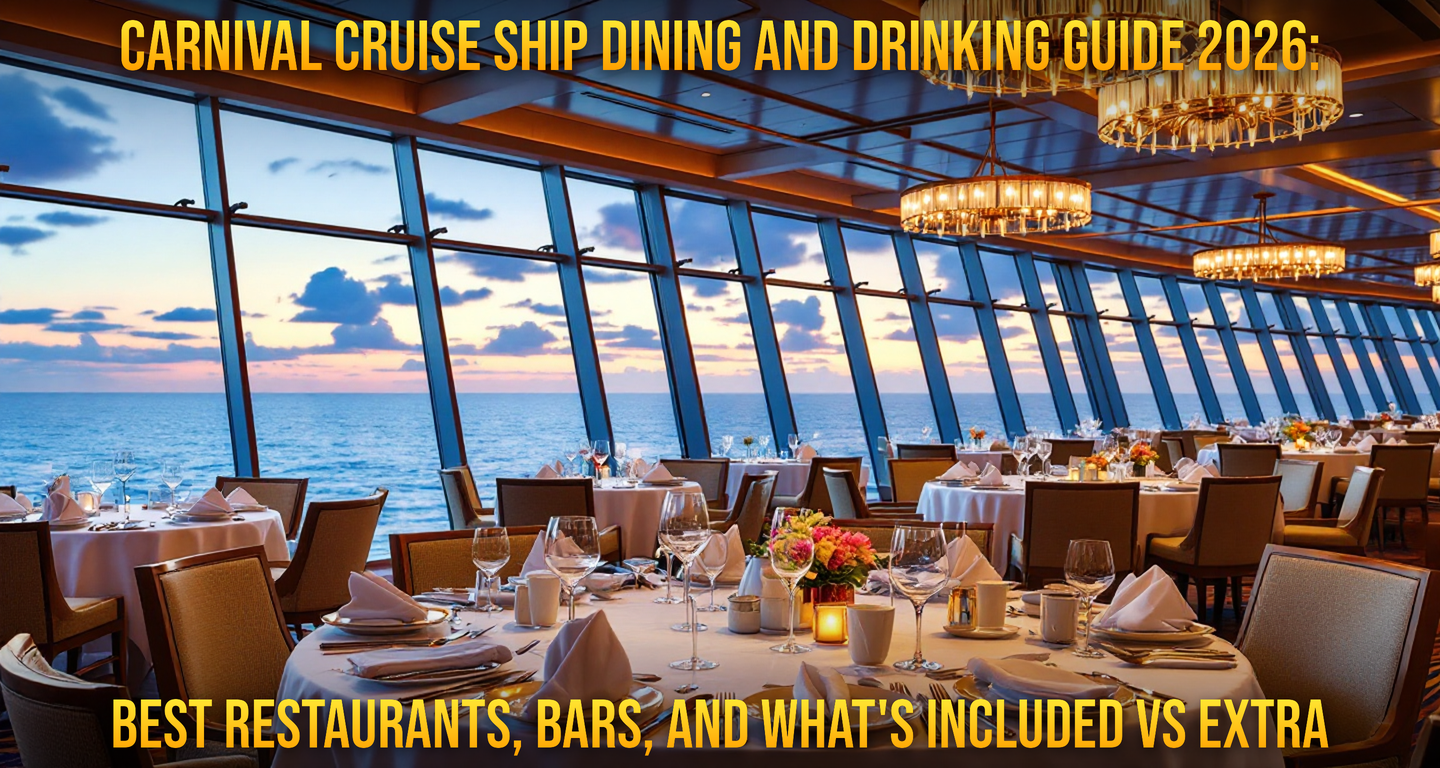
Here's the thing about Carnival: their dining strategy is straightforward compared to some lines, but there are absolutely traps if you don't know what you're doing. The good news? You can eat really well without spending a fortune. The key is knowing what's included, which specialty restaurants are worth the splurge, and which ones you should skip.
What's Included in Your Cruise Fare
Your Carnival cruise includes unlimited dining at the main dining room (usually open for dinner, with some sailings offering lunch). This is your baseline — it's not optional, and the quality ranges from decent to genuinely good depending on which Carnival ship you're on. You also get access to the buffet, the poolside grill, the pizzeria, and a basic coffee bar. These are "free" in the sense that they're covered by your cruise fare.
Breakfast in your cabin? That's included too if you order it through room service (though it's basic — eggs, toast, fruit, coffee). The casual venues are where most people eat most of their meals, and honestly, that's where Carnival does a solid job without nickel-and-diming you.
One thing that surprised me on my recent Carnival Horizon sailing: the quality of the buffet vegetables and proteins has actually improved since 2024. They're not gourmet, but they're fresh and competently prepared. The beverage package situation is where things get expensive fast.
Beverage Packages Explained
This is where Carnival makes serious money, and where you need to be strategic.
- Included beverages: Water, iced tea, basic coffee, lemonade, and tap sodas at the main bars. That's it. Your souvenir cup refill privileges? Those ended years ago.
- Soda Package: Around $8-12 per day depending on cruise length. Gets you unlimited fountain sodas and some juices. Honestly? Bring your own water bottles from home, fill them at the buffet, and skip this unless your family drinks 4+ sodas daily.
- Beer Package: Typically $60-75 per person for 7 days (2026 pricing). Limited to basic domestic and some imported beers. Not worth it unless you're a serious beer drinker.
- Spirits Package: The big one — usually $65-85 per person for 7 days. Includes all alcohol: beer, wine, cocktails, top-shelf liquor. This is where families with adults often break even or save money compared to ordering by the drink.
- Premium Spirits Package: Around $90-110 per person for 7 days on newer ships. Adds premium brands and specialty cocktails.
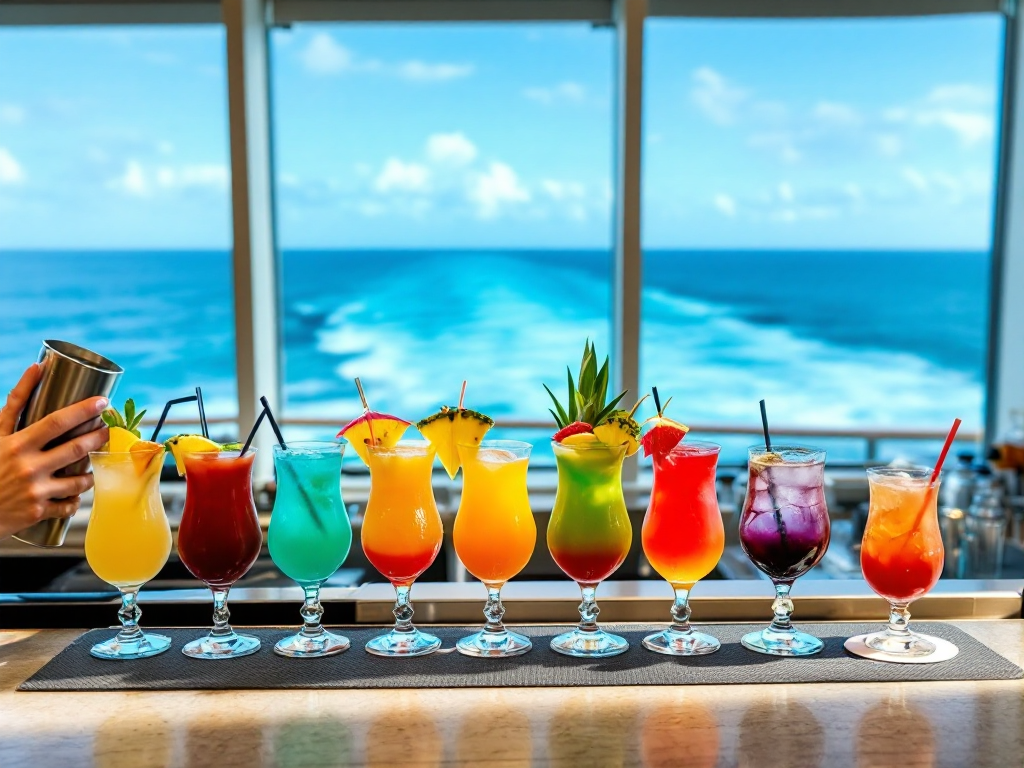
Here's my honest take: if you're a casual drinker (3-4 cocktails during your entire cruise), don't buy a package. Order à la carte. A standard cocktail is about $9-11. But if you're planning to have a drink by the pool every day plus a few evening cocktails, the spirits package pays for itself. I calculated it on my last Carnival sailing: 7 days × 2 drinks per day = 14 drinks × $10 average = $140 out of pocket. The 7-day spirits package was $79. Do the math for your drinking habits.
The Main Dining Room: What to Expect
Your assigned dining room (or flexible dining, depending on your ship and booking) is the foundation of Carnival dining. I've eaten in the dining rooms on the Carnival Celebration, Carnival Jubilee, Carnival Sunrise, and Carnival Vista. The menus rotate nightly, and you'll typically see 4-5 entrée options per night, plus soups, salads, and sides.
The reality: some nights are genuinely good (the ribeye steak dinner, the grilled fish, the pasta dishes), and some nights are forgettable (the "surf and turf" that's more turf than surf, or the chicken piccata that tastes like it's been sitting). The key is being strategic about what you order.
Insider tip: The dining room staff see your preferences after night one. Be nice to your server, and they'll often bring you extra protein, suggest modifications, or surprise you with off-menu items. On one Carnival Vista sailing, our server brought us fresh grilled fish when the menu option looked questionable. That relationship matters.
Dining room dress code on Carnival is casual-to-smart casual most nights, with "elegant casual" on formal night (think nice pants and a button-up shirt for men; a dress or dressy pants for women). It's not enforced strictly, but they do have standards.
Specialty Dining Restaurants: Worth It or Waste?
This is where Carnival charges extra, and where I've learned some hard lessons.
Steakhouse (varies by ship): Usually around $39-49 per person for a single dinner. You're getting a proper steakhouse experience: prime cuts, better sides, attentive service. The Carnival Celebration's steakhouse is legitimately good — I'd compare it favorably to restaurants I pay for on land. That said, I don't book it on every cruise. One steakhouse dinner per week-long cruise? That's my strategy. More than that feels redundant.
Italian Trattoria: Around $15-20 extra per person. Honestly? Skip this. The main dining room pasta nights are nearly as good, and you're not paying extra. I learned this the hard way on a Carnival Horizon sailing.
Seafood Shack: If your ship has it, around $20-30 per person. This one I actually recommend if you love fresh fish. It's a smaller, more casual spot, and the quality of the seafood is noticeably higher than the main dining room.
Alchemy Bar & Restaurant (newer Mardi Gras class ships): Around $35-45 per person. This is Carnival's upscale experiment with chef-curated menus. On my Carnival Celebration sailing, it was worth the cost — creative dishes, better wine pairings, actual ambiance. Book it once if you want to feel fancy.
Casual Dining: Where Most People Actually Eat
Let's be real: most of your cruise meals will happen at the buffet, the poolside grill, or the various casual venues. Here's what works and what doesn't.
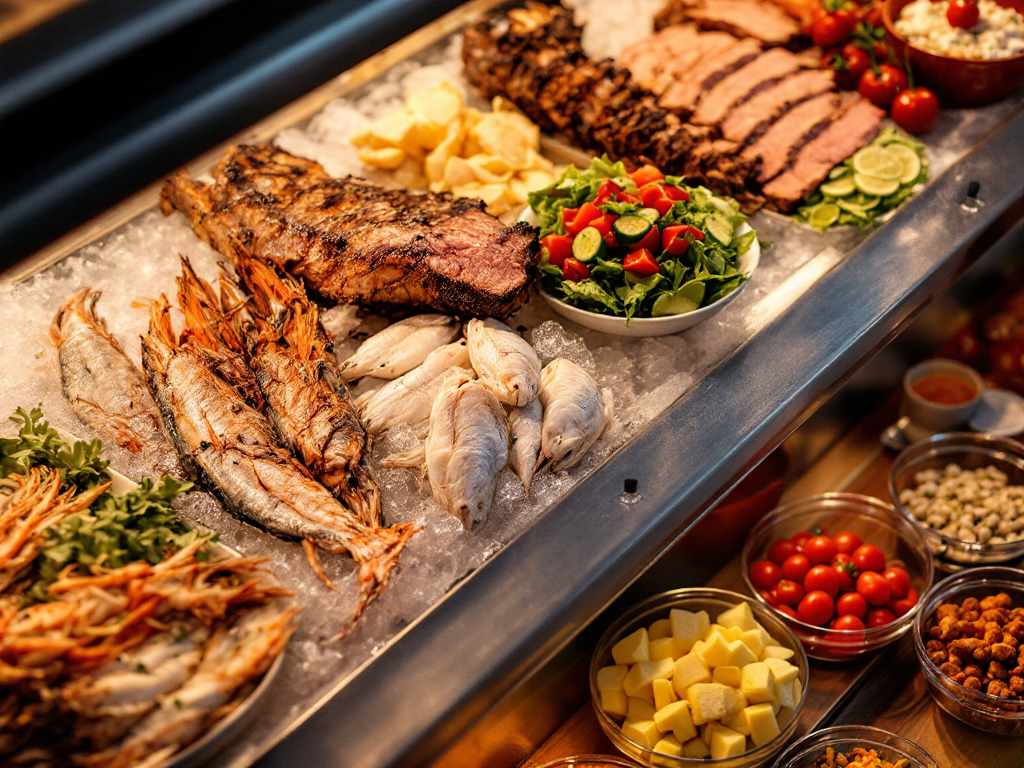
The Buffet: It's a buffet. You know what you're getting into. The variety is solid — multiple stations, several carving stations, a "made to order" pasta section. The quality varies by line (MSC buffets are better overall, but Carnival's are respectable). My strategy: hit the buffet for lunch when you want variety, hit the main dining room for dinner when you want service and an experience.
The Pizzeria: Included, open most of the day. The pizza is decent — not Domino's, not wood-fired Italian, somewhere in between. If you're hungry between meals, grab a slice. It's better than most cruise pizza I've had.
The Poolside Grill: Burgers, hot dogs, chicken sandwiches. Again, it's included, it's convenient, and it's adequate. On sea days when everyone wants to eat by the pool, expect lines.
Casual Restaurants (varies by ship): Many newer Carnival ships have options like a burger spot, a smoothie bar, or a crepe station. These are included and scattered throughout the ship. It's nice to have variety.
Room Service: Included during limited hours, usually breakfast and late night. The late-night menu (sandwiches, soup, burger) is actually decent for in-cabin dining. Breakfast is basic but functional. Not every item is available all the time, so don't expect a full restaurant menu.
Coffee, Tea, and Drinks Outside Your Package
Carnival's included coffee situation is... not great. There's a basic coffee bar that serves standard drip coffee and basic espresso drinks, but if you want a really good cappuccino or specialty coffee, you're paying $5-7 extra at the Café area (which is run separately from Carnival).
If you're a serious coffee person, budget for specialty drinks. On a 7-day cruise, that's $35-50 if you have one fancy coffee daily. Alternatively, bring instant coffee packets and use the included hot water — lots of experienced cruisers do this.
Tea drinkers get a better deal: unlimited hot water and tea bags are available everywhere.
As for juice and smoothies: basic juices are included at breakfast and in the buffet area, but "premium" juice blends and smoothies will cost you $6-8 each.
The Bar Scene: Where to Drink and What to Pay
Carnival has a ton of bars scattered throughout the ship. The atmosphere varies wildly, and so does the quality of the cocktails. Here's my breakdown:
Poolside Bars: Quick, casual, and popular. Your bartender is usually making 15 drinks simultaneously, so don't expect craft cocktails. Decent for a straightforward rum punch or beer.
Atrium Bars: These are the social hubs, especially in the evenings. People-watching is excellent, and the bartenders are generally more skilled than poolside. Good spot for a proper cocktail.
Specialty Bars (varies by ship): Newer Carnival ships have themed bars — a wine bar, a rum-focused bar, etc. These bartenders often have more expertise and will make better cocktails. Worth visiting at least once.
The Casino Bar: If you're gambling, you can get free drinks while you play. If you're not gambling, you're just taking up space, and the bartenders will notice.
A standard cocktail without a package is $9-11. Beer is typically $7-9. Wine by the glass is $8-12. Mix drink prices add up quickly, which is why the beverage package calculation matters.
Food Quality: Which Carnival Ships Have the Best Dining?
I need to be honest here: not all Carnival ships are created equal when it comes to food. The newer the ship, generally the better the dining program and execution.
Carnival Celebration and Carnival Jubilee (newest): These are the flagships, and the dining reflects it. More sophisticated menus, better execution, more specialty dining options. If you have a choice between ships, these are worth the preference.
Carnival Vista and Carnival Horizon: Both are excellent mid-sized ships with solid dining programs. I've had genuinely good meals on both.
Carnival Sunrise, Carnival Conquest, Carnival Dream (older ships): Still respectable, but the menus are simpler and the venues are more basic. The food is fine, just not as refined as the newer ships. No shame in sailing these — just know what to expect.
The Mardi Gras is the mega-ship experiment, and honestly, dining on a mega-ship is more chaotic. More people, more demand, and more logistics challenges. I've sailed it, and it's functional, but I prefer the moderately-sized Carnival ships for the dining experience.
Money-Saving Strategies for Carnival Dining
After dozens of Carnival cruises, here's what actually saves you money:
- Skip the beverage package if you don't drink much. Seriously. Order à la carte. One fancy coffee or cocktail per day costs less than the package.
- Eat breakfast at the buffet or in your cabin via room service. It's included, and you'll save specialty restaurant costs.
- Use the main dining room for dinner. It's included, and it's the best value meal on the ship in terms of food quality vs. price.
- Hit the buffet for lunch when you want variety without thinking about what to order. It's all you can eat; take advantage.
- Book one specialty restaurant if the upcharge interests you. Choose based on what you actually enjoy (steak, seafood, etc.), not because it sounds fancy.
- Skip the Italian Trattoria, Burger Bar, and other restaurants that charge for what's nearly as good elsewhere for free.
- Bring snacks from home for your cabin. Fruit, granola bars, nuts. Saves you money on extra purchases.
- Pre-purchase beverage packages during the cruise line's promotional periods — they often offer discounts in January and September. In 2026, watch for those sales before you sail.
Dietary Restrictions and Special Requests
Carnival does accommodate dietary restrictions reasonably well — vegan, vegetarian, gluten-free, religious dietary laws, and allergies. You need to notify them when you book (or at least 30 days before departure). The main dining room staff will work with you.
That said, don't expect the same variety or creativity as the regular menu. The accommodated meals are functional, not exciting. If you have significant dietary needs, consider budgeting for a specialty restaurant meal or two, since those chefs often have more flexibility.
The Bottom Line
Carnival's dining program is fundamentally good because it's inclusive. You're not going to starve, and you're not forced to eat bad food. The main dining room is respectable, the buffet is solid, and the casual venues offer enough variety to keep you satisfied.
Where Carnival makes money (and where you need to be intentional) is beverages and specialty restaurants. Know your drinking habits before you book a package. Choose specialty restaurants strategically, not reflexively. And use the included venues — they're better than they used to be, and they're genuinely free.
I've had meals on Carnival ships that matched restaurants I'd pay $50+ for on land. I've also had forgettable ones. That's the cruise ship reality. The difference is knowing how to navigate the options, which is exactly what I've shared here.
Carnival works best when you embrace what they do well (inclusive dining, casual atmosphere, straightforward pricing) instead of expecting it to compete with luxury lines. When you do that, you'll have a great cruise and your wallet will thank you.
Have you cruised Carnival? What's your best dining tip? Share your favorite restaurants and bars in the CruiseVoices Carnival Ships forum — I'd love to hear what worked for you!