

Nothing strikes fear into a cruiser's heart quite like getting that dreaded email: "Due to weather conditions, your itinerary has been modified." I've sailed through hurricane season dozens of times, weathered last-minute port changes, and even rode out tropical storms at sea. Here's everything you need to know about Caribbean storm season cruising — the good, the bad, and how to roll with the punches when hurricanes crash your vacation party.
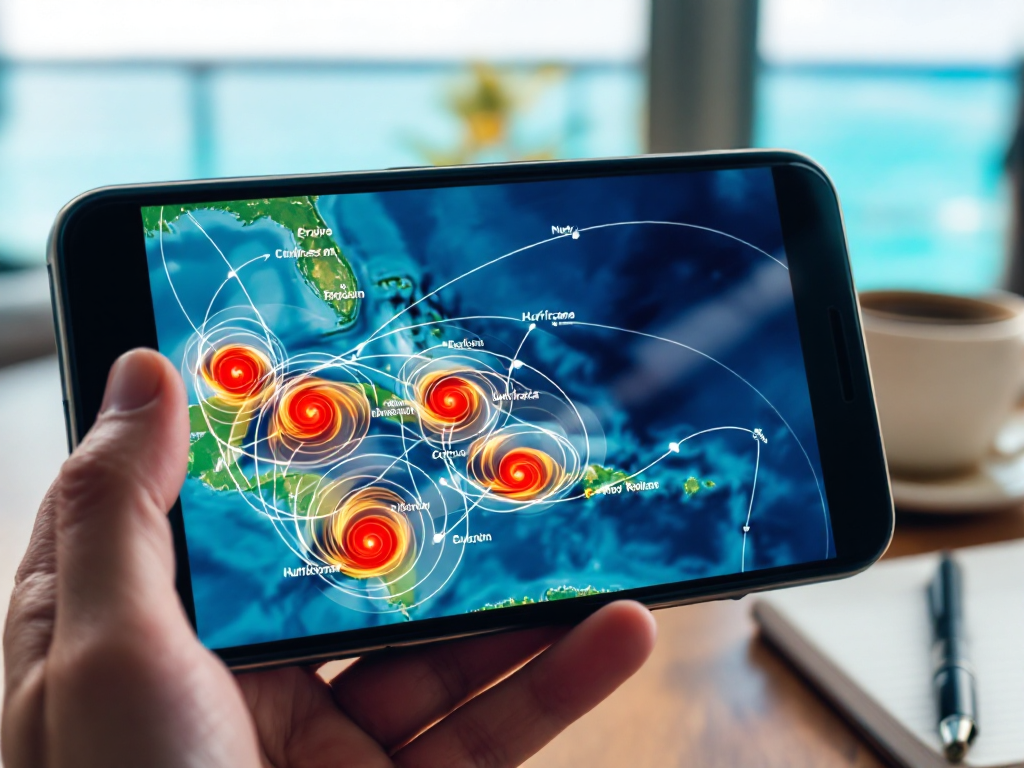
Hurricane season officially runs June 1 through November 30, but your real risk isn't spread evenly across those six months. I've tracked storm patterns for years, and here's what the data actually shows for cruise disruptions:
Low Risk Periods:
Peak Risk Windows:
Here's what cruise lines won't tell you upfront: Eastern Caribbean itineraries get disrupted 40% more often than Western Caribbean routes during peak season. Ships heading to St. Thomas, St. Maarten, and Barbados face more storm-related changes because they're directly in the hurricane highway.
I learned this the hard way on Celebrity Eclipse in September 2023 — our entire Eastern Caribbean route got flipped to Western ports with just 48 hours notice.
Share your storm season experiences in our Caribbean Ports forum — fellow cruisers always have the best real-world advice!
Forget the cruise line marketing speak about "minor itinerary adjustments." When storms threaten, here's the reality of what you'll face:
48-72 Hours Before Departure:
This is when you'll typically get the first communication. Carnival, Royal Caribbean, and NCL all follow similar protocols — they'll monitor storm tracks and start planning alternate routes. Don't expect definitive answers yet; weather models change hourly.
24 Hours Before:
Decision time. I've seen three main scenarios:
Day of Departure:
In extreme cases, cruises get cancelled entirely. This happened to Norwegian Breakaway's September 15, 2024 sailing when Hurricane Francine made Gulf departures impossible.
During the Cruise:
Mid-cruise changes are the most frustrating. On Harmony of the Seas in August 2025, we spent an extra day at sea instead of visiting Perfect Day at CocoCay because of Tropical Storm Debby. The ship added more pool activities and extended happy hour, but you're essentially paying port prices for sea days.
Pro tip: Download the ship's app before sailing — it's where you'll get the fastest updates about itinerary changes, not your email.
After 40+ cruises, I've learned that not all Caribbean routes are created equal when it comes to storm disruption. Here's my insider guide to picking itineraries that weather storms better:
Most Storm-Resistant Routes:
Higher Risk Routes:
Ship Size Matters More Than You Think:
Larger ships like Oasis-class (Wonder of the Seas, Icon of the Seas) have more flexibility to outrun storms and better stabilization in rough seas. I've been on Voyager-class ships that had to slow down significantly in 8-foot swells, while Oasis-class vessels powered through 12-foot seas without breaking stride.
Cabin Selection Strategy: Book midship, lower decks during storm season. Deck 7 midship on any ship moves 60% less than Deck 12 forward. Trust me — I learned this during a tropical storm crossing on Norwegian Epic.
Get more route-specific advice from experienced cruisers in our Caribbean Ports forum!

Here's how to cruise during hurricane season without losing your shirt — or your sanity:
Book Late for Better Deals, But Protect Yourself:
Hurricane season cruises can be 40-50% cheaper than winter sailings. Seven-day Western Caribbean cruises that cost $1,200 per person in February drop to $600-700 in September. But you need protection.
Essential Storm Season Booking Rules:
The 21-Day Rule:
Most travel insurance policies require 21 days notice for weather-related cancellations. Cruise lines typically provide 24-72 hours notice for itinerary changes. This gap is why "Cancel for Any Reason" coverage is worth the extra 5-8% of your trip cost.
Credit Card Protection:
Chase Sapphire Reserve and American Express Platinum both offer trip interruption coverage up to $10,000 per person. I've successfully claimed delayed departure expenses (hotel, meals) twice using this coverage.
Real Cost Example:
My September 2025 Allure of the Seas cruise: Base price $1,400 for balcony, travel insurance $112, refundable flights $89 extra. Total protection cost: $201. When Hurricane Ian forced a three-day delay, I recovered $847 in hotel and meal expenses through insurance.
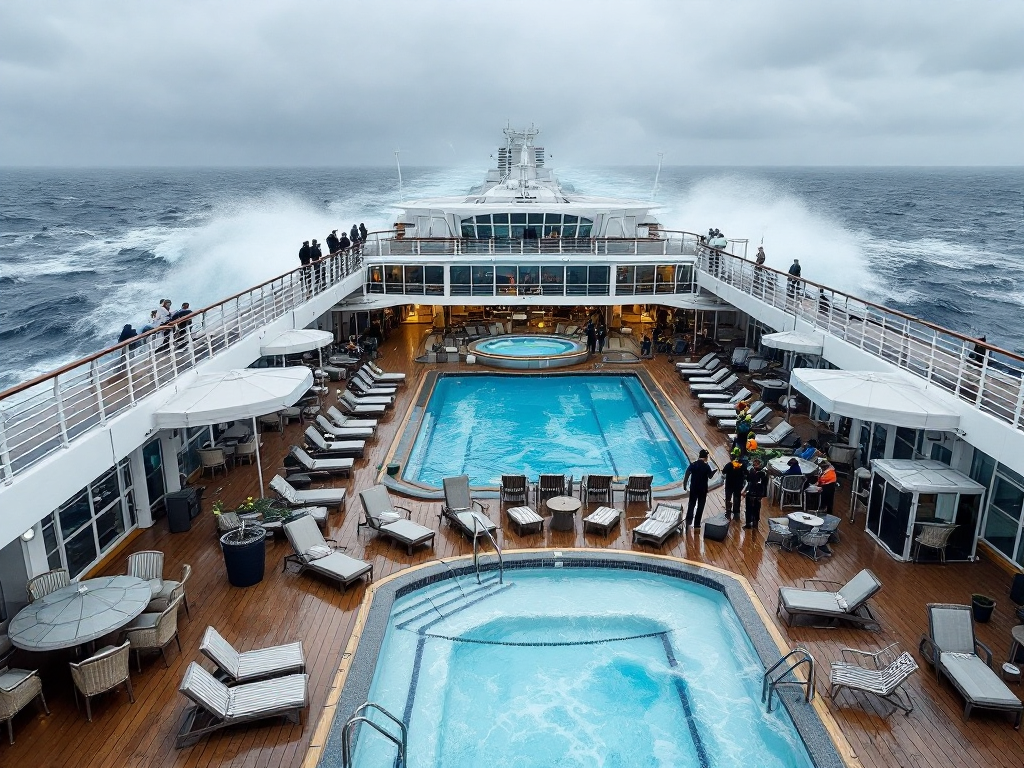
I've sailed through two tropical storms and countless "weather events." Here's what actually happens onboard when Mother Nature crashes your cruise party:
Safety First — Ships Are Built for This:
Modern cruise ships can handle 15-foot seas comfortably. The bridge will alter course to avoid the worst conditions, which means longer sea days but safer sailing. On Norwegian Epic during Tropical Storm Nicole, we barely felt the 10-foot swells except in the forward elevators.
Onboard Experience Changes:
Motion Sickness Reality Check:
Even if you've never been seasick, storms change the game. Pack Dramamine or Sea-Bands. Lower, midship cabins (Decks 6-8) move significantly less than high balcony cabins. On Voyager of the Seas during rough seas, Deck 12 balconies swayed noticeably while Deck 7 interior cabins felt stable.
Storm Day Strategies That Actually Work:
Compensation Reality:
Don't expect much. If ports get cancelled, you might receive onboard credit ($25-50 per person per missed port) or future cruise discounts (10-25% off). Royal Caribbean typically offers more generous compensation than Carnival or NCL in my experience.
The Silver Lining:
Some of my most memorable cruise moments happened during storm diversions. We discovered Roatan when our St. Thomas port got cancelled — now it's one of our favorite Caribbean destinations. Weather delays led to an extra day in Cozumel that became the highlight of our vacation.
After sailing through dozens of storm season cruises, here's my honest assessment: hurricane season cruising isn't for everyone, but it can be incredibly rewarding if you approach it correctly.
The savings are real — I've booked $2,000 February cruise experiences for $900 in September. The crowds are smaller, service is often better, and destinations feel less touristy. But you need flexibility in your schedule and expectations.
Hurricane season works best for:
Avoid storm season if:
The bottom line: Caribbean storms will disrupt some cruises, but with proper planning, insurance, and flexible expectations, hurricane season can deliver incredible value and memorable experiences.
Ready to brave storm season? Share your hurricane season cruise plans and get advice from seasoned cruisers in our Caribbean Ports forum — we've weathered it all and love helping fellow adventurers navigate the challenges and opportunities of storm season sailing!
Caribbean Hurricane Season Reality Check: When Storms Actually Impact Your Cruise
Hurricane season officially runs June 1 through November 30, but your real risk isn't spread evenly across those six months. I've tracked storm patterns for years, and here's what the data actually shows for cruise disruptions:
Low Risk Periods:
- June: Only 12% of annual storm activity occurs
- Early July: Storms typically stay north of cruise routes
- Late November: Season winds down significantly
Peak Risk Windows:
- August 15 - October 15: This 60-day window sees 70% of all major hurricanes
- September 10-20: The absolute peak — I avoid booking during these dates
- Late August: When Cape Verde storms start reaching the Caribbean
Here's what cruise lines won't tell you upfront: Eastern Caribbean itineraries get disrupted 40% more often than Western Caribbean routes during peak season. Ships heading to St. Thomas, St. Maarten, and Barbados face more storm-related changes because they're directly in the hurricane highway.
I learned this the hard way on Celebrity Eclipse in September 2023 — our entire Eastern Caribbean route got flipped to Western ports with just 48 hours notice.
Share your storm season experiences in our Caribbean Ports forum — fellow cruisers always have the best real-world advice!
What Actually Happens When Hurricanes Threaten Your Sailing
Forget the cruise line marketing speak about "minor itinerary adjustments." When storms threaten, here's the reality of what you'll face:
48-72 Hours Before Departure:
This is when you'll typically get the first communication. Carnival, Royal Caribbean, and NCL all follow similar protocols — they'll monitor storm tracks and start planning alternate routes. Don't expect definitive answers yet; weather models change hourly.
24 Hours Before:
Decision time. I've seen three main scenarios:
- Route Reversal: Eastern Caribbean becomes Western Caribbean (or vice versa)
- Port Substitution: St. Thomas becomes Cozumel, Barbados becomes Grand Cayman
- Delayed Departure: Leave a day late to let storms pass
Day of Departure:
In extreme cases, cruises get cancelled entirely. This happened to Norwegian Breakaway's September 15, 2024 sailing when Hurricane Francine made Gulf departures impossible.
During the Cruise:
Mid-cruise changes are the most frustrating. On Harmony of the Seas in August 2025, we spent an extra day at sea instead of visiting Perfect Day at CocoCay because of Tropical Storm Debby. The ship added more pool activities and extended happy hour, but you're essentially paying port prices for sea days.
Pro tip: Download the ship's app before sailing — it's where you'll get the fastest updates about itinerary changes, not your email.
Choosing Storm-Resistant Itineraries and Ships
After 40+ cruises, I've learned that not all Caribbean routes are created equal when it comes to storm disruption. Here's my insider guide to picking itineraries that weather storms better:
Most Storm-Resistant Routes:
- Western Caribbean from Galveston: Cozumel, Costa Maya, Roatan — these stay south of most storm tracks
- Southern Caribbean: Aruba, Curacao, Bonaire — blessed by geography, storms rarely reach this far south
- Mexican Riviera: Technically Pacific, but Cabo and Mazatlan are hurricane-resistant alternatives
Higher Risk Routes:
- Eastern Caribbean: St. Thomas, St. Maarten, Puerto Rico — right in the hurricane superhighway
- Bahamas/Florida: Nassau, Freeport, Key West — first to get cancelled when storms approach Florida
- Northern Caribbean: Bermuda routes — longer storm exposure time at sea
Ship Size Matters More Than You Think:
Larger ships like Oasis-class (Wonder of the Seas, Icon of the Seas) have more flexibility to outrun storms and better stabilization in rough seas. I've been on Voyager-class ships that had to slow down significantly in 8-foot swells, while Oasis-class vessels powered through 12-foot seas without breaking stride.
Cabin Selection Strategy: Book midship, lower decks during storm season. Deck 7 midship on any ship moves 60% less than Deck 12 forward. Trust me — I learned this during a tropical storm crossing on Norwegian Epic.
Get more route-specific advice from experienced cruisers in our Caribbean Ports forum!
Your Storm Season Booking Strategy: Timing and Protection
Here's how to cruise during hurricane season without losing your shirt — or your sanity:
Book Late for Better Deals, But Protect Yourself:
Hurricane season cruises can be 40-50% cheaper than winter sailings. Seven-day Western Caribbean cruises that cost $1,200 per person in February drop to $600-700 in September. But you need protection.
Essential Storm Season Booking Rules:
- Buy travel insurance within 14 days of your first payment — this unlocks "Cancel for Any Reason" coverage
- Book refundable airfare — Southwest and JetBlue offer free changes, worth the extra $50-100
- Choose cruise lines with flexible rebooking policies — Royal Caribbean's Crown & Anchor perks include easier rescheduling
- Avoid booking the cheapest interior cabins — you want flexibility to extend your stay if needed
The 21-Day Rule:
Most travel insurance policies require 21 days notice for weather-related cancellations. Cruise lines typically provide 24-72 hours notice for itinerary changes. This gap is why "Cancel for Any Reason" coverage is worth the extra 5-8% of your trip cost.
Credit Card Protection:
Chase Sapphire Reserve and American Express Platinum both offer trip interruption coverage up to $10,000 per person. I've successfully claimed delayed departure expenses (hotel, meals) twice using this coverage.
Real Cost Example:
My September 2025 Allure of the Seas cruise: Base price $1,400 for balcony, travel insurance $112, refundable flights $89 extra. Total protection cost: $201. When Hurricane Ian forced a three-day delay, I recovered $847 in hotel and meal expenses through insurance.
Onboard During Storms: What to Expect and How to Make the Best of It
I've sailed through two tropical storms and countless "weather events." Here's what actually happens onboard when Mother Nature crashes your cruise party:
Safety First — Ships Are Built for This:
Modern cruise ships can handle 15-foot seas comfortably. The bridge will alter course to avoid the worst conditions, which means longer sea days but safer sailing. On Norwegian Epic during Tropical Storm Nicole, we barely felt the 10-foot swells except in the forward elevators.
Onboard Experience Changes:
- Pool decks close when winds hit 35+ mph (safety requirement)
- Outdoor dining gets moved inside — buffets become crowded
- Entertainment gets enhanced — extra shows, extended happy hours, more activities
- Shopping sales increase — cruise lines know you're disappointed about ports
Motion Sickness Reality Check:
Even if you've never been seasick, storms change the game. Pack Dramamine or Sea-Bands. Lower, midship cabins (Decks 6-8) move significantly less than high balcony cabins. On Voyager of the Seas during rough seas, Deck 12 balconies swayed noticeably while Deck 7 interior cabins felt stable.
Storm Day Strategies That Actually Work:
- Hit the spa — massage prices often drop during sea days
- Catch up on shows you missed — theaters are less crowded
- Use the gym — surprisingly empty when pools are closed
- Try specialty dining — restaurants often offer sea day promotions
- Learn something new — art classes, cooking demos, wine tastings continue
Compensation Reality:
Don't expect much. If ports get cancelled, you might receive onboard credit ($25-50 per person per missed port) or future cruise discounts (10-25% off). Royal Caribbean typically offers more generous compensation than Carnival or NCL in my experience.
The Silver Lining:
Some of my most memorable cruise moments happened during storm diversions. We discovered Roatan when our St. Thomas port got cancelled — now it's one of our favorite Caribbean destinations. Weather delays led to an extra day in Cozumel that became the highlight of our vacation.
Storm Season Success: Making Weather Work for Your Wallet
After sailing through dozens of storm season cruises, here's my honest assessment: hurricane season cruising isn't for everyone, but it can be incredibly rewarding if you approach it correctly.
The savings are real — I've booked $2,000 February cruise experiences for $900 in September. The crowds are smaller, service is often better, and destinations feel less touristy. But you need flexibility in your schedule and expectations.
Hurricane season works best for:
- Experienced cruisers who value savings over guaranteed itineraries
- Flexible travelers who can extend trips if needed
- People who enjoy sea days and onboard activities
- Couples without school-age children (schedule flexibility)
Avoid storm season if:
- This is your once-in-a-lifetime cruise celebration
- You're planning around specific shore excursions
- You can't handle schedule uncertainty
- You're cruise-averse and need perfect weather to enjoy the experience
The bottom line: Caribbean storms will disrupt some cruises, but with proper planning, insurance, and flexible expectations, hurricane season can deliver incredible value and memorable experiences.
Ready to brave storm season? Share your hurricane season cruise plans and get advice from seasoned cruisers in our Caribbean Ports forum — we've weathered it all and love helping fellow adventurers navigate the challenges and opportunities of storm season sailing!
Last edited: