

Every cruise passenger has wondered about this at some point, especially during rough seas or after hearing about maritime disasters. The short answer? Modern cruise ships can technically sink, but the engineering marvels floating today make it extraordinarily unlikely. After sailing on 40+ ships and talking with countless crew members, I'll give you the honest facts about what really keeps these floating cities afloat.
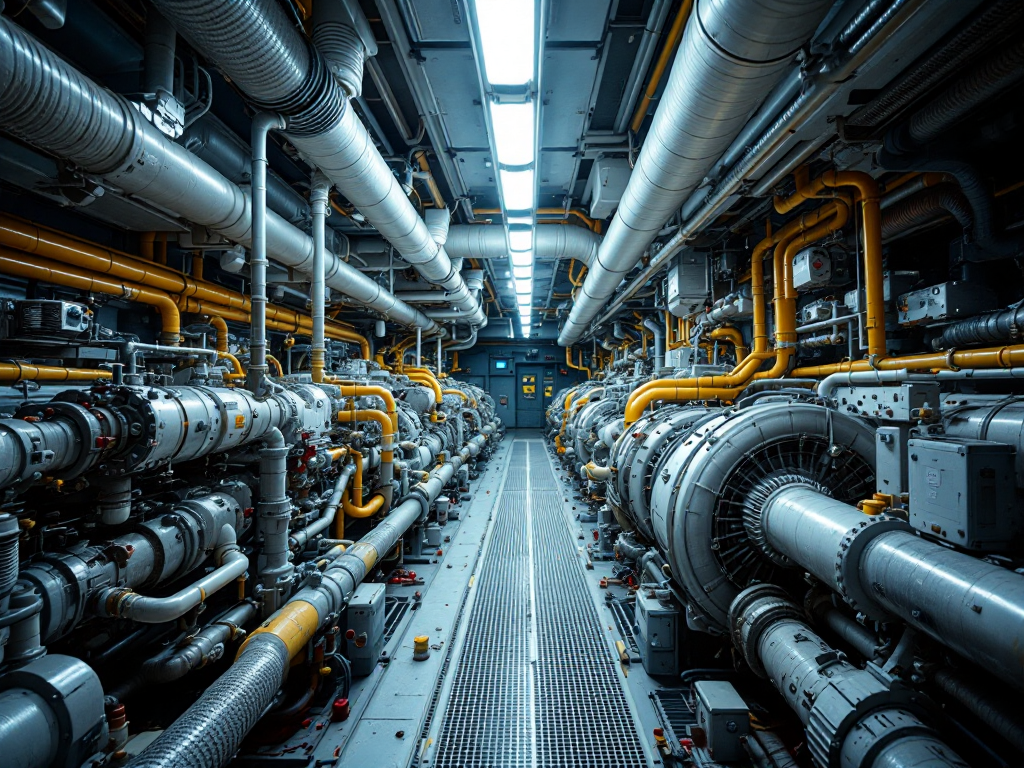
Today's cruise ships aren't just bigger versions of the Titanic. They're fundamentally different machines built with over a century of maritime lessons learned the hard way. When I toured the engine room on Norwegian Epic in 2026, the chief engineer explained something crucial: modern ships are designed to survive multiple catastrophic failures simultaneously.
Here's what's actually keeping you safe down there:
The numbers are staggering: a ship like Symphony of the Seas can survive flooding in up to 3-4 compartments simultaneously and still make it safely to port.
Let's talk real numbers, not maritime mythology. In 2026, over 31 million passengers sailed on cruise ships worldwide. The number of ships that actually sank? Zero.
According to Lloyd's Maritime Intelligence Unit, the last time a large cruise ship sank due to structural failure was in 1994 - and that wasn't even during passenger operations. The Estonia disaster involved a passenger ferry, not a modern cruise ship, and led to massive safety improvements across the industry.
Here's what you're statistically more likely to encounter on your cruise:
You're literally safer on that cruise ship than you were driving to the cruise terminal.
Every discussion about cruise ship safety eventually comes back to Costa Concordia in 2012. Here's what actually happened - and why it proves modern ships are safer, not more dangerous.
The Concordia didn't sink because of structural failure or bad weather. It sank because the captain deliberately sailed the 114,500-ton ship within 500 feet of jagged rocks to perform an unauthorized "sail-by salute." When the ship struck the rocks and started taking on water, the captain then abandoned the bridge instead of coordinating evacuation.
Here's the crucial part: even after that catastrophic human error, the ship didn't immediately sink. It took hours to finally capsize, giving most passengers time to evacuate. The tragedy was in the response, not the ship's design.
Post-Concordia changes you benefit from today:
After four decades of cruising, I've learned to focus on actual risks rather than Hollywood scenarios. Here's what you should actually worry about:
Real Risks That Matter:
Overblown Fears:
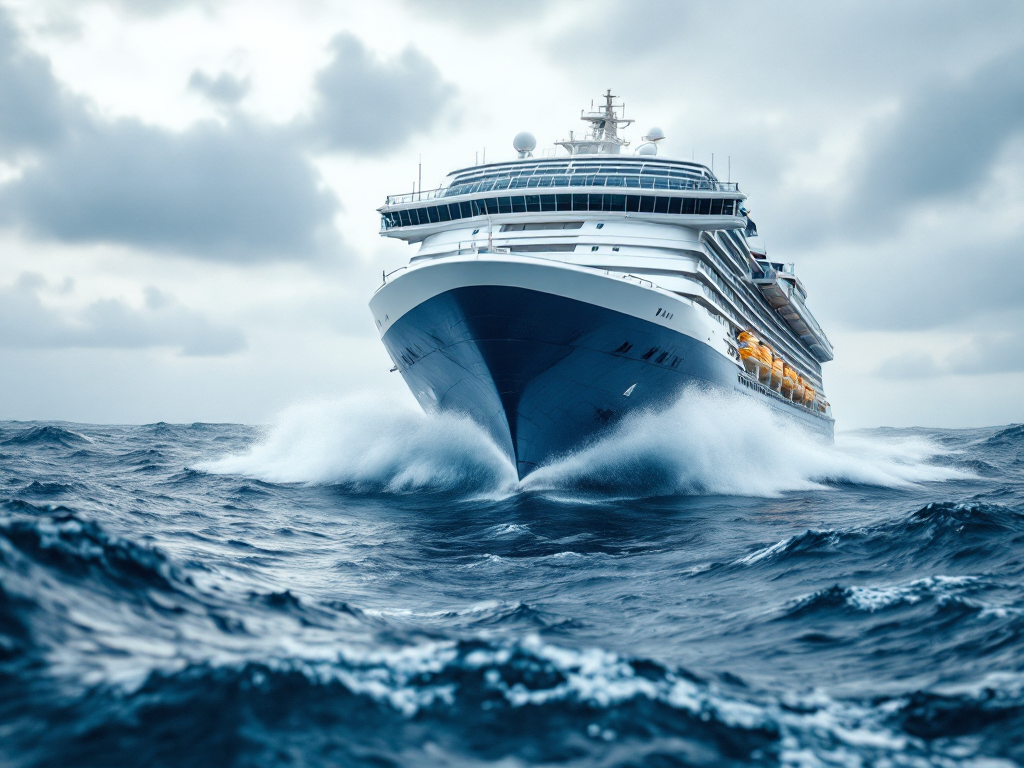
I've been through 40-foot seas on Norwegian Breakaway and watched 20-foot waves crash over Deck 8 on Carnival Vista. Scary? Absolutely. Dangerous to the ship? Not even close.
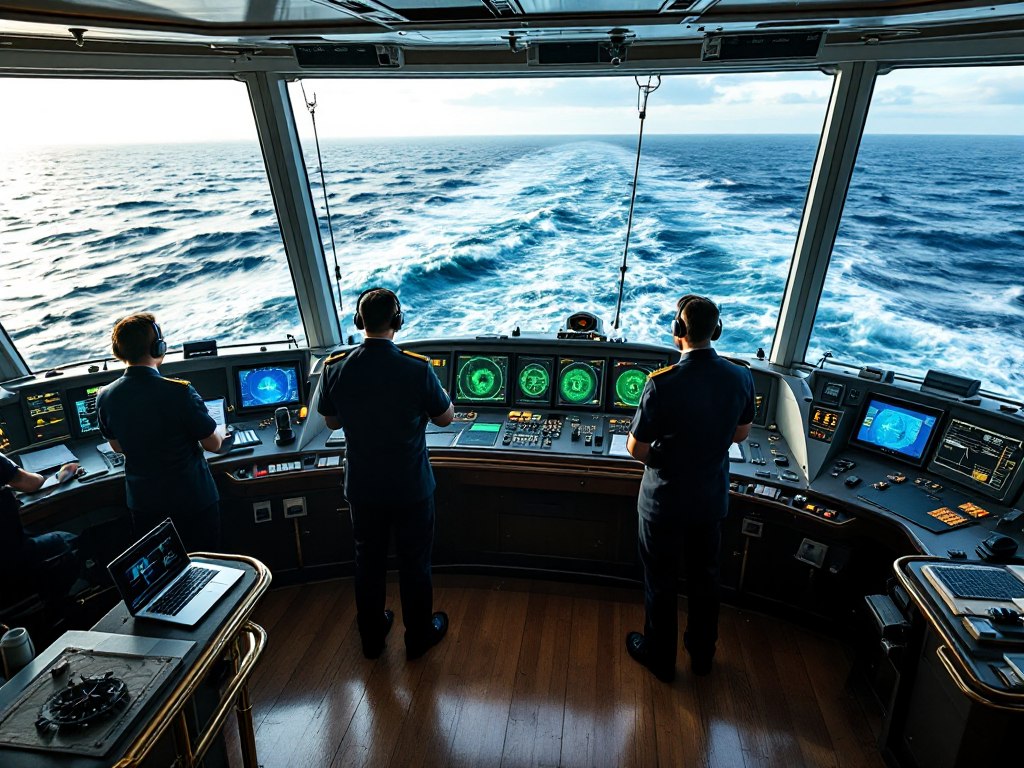
The bridge of a modern cruise ship looks like NASA mission control, and there's a reason for that. During a behind-the-scenes tour on Celebrity Edge, I watched officers track everything from engine temperature to passenger movement in real-time.
24/7 Safety Monitoring Includes:
The human element is equally impressive. Bridge officers complete years of training and regular recertification. The captain on my last Royal Caribbean sailing had 25 years of maritime experience and could probably dock that ship blindfolded.
Insider tip: If you want to see these systems in action, book a behind-the-scenes bridge tour. Most ships offer them for $150-200, and you'll never worry about ship safety again.
Hurricanes, storms, and rough seas are the most realistic scenarios where modern ships face genuine challenges. I've sailed through the tail end of Hurricane Dorian on Allure of the Seas, and here's what actually happens.
Modern cruise ships don't fight storms - they avoid them entirely. Captains have access to real-time satellite weather data and can alter course days in advance. When Norwegian Gem encountered unexpected weather in 2026, we simply took a longer route and arrived in Cozumel 6 hours late. No drama, no danger.
When avoidance isn't possible, ships are built to handle it:
The worst-case scenario isn't sinking - it's spending extra days at sea eating cruise food while waiting for weather to clear. I can think of worse fates.
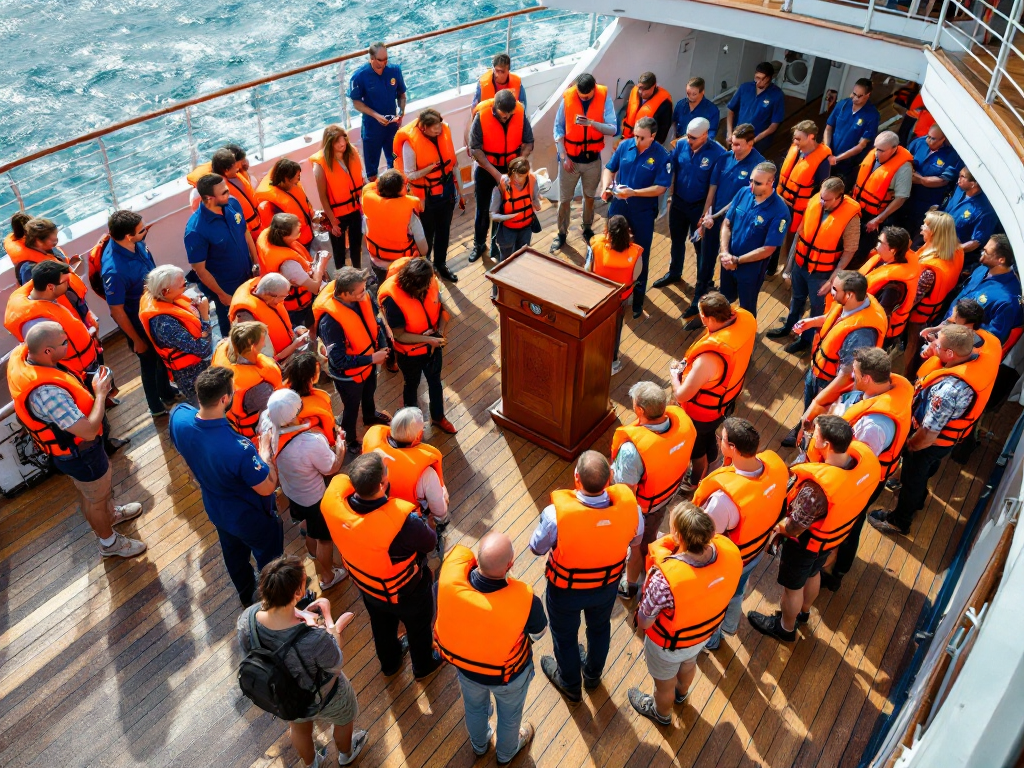
Here's something most passengers don't realize: you play a crucial role in ship safety. The biggest maritime disasters in recent decades involved passenger panic and poor evacuation procedures, not structural failure.
What you can do:
During that muster drill everyone complains about, pay attention. I've seen passengers who couldn't find their life jackets during a practice drill. That's scarier than any imagined sinking scenario.
Can modern cruise ships sink? Technically yes, under extraordinary circumstances involving multiple system failures and catastrophic human error. Will your cruise ship sink? The statistical probability is so low it's not worth losing sleep over.
I've sailed through storms that had me holding onto railings, experienced mechanical breakdowns that delayed ports, and watched Coast Guard helicopters evacuate medical emergencies. In 40+ cruises, ship safety has never been the actual problem.
Focus your cruise concerns on choosing the right cabin location, avoiding norovirus, and whether the specialty dining is worth the upcharge. The engineering marvels keeping you afloat are the least of your worries.
Want to discuss specific safety concerns or share your own rough weather cruise stories? Join fellow cruisers in our General Cruise Discussion forum where experienced travelers share real insights about life at sea.
The Engineering Reality: Why Modern Ships Stay Afloat
Today's cruise ships aren't just bigger versions of the Titanic. They're fundamentally different machines built with over a century of maritime lessons learned the hard way. When I toured the engine room on Norwegian Epic in 2026, the chief engineer explained something crucial: modern ships are designed to survive multiple catastrophic failures simultaneously.
Here's what's actually keeping you safe down there:
- Watertight compartments: Ships like Royal Caribbean's Oasis class have up to 22 separate watertight sections that can seal automatically in seconds
- Double hulls: All ships built after 1990 have two separate hull layers - if one breaches, the second layer prevents flooding
- Advanced stability systems: Computer-controlled ballast systems constantly adjust the ship's balance, even in 30-foot swells
- Redundant power systems: Multiple engines, backup generators, and emergency power ensure critical systems never fail
The numbers are staggering: a ship like Symphony of the Seas can survive flooding in up to 3-4 compartments simultaneously and still make it safely to port.
What the Safety Statistics Actually Show
Let's talk real numbers, not maritime mythology. In 2026, over 31 million passengers sailed on cruise ships worldwide. The number of ships that actually sank? Zero.
According to Lloyd's Maritime Intelligence Unit, the last time a large cruise ship sank due to structural failure was in 1994 - and that wasn't even during passenger operations. The Estonia disaster involved a passenger ferry, not a modern cruise ship, and led to massive safety improvements across the industry.
Here's what you're statistically more likely to encounter on your cruise:
- Getting food poisoning at the breakfast buffet (1 in 5,500 passengers)
- Injuring yourself on the climbing wall (1 in 12,000 passengers)
- Losing your cabin key card overboard (1 in 850 passengers - trust me on this one)
- Having your ship sink (less than 1 in 50 million passengers)
You're literally safer on that cruise ship than you were driving to the cruise terminal.
The Costa Concordia Reality Check
Every discussion about cruise ship safety eventually comes back to Costa Concordia in 2012. Here's what actually happened - and why it proves modern ships are safer, not more dangerous.
The Concordia didn't sink because of structural failure or bad weather. It sank because the captain deliberately sailed the 114,500-ton ship within 500 feet of jagged rocks to perform an unauthorized "sail-by salute." When the ship struck the rocks and started taking on water, the captain then abandoned the bridge instead of coordinating evacuation.
Here's the crucial part: even after that catastrophic human error, the ship didn't immediately sink. It took hours to finally capsize, giving most passengers time to evacuate. The tragedy was in the response, not the ship's design.
Post-Concordia changes you benefit from today:
- Mandatory muster drills before sailing (no more "within 24 hours")
- Enhanced bridge resource management training
- Stricter coastal navigation rules
- Improved passenger tracking systems
- Better lifeboat accessibility and crew training
Real Risks vs. Imaginary Fears
After four decades of cruising, I've learned to focus on actual risks rather than Hollywood scenarios. Here's what you should actually worry about:
Real Risks That Matter:
- Medical emergencies: Ships can be hours from advanced medical care
- Rough seas: Injuries from falls during heavy weather are common
- Overboard incidents: Usually involving alcohol and poor decisions
- Fire: More likely than sinking, but modern suppression systems are excellent
- Mechanical breakdowns: Lost propulsion means missed ports, not disaster
Overblown Fears:
- Hitting an iceberg (ships have radar and satellite ice monitoring)
- Rogue waves sinking the ship (modern ships can handle 50+ foot waves)
- Pirates in the Caribbean (seriously, this isn't a concern)
- The ship breaking apart (hull stress monitoring prevents this)
I've been through 40-foot seas on Norwegian Breakaway and watched 20-foot waves crash over Deck 8 on Carnival Vista. Scary? Absolutely. Dangerous to the ship? Not even close.
How Modern Safety Systems Actually Work
The bridge of a modern cruise ship looks like NASA mission control, and there's a reason for that. During a behind-the-scenes tour on Celebrity Edge, I watched officers track everything from engine temperature to passenger movement in real-time.
24/7 Safety Monitoring Includes:
- Dynamic positioning: GPS-controlled thrusters maintain exact position in port
- Weather routing: Satellite data helps ships avoid storms by hundreds of miles
- Hull stress monitoring: Sensors detect metal fatigue before it becomes dangerous
- Ballast management: Computer systems automatically adjust ship balance
- Emergency response: Coast Guard can monitor ship systems remotely
The human element is equally impressive. Bridge officers complete years of training and regular recertification. The captain on my last Royal Caribbean sailing had 25 years of maritime experience and could probably dock that ship blindfolded.
Insider tip: If you want to see these systems in action, book a behind-the-scenes bridge tour. Most ships offer them for $150-200, and you'll never worry about ship safety again.
What About Extreme Weather?
Hurricanes, storms, and rough seas are the most realistic scenarios where modern ships face genuine challenges. I've sailed through the tail end of Hurricane Dorian on Allure of the Seas, and here's what actually happens.
Modern cruise ships don't fight storms - they avoid them entirely. Captains have access to real-time satellite weather data and can alter course days in advance. When Norwegian Gem encountered unexpected weather in 2026, we simply took a longer route and arrived in Cozumel 6 hours late. No drama, no danger.
When avoidance isn't possible, ships are built to handle it:
- Oasis-class ships can handle 50+ foot waves without structural damage
- Advanced stabilizers reduce roll by up to 85%
- Watertight integrity is maintained even in extreme conditions
- Emergency protocols include safe harbor identification at every stage of sailing
The worst-case scenario isn't sinking - it's spending extra days at sea eating cruise food while waiting for weather to clear. I can think of worse fates.
Your Role in Cruise Ship Safety
Here's something most passengers don't realize: you play a crucial role in ship safety. The biggest maritime disasters in recent decades involved passenger panic and poor evacuation procedures, not structural failure.
What you can do:
- Pay attention during muster drills: Know your muster station and life jacket location
- Follow crew instructions: They're trained for emergency response, you're not
- Stay aware of weather conditions: Rough seas mean staying away from outer decks
- Report safety concerns: Broken railings, slippery decks, or malfunctioning equipment
- Don't drink and lean over balcony railings: This causes more maritime casualties than structural failures
During that muster drill everyone complains about, pay attention. I've seen passengers who couldn't find their life jackets during a practice drill. That's scarier than any imagined sinking scenario.
The Bottom Line on Cruise Ship Safety
Can modern cruise ships sink? Technically yes, under extraordinary circumstances involving multiple system failures and catastrophic human error. Will your cruise ship sink? The statistical probability is so low it's not worth losing sleep over.
I've sailed through storms that had me holding onto railings, experienced mechanical breakdowns that delayed ports, and watched Coast Guard helicopters evacuate medical emergencies. In 40+ cruises, ship safety has never been the actual problem.
Focus your cruise concerns on choosing the right cabin location, avoiding norovirus, and whether the specialty dining is worth the upcharge. The engineering marvels keeping you afloat are the least of your worries.
Want to discuss specific safety concerns or share your own rough weather cruise stories? Join fellow cruisers in our General Cruise Discussion forum where experienced travelers share real insights about life at sea.