

Drew_Callahan
Moderator
Why British Isles Cruising Is Different (And Why You Should Know Before Booking)
I've sailed to the British Isles five times now, and I can tell you honestly: it's nothing like a Caribbean cruise. You're not getting consistent sunshine, turquoise water, or the kind of "swim off the ship" beach days that dominate winter itineraries. What you are getting is something harder to quantify but deeply rewarding—rugged coastlines, medieval history that stretches back over a thousand years, whisky distilleries, literary landmarks, and some of the most authentic European ports in the world.
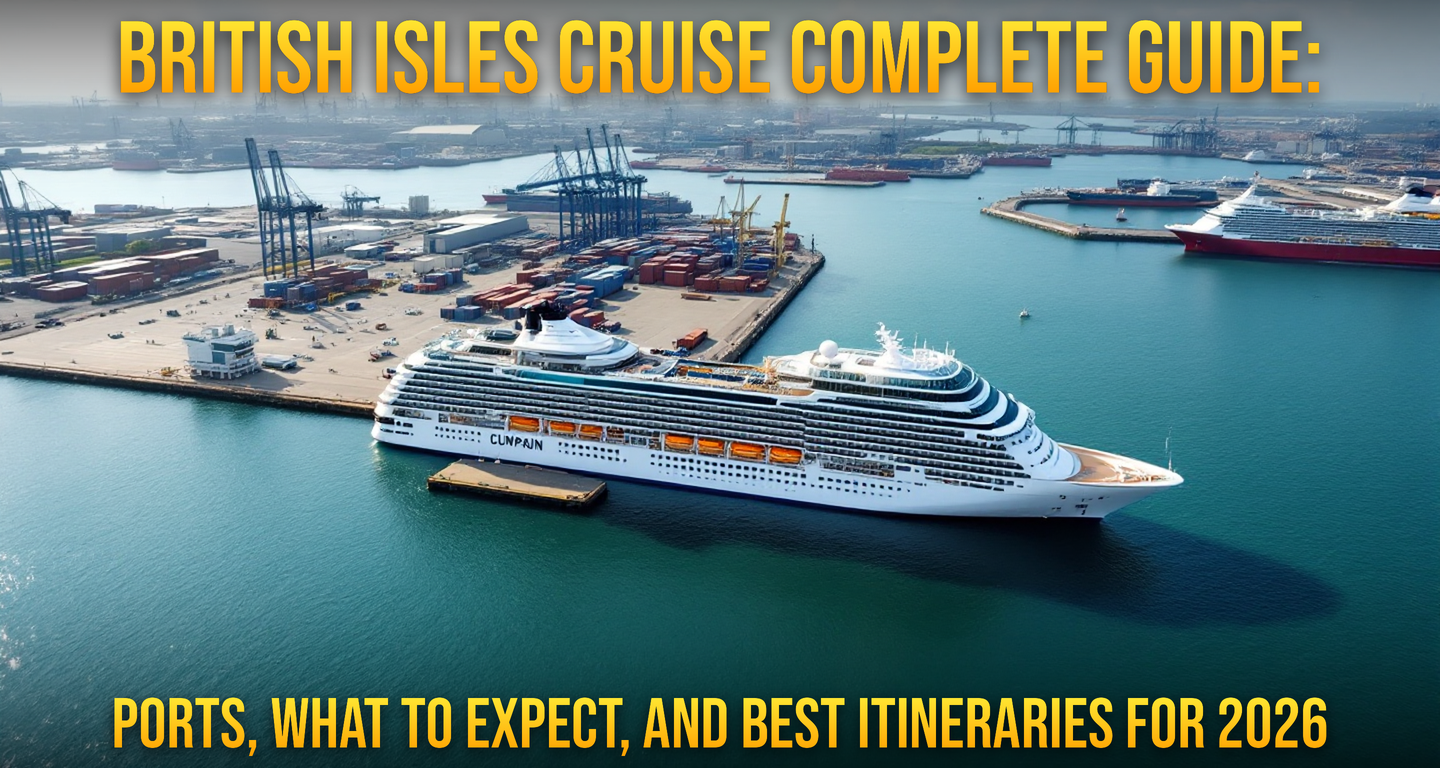
The British Isles attract a different breed of cruiser. You'll share the ship with history buffs, hikers, literature lovers, and travelers who actually want to experience a destination rather than just sunbathe. The weather is cool (pack layers), the daylight hours are long in summer (cruising June through August gives you nearly 17 hours of daylight in Scotland), and the culture is deeply connected to the sea itself.
If you're considering a British Isles cruise for 2026, here's what you need to know before you commit.
Which Cruise Lines Sail the British Isles?
Not every cruise line operates in British waters, and the ones that do range dramatically in size and style.
- Royal Caribbean — Ships like Vision of the Seas (Radiance-class) and Anthem of the Seas (Quantum-class) offer 7-day itineraries from Southampton. Expect modern ships, robust onboard entertainment, and a slightly younger demographic. Prices run $899–$1,499 per person for balcony cabins on 2026 sailings.
- P&O Cruises — The British-owned line that dominates this market. Ships like Aurora, Ventura, and the new Arvia (P&O's largest ship) cater specifically to British travelers. More formal dress codes, afternoon tea traditions, and British hospitality standards. Cabins feel slightly dated on older ships, but Arvia is modern and sleek. Expect $749–$1,299 per person for equivalent cabins.
- Cunard — The ultra-traditional option. Queen Elizabeth and Queen Mary 2 offer longer itineraries (10–23 days) with a distinctly upscale, formal atmosphere. Black-tie formal nights are standard. You're paying for heritage and tradition. Budget $1,299–$2,499+ per person.
- Celebrity Cruises — Celebrity Apex occasionally runs British Isles itineraries. Modern ship, contemporary dining, upscale-casual vibe. Fewer sailings but solid quality. $999–$1,699 per person.
- Norwegian Cruise Line — Doesn't currently operate dedicated British Isles itineraries from UK ports, but their Northern Europe cruises from other ports sometimes include British stops. Not your best bet for a focused British Isles experience.
- Viking Ocean Cruises — Smaller, all-inclusive luxury ships designed for cultural immersion. Viking Sea and Viking Sky offer British Isles itineraries. Expect included beverages, gourmet dining, and expert lectures. Price point is higher ($2,200–$3,500+ per person) but all-inclusive structure changes the value equation.
Understanding British Isles Itineraries: The Big Picture
There's no single "British Isles cruise." Itineraries vary wildly depending on how long you sail and where you start.
7-Day Itineraries (most common) typically depart from Southampton and visit 4–5 ports. A typical routing might be: Southampton → Guernsey → Cork (Ireland) → Holyhead (Wales) → Liverpool → back to Southampton. You're covering a lot of ground quickly, which means long sea days and limited time in each port.
10–14 Day Itineraries (less common but more rewarding) give you time to breathe. You might sail Southampton → Cherbourg (France) → Cork → Galway (Ireland) → Holyhead → Liverpool → Dublin → Cork → back to Southampton. More ports, more time in each, and usually includes Scotland or the Shetland Islands.
14+ Day Itineraries (Cunard's specialty) are deep-dive experiences. Queen Elizabeth runs routes that include Invergordon (Scottish Highlands), Orkney Islands, Shetland Islands, and the outer Scottish hebrides. These are for serious explorers.
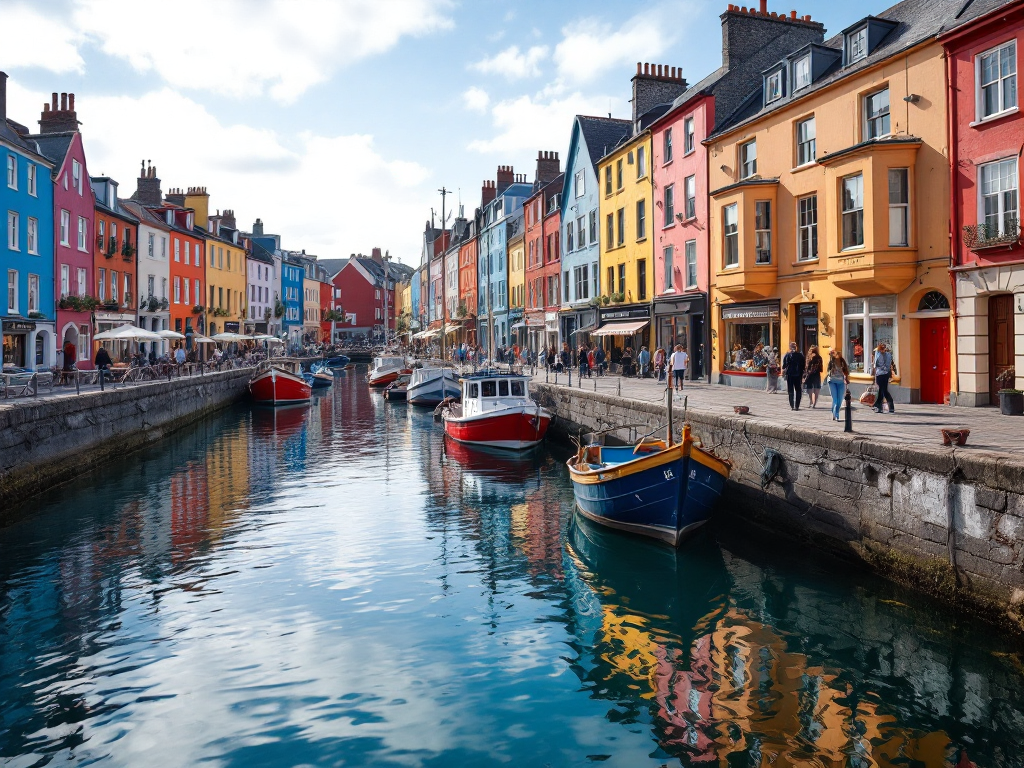
The Ports: What You Actually Need to Know
Southampton (England) — Your Likely Homeport
Most British Isles cruises depart from Southampton, which is not a charming old port town. It's industrial, busy, and honestly, there's little reason to stay long. The town itself is unremarkable—post-WWII architecture, shopping malls, chain restaurants.
That said, if you're arriving early or staying late, book a pre-cruise hotel for either Liverpool or London (80 minutes by train from Southampton). This is where you'll find actual character and things to see.
Pro tip: Park at the official cruise terminal parking (roughly £12/day) or use off-site parking at a park-and-ride. Don't try to navigate the town.
Cork, Ireland — Charming and Authentic
Corally was my favorite port on my last British Isles sailing. The port is small, walkable, and the city feels genuinely Irish—not sanitized for tourists. You're walking through narrow medieval streets, passing pubs where locals actually drink, and stumbling onto genuine culture.
What to do:
- Walk the city center (15 minutes from the port) — St. Fin Barre's Cathedral, the English Market (an indoor food market since 1788), and endless pubs
- Blarney Castle (8 km away, 20-minute taxi ride) — Kiss the Blarney Stone and explore castle grounds. Shore excursions through your cruise line run about $65–$85, or rent a taxi for $25–$35 per person
- Jameson Distillery or Irish Whiskey Museum — Tasting experiences run $30–$55 independent, or book through your cruise line for $89–$120 (you're paying for convenience, not value)
- Cobh (pronounced "Cove") — A picturesque harbor town 25 minutes away, colorful waterfront buildings, historical significance as the last port where the Titanic stopped
Time in port: Usually 10–12 hours (arrives morning, leaves evening). This is enough to explore Cork properly without rushing.
Liverpool, England — Industrial Heritage with Real Soul
Liverpool surprised me. I expected it to be gritty and underwhelming. Instead, I found a city actively celebrating its maritime and musical heritage, with surprisingly good museums and waterfront development.
What to do:
- The Beatles Story (on the waterfront, 10-minute walk from the port) — Three hours minimum if you're into The Beatles. Museum quality is solid. Entry roughly £15–£17
- Albert Dock — 5-minute walk from the port. Historic waterfront with shops, restaurants, galleries, and the Tate Liverpool art museum
- Mersey Ferry — The iconic cross-river ferry from the 1960s song. Takes 20 minutes round trip, costs £4.35, and gives you genuine local perspective
- Liverpool Cathedral — Massive Gothic cathedral, 30-minute walk inland, but worth it for views over the city
- Walking food tour (self-guided or organized) — The Baltic restaurant area has genuinely good restaurants, not tourist traps
Time in port: 12–14 hours usually. The port itself is right in the city, which is rare and wonderful for cruisers.
Dublin, Ireland — Lively but Tourist-Heavy
I'll be honest: Dublin is magical, but it's also overwhelmed with cruise passengers. On days when multiple ships dock, the city feels saturated.
What to do:
- Trinity College and the Book of Kells — Iconic, worth doing, but book early or go immediately. Entry £25–£28
- Guinness Storehouse — Touristy, yes, but genuinely fun if you manage the crowds. Entry £22–£25. The pint at the top-floor bar costs £12 and includes 270-degree city views
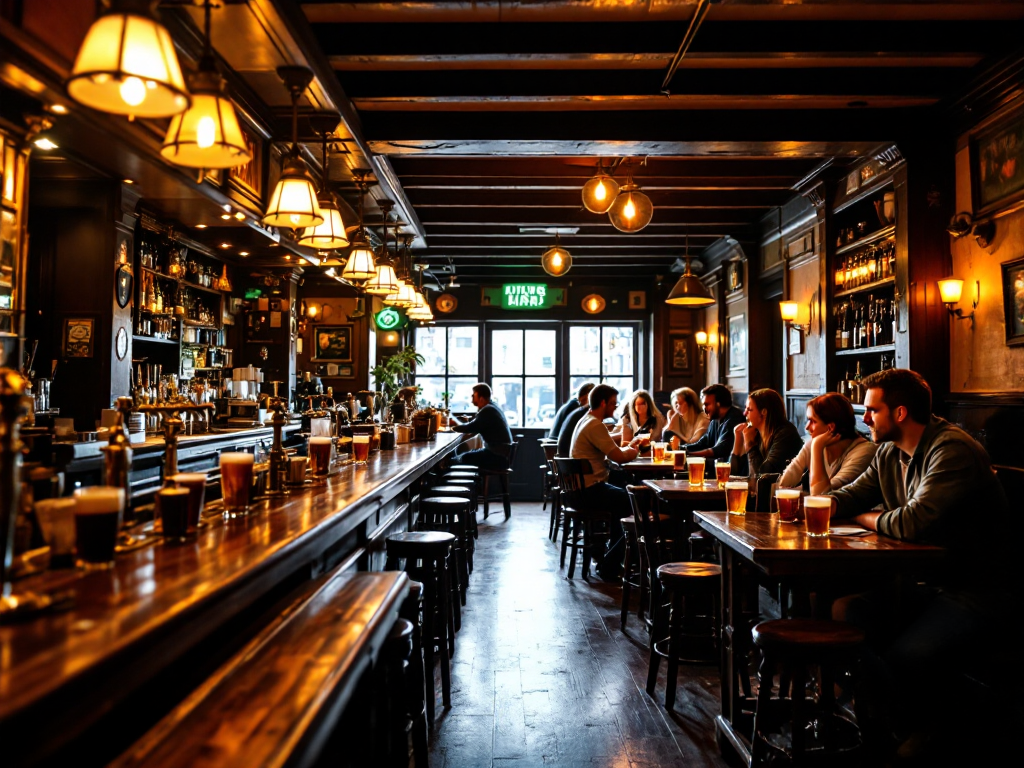
- Temple Bar District — Classic Dublin nightlife, music, pubs. Go at lunch for the experience without the chaos
- National Museum and National Gallery — Free or low-cost ("donation suggested"), genuinely excellent
- Howth Cliff Walk — 20 minutes from the city center by train (DART), spectacular coastal views, more authentically Irish than the city proper
Time in port: Usually 12–16 hours. This is long enough to do the city properly, or to take the day trip to Howth or Galway.
Holyhead, Wales — Gateway to Snowdonia
Holyhead is a working port town on the island of Anglesey. The town itself is industrial and not particularly attractive, but it's the gateway to some stunning Welsh landscapes.
What to do:
- Snowdonia National Park — Accessible by car or tour (1 hour away). Dramatic mountain scenery, numerous hikes, Snowdon mountain railway if you want the easy way up
- Caernarfon Castle — Medieval fortress, 45 minutes away, UNESCO World Heritage Site. Entry £8–£10 if you go independently, or book a shore excursion ($79–$99)
- Beaumaris Castle — 30 minutes away, slightly less crowded than Caernarfon, built in 1295
- Local pubs and fish & chips — Holyhead itself has decent traditional food; don't expect fancy dining
Time in port: 8–10 hours usually. You need transportation to see anything worthwhile, so consider a shore excursion or pre-booking a taxi. Independent exploration is possible but requires planning.
Guernsey (Channel Islands) — Small, Charming, Unexpected
Guernsey is a self-governing British Crown Dependency with its own culture, language history, and vibe. It's small, quiet, and genuinely pleasant—not overrun with cruise passengers.
What to do:
- St. Peter Port (the main town) — Walking distance from the port, colorful buildings, narrow streets, local restaurants
- Castle Cornet — Historic castle on a promontory, accessible by causeway, views of the bay, entry £10–£12
- WWII sites — Underground hospitals, bunkers, museums (Guernsey has significant WWII history). The German Underground Hospital is surreal and moving. Entry £7–£9
- Clifton Beach or other beaches — If weather permits, surprisingly nice for swimming
- Local gin distillery (Guernsey has a thriving craft gin scene) — Tours and tastings, £20–£35
Time in port: 8–10 hours usually. The island is small (25 square miles); you can see a lot in a few hours. This is one of the least crowded cruise ports in the British Isles.
Galway, Ireland — Bohemian and Authentic
Galway is where my last British Isles cruise really hit its stride. It's a university town with a bohemian vibe, colorful buildings, street musicians, genuine character, and far fewer cruise passengers than Dublin.
What to do:
- Shop Street — Walking around this narrow, lively street with local shops, restaurants, and pubs feels authentically Irish
- Galway Bay — Walk the waterfront, grab fish and chips at McDonagh's or Aran Sweater Market area
- Connemara day trip — Dramatic landscape 1 hour away, bog, mountains, small villages. Book a tour through your cruise line ($99–$129) or rent a car
- Aran Islands ferry — 40 minutes from Galway by ferry, tiny inhabited islands with ancient Irish culture, minimal roads, amazing for hikers
- Traditional music session — Grab a pint at a local pub in the evening; traditional Irish music happens organically in pubs here
Time in port: Usually 12–14 hours. Galway rewards slow exploration. Don't rush.
Scottish Ports — Invergordon, Leith (Edinburgh), and the Islands
Scotland is the most dramatic and least touristy part of British Isles cruising.
Invergordon (northern Scottish Highlands) is an industrial port with limited walking infrastructure, but it's the gateway to the Scottish Highlands. You need a shore excursion or rental car here. Don't try to explore the town itself.
- Loch Ness and Urquhart Castle (1 hour away) — The famous loch, the ruins of the castle
- Culloden Battlefield (30 minutes away) — Historic 1746 battle site, museum, Highland history
- Glenmorangie Distillery (20 minutes away) — Whisky tasting, production tour, £35–$50
Leith (the port for Edinburgh) is walkable and has become increasingly developed. Edinburgh itself is 20 minutes by tram or taxi.
- Edinburgh Old Town and Castle — UNESCO World Heritage Site, medieval architecture, castle tour (entry £18–$21), Royal Mile shopping and pubs
- Arthur's Seat — Extinct volcano in the city center, views over Edinburgh, hike takes 45 minutes
- National Museum of Scotland — Free, excellent, covers natural history, technology, and culture
- Scotch Whisky Experience — Tourist-focused but solid; £19–$25 for a dram and history
Orkney Islands and Shetland Islands appear on longer itineraries. These are remote, dramatic, and genuinely wild. The Orkney Islands have Neolithic archaeology that predates Stonehenge. Shetland is windswept and rugged. Time in each port is usually 8–10 hours. Most cruise passengers book organized excursions ($99–$150) because independent exploration requires local knowledge. If you're an experienced independent traveler, you can do it yourself, but car rentals and buses run on island time.

Practical Realities: Weather, Dress Codes, and Onboard Life
Weather — This is not the Mediterranean. Even in July and August, you'll experience 55–65°F (13–18°C) temperatures, occasional rain, and wind. Pack layers: merino wool base layers, fleece, waterproof jacket, and comfortable walking shoes with good grip. Don't expect to sit by the pool for hours. The ships have pools, but they're less central to the cruise experience than on Caribbean sailings.
Dress Codes — This varies wildly by cruise line. Royal Caribbean and Norwegian are "smart casual" (no formal nights). P&O Cruises and Cunard observe traditional formal nights—men in tuxedos or dark suits, women in dresses or formal wear. Celebrity and Viking fall somewhere in between. Check your specific ship's dress code policy before booking. This matters if you're uncomfortable with formal dining.
Daylight — June sailing gives you roughly 16–17 hours of daylight in northern ports. This is amazing for exploration but can be disorienting if you're used to sleeping when it's dark. August is slightly shorter but still excellent. April and May have long daylight hours but cooler temperatures and more variable weather. September is beautiful but starting to shorten daylight.
Onboard Atmosphere — British Isles cruises attract older passengers on average, cultural explorers, and repeat cruisers. The vibe is less party-focused than Caribbean cruises. Entertainment tends toward production shows and classical music rather than DJ-heavy clubs. This is relaxing or boring depending on your preference.
Dining — P&O and Cunard emphasize afternoon tea traditions and formal dining room experiences. Royal Caribbean and Celebrity offer more casual options. If you're booking an all-inclusive line like Viking, gratuities and many beverages are included, which changes your budget calculus.
Best Times to Sail British Isles in 2026
June — Peak daylight, peak prices, peak crowds. Weather is cool but increasingly stable.
July — Warmest month, busiest, prices highest. Irish and Scottish schools are on holiday, so more families.
August — Still warm, still busy, slightly cheaper than July. Edinburgh Fringe Festival happens mid-August (world-class performing arts if you're in port).
September — My personal sweet spot. Still 12+ hours of daylight, weather is crisp and clear, crowds thin out, and prices drop 15–25%. Fewer families, more retirees and cultural travelers.
May — Bargain prices, long daylight, but weather is unpredictable. Some itineraries appear only in May.
April and earlier — Very few sailings. Weather can be rough.
Budget Breakdown: What You'll Actually Spend
Cruise fare (per person, 7-day, 2026 pricing):
- Interior cabin, Royal Caribbean: $599–$899
- Oceanview cabin, P&O: $649–$949
- Balcony cabin, Royal Caribbean: $899–$1,499
- Balcony cabin, Cunard Queen Elizabeth: $1,299–$1,999
- All-inclusive suite, Viking: $2,200–$3,200 (includes drinks, gratuities, excursions)
Additional costs:
- Gratuities — $15–$16/person/day (unless all-inclusive). For a 7-day cruise, roughly $105–$112 per person
- Specialty dining — If you upgrade to specialty restaurants: $25–$40 per person per meal
- Drinks — Soda packages $7–$10/day, alcohol packages $65–$85/day, or pay-per-drink ($8–$15 per cocktail)
- Shore excursions — $65–$150 per person per excursion. Budget $300–$600 for a 7-day cruise if doing 3–4 excursions
- Onboard spending (shopping, spa, specialty activities) — Highly variable, but $200–$400 is realistic for a week
- Pre/post-cruise hotel — $120–$250/night in Southampton, Liverpool, or Dublin
- Flights to UK — $400–$800+ depending on your home location
Real example: A couple booking an interior cabin on Royal Caribbean, 7 days, September 2026:
- Cruise fare (per person): $699
- Gratuities (per person): $112
- Specialty dining (2 dinners each): $160
- Drinks package (per person): $245
- Shore excursions (3 booked): $400 total
- Onboard incidentals: $300
- Total for couple: $3,632
Add flights, hotels, and travel to the port, and you're looking at $4,500–$5,500 per couple for a week-long British Isles cruise from North America.
Insider Tips Only Experienced British Isles Cruisers Know
Book shore excursions independently when possible. The cruise line's excursion prices are 30–50% higher than booking locally. For example, a Blarney Castle excursion costs $85 through P&O but £35–$45 if you book a taxi and pay entry directly. Yes, you assume the risk if the tour is late returning, but in my experience, port days are long enough that this rarely happens.
Skip the "British Isles" tours and do your own thing. Generic walking tours that the cruise line pushes are expensive and slow. Walk on your own or book restaurant reservations in advance online (use TripAdvisor or local tourist sites) and spend time eating and exploring rather than being herded through predetermined routes.
Bring cash in local currency. The UK uses pounds sterling (£), the Republic of Ireland uses euros (€), and the Channel Islands have their own currencies. ATMs are readily available in ports, but you'll lose money on currency conversion. Bring £50–100 per day in local currency per person.
Pack walking shoes you've broken in. British Isles cruising means serious walking—cobblestone streets, hills, uneven terrain. Bad shoes will ruin your port days.
Don't waste time on the ship on days you're in port. The ports are the point. Use your cabin only for sleeping and changing clothes. Daytime activities onboard are mediocre compared to exploring genuine European cities.
Book a pre-cruise hotel in Edinburgh, Dublin, or Liverpool, not Southampton. If you're flying in early, you want to arrive somewhere worth exploring. Edinburgh and Dublin have airport-to-city transport that's straightforward; Liverpool is also manageable. Southampton has nothing.
Traveling solo? British Isles cruises are social, and you'll naturally connect with other passengers in ports. Don't feel pressured to book shore excursions if you're comfortable exploring independently.
The Scottish islands (Orkney, Shetland) require longer itineraries. If Scotland is your main interest, book a 14+ day cruise. Seven-day cruises rarely reach these islands or give sufficient time to appreciate them.
The Real Talk: Is a British Isles Cruise Right for You?
Book a British Isles cruise if you:
- Love history, literature, and culture more than sun and beaches
- Are a comfortable walker and don't mind cool weather
- Want to experience authentic European cities (not resort destinations)
- Enjoy exploring independently rather than being guided through tourist attractions
- Are interested in whisky, castles, medieval architecture, or Irish culture
- Don't require formal entertainment and nightlife
Skip it if you:
- Are looking for guaranteed sunshine and beach time
- Have limited mobility or physical restrictions
- Prefer Caribbean-style relaxation to active exploration
- Are uncomfortable with unpredictable weather
- Want constant entertainment and party atmosphere onboard
Booking Your British Isles Cruise
When you're ready to book, our AI concierge at CruiseVoices can walk you through every step—comparing itineraries, evaluating cruise lines, timing your booking for price drops, and securing the best cabin for your needs. We partner with 40+ cruise lines, so you're seeing all your real options, not just the ones that pay the highest commission to random travel agents.
Our community forum has dedicated discussions about British Isles cruising, port tips from people who've actually sailed these routes, and answers to specific questions your travel agent might not know.
The British Isles aren't for everyone, but if they're calling to you—whether it's the Irish coast, the Scottish highlands, the literary history, or just the romance of European cruising—they're absolutely worth experiencing. Pack layers, bring your walking shoes, and prepare for a cruise that's fundamentally different from the Caribbean but equally rewarding.
I'll see you in Cork or Galway. Share your British Isles port experiences and get answers to your questions in our Europe Ports forum!