

You've done the Caribbean three times, sailed the Mediterranean twice, and you're craving something completely different. Trust me, I get it. After 40+ cruises, I was desperate to escape the crowds at Cozumel and find destinations that would genuinely surprise me. That's when I discovered the world of expedition cruising and ultra-remote destinations that most cruisers never even know exist.
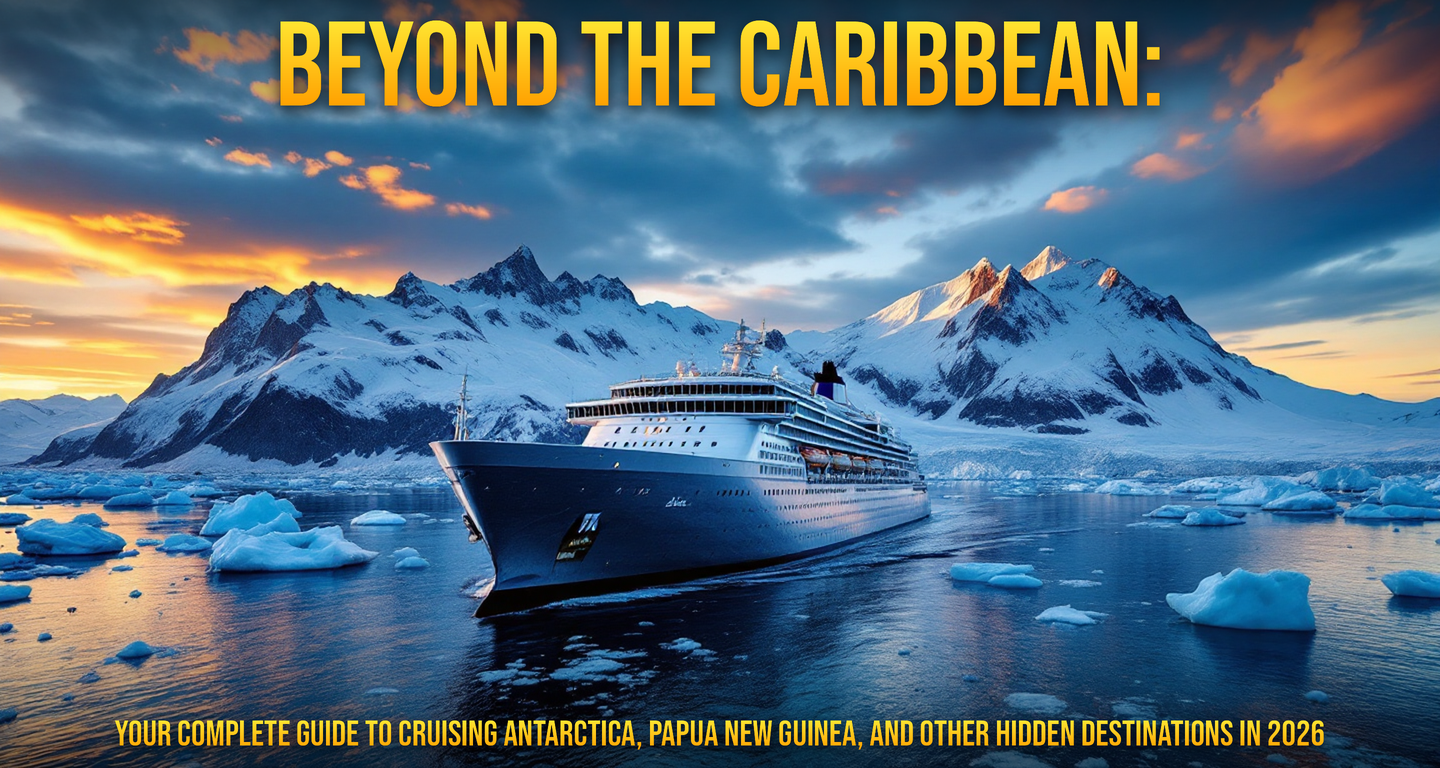
These aren't your typical cruise ports with jewelry stores and t-shirt shops. We're talking about destinations where you might be among the first 500 people to ever set foot on a particular island, or where you'll witness wildlife behaviors that only a handful of humans have seen. But here's the reality: these cruises cost more, require more planning, and come with unique challenges you won't face on mainstream itineraries.
Let me start with the big one. Antarctica isn't just different from Caribbean cruising – it's from another planet entirely. I sailed with Quark Expeditions on the Ocean Adventurer in March 2026, and the $14,800 price tag per person made my wallet weep, but the experience was worth every penny.
Here's what nobody tells you about Antarctica cruising: you'll spend two full days crossing the Drake Passage, and even with modern stabilizers, about 60% of passengers get seasick. Pack those motion sickness patches and don't plan to eat much for the first 48 hours. The Ultramarine has the best stabilization system I've experienced, while older ships like the Ocean Diamond will have you gripping the handrails.
Once you reach the Antarctic Peninsula, everything changes. You'll take zodiac boats to shore 2-3 times per day, and the ship provides all the gear – waterproof boots, parkas, and life jackets. The boots are surprisingly comfortable, but bring wool socks because your feet will get cold during the 2-hour shore excursions.
Real costs for Antarctica 2026:
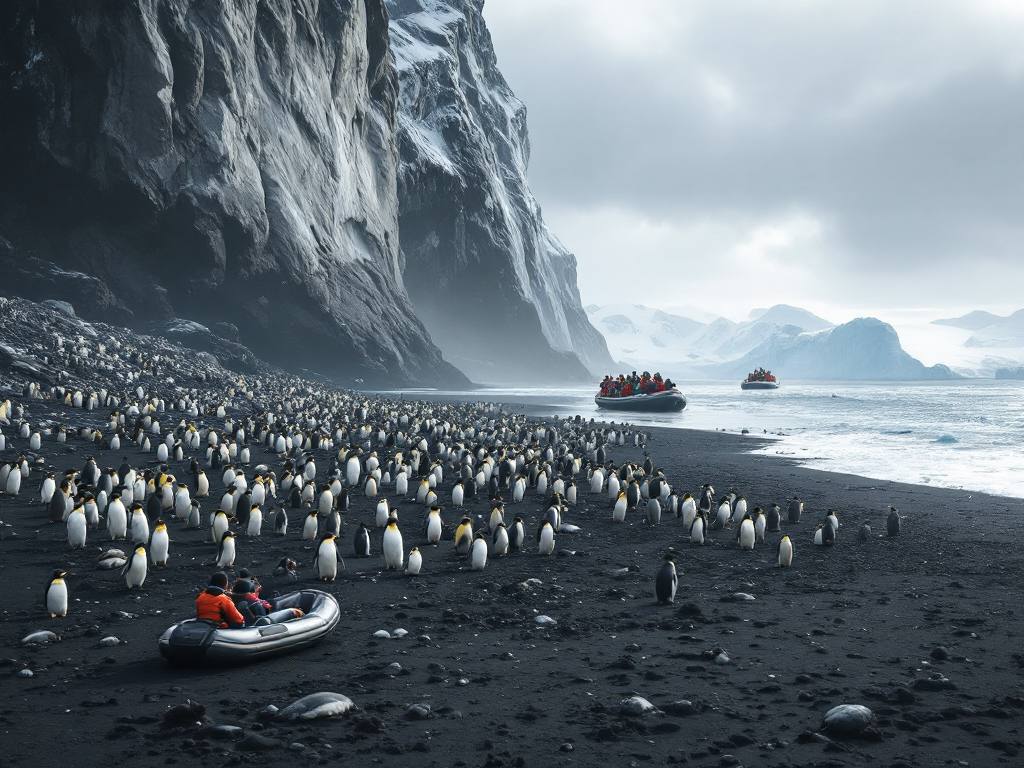
The wildlife encounters are unreal. On day four, we had 200+ penguins walk right through our group at Neko Harbor. No zoo experience compares to having a leopard seal surface 10 feet from your zodiac. But here's the downside: weather controls everything. We missed two planned landings due to 40-knot winds, and there's absolutely nothing you can do about it.
Share your polar expedition questions in our Expedition Cruising forum!
Papua New Guinea represents everything mainstream cruising isn't. I joined True North's 36-passenger expedition yacht for their Sepik River itinerary in August 2026 – 10 nights for AUD $26,995 ($17,800 USD). This isn't a cruise ship; it's more like a floating base camp for daily adventures.
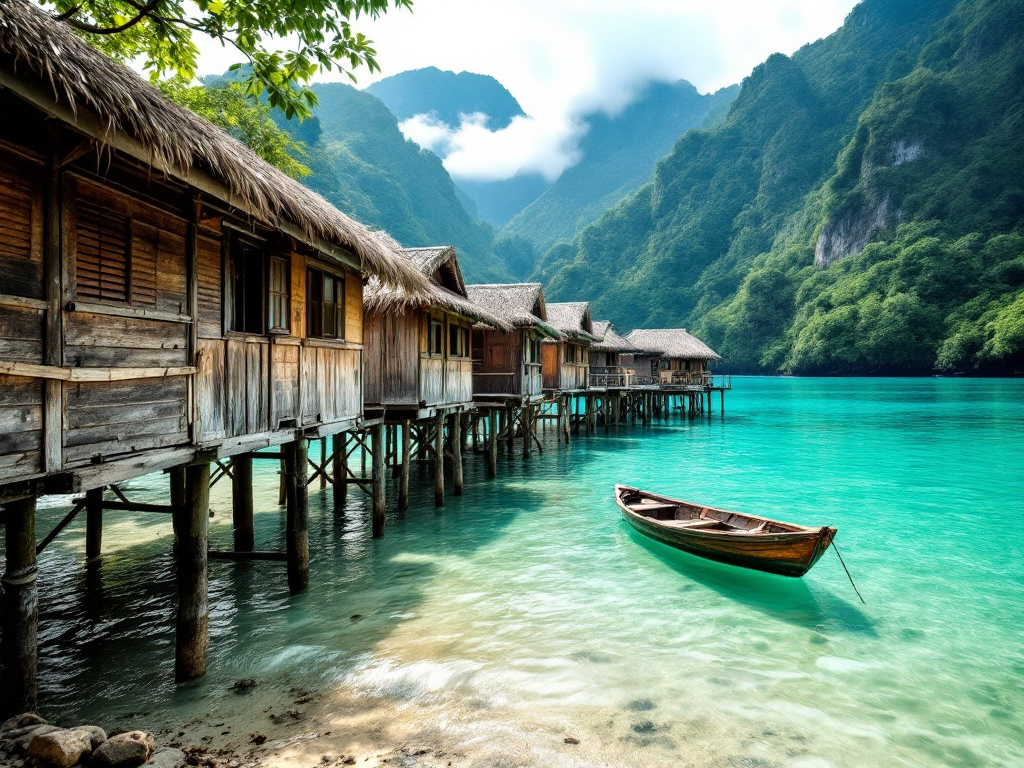
The Sepik River portion blew my mind. We navigated 200 miles inland in small boats, visiting villages where tourism means maybe 50 visitors per year. In Kambot village, we watched traditional mask-making ceremonies that have remained unchanged for centuries. The cultural exchanges felt genuine because they were genuine – these weren't performances for tourists.
What to expect on PNG cruises:
The challenges are real though. The humidity is crushing – 85-90% daily. Bug spray becomes your best friend, and you'll shower twice daily just to feel human. The food on True North was excellent, but don't expect the variety of a 3,000-passenger Royal Caribbean ship. We had the same three entrees rotating every few nights.
Raja Ampat, on the Indonesia side, delivered the best diving of my life. We're talking 1,400+ fish species in pristine coral gardens. But the water temperature was 84°F – perfect for tropical fish, exhausting for humans in wetsuits.
The Arctic offers polar bears instead of penguins, but the logistics are equally challenging. I sailed Ponant's Le Boreal to Spitsbergen and Jan Mayen in July 2026 – their 15-day "Ultimate Arctic" itinerary for €18,900 ($19,800 USD).
Jan Mayen Island was the highlight. This Norwegian volcanic island sits 450 miles east of Greenland, and we were among maybe 200 tourists to visit that entire season. The landscape looks like Mars – black volcanic rock, steaming hot springs, and absolutely no vegetation above knee height.
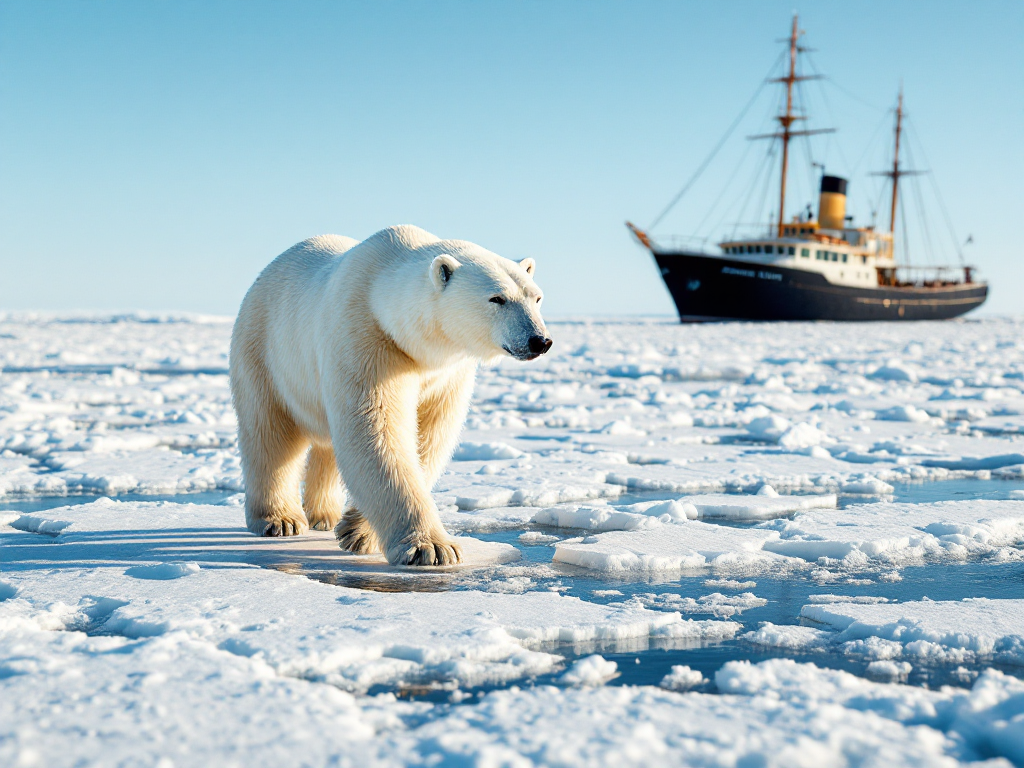
Spitsbergen gave us our polar bear encounters. We spotted 12 bears over four days, including a mother with two cubs hunting seals on pack ice. The ship maintains a 500-meter distance, but with good binoculars, you'll get incredible viewing. Just remember: polar bear sightings aren't guaranteed. Weather and ice conditions control where you can go.
Arctic cruise realities:
Not ready for full expedition mode? The Faroe Islands offer otherworldly landscapes with more comfortable cruising. Seabourn's Venture took us there in June 2026 as part of their Reykjavik to London itinerary ($8,900 per person for 12 nights).
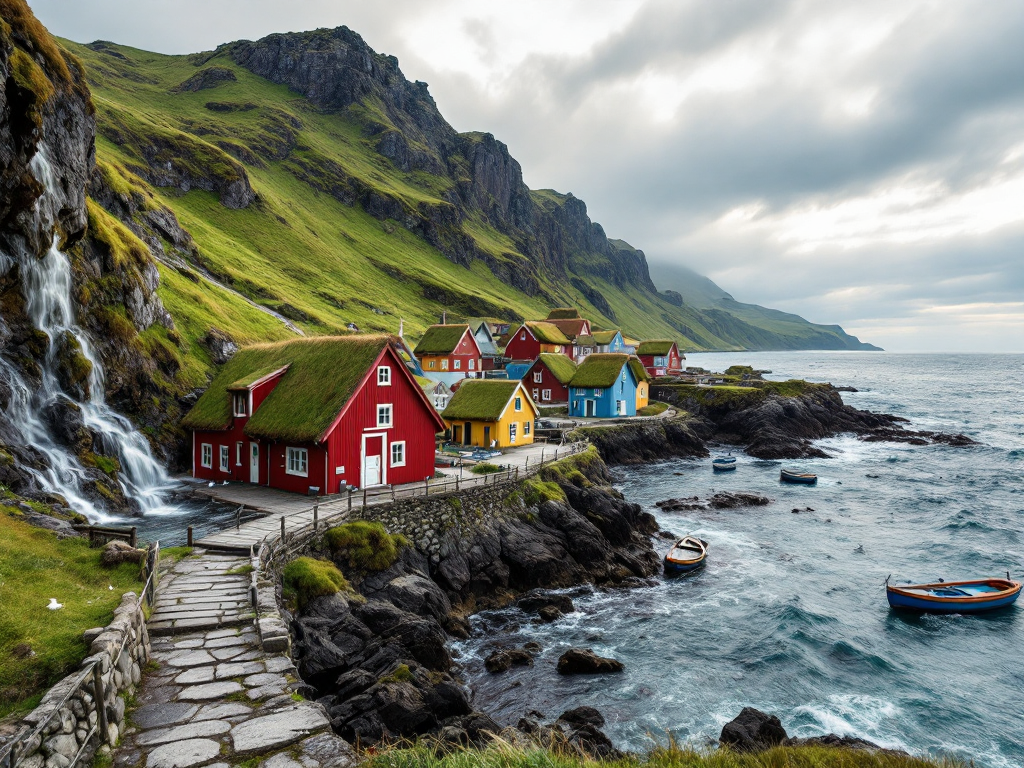
Tórshavn, the Faroese capital, has 13,000 residents and feels like stepping into a fairy tale. Grass-roof houses line narrow cobblestone streets, and you can walk the entire town in 30 minutes. The shore excursion to Gásadalur village and Múlafossur waterfall was stunning, but expect 45°F temperatures and constant wind, even in June.
The Azores provide a completely different vibe. These volcanic Portuguese islands sit 900 miles west of mainland Europe, and most Americans have never heard of them. I visited on Celebrity Eclipse's repositioning cruise in April 2026. The Azores stop in Ponta Delgada was a revelation – crater lakes, hot springs, and some of the best seafood I've ever eaten.
Pro tip: Book shore excursions through the ship for these remote destinations. Independent touring isn't realistic when you only have 6-8 hours in port and limited local transportation.
These destinations require different planning than mainstream cruises. First, book early. Antarctic cruises for 2027 are already 70% sold out as of late 2026. Quark Expeditions offers $2,000 early booking savings plus 15% off if you book before March 31st for the following season.
Second, budget realistically. These cruises start around $10,000 per person and can easily hit $40,000+ for luxury options. That doesn't include flights – getting to Ushuaia, Argentina costs $1,200+ from most US cities, and flights to join PNG cruises in Cairns run $1,800+ from the East Coast.
Third, choose your ship size carefully. Expedition ships max out around 200 passengers due to environmental regulations. You'll get more personal attention and better wildlife viewing, but forget about Broadway shows, multiple pools, and 20 dining options.
Essential gear for expedition cruising:
After experiencing both mainstream and expedition cruising, I can honestly say these remote destinations changed how I think about travel. You'll trade pools and casinos for zodiac boats and wildlife encounters. You'll swap 3,000 fellow passengers for 150 like-minded adventurers. And yes, you'll pay 3-5 times more than Caribbean cruising.
But when you're standing on a beach in Antarctica with 500 penguins, or watching traditional ceremonies in a Papua New Guinea village that sees fewer visitors than Disney World gets in an hour, you'll understand why these experiences cost more. They're not just different – they're genuinely irreplaceable.
The downside? These cruises are addictive. Once you've experienced the thrill of truly remote destinations, regular cruising can feel a bit... ordinary.
Ready to plan your own off-the-beaten-path adventure? Share your destination wishlist and get advice from fellow expedition cruisers in our Expedition Cruising forum!
These aren't your typical cruise ports with jewelry stores and t-shirt shops. We're talking about destinations where you might be among the first 500 people to ever set foot on a particular island, or where you'll witness wildlife behaviors that only a handful of humans have seen. But here's the reality: these cruises cost more, require more planning, and come with unique challenges you won't face on mainstream itineraries.
Antarctica: The Ultimate Expedition Experience
Let me start with the big one. Antarctica isn't just different from Caribbean cruising – it's from another planet entirely. I sailed with Quark Expeditions on the Ocean Adventurer in March 2026, and the $14,800 price tag per person made my wallet weep, but the experience was worth every penny.
Here's what nobody tells you about Antarctica cruising: you'll spend two full days crossing the Drake Passage, and even with modern stabilizers, about 60% of passengers get seasick. Pack those motion sickness patches and don't plan to eat much for the first 48 hours. The Ultramarine has the best stabilization system I've experienced, while older ships like the Ocean Diamond will have you gripping the handrails.
Once you reach the Antarctic Peninsula, everything changes. You'll take zodiac boats to shore 2-3 times per day, and the ship provides all the gear – waterproof boots, parkas, and life jackets. The boots are surprisingly comfortable, but bring wool socks because your feet will get cold during the 2-hour shore excursions.
Real costs for Antarctica 2026:
- Quark Expeditions: $12,995-$28,500 per person (10-12 days)
- Ponant Le Commandant Charcot: $16,800-$45,000 per person (11-15 days)
- Hurtigruten MS Fram: $11,200-$22,400 per person (10-11 days)
The wildlife encounters are unreal. On day four, we had 200+ penguins walk right through our group at Neko Harbor. No zoo experience compares to having a leopard seal surface 10 feet from your zodiac. But here's the downside: weather controls everything. We missed two planned landings due to 40-knot winds, and there's absolutely nothing you can do about it.
Share your polar expedition questions in our Expedition Cruising forum!
Papua New Guinea: Where Adventure Meets Authentic Culture
Papua New Guinea represents everything mainstream cruising isn't. I joined True North's 36-passenger expedition yacht for their Sepik River itinerary in August 2026 – 10 nights for AUD $26,995 ($17,800 USD). This isn't a cruise ship; it's more like a floating base camp for daily adventures.
The Sepik River portion blew my mind. We navigated 200 miles inland in small boats, visiting villages where tourism means maybe 50 visitors per year. In Kambot village, we watched traditional mask-making ceremonies that have remained unchanged for centuries. The cultural exchanges felt genuine because they were genuine – these weren't performances for tourists.
What to expect on PNG cruises:
- Maximum 36-50 passengers on most ships
- Daily excursions in small boats or on foot
- Visits to villages with 100-300 residents
- Snorkeling/diving in untouched reefs
- No internet or cell service for days at a time
The challenges are real though. The humidity is crushing – 85-90% daily. Bug spray becomes your best friend, and you'll shower twice daily just to feel human. The food on True North was excellent, but don't expect the variety of a 3,000-passenger Royal Caribbean ship. We had the same three entrees rotating every few nights.
Raja Ampat, on the Indonesia side, delivered the best diving of my life. We're talking 1,400+ fish species in pristine coral gardens. But the water temperature was 84°F – perfect for tropical fish, exhausting for humans in wetsuits.
Arctic Adventures: Spitsbergen and Jan Mayen
The Arctic offers polar bears instead of penguins, but the logistics are equally challenging. I sailed Ponant's Le Boreal to Spitsbergen and Jan Mayen in July 2026 – their 15-day "Ultimate Arctic" itinerary for €18,900 ($19,800 USD).
Jan Mayen Island was the highlight. This Norwegian volcanic island sits 450 miles east of Greenland, and we were among maybe 200 tourists to visit that entire season. The landscape looks like Mars – black volcanic rock, steaming hot springs, and absolutely no vegetation above knee height.
Spitsbergen gave us our polar bear encounters. We spotted 12 bears over four days, including a mother with two cubs hunting seals on pack ice. The ship maintains a 500-meter distance, but with good binoculars, you'll get incredible viewing. Just remember: polar bear sightings aren't guaranteed. Weather and ice conditions control where you can go.
Arctic cruise realities:
- July-August only for most itineraries
- 24-hour daylight can mess with your sleep schedule
- Temperatures range from 35-50°F even in summer
- Pack layers – lots of layers
- Book 12-18 months ahead for best cabin selection
Remote Island Gems: Faroe Islands and Azores
Not ready for full expedition mode? The Faroe Islands offer otherworldly landscapes with more comfortable cruising. Seabourn's Venture took us there in June 2026 as part of their Reykjavik to London itinerary ($8,900 per person for 12 nights).
Tórshavn, the Faroese capital, has 13,000 residents and feels like stepping into a fairy tale. Grass-roof houses line narrow cobblestone streets, and you can walk the entire town in 30 minutes. The shore excursion to Gásadalur village and Múlafossur waterfall was stunning, but expect 45°F temperatures and constant wind, even in June.
The Azores provide a completely different vibe. These volcanic Portuguese islands sit 900 miles west of mainland Europe, and most Americans have never heard of them. I visited on Celebrity Eclipse's repositioning cruise in April 2026. The Azores stop in Ponta Delgada was a revelation – crater lakes, hot springs, and some of the best seafood I've ever eaten.
Pro tip: Book shore excursions through the ship for these remote destinations. Independent touring isn't realistic when you only have 6-8 hours in port and limited local transportation.
Planning Your Off-the-Beaten-Path Cruise
These destinations require different planning than mainstream cruises. First, book early. Antarctic cruises for 2027 are already 70% sold out as of late 2026. Quark Expeditions offers $2,000 early booking savings plus 15% off if you book before March 31st for the following season.
Second, budget realistically. These cruises start around $10,000 per person and can easily hit $40,000+ for luxury options. That doesn't include flights – getting to Ushuaia, Argentina costs $1,200+ from most US cities, and flights to join PNG cruises in Cairns run $1,800+ from the East Coast.
Third, choose your ship size carefully. Expedition ships max out around 200 passengers due to environmental regulations. You'll get more personal attention and better wildlife viewing, but forget about Broadway shows, multiple pools, and 20 dining options.
Essential gear for expedition cruising:
- Waterproof day pack (ships provide outer gear but not bags)
- Quality binoculars (8x42 minimum)
- Seasickness remedies (patches work better than pills)
- Multiple camera batteries (cold weather drains them fast)
- Cash for tips (many ships operate on cash-only tipping)
Is Remote Destination Cruising Worth It?
After experiencing both mainstream and expedition cruising, I can honestly say these remote destinations changed how I think about travel. You'll trade pools and casinos for zodiac boats and wildlife encounters. You'll swap 3,000 fellow passengers for 150 like-minded adventurers. And yes, you'll pay 3-5 times more than Caribbean cruising.
But when you're standing on a beach in Antarctica with 500 penguins, or watching traditional ceremonies in a Papua New Guinea village that sees fewer visitors than Disney World gets in an hour, you'll understand why these experiences cost more. They're not just different – they're genuinely irreplaceable.
The downside? These cruises are addictive. Once you've experienced the thrill of truly remote destinations, regular cruising can feel a bit... ordinary.
Ready to plan your own off-the-beaten-path adventure? Share your destination wishlist and get advice from fellow expedition cruisers in our Expedition Cruising forum!
Last edited: