

The Real Souvenir Question
After 40+ cruises, I've collected enough cabin magnets and t-shirts to fill a storage unit. But here's what I've learned: most cruise souvenirs end up in a donation box within two years. The key is knowing which purchases actually hold meaning, look good in your home, and don't feel like money wasted five months later.
Let me be honest—cruise ports are designed to separate you from your wallet. The markup on generic ship merchandise is brutal, and those airbrushed beach towels with your ship's name on them? You'll cringe at them by next summer. But there ARE souvenirs worth buying if you're strategic about it.
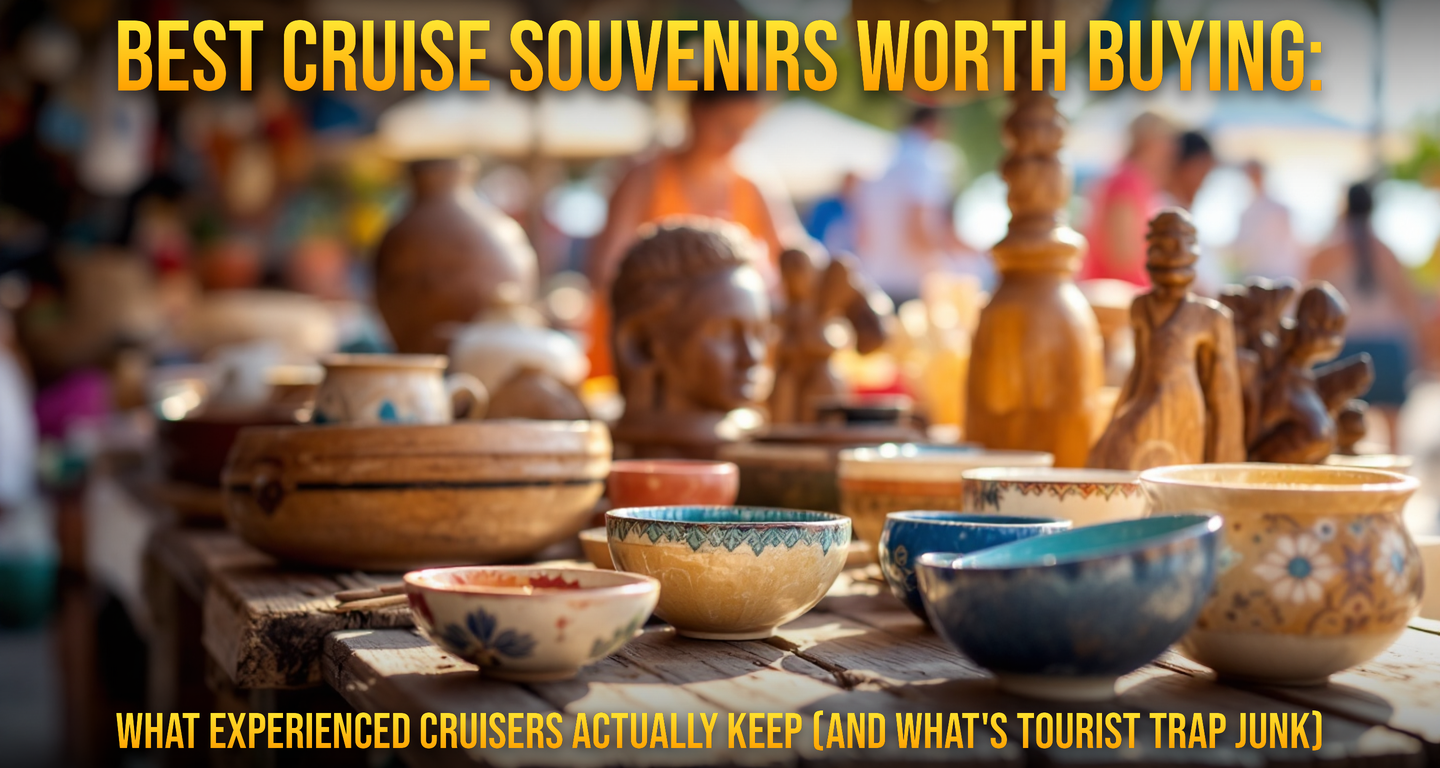
Port-Specific Artisan Goods (These Actually Last)
When you stop in Cozumel, Grand Cayman, or Nassau, skip the beaded jewelry kiosks. Instead, look for locally-made ceramics, woven goods, and hand-painted items created by artisans in those specific regions.
In Ocho Rios, Jamaica, I once bought hand-carved wooden bowls from a local craftsperson. Seven years later, they're still on my shelf and hold genuine conversation value. Same with Belizean slate coasters I picked up in Belize City—each one has individual character because they're handmade.
The secret? Shop away from the cruise port shops. Walk two blocks inland where locals actually shop. Prices drop 30-40%, quality improves, and you're supporting real businesses instead of franchised tourist traps.
- Cozumel: Hand-carved Mayan reproductions and woven baskets from shops on 5th Avenue
- Grand Cayman: Locally-made sea salt and island spice blends from independent vendors
- Jamaica: Hand-painted ceramics and wood carvings from artisan markets
- Mexico ports: Tin ornaments, hand-blown glassware, and embroidered textiles (avoid mass-produced "Hecho en Mexico" stuff made in factories)
Food & Spice Souvenirs: Taste Your Cruise for Months
This is where cruise souvenirs actually shine. When you bring home local spice blends, hot sauces, or specialty foods from ports, you get months of memories every time you cook.
From my personal collection: Jamaican jerk seasoning from a Kingston market, Dominican hot sauce from Santo Domingo, and custom spice mixes from Grenada (the "Isle of Spice"). These were $3-8 each and I still use them regularly in 2026.
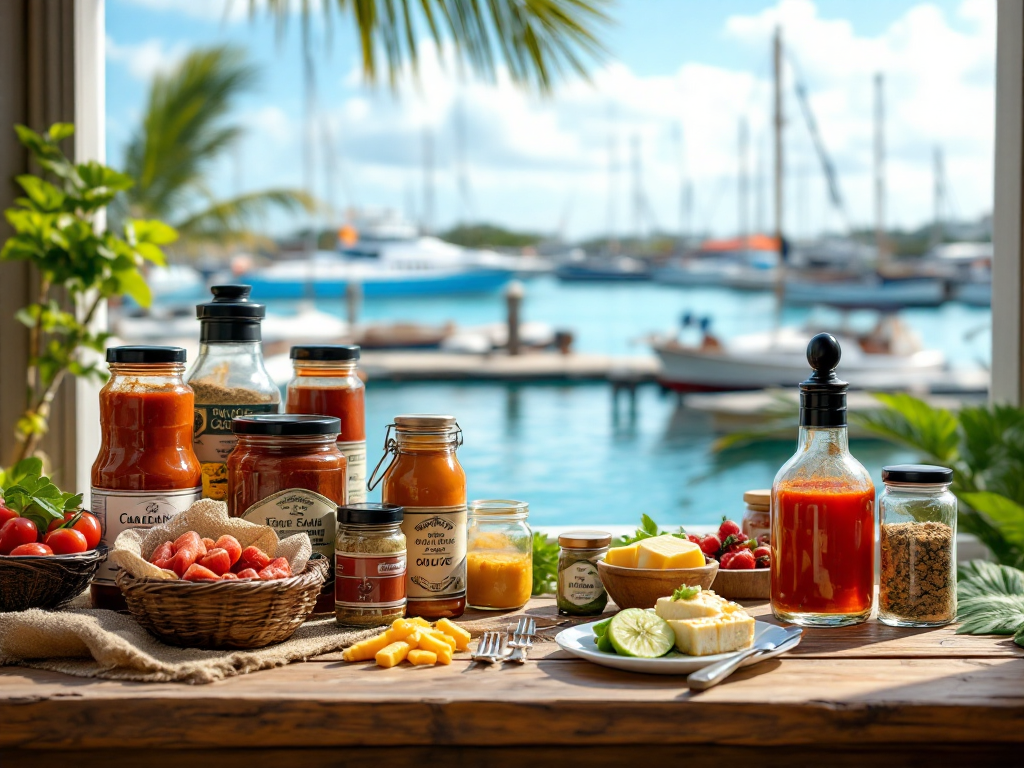
The key is buying from local markets, not the airport duty-free zone or cruise port shops where prices triple. Here's what actually travels well and ages beautifully:
- Fresh spice blends in sealed packets (jerk seasoning, curry blends, Creole mixes)
- Artisanal hot sauces in glass bottles—way better than anything at your grocery store
- Coffee from Caribbean or Mexican ports (Hawaiian Kona, Colombian single-origin, Mexican Veracruz)
- Rum and local spirits in travel sizes—if you're into that (check cruise line liquor policies first)
- Specialty chocolates or vanilla from ports with local production
Pro tip: Pack an extra small cooler or insulated bag in your carry-on. You can fill it with perishables and cold items before heading back to the ship without worrying about spoilage.
Ship-Branded Merch Worth Keeping vs. Instant Regrets
Let me be blunt: most ship merchandise is overpriced and forgettable. A $28 t-shirt with the name of your ship is a shirt you'll wear twice. But a few categories actually hold up:
Worth buying:
- Stainless steel water bottles or tumblers with ship logos ($15-25)—I use these daily and they last forever
- Quality hoodies from premium cruise lines (Royal Caribbean, Disney, Princess)—these are actually decent quality
- Cabin bottle openers or small bar tools with ship branding—cheap, useful, takes up no space
- Photo books from your cruise with actual memories in them—surprisingly sentimental
Skip these entirely:
- Cheap t-shirts with airbrushed designs (thin fabric, fades after 3 washes)
- Glass shot glasses with ship names—impractical and you won't display them
- Miniature model ships—they look cheap and collect dust
- Printed towels—the graphics crack and peel in the washer
- Anything with that airbrushed "tropical sunset" design—it aged poorly in 2020 and won't improve
Jewelry: One Item That Actually Works
I was skeptical about buying jewelry on cruises, but after years of being burned by tourist-trap jewelry stores, I found the exception: simple, locally-made pieces from artisans, not franchises.
In St. Thomas (US Virgin Islands), I bought a locally-designed bracelet from an independent jeweler. It's been my go-to for six years because it's well-made and has a genuine story. The same applies to hand-rolled silver items in Mexico or beaded pieces made by Jamaican craftspeople.

What I don't recommend: Buying diamonds, pearls, or high-ticket items in ports. Prices aren't as good as you think, you can't verify authenticity on a cruise, and you have zero recourse if something's wrong. Those "duty-free" prices? They're not better than your local jeweler.
Beach & Outdoor Gear You'll Actually Use
This is the sleeper category that works surprisingly well. When you're at a private island like Cococay or Great Stirrup Cay, buying something functional makes sense:
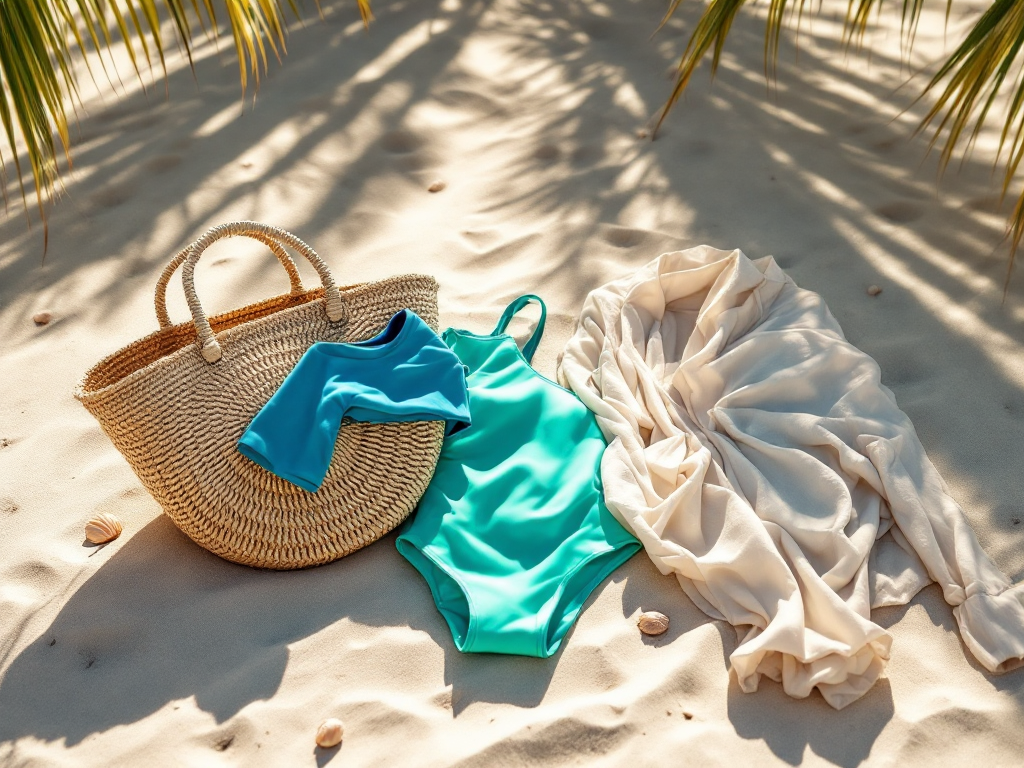
- Rash guards and swim shirts from port shops—cheaper than cruise ship prices, and you'll wear them repeatedly
- Lightweight cover-ups and beach dresses from Caribbean vendors—practical and actually useful
- Quality sunglasses from established retailers in ports (not the kiosk sunglasses that fall apart)
- Reef-safe sunscreen made locally in Caribbean ports—this actually matters for the ocean
- Beach bags made from natural materials (straw, canvas)—last years and look decent
The logic: you'll use these items during your cruise and beyond. They serve a real function rather than sitting on a shelf.
What NOT to Buy (Lessons from 40+ Cruises)
I'm going to save you money and closet space. Don't buy:
- Anything with airbrushed tropical imagery—it looks dated within months
- Cheap replica designer goods from port vendors—quality is awful and it's not even close to real
- Shell jewelry and decorative shells—they're bleached, synthetic, and look plastic-y
- Refrigerator magnets unless you actually collect them (most people don't and won't display them)
- Carved figurines from mass-production shops—these are made in factories, not by local artisans
- Anything "duty-free" that you can get cheaper at home—the markup is real
- Ship-branded anything that you won't wear regularly—be honest about what you'll actually keep
The Photography Exception
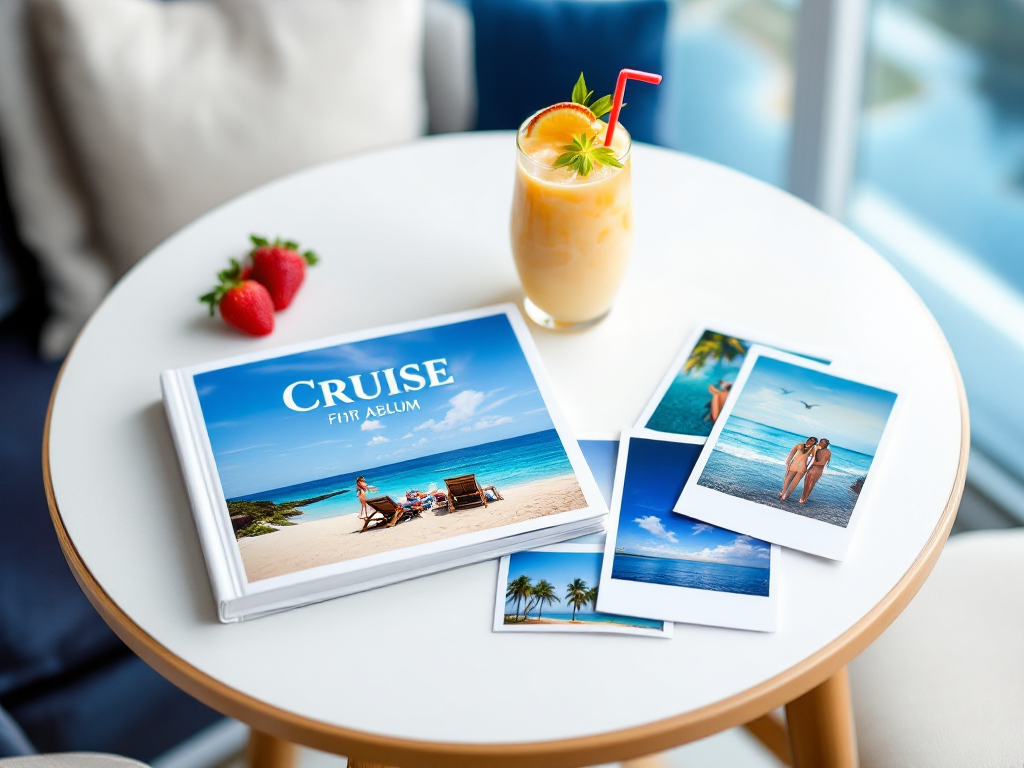
Here's one category that deserves its own mention: printed photos and photo products from your cruise. Most people skip this because they think it's outdated, but printed photos actually hold emotional value.
If your cruise line offers photo packages (Carnival, Royal Caribbean, Disney, Princess all do), consider buying prints or a photo book of candid cabin photos. Yes, it's pricey, but five years from now, you'll open that book and remember specific moments way better than you would scrolling through phone photos.
Share your best cruise photos and souvenir finds in our Cruise Photography forum—we love seeing what people actually bring home and keep.
Smart Shopping Strategy
If you want to actually keep souvenirs you won't regret:
- Shop on the last port day, not the first. You'll have a better sense of what you want and need
- Avoid buying anything on boarding day. The rush and excitement make you buy junk
- Ask locals where THEY shop, not where cruise passengers shop. Two-block rule applies
- Only buy if you can picture it in your home right now. If you have to "think about it," you don't want it
- Check weight and luggage space before buying. That ceramic item looks great until you're hauling it through the airport
- Bring cash to ports. Vendors often negotiate prices down 10-20% for cash, and you can't overspend
The Real Souvenir
After 40+ cruises, my most valuable "souvenirs" aren't things I bought—they're printed photos, handwritten notes from ports, and small functional items I actually use. The best souvenirs tell a story and serve a purpose.
Buy what connects you to the place, not what the shop floor tells you to buy. A $4 jar of local spice you'll cook with for six months beats a $30 t-shirt you'll wear once. Quality artisan goods beat mass-produced tourist items. Functional items beat decorative clutter.
When you're honest about what you'll actually keep, you save money and come home with souvenirs you genuinely treasure.
Ready to plan your next cruise and find amazing ports? Our AI concierge at CruiseVoices can help you book your entire trip—flights, hotels, the cruise itself, and shore excursions to ports where you'll find real souvenirs worth keeping. Plus, join thousands of cruisers in our Cruise Photography forum to share photos from your ports and see what other experienced cruisers have brought home.