

Sofia_Reyes
Moderator
The Real Truth About MDR Food Quality Across Major Cruise Lines
After 40+ cruises, I've sat through enough main dining room dinners to know that not all cruise ship food is created equal. Your MDR experience can genuinely make or break a cruise — and it directly affects your wallet since most people eat there multiple times per week.
Here's what I'm going to do: rank the major cruise lines based on actual main dining room quality, be honest about what works and what doesn't, and give you insider tips so you know exactly what to expect when you book in 2026.
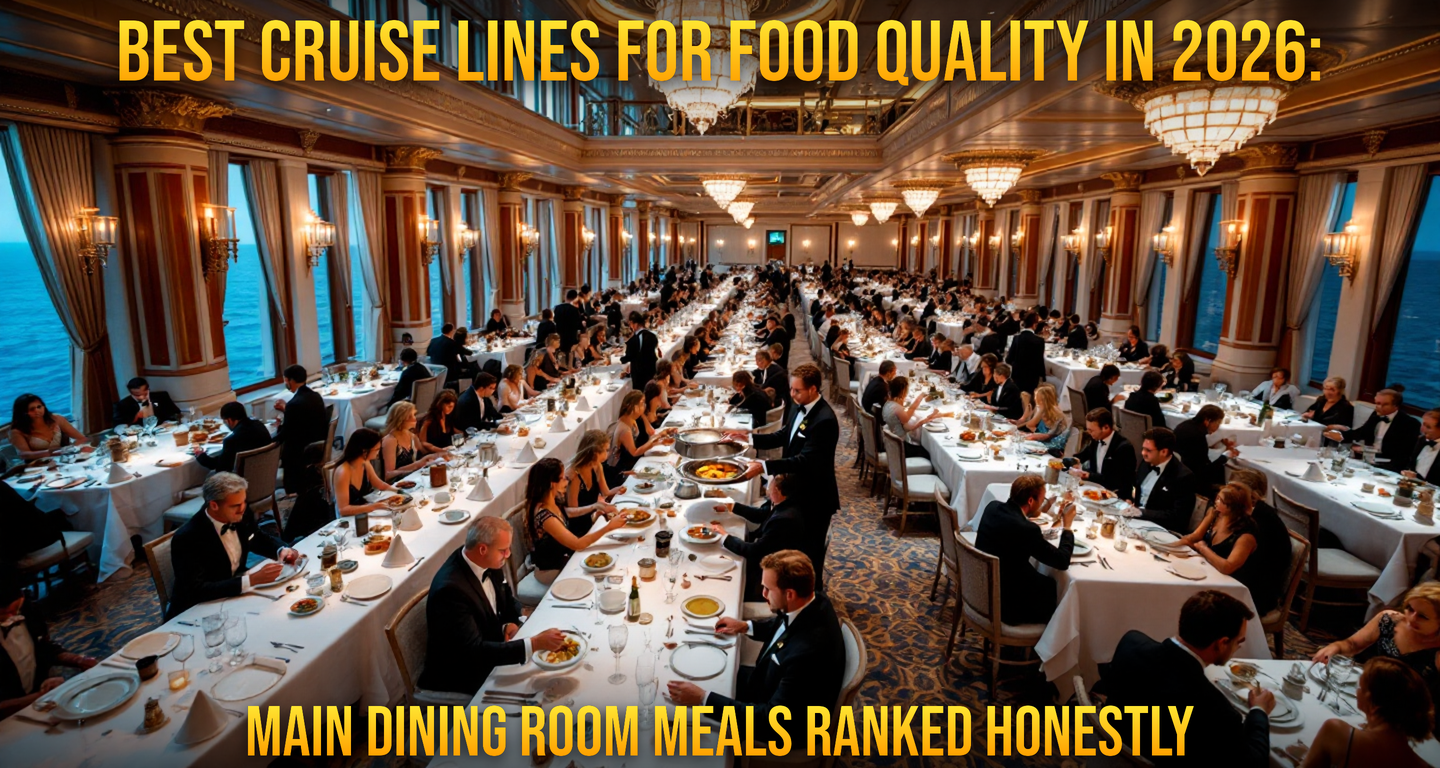
The Rankings: Where Your Food Dollar Actually Goes
1. Cunard — The Gold Standard (If You're Patient)
Cunard takes dining seriously in a way that feels old school in the best sense. On the Queen Mary 2 and Queen Elizabeth, your MDR experience includes proper table service with actual waiters who remember your preferences by night three.
What Works:
- Multi-course plating that looks restaurant-quality — seafood Thermidor actually tastes like seafood, not rubber
- Wine pairings are legitimately curated, not just "red or white?"
- Breakfast and lunch buffets feel intentional rather than thrown together
- Dress codes enforced (formal nights required), which attracts a more invested crowd
The Real Cost: You're paying $1,200-$1,800 per person for a 7-day cruise, and that premium absolutely reflects in the food. Also: formal night every single night isn't for everyone, and neither is the slower pace of service.
Insider Tip: Request a table at the captain's dining level if you're celebrating anything — the same menu appears, but the attention to detail is noticeably higher.
2. Disney Cruise Line — Consistency Over Complexity
Disney's MDR strategy is straightforward: every ship uses the same rotating menu, same prep standards, and same "no kid gets served something weird" philosophy. That consistency matters.
What Works:
- Kids actually enjoy the food (this matters more than you think)
- Protein-forward dishes that aren't pretentious — Pan-Seared Salmon actually tastes fresh
- Vegetarian and allergy protocols are exceptional — Disney doesn't mess around
- Nightly rotations mean you see different cuisine each evening on longer sailings
The Real Cost: Disney cruises run $900-$1,600 per person for 7 days. You're paying for reliability and family-friendly execution, not gastronomic innovation.
What Doesn't Work: If you want adventurous cuisine, you'll be disappointed. The MDR menu plays it extremely safe.
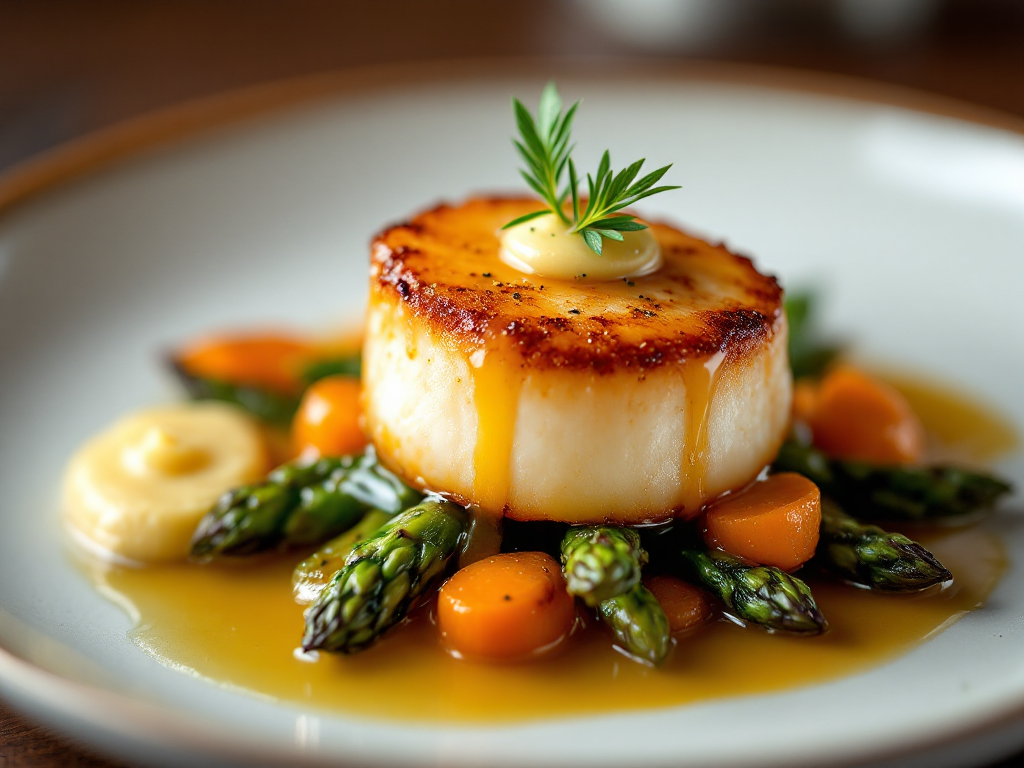
3. Celebrity Cruises — The Surprise Performer
I was honestly skeptical about Celebrity's MDR quality until I sailed the Celebrity Edge and Eclipse in 2026. They've quietly invested in their main dining room programs in ways that rival lines charging 30% more.
What Works:
- Farm-to-table sourcing actually shows up in the plate — you taste the difference
- Dinner entrees include at least two legitimately high-quality proteins per night (not just one good option)
- Service pacing is European-influenced, meaning you're not rushed through courses
- Sommelier-selected wines (not just generic cruise ship fare)
The Real Cost: $700-$1,100 per person for 7 days. You're getting luxury dining at mainstream pricing.
Where It Falls Short: Breakfast buffets are still breakfast buffets — nothing special. And on their newer ships, the MDR feels less intimate because it's so sprawling.
Insider Tip: Book specialty dining for one night (Tuscan Kitchen or Molecular Bar) and the MDR for the rest — you'll get variety without the daily specialty charges.
4. Royal Caribbean — Quantity Wins, Quality Varies
I've sailed the Oasis-class, Harmony-class, and Vision-class ships. Royal Caribbean's MDR experience changes dramatically depending on which ship you're on.
What Works:
- Menu variety is genuinely impressive — multiple entree options every single night
- Newer ships (Icon, Harmony, Oasis) have MDR experiences that feel moderately upscale
- Special dietary accommodations are handled professionally
- The speed of service is efficient without feeling rushed
The Real Cost: $600-$900 per person for 7 days. You're paying for volume and entertainment value, not culinary precision.
The Honest Critique: Food quality depends heavily on the dining staff on your specific sailing. Some nights you'll get beautifully plated fish; other nights it's overcooked. The kitchen is trying to feed 3,000+ people per seating.
Insider Tip: Request a table in the upper level of the MDR on Oasis and Icon-class ships — the kitchen sends better-plated dishes to higher-view sections (yes, this is real).
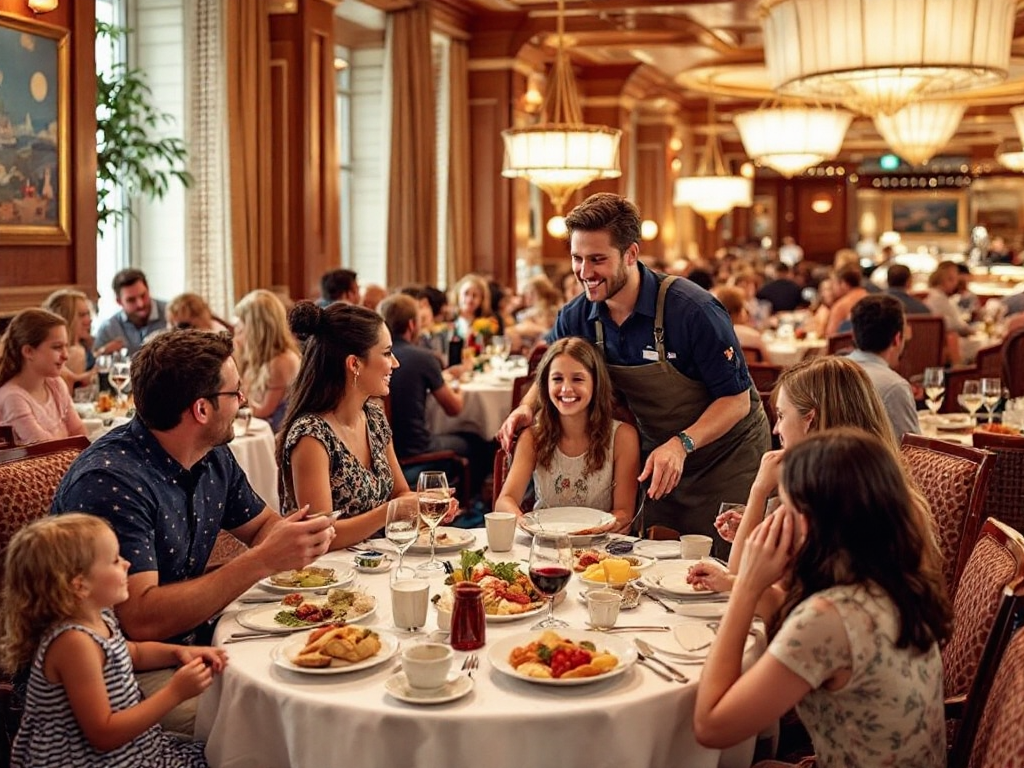
5. Norwegian Cruise Line — Flexibility Over Finesse
Norwegian's "Freestyle Cruising" approach means no assigned dining times or tables, which sounds great until you realize the MDR kitchen is built for efficiency, not excellence.
What Works:
- You can eat at 5 p.m. or 9 p.m. without fuss
- Food is hot and reasonably fresh
- Multiple entree choices mean someone in your party will find something they like
The Real Cost: $550-$800 per person for 7 days. You're paying the least among major lines.
What Doesn't Work: The MDR feels cafeteria-adjacent, especially on Breakaway and Getaway-class ships. Plating is basic, flavors are safe, and seafood tastes like it's been sitting since lunch. I've eaten better at hotel resort buffets.
Insider Tip: Skip the MDR most nights and use the Specialty Dining credit instead. Their Italian and French restaurants (Cagney's, Le Bistro) punch way above the MDR quality.
6. Carnival Cruise Line — You Get What You Pay For
I want to be fair to Carnival because they've invested in their food program over the last few years. But if I'm ranking MDR quality honestly, they're at the bottom of the major lines.
What Works:
- Food is plentiful and you won't go hungry
- Certain nights (usually Seafood Night) have surprisingly good offerings
- Breakfast buffet items rotate seasonally
The Real Cost: $400-$650 per person for 7 days. You're paying the least, and the MDR reflects that.
What Doesn't Work: Entrees are often overcooked or underseasoned. The fish tastes fishy in a bad way. Sauces mask rather than complement. And the dining room experience feels functional rather than enjoyable.
Honest Assessment: I've done three Carnival cruises and the MDR is where I skip most nights. The specialty dining restaurants (Steakhouse, French brasserie) are legitimately good — the MDR is where cost-cutting is most obvious.
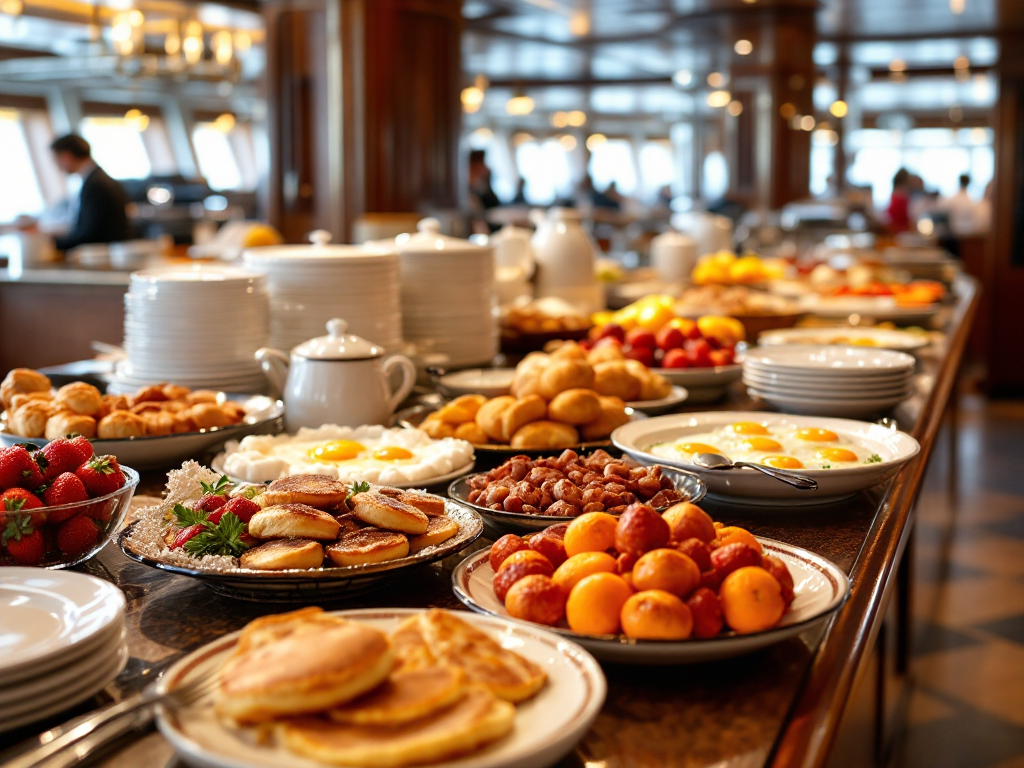
The Categories That Actually Matter
Best for Seafood Quality
Winner: Cunard Queen Mary 2
If seafood is non-negotiable, Cunard's sourcing is noticeably better. The lobster thermidor tastes like actual lobster, not filler. The pan-seared scallops have texture. This matters.
Best for Value-to-Quality Ratio
Winner: Celebrity Cruises
You're getting dinner entrees that would cost $28-$35 at a restaurant, included in your cruise fare. That's the real value play in 2026.
Best for Dietary Accommodations
Winner: Disney Cruise Line
They don't just accommodate — they anticipate. Vegan options are actually good, nut allergies get dedicated prep, and nobody feels like an afterthought.
Best for Adventurous Eaters
Winner: Celebrity Cruises (Edge and newer)
They're the only major line playing with flavor combinations and techniques that feel genuinely modern. Royal Caribbean tries, but Celebrity executes better.
Best Budget Option
Winner: Norwegian Cruise Line
If your entire cruise budget is $600-$700 per person, Norwegian's low pricing means you're not sacrificing as much. Just skip the MDR and use specialty dining credits.
The Practical Takeaway for Booking in 2026
Here's the framework I use when choosing a cruise line:
- If MDR quality matters more than price: Cunard or Celebrity. Full stop.
- If you have kids: Disney. The consistency and accommodation make it worth the premium.
- If you want flexibility: Royal Caribbean on newer ships (Icon, Oasis) or Celebrity. Both have evolved past the "industrial cafeteria" feel.
- If your budget is under $650 per person: Royal Caribbean or Norwegian, but plan to eat specialty restaurants most nights.
- If you want the most bang for buck: Celebrity Cruises in 2026. Seriously.
One More Honest Thing
I know people who've done 50+ cruises and eat in the MDR exactly twice: formal night and one other night. They spend the rest at buffets, casual venues, and specialty restaurants. That's not failure on the cruise line's part — it's realistic. The MDR can't compete with à la carte options when you factor in time and customization.
But when the MDR is good — when your waiter knows your name, when the plate looks intentional, when the fish tastes fresh — that becomes a highlight of your cruise.
That's what you're paying for when you book with a cruise line that cares about dining.
Share your own MDR experiences (good and bad) with other cruisers in the Main Dining & Specialty Restaurants forum — we're building a real database of what's actually worth your time and money in 2026.
Ready to Book a Cruise With Real Food?
Our AI concierge at CruiseVoices can help you compare cruise lines side-by-side, including dining experiences, and book your entire trip — flights, hotels, excursions, the works. No extra costs. Start planning at cruisevoices.com and join other cruise foodies who actually know what they're talking about.