

After sailing multiple back-to-back combinations over the years, I've learned that doubling your cruise time isn't just about booking two cruises—it's about strategic planning that maximizes value while minimizing headaches. Whether you're chasing Mediterranean sunshine or Caribbean island variety, the right back-to-back combination can turn a good vacation into an epic adventure.
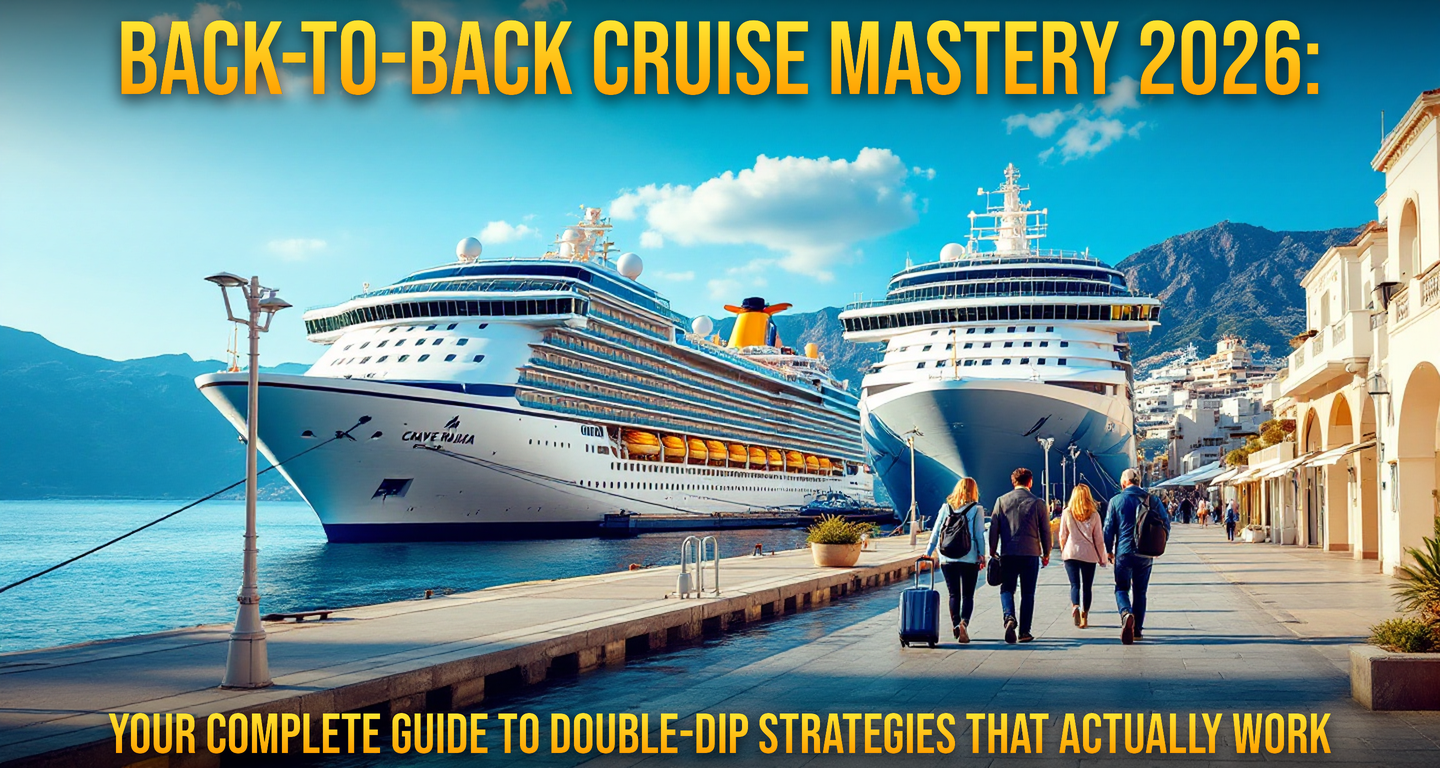
Let's get one thing straight: back-to-back cruising means staying on the same ship for consecutive sailings, not hopping between different vessels. You'll disembark with all other guests on turnaround day, go through customs, then re-board as a "new" passenger for the next sailing.
The Real Deal on Turnaround Day:
You'll typically disembark by 9:30 AM and can't return to your cabin until 1:30-2:00 PM. The ship undergoes deep cleaning, provisioning, and safety inspections during this time. Smart back-to-back cruisers book a shore excursion or explore the port city during these mandatory hours off the ship.
Pricing Reality Check:
Back-to-back cruises rarely offer special discounts. You're booking two separate cruises that happen to be consecutive. However, you save on flights (only need roundtrip from one port) and often get better cabin selection since you can block the same cabin for both weeks.
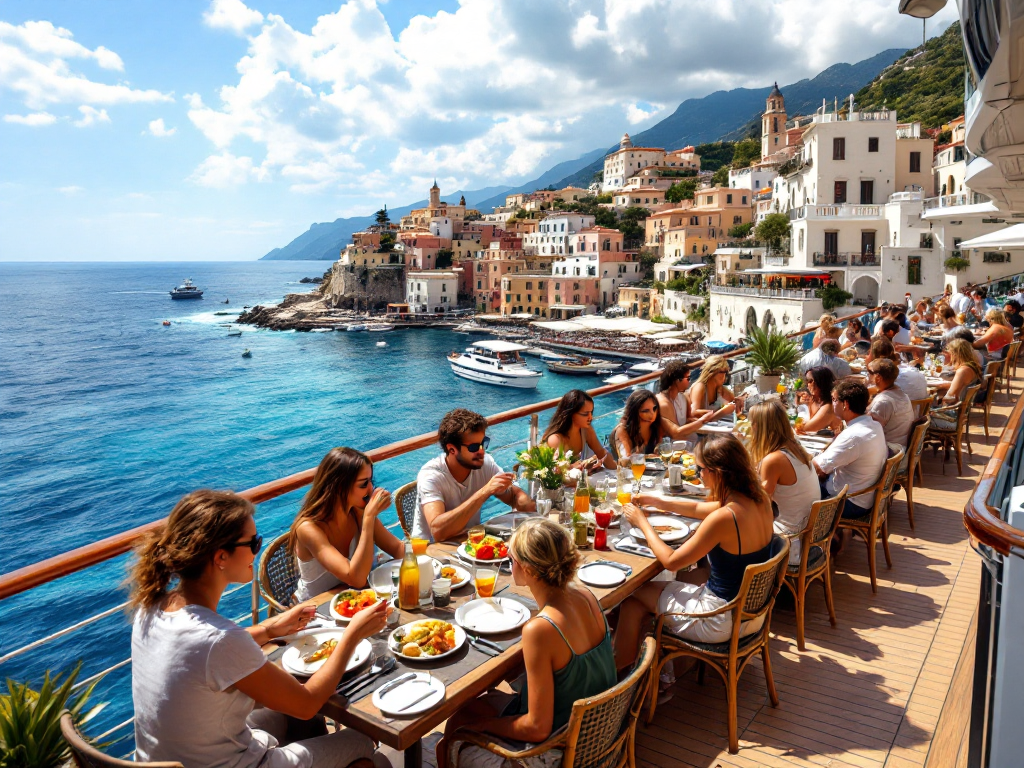
The Mediterranean offers the most rewarding back-to-back combinations, especially during the April through October sailing season. The key is pairing Western and Eastern Med itineraries that complement rather than duplicate each other.
Barcelona to Rome + Rome to Barcelona (14 days total):
This classic combination works brilliantly on ships like MSC Grandiosa or Celebrity Constellation. Your Western Med week hits Barcelona, Marseille, Genoa, and Naples, while the Eastern leg covers Santorini, Mykonos, and Croatia. You'll see entirely different cultures and landscapes without repeating ports.
Insider Tip: Book balcony cabins on the starboard side for the Western Med leg and port side for the Eastern Med. You'll get better coastal views and sunrise/sunset positions.
Norway Fjords + Baltic Capitals (14 days total):
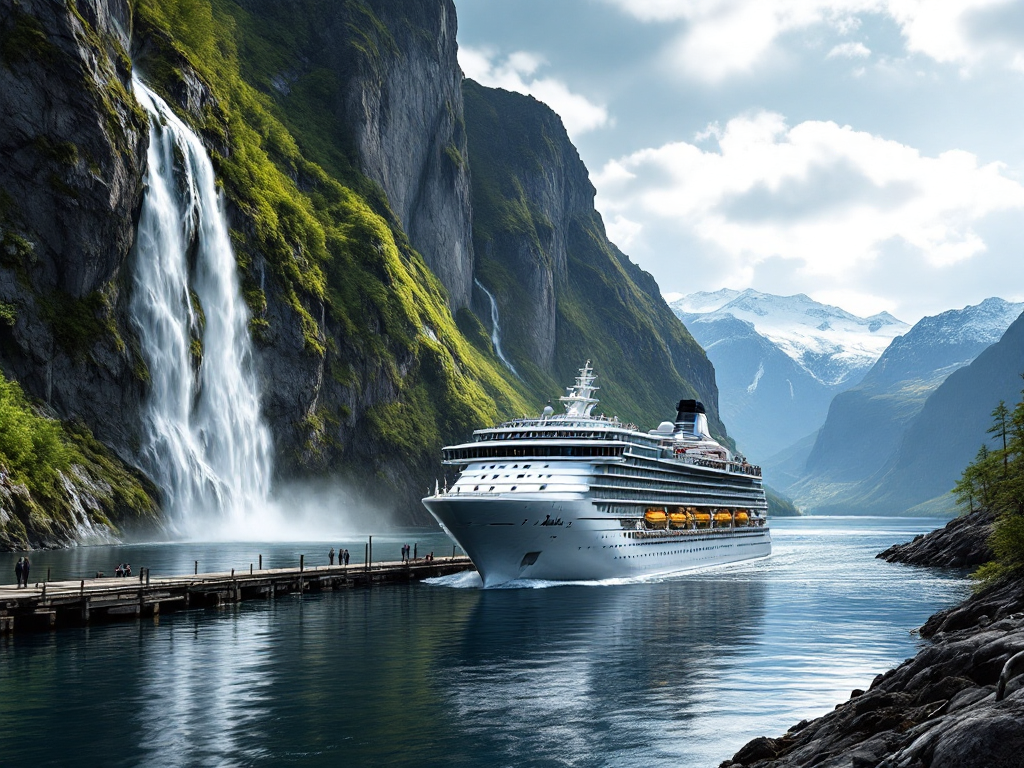
This underrated combination runs May through August on ships like Norwegian Star. The fjords week delivers dramatic waterfalls and glacial scenery, while the Baltic leg showcases Stockholm, Helsinki, and Copenhagen's urban sophistication. It's like experiencing two completely different Europes.
Costs to Consider:
Mediterranean back-to-backs average $2,800-4,200 per person for interior cabins in 2026, plus $800-1,200 for specialty dining and excursions across both weeks. Budget an extra $400 for turnaround day activities in ports like Rome or Barcelona.
Share your Mediterranean back-to-back experiences in our cruise comparison forum where seasoned cruisers discuss the best itinerary pairings!
Caribbean back-to-backs are tempting because of the convenience, but choose your itineraries carefully to avoid island fatigue. The best combinations pair different regions or ship classes for varied experiences.
Eastern + Western Caribbean from Miami:
Icon of the Seas and Wonder of the Seas frequently offer this pairing. Your Eastern week covers St. Thomas, St. Maarten, and Nassau, while the Western leg hits Cozumel, Jamaica, and Grand Cayman. Each region has distinct personalities—Eastern Caribbean feels more European-influenced while Western Caribbean offers better diving and Mayan culture.
Caribbean + Bermuda Combination:
This works exceptionally well from New York in late April through early June. Celebrity Edge often runs 7-day Southern Caribbean followed by 7-day Bermuda itineraries. You'll go from tropical islands to Bermuda's pink sand beaches and British charm—a refreshing contrast that prevents Caribbean burnout.
The Private Island Strategy:
Book back-to-backs that hit different private islands. Royal Caribbean's Western Caribbean hits Perfect Day at CocoCay, while their Eastern Caribbean includes Labadee, Haiti. Norwegian's Eastern Caribbean includes Great Stirrup Cay, while Western itineraries feature Harvest Caye, Belize. You'll experience each cruise line's private island investments without repetition.
Reality Check:
Caribbean back-to-backs can feel repetitive after day 10. Combat this by booking different specialty restaurants, trying new onboard activities you skipped the first week, and varying your shore excursion styles (beach days vs. cultural tours vs. adventure activities).
Alaska back-to-backs require strategic timing because the season is short (May through September) and weather varies dramatically by month.
Inside Passage + Gulf of Alaska Combination:
Norwegian Bliss and Celebrity Solstice often offer this pairing from Seattle. The Inside Passage week focuses on Juneau, Ketchikan, and Skagway's gold rush history, while the Gulf of Alaska leg includes Anchorage, Seward, and Prince William Sound's glacier viewing. You'll see Alaska's cultural and natural sides without overlap.
Repositioning + Traditional Alaska:
This strategy works for late May sailings. Book a 7-day Vancouver to Alaska repositioning cruise followed by a traditional 7-day roundtrip Alaska cruise. The repositioning cruise often costs 40% less while covering unique ports like Victoria, British Columbia, and smaller Alaska towns that roundtrip cruises skip.
June vs. August Considerations:
June offers 18-20 hours of daylight and better wildlife viewing, but weather can be unpredictable. August provides warmer temperatures and calmer seas, but you'll encounter larger crowds and higher prices. For back-to-backs, June offers more dramatic experiences worth the weather gamble.
Transatlantic positioning cruises offer exceptional back-to-back value, especially in April and October when ships move between Caribbean and European routes.
Westbound Transatlantic + Caribbean:
This combination works beautifully in October. You'll sail from Southampton or Barcelona to Florida (often with stops in Portugal or the Azores), then immediately start a Caribbean cruise. Royal Caribbean's Voyager-class ships frequently offer this pairing, and you'll save significantly on airfare while maximizing sea days.
Eastbound Transatlantic + Mediterranean:
The April version starts with a Florida to European transatlantic (usually hitting the Azores and Portugal), followed immediately by a Mediterranean cruise. You'll spend 14 days exploring without jet lag, and eastbound transatlantic cruises often cost 50% less than regular itineraries.
The Sea Day Advantage:
Transatlantic legs include 5-7 consecutive sea days, perfect for trying every restaurant, attending all the shows, and actually relaxing. By the time you start your second cruise, you'll know the ship intimately and can focus entirely on port exploration.
The Cabin Booking Game:
Book the same cabin for both cruises when possible. Most cruise lines allow this, and you can leave some belongings in your cabin during turnaround day (though not valuables or medications). You'll also know exactly which cabin quirks to expect—like bathroom door swing patterns or balcony wind directions.
Laundry Strategy:
Do laundry on day 6 of your first cruise. You'll have fresh clothes for week two without overpacking. Self-service laundry costs $3-4 per load on most ships, while full-service laundry runs $15-25 per load but saves time.
Specialty Dining Timing:
Try different specialty restaurants each week, or book the same restaurant twice to compare menus (they often rotate dishes). Specialty dining packages often don't carry over between cruises, so plan accordingly.
Shore Excursion Balance:
Book active excursions during week one when you're fresh, and choose more relaxed cultural tours for week two. Your energy levels will appreciate this pacing, especially on longer combinations.
Gratuity Management:
You'll pay gratuities for each cruise separately. Budget $28-35 per person per cruise for standard staterooms, or $35-42 per person for suites. Some cruisers prepay gratuities for both cruises during initial booking to avoid surprises.
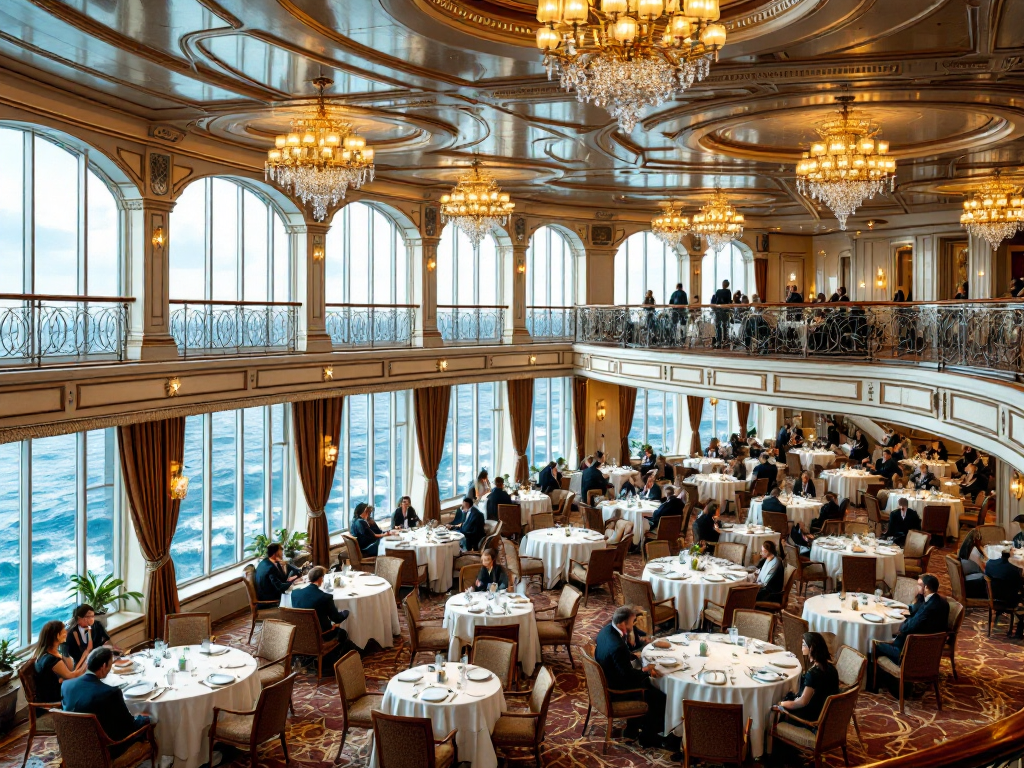
Back-to-back cruises involve expenses beyond the cruise fares that can surprise first-timers.
Turnaround Day Expenses:
Budget $100-200 per person for turnaround day activities. This includes meals (ship dining is closed), transportation if exploring the port city, and entertainment during your mandatory 4-5 hours off the ship.
Double Photography Packages:
Photo packages don't carry over between cruises. If you want professional photos from both weeks, you'll pay twice—typically $200-400 total depending on the package level.
Internet Multiply Effect:
WiFi packages also reset between cruises. A streaming package that costs $89 for one cruise becomes $178 for back-to-back sailing. Consider lower-tier packages or use port WiFi during turnaround day.
Beverage Package Reality:
Beverage packages must be purchased for each cruise separately. However, some cruise lines offer slight discounts for purchasing both simultaneously during initial booking. Norwegian and Royal Caribbean sometimes provide 5-10% discounts for back-to-back beverage packages.
Back-to-back cruises work best for experienced cruisers who love sea days and want to truly explore a region without flight logistics. They're ideal for retirees with flexible schedules, couples celebrating major anniversaries, or anyone who finds 7-day cruises too short.
They're not ideal for first-time cruisers (who should try one week first), families with young children (who may get restless), or travelers who prefer varied accommodations and frequent destination changes.
The sweet spot for back-to-back cruising is April through June and September through October—shoulder seasons with better pricing, fewer crowds, and excellent weather in most regions.
Ready to plan your back-to-back adventure? Join fellow double-cruise enthusiasts in our cruise comparison forum where members share real experiences, cost breakdowns, and insider tips for maximizing your extended cruise vacation!
The Back-to-Back Basics: What You Need to Know First
Let's get one thing straight: back-to-back cruising means staying on the same ship for consecutive sailings, not hopping between different vessels. You'll disembark with all other guests on turnaround day, go through customs, then re-board as a "new" passenger for the next sailing.
The Real Deal on Turnaround Day:
You'll typically disembark by 9:30 AM and can't return to your cabin until 1:30-2:00 PM. The ship undergoes deep cleaning, provisioning, and safety inspections during this time. Smart back-to-back cruisers book a shore excursion or explore the port city during these mandatory hours off the ship.
Pricing Reality Check:
Back-to-back cruises rarely offer special discounts. You're booking two separate cruises that happen to be consecutive. However, you save on flights (only need roundtrip from one port) and often get better cabin selection since you can block the same cabin for both weeks.
Mediterranean Double-Headers: The Crown Jewel of Back-to-Backs
The Mediterranean offers the most rewarding back-to-back combinations, especially during the April through October sailing season. The key is pairing Western and Eastern Med itineraries that complement rather than duplicate each other.
Barcelona to Rome + Rome to Barcelona (14 days total):
This classic combination works brilliantly on ships like MSC Grandiosa or Celebrity Constellation. Your Western Med week hits Barcelona, Marseille, Genoa, and Naples, while the Eastern leg covers Santorini, Mykonos, and Croatia. You'll see entirely different cultures and landscapes without repeating ports.
Insider Tip: Book balcony cabins on the starboard side for the Western Med leg and port side for the Eastern Med. You'll get better coastal views and sunrise/sunset positions.
Norway Fjords + Baltic Capitals (14 days total):
This underrated combination runs May through August on ships like Norwegian Star. The fjords week delivers dramatic waterfalls and glacial scenery, while the Baltic leg showcases Stockholm, Helsinki, and Copenhagen's urban sophistication. It's like experiencing two completely different Europes.
Costs to Consider:
Mediterranean back-to-backs average $2,800-4,200 per person for interior cabins in 2026, plus $800-1,200 for specialty dining and excursions across both weeks. Budget an extra $400 for turnaround day activities in ports like Rome or Barcelona.
Share your Mediterranean back-to-back experiences in our cruise comparison forum where seasoned cruisers discuss the best itinerary pairings!
Caribbean Combinations That Actually Make Sense
Caribbean back-to-backs are tempting because of the convenience, but choose your itineraries carefully to avoid island fatigue. The best combinations pair different regions or ship classes for varied experiences.
Eastern + Western Caribbean from Miami:
Icon of the Seas and Wonder of the Seas frequently offer this pairing. Your Eastern week covers St. Thomas, St. Maarten, and Nassau, while the Western leg hits Cozumel, Jamaica, and Grand Cayman. Each region has distinct personalities—Eastern Caribbean feels more European-influenced while Western Caribbean offers better diving and Mayan culture.
Caribbean + Bermuda Combination:
This works exceptionally well from New York in late April through early June. Celebrity Edge often runs 7-day Southern Caribbean followed by 7-day Bermuda itineraries. You'll go from tropical islands to Bermuda's pink sand beaches and British charm—a refreshing contrast that prevents Caribbean burnout.
The Private Island Strategy:
Book back-to-backs that hit different private islands. Royal Caribbean's Western Caribbean hits Perfect Day at CocoCay, while their Eastern Caribbean includes Labadee, Haiti. Norwegian's Eastern Caribbean includes Great Stirrup Cay, while Western itineraries feature Harvest Caye, Belize. You'll experience each cruise line's private island investments without repetition.
Reality Check:
Caribbean back-to-backs can feel repetitive after day 10. Combat this by booking different specialty restaurants, trying new onboard activities you skipped the first week, and varying your shore excursion styles (beach days vs. cultural tours vs. adventure activities).
Alaska Back-to-Back Secrets: Timing Is Everything
Alaska back-to-backs require strategic timing because the season is short (May through September) and weather varies dramatically by month.
Inside Passage + Gulf of Alaska Combination:
Norwegian Bliss and Celebrity Solstice often offer this pairing from Seattle. The Inside Passage week focuses on Juneau, Ketchikan, and Skagway's gold rush history, while the Gulf of Alaska leg includes Anchorage, Seward, and Prince William Sound's glacier viewing. You'll see Alaska's cultural and natural sides without overlap.
Repositioning + Traditional Alaska:
This strategy works for late May sailings. Book a 7-day Vancouver to Alaska repositioning cruise followed by a traditional 7-day roundtrip Alaska cruise. The repositioning cruise often costs 40% less while covering unique ports like Victoria, British Columbia, and smaller Alaska towns that roundtrip cruises skip.
June vs. August Considerations:
June offers 18-20 hours of daylight and better wildlife viewing, but weather can be unpredictable. August provides warmer temperatures and calmer seas, but you'll encounter larger crowds and higher prices. For back-to-backs, June offers more dramatic experiences worth the weather gamble.
Transatlantic Positioning: The Ultimate Back-to-Back Value
Transatlantic positioning cruises offer exceptional back-to-back value, especially in April and October when ships move between Caribbean and European routes.
Westbound Transatlantic + Caribbean:
This combination works beautifully in October. You'll sail from Southampton or Barcelona to Florida (often with stops in Portugal or the Azores), then immediately start a Caribbean cruise. Royal Caribbean's Voyager-class ships frequently offer this pairing, and you'll save significantly on airfare while maximizing sea days.
Eastbound Transatlantic + Mediterranean:
The April version starts with a Florida to European transatlantic (usually hitting the Azores and Portugal), followed immediately by a Mediterranean cruise. You'll spend 14 days exploring without jet lag, and eastbound transatlantic cruises often cost 50% less than regular itineraries.
The Sea Day Advantage:
Transatlantic legs include 5-7 consecutive sea days, perfect for trying every restaurant, attending all the shows, and actually relaxing. By the time you start your second cruise, you'll know the ship intimately and can focus entirely on port exploration.
Practical Strategies That Seasoned Back-to-Back Cruisers Swear By
The Cabin Booking Game:
Book the same cabin for both cruises when possible. Most cruise lines allow this, and you can leave some belongings in your cabin during turnaround day (though not valuables or medications). You'll also know exactly which cabin quirks to expect—like bathroom door swing patterns or balcony wind directions.
Laundry Strategy:
Do laundry on day 6 of your first cruise. You'll have fresh clothes for week two without overpacking. Self-service laundry costs $3-4 per load on most ships, while full-service laundry runs $15-25 per load but saves time.
Specialty Dining Timing:
Try different specialty restaurants each week, or book the same restaurant twice to compare menus (they often rotate dishes). Specialty dining packages often don't carry over between cruises, so plan accordingly.
Shore Excursion Balance:
Book active excursions during week one when you're fresh, and choose more relaxed cultural tours for week two. Your energy levels will appreciate this pacing, especially on longer combinations.
Gratuity Management:
You'll pay gratuities for each cruise separately. Budget $28-35 per person per cruise for standard staterooms, or $35-42 per person for suites. Some cruisers prepay gratuities for both cruises during initial booking to avoid surprises.
The Hidden Costs Nobody Warns You About
Back-to-back cruises involve expenses beyond the cruise fares that can surprise first-timers.
Turnaround Day Expenses:
Budget $100-200 per person for turnaround day activities. This includes meals (ship dining is closed), transportation if exploring the port city, and entertainment during your mandatory 4-5 hours off the ship.
Double Photography Packages:
Photo packages don't carry over between cruises. If you want professional photos from both weeks, you'll pay twice—typically $200-400 total depending on the package level.
Internet Multiply Effect:
WiFi packages also reset between cruises. A streaming package that costs $89 for one cruise becomes $178 for back-to-back sailing. Consider lower-tier packages or use port WiFi during turnaround day.
Beverage Package Reality:
Beverage packages must be purchased for each cruise separately. However, some cruise lines offer slight discounts for purchasing both simultaneously during initial booking. Norwegian and Royal Caribbean sometimes provide 5-10% discounts for back-to-back beverage packages.
Making Your Back-to-Back Decision
Back-to-back cruises work best for experienced cruisers who love sea days and want to truly explore a region without flight logistics. They're ideal for retirees with flexible schedules, couples celebrating major anniversaries, or anyone who finds 7-day cruises too short.
They're not ideal for first-time cruisers (who should try one week first), families with young children (who may get restless), or travelers who prefer varied accommodations and frequent destination changes.
The sweet spot for back-to-back cruising is April through June and September through October—shoulder seasons with better pricing, fewer crowds, and excellent weather in most regions.
Ready to plan your back-to-back adventure? Join fellow double-cruise enthusiasts in our cruise comparison forum where members share real experiences, cost breakdowns, and insider tips for maximizing your extended cruise vacation!