

Jake_Harmon
Moderator
Why Alaska Packing Is Completely Different From Caribbean Cruises
I've packed for 40+ cruises, and I can tell you with absolute certainty: Alaska packing is in a league of its own. You're not heading to the Caribbean where you can throw swim clothes and sundresses into a carry-on and call it a day. Alaska demands respect—and a smarter packing strategy.
The thing about Alaska cruising in 2026 is that the weather doesn't care about your itinerary. You could sail inside the Inside Passage in July (peak season) and still encounter rain, fog, and temperatures that dip to the 40s. I've been on seven Alaska cruises, and I've learned that what you pack directly determines whether you enjoy yourself or spend the entire trip shivering in your cabin.
The Layering Foundation: Your Best Friend in Alaska
Forget the rule about "one outfit per day" that works on Caribbean cruises. In Alaska, you're layering, and you need to own that strategy completely.
Start with moisture-wicking base layers. This is non-negotiable. Cotton absorbs sweat and rain and then keeps it against your skin—exactly what you don't want. Pack at least three merino wool or synthetic base layer shirts (long-sleeved). Merino wool is genuinely worth the investment because it regulates temperature, doesn't smell, and dries faster than synthetic alternatives. Brands like SmartWool, Icebreaker, or even affordable options from REI will serve you well.
On top of those base layers, you need insulating layers. This is where fleece or wool sweaters come in. I pack two medium-weight fleece jackets because you'll wear them constantly—sometimes one under your rain jacket, sometimes solo in the cabin if the ship's AC runs cold (it always does). A wool sweater works too, but fleece packs smaller and dries faster.
The final layer is your waterproof, windproof rain jacket. This is the single most important piece in your Alaska bag. Not a "water-resistant" jacket—actual waterproof. You'll wear this thing on deck during glacier viewings, scenic cruising through the Inside Passage, and shore excursions. Invest in something with sealed seams and a quality hood. You'll wear it probably 30–40% of your cruise.
Pack these layers in this order for every day:
- Base layer (moisture-wicking)
- Mid-layer (fleece or wool)
- Rain jacket (on deck and for excursions)
This three-layer system keeps you warm and dry without feeling bulky in your cabin.

Rain Gear: Go Bigger Than You Think
Rain gear isn't just your jacket. You need backup, redundancy, and options.
Rain jackets: Pack two. If one gets soaked during a kayaking excursion in Misty Fjords, you'll have a dry backup. I learned this the hard way on my third Alaska cruise when I got caught in unexpected heavy rain during a whale-watching tour and my only jacket was damp for the next two days.
Rain pants: Yes, really. Pack at least one pair of waterproof pants. When you're standing on the bow of the ship for hours watching glaciers, or hiking in Ketchikan, wet legs are miserable. Full waterproof pants prevent water from running down into your hiking boots.
Waterproof bag or dry sack: Your cabin won't always be close to the action. Pack a small waterproof bag (roughly 10–15 liters) for excursions. Keep your phone, camera, and cabin key dry when you're out exploring.
Hat and gloves: Even in July, windchill on deck is real. Pack a waterproof hat with a brim (baseball cap style) and two pairs of gloves—one waterproof for excursions, one wool or fleece for casual wear. Wet hands on a glacier are dangerous.
Footwear Strategy: The Right Shoes Make or Break Your Trip
I've seen cruisers wearing flip-flops and sandals in Alaska. I've also seen them hobbling back to the ship because their feet are cold and soaked. Learn from their mistakes.
Waterproof hiking boots are essential. Not optional. If you're booking any shore excursion that involves walking (and in Alaska, most do), you need proper hiking boots with waterproof liners. Something like Merrell, Salomon, or even budget REI brands work fine. You should own these before your cruise—don't buy them the day before and expect comfort.
Pack two pairs of hiking boots if you're taking multiple excursions. One pair can air-dry in your cabin while you wear the other.
Indoor casual shoes: Pack slip-on shoes or sneakers for the ship. Rain boots or waterproof sneakers work. Avoid sandals unless you're prepared for cold feet—cabin corridors can feel chilly, and you'll regret exposed toes.
Wool socks: Pack at least six pairs of merino wool socks. Wool keeps feet warm even when damp, unlike cotton. You'll change socks multiple times daily if you're active on excursions.
What Casual Clothing Actually Looks Like in Alaska
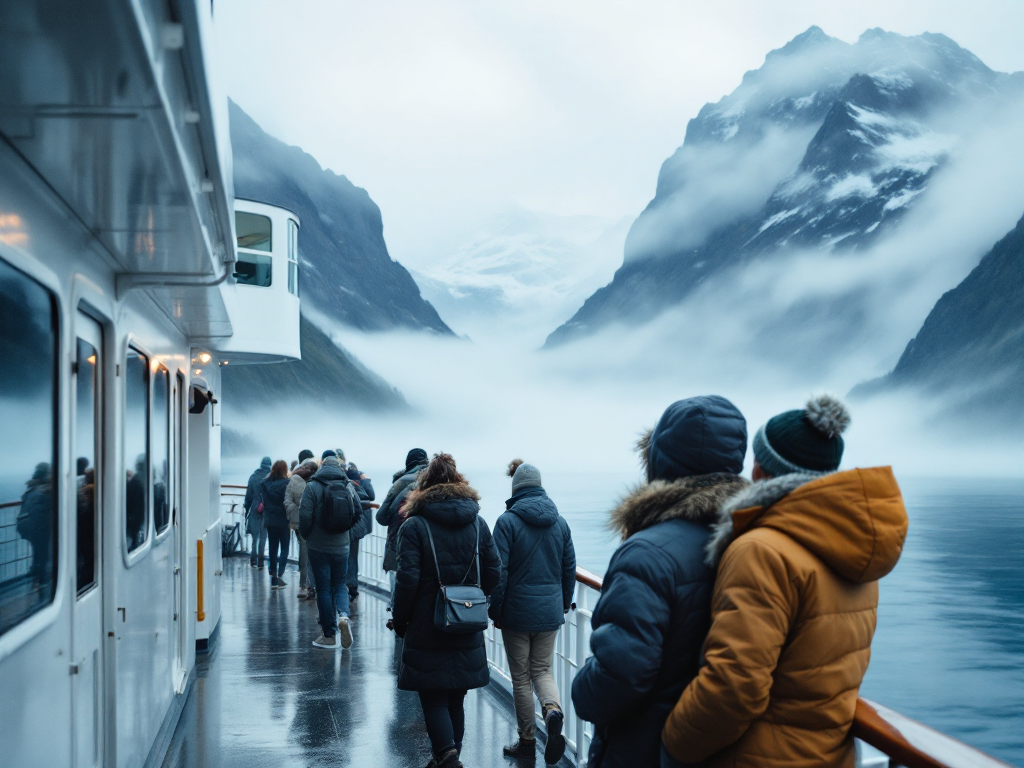
This surprised me on my first Alaska cruise: you don't need a huge wardrobe. The same layers work every day. You're not dressing up for dinner (formal dress codes are relaxed on most Alaska itineraries), and you're definitely not rotating through a closet full of outfits.
Pack five to seven days of clothing even for a seven-day cruise. Yes, really. You can repeat outfits and do laundry if the ship offers it (most do, though sometimes at a cost).
For casual wear:
- 3–4 long-sleeved shirts (thermal, merino wool, or synthetic blend)
- 2–3 pairs of long pants or leggings (avoid denim—it doesn't dry well)
- 1–2 pairs of shorts for cabin wear (you won't wear them outside)
- 2 pairs of jeans (optional, and honestly, I skip them on Alaska cruises)
For dinner: Most Alaska itineraries skip formal nights entirely. Pack one or two dressier outfits if your specific cruise line and itinerary require them (check your cruise documents). A sweater with nice pants works fine. You don't need evening gowns or tuxedos for Alaska cruising.
Toiletries, Medications & Cabin Essentials
Alaska cruising means unpredictable sea conditions. Seasickness is real, and you want to be prepared.
- Sea sickness medication: Pack this even if you've never gotten seasick. Alaska's Inside Passage can get rough. I use non-drowsy options, but everyone's different. Talk to your doctor before your cruise.
- Sunscreen: The sun reflects off glaciers and water intensely. Pack SPF 50 and reapply constantly. I've seen cruisers with shocking sunburns in late June.
- Moisturizer: Alaska's climate is dry, and ship cabins have low humidity. Pack a good moisturizer—your skin will thank you.
- Lip balm with SPF: Essential for glacier viewings and outdoor excursions.
- First-aid basics: Blister treatment, pain relievers, and allergy medication. Ship medical centers exist but charge significant fees for routine care.
Bring full-size versions of regular toiletries if you use specific brands. Most ships have basic shampoo and soap, but if you have sensitive skin or preferred products, pack what you know works.
Camera Equipment & Binoculars (the Overlooked Essentials)
Alaska is genuinely one of the most photogenic cruise destinations on Earth. Glacier Bay, the Inside Passage, whale sightings—you'll regret not having proper gear.
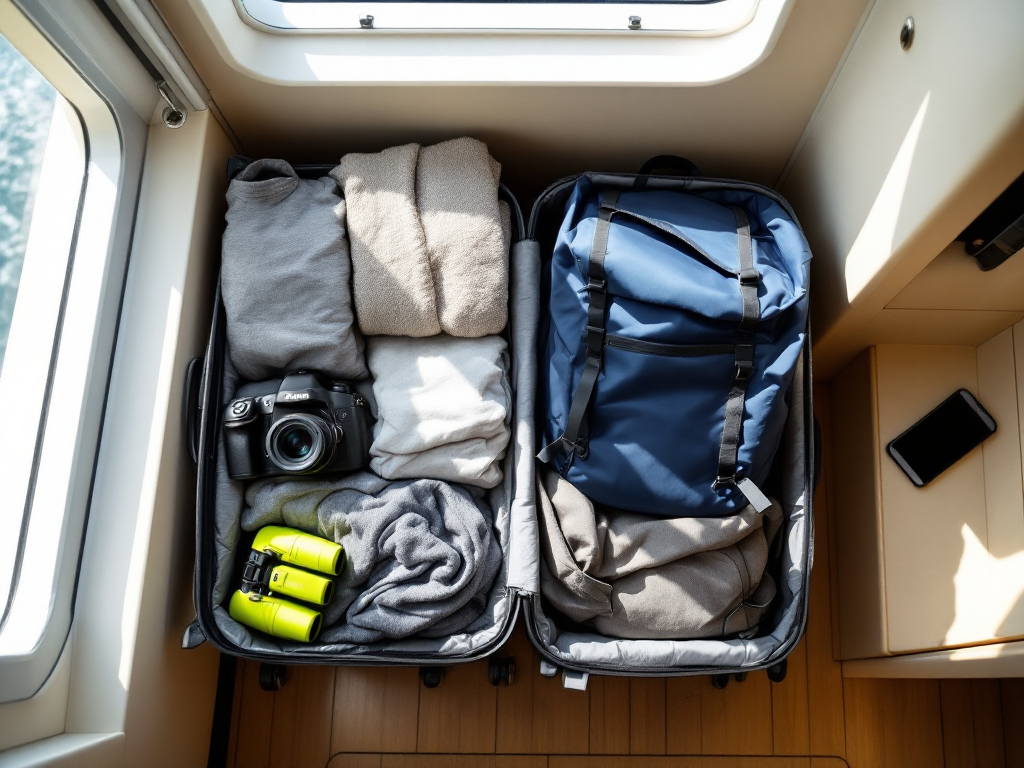
Bring a quality camera with a zoom lens. Your phone camera simply won't capture distant whales or glacier details. A basic DSLR or mirrorless camera with a telephoto lens (at least 200mm) transforms your photos. If that's not your style, a compact camera with optical zoom works fine.
Pack extra batteries. Cold weather drains battery life faster than you'd expect. Bring at least three sets of batteries for your camera, and keep backups in your cabin (not on deck) where they'll stay warmer.
Binoculars are essential—not optional. Most people watch whales and bears from the ship without binoculars and miss incredible details. Pack compact binoculars (8x32 or 10x32 magnification). You'll use them constantly during scenic cruising.
Waterproof camera case: If you're doing water-based excursions (kayaking, small boat tours), a waterproof bag protects expensive gear.
The Items Cruisers Always Forget (But Shouldn't)
After 40+ cruises, I've developed a mental list of things people pack too late or not at all:
- Deck chair cushion or towel: Most ships don't provide these, and ship towels are thin. Bringing a lightweight cushion or extra towel makes sitting on deck for hours infinitely more comfortable.
- Reusable water bottle: Most ships fill water bottles for free, and staying hydrated matters in Alaska's active environment. Pack an empty bottle and fill it after security.
- Lightweight backpack or day pack: You'll take shore excursions with gear. A 15–20 liter backpack is perfect for carrying rain jacket, water bottle, camera, and snacks.
- Compression sacks: These reduce packed clothing volume dramatically. Pack layers in compression bags, and you'll have space for unexpected purchases or souvenirs.
- Seasickness bands or patches: If you're prone to motion sickness, pack these before your cruise. They're cheaper and easier than dealing with nausea mid-voyage.
- Earplugs and white noise app: Ship cabins can be surprisingly noisy (engine sounds, hallway traffic, ice breaking if you're near Glacier Bay). Earplugs are essential.
- Cabin-safe (if yours doesn't have one): Most modern ships provide in-cabin safes, but checking your specific ship matters. If it doesn't, pack a portable safe or keep valuables in your checked luggage.

Weight & Luggage Limits: Pack Smart
Cruise lines typically allow two checked bags per person at standard weight limits (usually 50 lbs each). Alaska cruising demands more gear than Caribbean cruising, but you can still manage efficiently.
Use compression bags to maximize luggage space. One checked bag, properly organized with compression sacks, can hold two weeks of layered clothing. Pack heavier items (boots, rain jackets) on the bottom, lighter items (t-shirts, underwear) on top.
Pack a carry-on with essentials: Include one full outfit, medications, glasses/contacts, and valuable items. If your luggage gets delayed (it happens), you have backup clothing for at least one day.
Seasonal Differences: May vs. August
Alaska's cruise season runs May through September. Packing varies slightly by month:
May and early June: These are the coldest months. Temperatures average 45–55°F. Pack three fleece layers instead of two. Bring thermal underwear as a base. Glaciers are at peak calving season, and you'll see massive ice chunks break off—incredible for photography but also sign that the weather is unstable.
July and August: Warmest months, 55–65°F on average. You can reduce fleece layers slightly, but rain gear remains essential. Bugs (mosquitoes) are present, especially near Juneau and Ketchikan. Pack insect repellent if bugs bother you.
September: Weather turns unpredictable. Pack as if it's May—temperatures drop, rain increases, and crowds diminish. Fewer tourists also mean better wildlife viewing and fewer people competing for shore excursions.
What NOT to Pack (or Pack Less Of)
Cruisers often overpack these items in Alaska:
- Formal clothes: Most Alaska itineraries skip formal night entirely. One dressier outfit is enough.
- Flip-flops and sandals: You won't wear them outside. Space better used for socks and warm layers.
- Tank tops and sleeveless shirts: Even in July, you'll rarely wear them outside your cabin.
- Shorts: Pack one pair maximum for cabin lounging. You won't wear them on deck or ashore.
- Denim: It absorbs water, dries slowly, and takes up luggage space. Avoid it entirely if possible.
Final Checklist: Don't Leave Port Without These
Before you board, verify you have:
- Three base layers (long-sleeved, moisture-wicking)
- Two to three fleece or wool insulating layers
- Two waterproof rain jackets
- Waterproof rain pants
- Waterproof hiking boots (broken in before cruise)
- Six pairs of merino wool socks (minimum)
- Waterproof hat and two pairs of gloves
- Long pants or leggings (at least three pairs)
- Long-sleeved shirts (at least three)
- Camera with telephoto lens and extra batteries
- Binoculars
- Seasickness medication
- Sunscreen SPF 50
- Lightweight day pack or backpack
- Earplugs
- Compression bags for packing efficiency
Pro Tips From 40+ Alaska Cruises
Tip 1: Do laundry mid-cruise. Most ships offer laundry services (usually $2–5 per load). Send items to be pressed on day two, then you can repeat outfit combinations guilt-free.
Tip 2: Embrace repeat outfits. Wear your favorite base layer + fleece + rain jacket combination four days in a row if it works. Nobody's tracking your wardrobe on a cruise ship.
Tip 3: Use your cabin balcony for air-drying. Hang damp items on your balcony railing overnight (if you have a balcony). Fresh Alaska air dries clothes faster than ship laundry.
Tip 4: Visit local shops in ports. Juneau, Ketchikan, and Sitka have excellent outdoor retailers. If you realize mid-cruise you need something (heavier gloves, better sunscreen), you can purchase locally.
Tip 5: Invest in your hiking boots before departure. Wearing new boots on your first excursion is a recipe for blisters. Break them in at least a dozen times before your cruise.
Join our Alaska Ports forum and share what you packed for your Alaska adventure! Every cruiser's packing strategy is slightly different, and hearing from fellow passengers about their must-haves and regrets helps future cruisers pack smarter.