

Jake_Harmon
Moderator
Why Cruising Can Be Perfect for Passengers with Mobility Issues
Let me be straight with you: I've sailed with passengers who use wheelchairs, walkers, and mobility aids—and cruise ships are genuinely one of the most accessible vacation experiences available. Why? Because everything you need is contained in one floating location. You're not navigating unfamiliar cities, wrestling with broken elevators in European hotels, or managing long airport terminals multiple times. Once you're aboard, the ship comes to you.
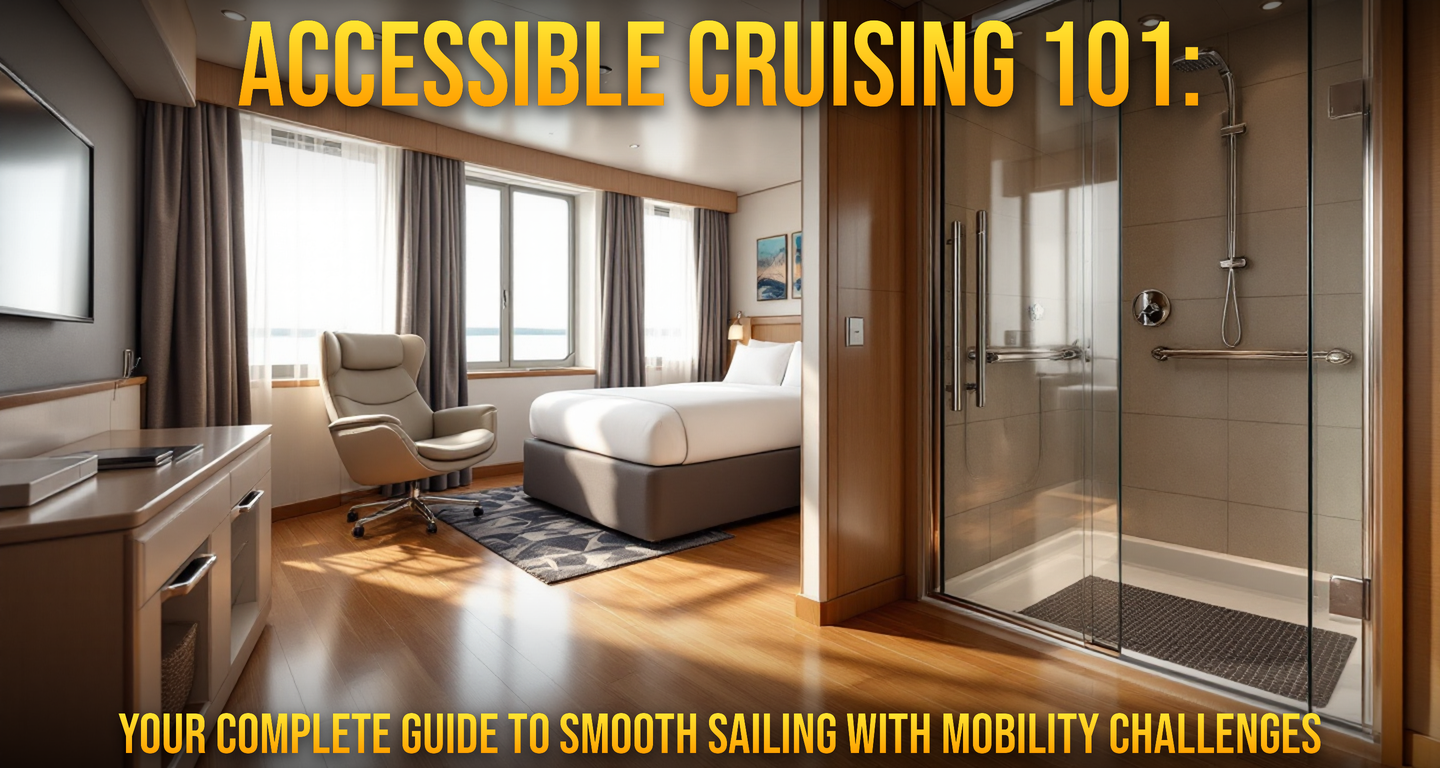
That said, "accessible" doesn't mean problem-free. I've also seen cruisers frustrated by narrow cabin corridors, inaccessible excursion options, and crew members who didn't understand accessibility needs. The difference between a fantastic cruise and a stressful one often comes down to preparation—knowing what to expect and how to advocate for yourself before you sail.
Over 40+ cruises, I've picked up insider knowledge that makes a real difference. Let me walk you through everything you need to know.
Choosing the Right Ship and Cabin
Not all ships are created equal when it comes to accessibility. Modern mega-ships (built in the last 10-15 years) tend to have more spacious accessible cabins and wider corridors than older vessels. If you're booking in 2026, look at ships from Royal Caribbean's Oasis, Icon, and Wonder classes—these have genuinely roomy accessible staterooms.
What to Look For When Booking:
- Accessible cabin location matters. Request cabins near elevators, but NOT directly next to them—elevator machinery creates vibration and noise all night. Mid-ship cabins near elevators are the sweet spot.
- Know your cabin type code. When you contact our AI concierge or use the Trip Planner at cruisevoices.com, ask specifically for interior accessible cabins (usually codes like IA, WC, or AC depending on the cruise line). Don't settle for a standard cabin "upgraded" to accessible—these are often cramped retrofits.
- Request a roll-in shower, not a tub conversion. Many older ships have bathtubs with grab bars instead of true roll-in showers. Confirm in writing before booking.
- Cabin size varies wildly. Royal Caribbean accessible cabins (especially on Oasis-class) are genuinely spacious—around 300+ square feet. Disney and Princess accessible cabins are smaller but still functional. Carnival's vary by ship class.
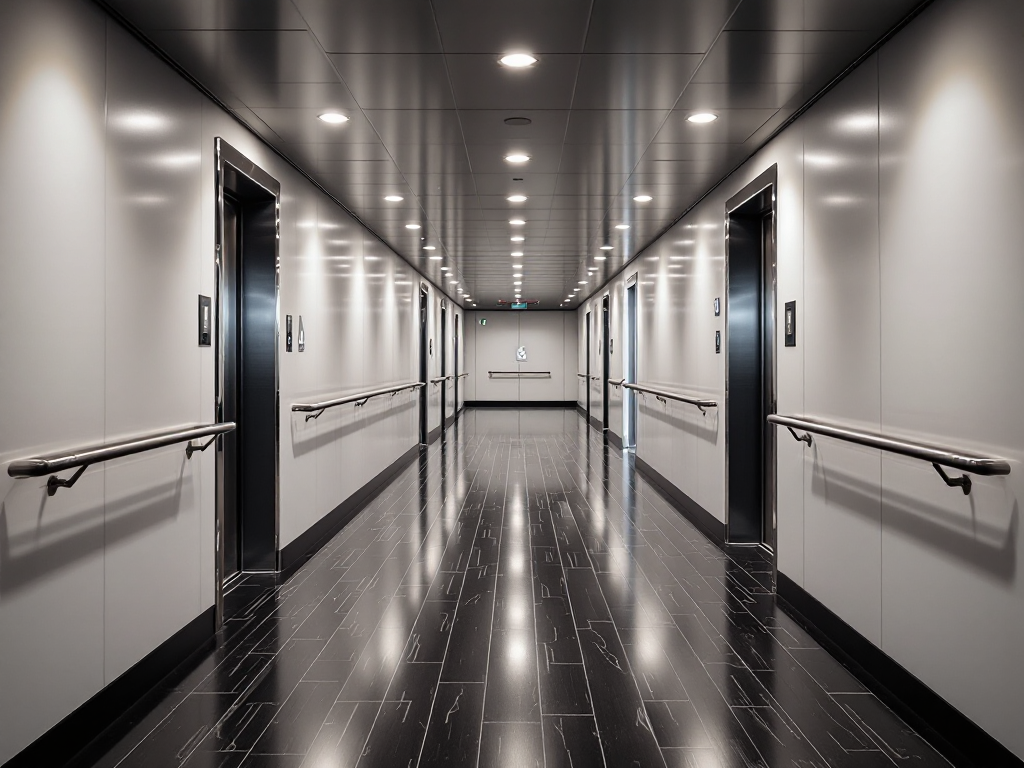
Pro tip I learned the hard way: Some cruise lines allow you to tour accessible cabins virtually or send detailed photos before you book. If the booking platform doesn't offer this, call the cruise line's accessibility department directly. Yes, call them. They're usually helpful and can answer questions our AI concierge might flag for clarification.
Mobility Aids and Getting Them Onboard
Here's where honest communication prevents real problems. Wheelchairs, walkers, scooters, and canes all travel with you—but you need to notify the cruise line in advance.
What You Need to Do:
- Tell the cruise line about mobility devices when you book. Include specific measurements and weight (scooters especially). This lets crew prepare the cabin environment and plan elevator access.
- Pack your device in your cabin, not in checked luggage. If you're flying to the port, your mobility aid qualifies as a "mobility device" under TSA rules—it travels free and arrives at the gate.
- Bring backup batteries and chargers for scooters or powered wheelchairs. Onboard charging outlets vary by cabin location, and the ship may not have replacement batteries for your specific model.
- Label everything with your cabin number and name. Honest truth: devices sometimes get moved between decks during crew cleaning. Clear labeling helps housekeeping return your walker or cane to the right cabin.
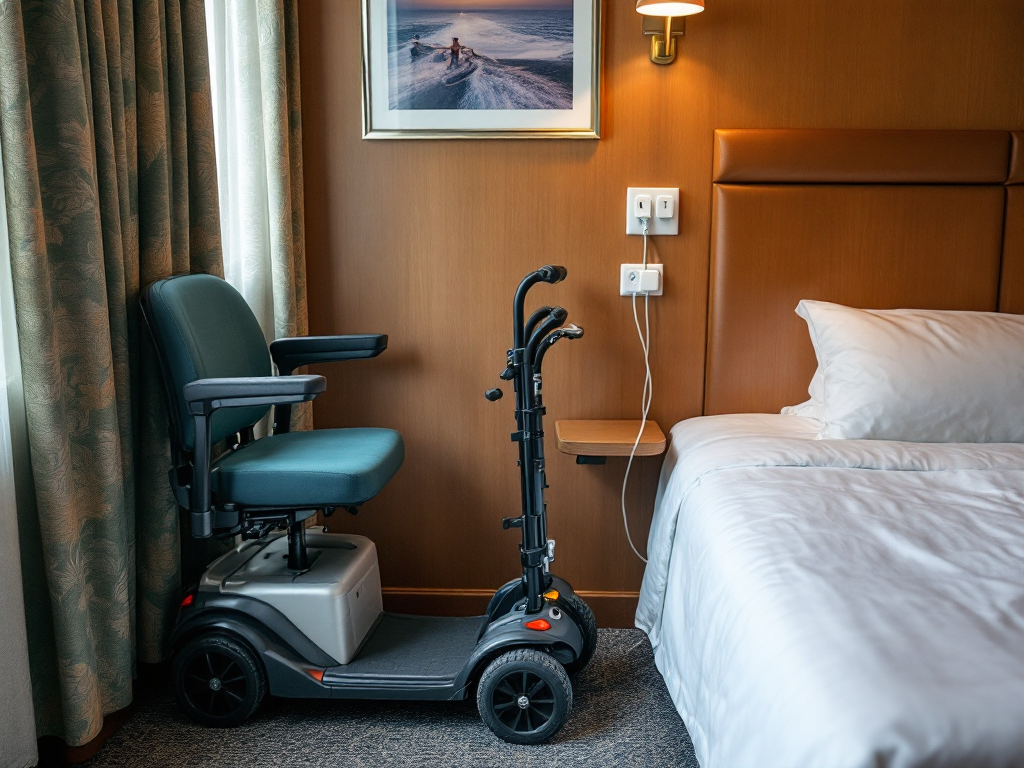
A real example from my sailings: I met a cruiser using a motorized scooter who discovered mid-cruise that the cabin outlet was incompatible with their charger. They were stuck in the cabin for an afternoon while crew scrambled to find an adapter. Call ahead, ask about outlet types in accessible cabins, and bring a universal power adapter just in case.
Ship Layout and Deck Navigation
Mega-ships have multiple elevators, but older vessels? Not so much. Here's what you genuinely need to know about getting around.
Elevator Reality Check: Modern ships have enough elevators that you won't wait forever, but during peak times (lunch, dinner, returning from ports), you might wait 2-3 minutes. Mid-ship elevators are usually fastest. Never rely on a single elevator—always know your backup route.
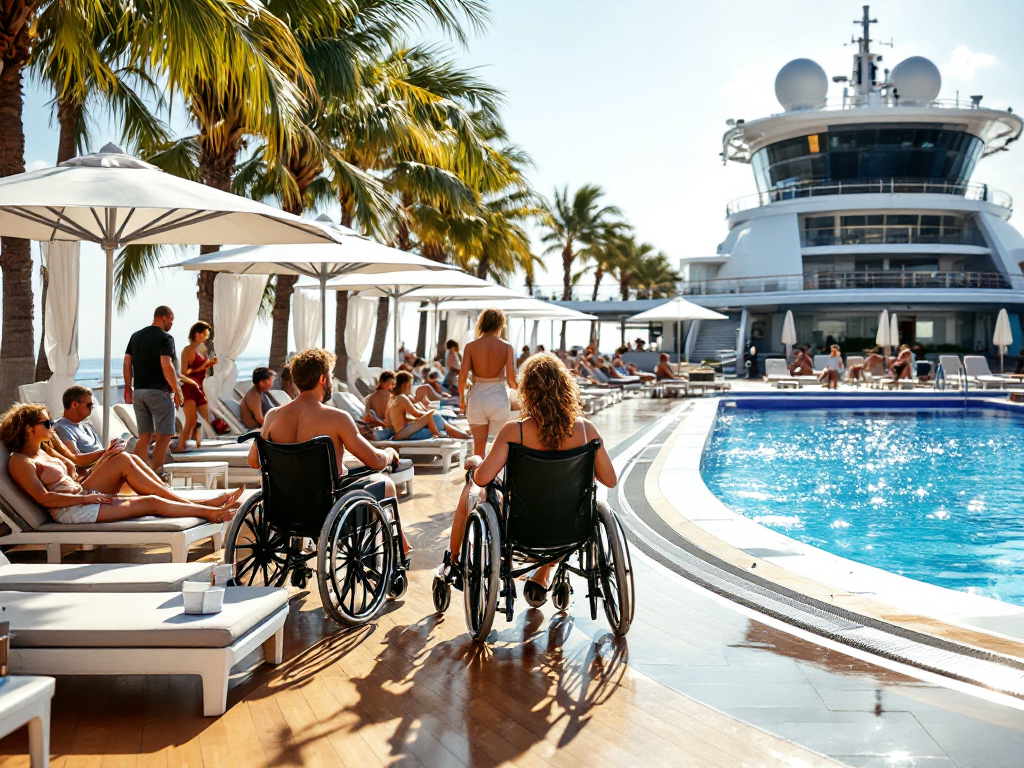
Deck Access: Some pool decks and outdoor areas are accessible, but not all. Request a detailed deck plan before cruising. Ask specifically: which restaurants are on accessible decks? Which entertainment venues require stairs? Which pool areas have accessible entry? Our accessibility forum can help you research this for your specific ship—many cruisers have already mapped these details.
Tender Ports Are Your Real Challenge: This is the honest part. If your cruise visits a port where the ship doesn't dock—like Half Moon Cay or some Caribbean islands—you'll tender (ride a small boat to shore). Some tenders have lifts; many don't. If you use a wheelchair, some islands are genuinely inaccessible. Check your itinerary and contact the cruise line before booking to understand tender accessibility for each port.
Dining and Specialty Restaurants
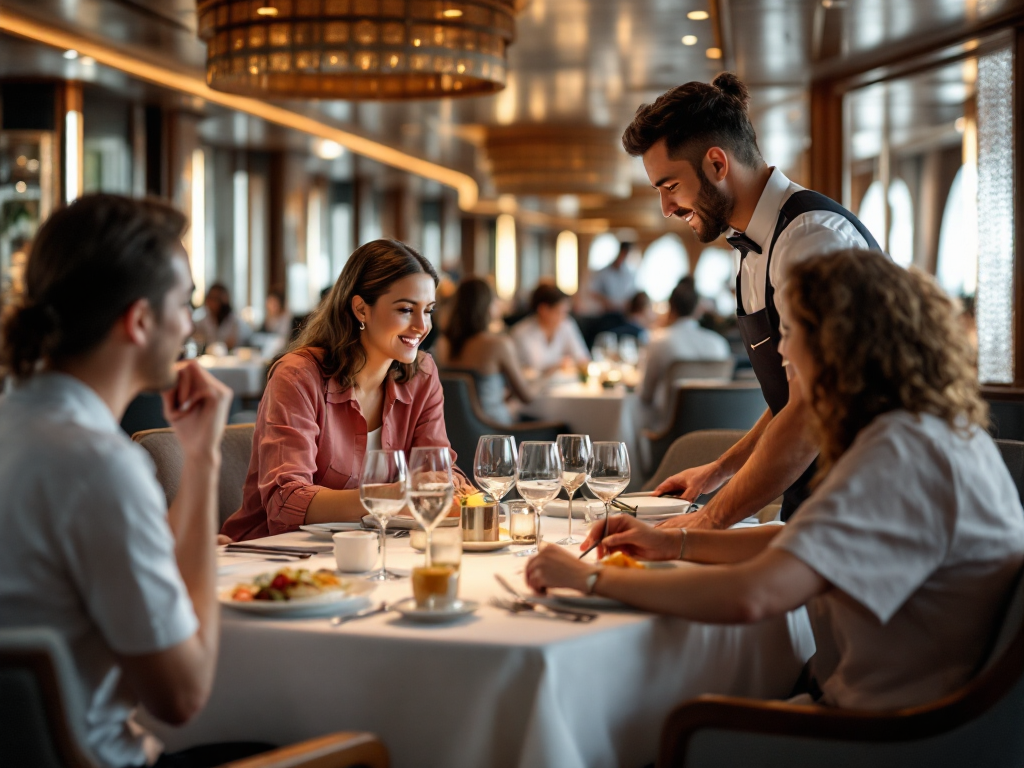
Good news: main dining rooms and buffets are fully accessible on modern ships. The challenge is specialty restaurants and alternative dining venues.
- Main dining room: Accessible seating, staff trained for dietary and mobility accommodations. No issues.
- Buffets: Mostly accessible, but reach some hot items requires asking crew to plate food for you. Be specific about your needs—most crew members are genuinely happy to help.
- Specialty restaurants (paid): Variably accessible. Steakhouses and upscale restaurants often have steps, narrow doors, or tight layouts. Book ahead and ask directly about accessibility. Many ships can provide modified seating or prep meals in alternative locations.
- Casual venues (poolside pizza, grab-and-go): Usually accessible during off-peak times. Packed lunch rushes can be chaotic with long lines and narrow pathways.
Insider tip: Request a flexible dining plan that lets you eat in your cabin without penalty. Life happens—some days you'll be tired, some days mobility is harder. A good cruise line won't charge you extra for in-cabin dining if you need it.
Accessible Excursions and Port Experiences
This is where I've seen the biggest accessibility gaps. Not all shore excursions are created equal.
The Reality: Many cruise line excursions aren't wheelchair accessible. They'll say "accessible" but mean "paved road nearby"—not actually accessible. You need specifics: Can your wheelchair fit through the attraction entrance? Are accessible restrooms available? Is there shade and seating for rest breaks?
What to Do:
- Research ports independently. Don't rely solely on cruise line descriptions. Contact ports' tourism boards directly. Email attractions and ask about accessibility before your cruise.
- Consider private tour operators. Some specialize in accessible tours. They're more expensive but worth it. You control the pace and can take breaks when needed.
- Book accessible tours early. If you want an ADA-compliant tour in Cozumel or Juneau, book months ahead—limited spots fill fast.
- Bring a travel companion if possible. Some excursions require assistance—not as a crew member, but a personal attendant for your own comfort and safety.
- Stay onboard on port days if you need to. Honestly? Some days, the ship is the best destination. Accessible cabins with pools, restaurants, and entertainment mean you're not missing out.
Communication with Crew
Your accessibility needs don't magically disappear once you board. Crew needs to know what you need.
Before You Board:
- Confirm cabin assignment and any specific accessibility requests 48 hours before sailing
- Email the accessibility department with mobility aids details
- Request a crew phone number for your deck (some ships provide this)
First Day Aboard:
- Visit guest services immediately and introduce yourself
- Explain your specific needs (not just general "I use a wheelchair," but "I need assistance accessing the pool area on Deck 15" or "I can't do stairs, please verify all restaurants are accessible")
- Ask for crew contact information for your deck—housekeeping, dining staff, and your deck steward should know your cabin number and needs
- Request written confirmation of any accommodations
During Your Cruise:
- Speak up immediately if something isn't working (inaccessible door, broken cabin outlet, staff confusion about access)
- Don't assume crew knows your needs—remind them politely each time
- Compliment crew members who help well—positive feedback encourages good service for future cruisers
Travel Insurance and Medical Considerations
If you have a disability or chronic health condition, travel insurance isn't optional—it's essential. Some policies specifically exclude pre-existing conditions, while others cover them with proper documentation.
Key Points:
- Get travel insurance that covers medical emergencies, evacuation, and trip cancellation (some health conditions increase cancellation risk)
- Carry copies of prescriptions, medical device documentation, and doctor's contact information
- Ship medical facilities are basic—if you need specialized care, evacuation to land is expensive without insurance
- Inform the ship's doctor about your condition when you board
When you book through our Trip Planner or AI concierge, make sure travel insurance is included in your planning conversation.
What Cruise Lines Are Actually Best for Accessibility?
Based on my experience and feedback from accessible cruisers in our community:
Best Overall: Royal Caribbean (Oasis-class ships have the largest accessible cabins and most modern elevators)
Best Value: Disney Cruise Line (smaller ships with excellent crew training, though cabins are pricier)
Best for Budget Cruisers: Carnival and Norwegian (modern ships have decent accessibility, older ships are less reliable)
Most Improved: Princess and Holland America (recently renovated ships with expanded accessible options)
Luxury Option: Celebrity (mid-size ships with premium accessibility and excellent guest services)
Honestly difficult: Some river cruises (narrow European waterways mean older, less accessible ships) and ultra-luxury lines (smaller ships, limited elevator capacity)
Final Honest Take
Cruising with mobility challenges is absolutely doable. I've met cruisers who said it was their most accessible vacation ever because everything was contained, staff was trained, and they could move at their own pace.
But it requires planning. There's no way around it. You can't just book a cabin and hope for the best. You need to research your specific ship, confirm your specific cabin's layout, communicate your specific needs, and be ready to speak up if something isn't working.
The good news? Most cruise lines take accessibility seriously in 2026. They want you to have a great cruise. They just need you to help them understand exactly what "great" means for you.
Ready to plan your accessible cruise? Our AI concierge is built to ask the right questions about your mobility needs. Use the Trip Planner to research ships, book accommodations that genuinely work for you, and arrange excursions that fit your access requirements. And if you want advice from fellow cruisers who understand accessibility, join the conversation at CruiseVoices Health & Accessibility forum—our community has mapped accessible cabins, tested ships, and navigated tender ports. Their real-world experience is invaluable.
Your accessible cruise is out there. Let's find it.