

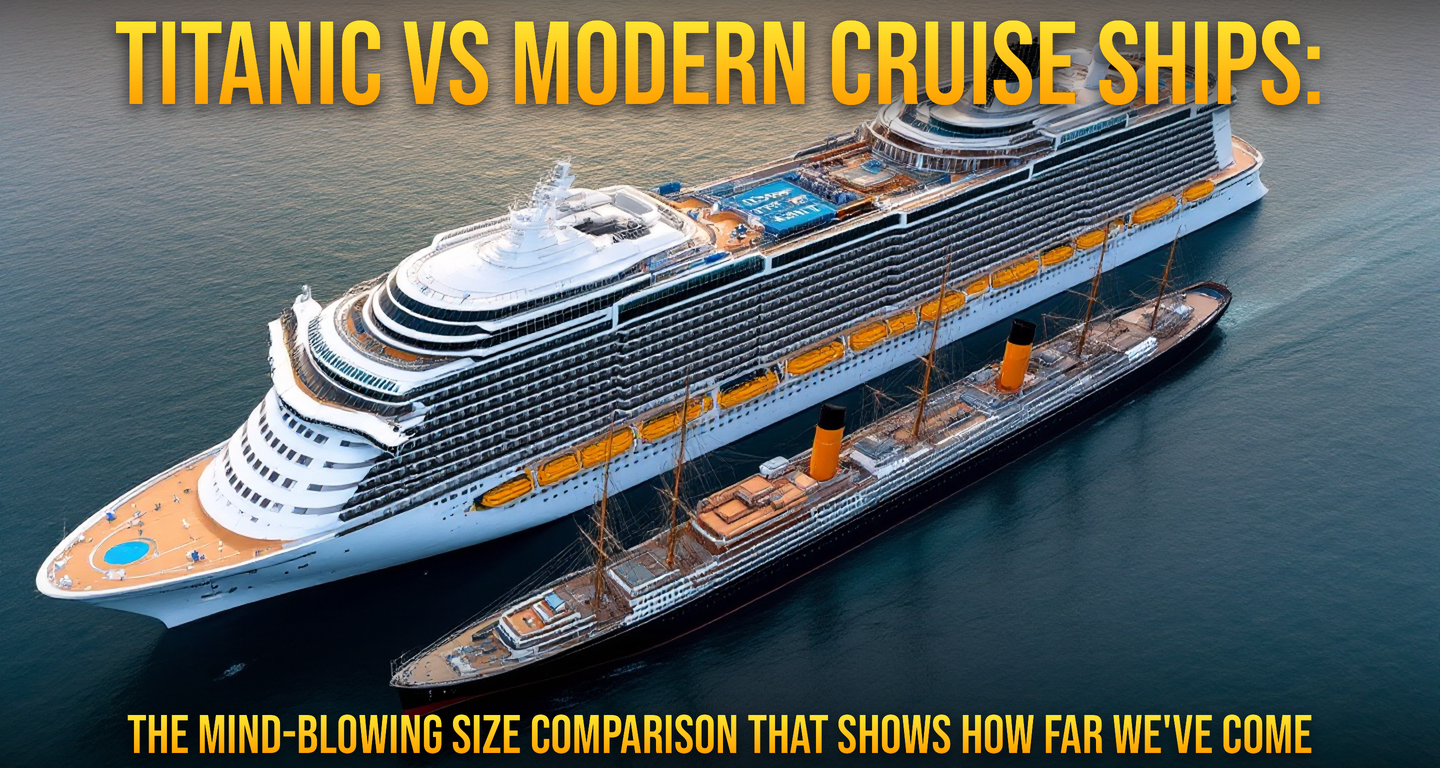
When you step aboard a modern cruise ship like Royal Caribbean's Wonder of the Seas or Celebrity's Celebrity Beyond, it's hard to imagine that the "unsinkable" Titanic was once considered the pinnacle of maritime luxury. The size difference between that legendary 1912 vessel and today's floating cities will absolutely blow your mind.
As someone who's sailed on everything from intimate river boats to massive mega-ships, I can tell you that seeing these comparisons in person changes your entire perspective on cruise ship engineering. Let me break down just how dramatically cruise ships have evolved over the past century.
Let's start with the facts that'll make your jaw drop. The RMS Titanic, which dominated headlines and captured imaginations in 1912, measured 882 feet long with a gross tonnage of 46,329 tons. She could carry 2,435 passengers across her 9 decks.
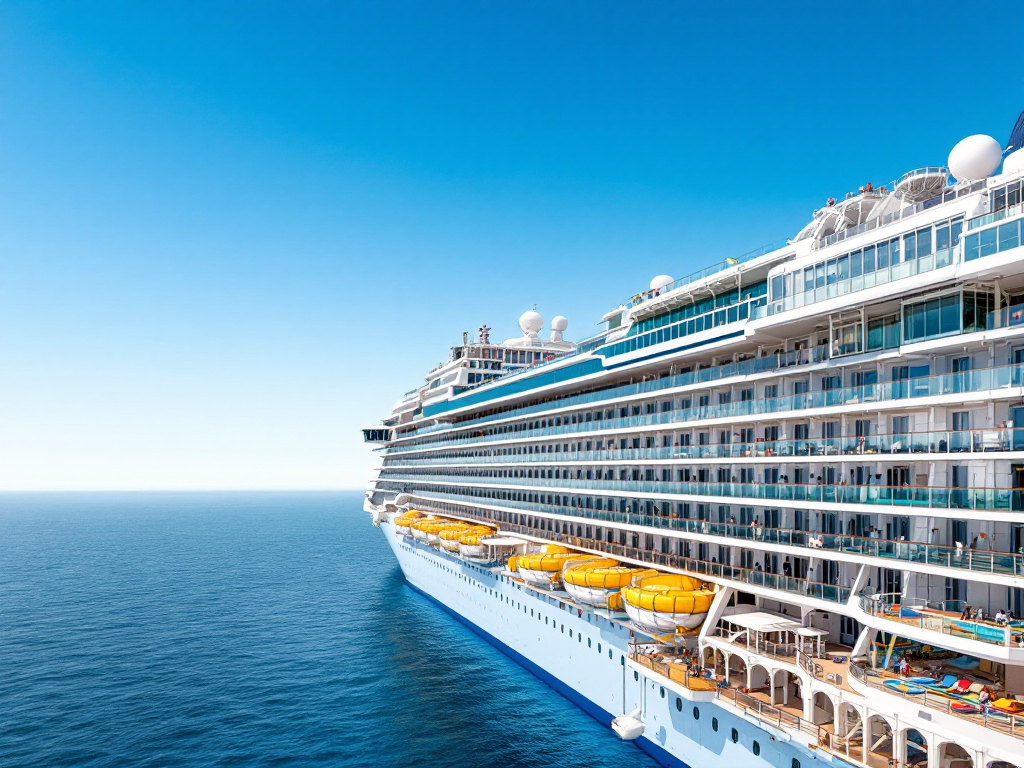
Now compare that to Royal Caribbean's Icon of the Seas, which began sailing in 2024 and represents the current pinnacle of cruise ship design. This floating city stretches 1,198 feet long—that's 316 feet longer than Titanic, or roughly the length of a football field. Her gross tonnage hits 250,800 tons, making her 5.4 times heavier than Titanic. She carries up to 7,600 passengers across 20 decks.
Here's what those numbers mean in real terms:
But gross tonnage and length only tell part of the story. When I sailed on Symphony of the Seas in 2026, I spent an entire day just exploring the ship's neighborhoods—something Titanic passengers couldn't even dream of.
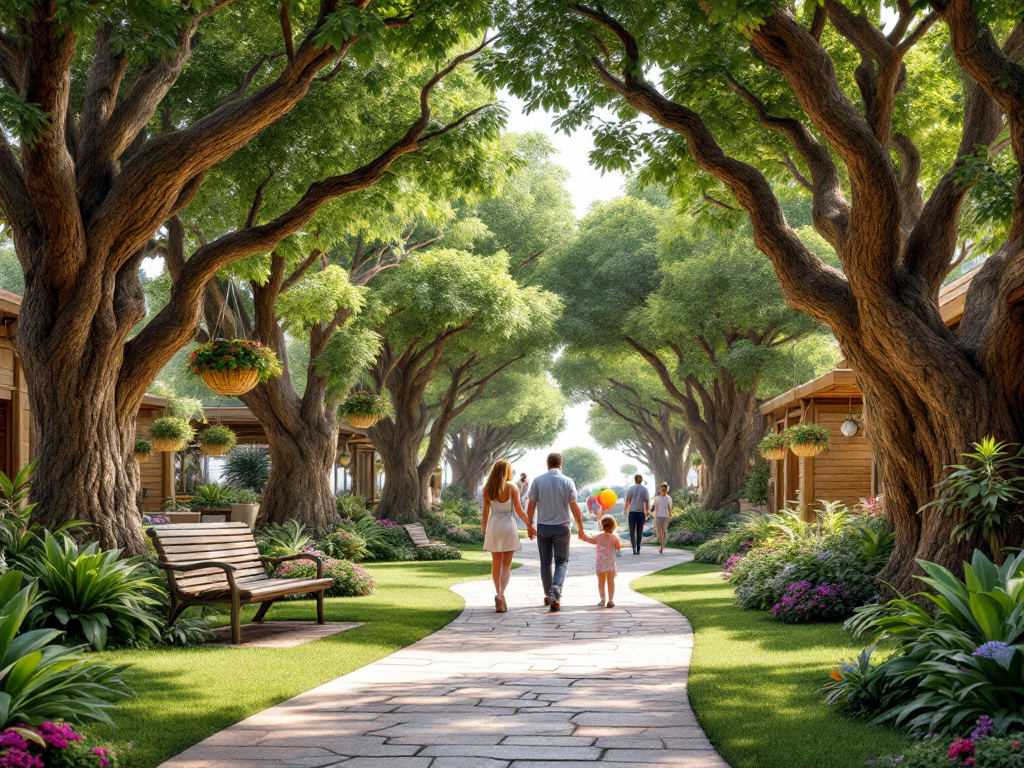
The Titanic's grand staircase was legendary, and rightfully so. But walk through Royal Caribbean's Central Park neighborhood on any Oasis-class ship, and you'll find yourself surrounded by more than 20,000 real plants and trees—growing on a ship in the middle of the ocean.
I remember my first time walking through Central Park on Harmony of the Seas. The ceiling opens to the sky, birds actually nest in the trees, and you genuinely forget you're at sea. Titanic's first-class passengers had elegant dining rooms and a gymnasium, but modern cruise passengers have:
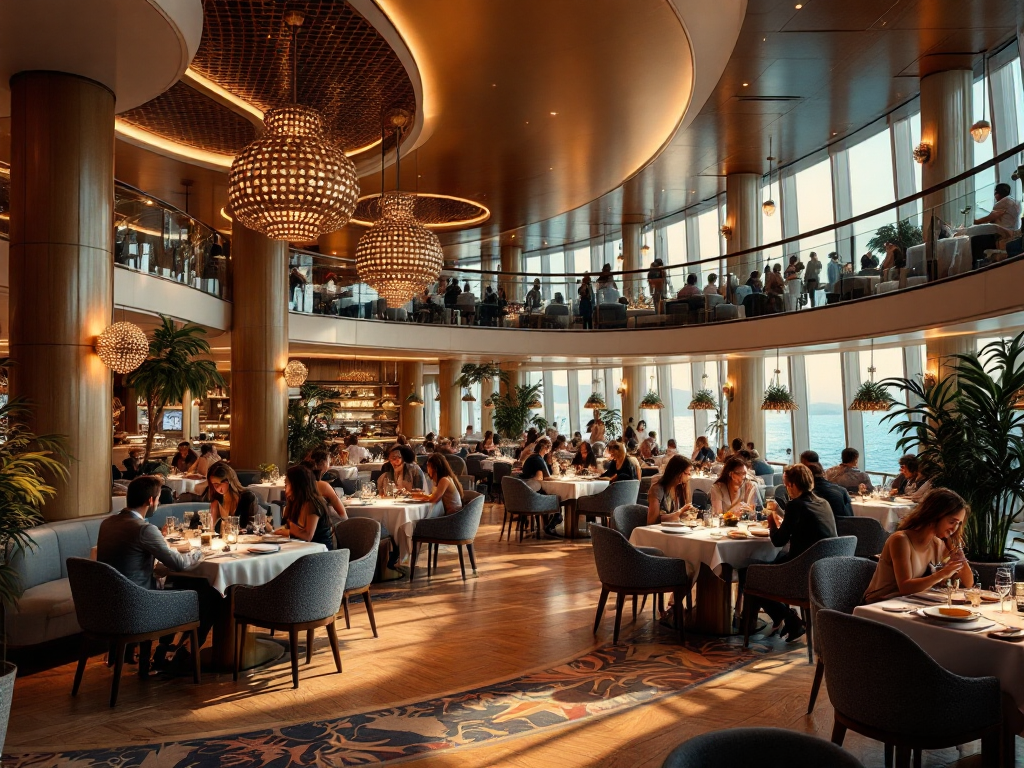
The dining options showcase the most dramatic evolution. Titanic famously offered elegant French cuisine in her first-class dining room. Modern ships like Norwegian's Breakaway-class vessels offer 20+ dining venues ranging from Brazilian steakhouses to molecular gastronomy labs.
When I sailed on Celebrity Edge in 2026, I counted restaurants serving authentic Italian, Japanese, French, Mexican, and American cuisine—all on one ship. The variety would have been unimaginable to Titanic's passengers.
How do modern cruise ships achieve these massive scales while remaining stable and safe? The engineering advances over the past century are staggering.
Titanic relied on coal-powered steam engines and basic hull design. Today's mega-ships use:
I've sailed through rough seas on both older ships and modern vessels. The difference is night and day. On Wonder of the Seas during a storm in the Atlantic, I barely felt any motion thanks to modern stabilizer technology.
Titanic's class system strictly separated passengers by economic status. First-class passengers enjoyed luxury while third-class passengers had basic accommodations with limited access to ship amenities.
Modern cruise ships have largely eliminated these rigid barriers. Sure, suite guests get priority boarding and exclusive areas, but every passenger can access the main pools, theaters, and most restaurants. I've sailed in interior cabins on ships like Carnival Vista and still enjoyed the same water slides, shows, and dining venues as passengers in expensive suites.
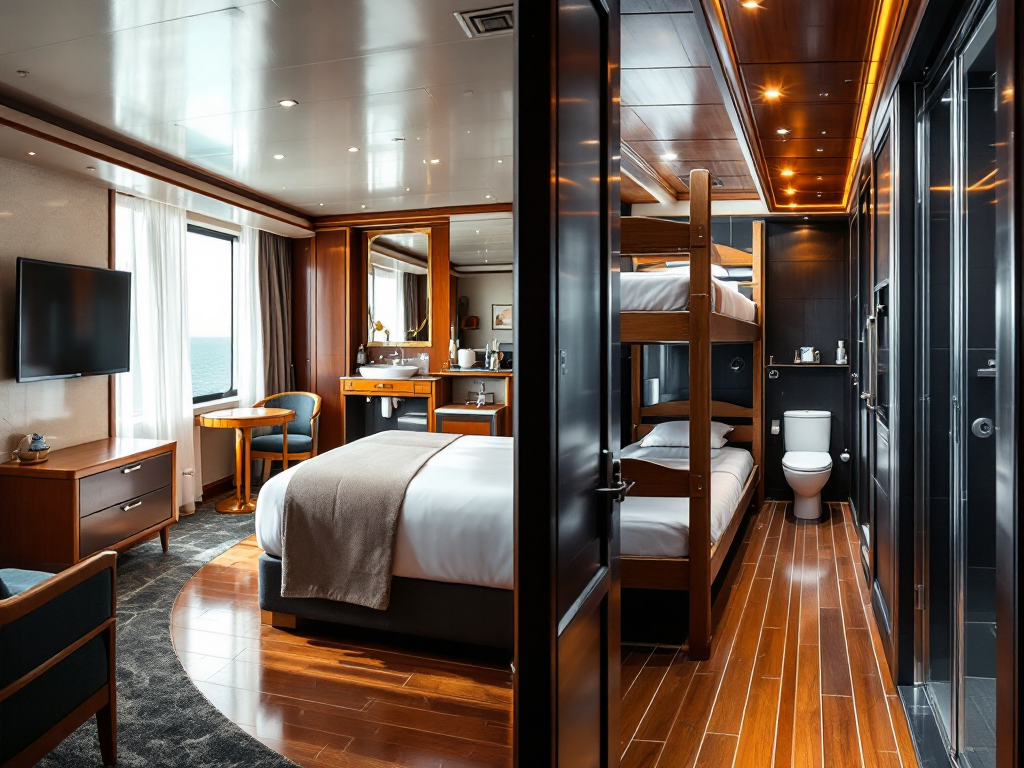
The cabin technology alone shows how far we've advanced. Titanic's first-class suites lacked private bathrooms (shared facilities down the hall), while today's interior cabins on ships like MSC Virtuosa include private bathrooms, air conditioning, interactive TVs, and USB charging ports.
Understanding these size comparisons helps you choose the right ship for your preferences. If you're considering a mega-ship like Icon of the Seas or Wonder of the Seas, know that you're boarding a floating city with more amenities than many land-based resorts.
Mega-ships work best if you:
Smaller ships might suit you better if you:
The size evolution from Titanic to modern mega-ships represents more than just bigger vessels—it's a complete reimagining of what a cruise vacation can be. Where Titanic offered transportation with luxury touches, today's ships offer destination experiences that happen to move between ports.
Whether you choose a massive ship with every amenity imaginable or a smaller vessel focused on intimate luxury, you're benefiting from more than a century of maritime innovation that makes every cruise safer, more comfortable, and more entertaining than Titanic's passengers could have imagined.
What size ship appeals most to you for your next cruise? Share your preferences and experiences with different ship sizes in our General Cruise Discussion forum!
As someone who's sailed on everything from intimate river boats to massive mega-ships, I can tell you that seeing these comparisons in person changes your entire perspective on cruise ship engineering. Let me break down just how dramatically cruise ships have evolved over the past century.
The Raw Numbers That Tell the Story
Let's start with the facts that'll make your jaw drop. The RMS Titanic, which dominated headlines and captured imaginations in 1912, measured 882 feet long with a gross tonnage of 46,329 tons. She could carry 2,435 passengers across her 9 decks.
Now compare that to Royal Caribbean's Icon of the Seas, which began sailing in 2024 and represents the current pinnacle of cruise ship design. This floating city stretches 1,198 feet long—that's 316 feet longer than Titanic, or roughly the length of a football field. Her gross tonnage hits 250,800 tons, making her 5.4 times heavier than Titanic. She carries up to 7,600 passengers across 20 decks.
Here's what those numbers mean in real terms:
- Icon of the Seas is longer than the Empire State Building is tall
- You could fit more than five Titanics inside Icon's gross tonnage
- Icon carries more than three times the passengers Titanic ever could
- Modern ships have more than double the deck count
But gross tonnage and length only tell part of the story. When I sailed on Symphony of the Seas in 2026, I spent an entire day just exploring the ship's neighborhoods—something Titanic passengers couldn't even dream of.
Space and Amenities: Where Modern Ships Really Shine
The Titanic's grand staircase was legendary, and rightfully so. But walk through Royal Caribbean's Central Park neighborhood on any Oasis-class ship, and you'll find yourself surrounded by more than 20,000 real plants and trees—growing on a ship in the middle of the ocean.
I remember my first time walking through Central Park on Harmony of the Seas. The ceiling opens to the sky, birds actually nest in the trees, and you genuinely forget you're at sea. Titanic's first-class passengers had elegant dining rooms and a gymnasium, but modern cruise passengers have:
- Multiple water parks with 10+ slides
- Rock climbing walls reaching 40+ feet high
- Ice skating rinks for professional-quality shows
- Surf simulators that create perfect waves
- Zip lines stretching across entire decks
- Full-size basketball and volleyball courts
- Broadway-quality theaters with original productions
The dining options showcase the most dramatic evolution. Titanic famously offered elegant French cuisine in her first-class dining room. Modern ships like Norwegian's Breakaway-class vessels offer 20+ dining venues ranging from Brazilian steakhouses to molecular gastronomy labs.
When I sailed on Celebrity Edge in 2026, I counted restaurants serving authentic Italian, Japanese, French, Mexican, and American cuisine—all on one ship. The variety would have been unimaginable to Titanic's passengers.
Engineering Marvels That Make Size Possible
How do modern cruise ships achieve these massive scales while remaining stable and safe? The engineering advances over the past century are staggering.
Titanic relied on coal-powered steam engines and basic hull design. Today's mega-ships use:
- Advanced stabilizer systems that virtually eliminate seasickness
- GPS-guided positioning systems for precise docking
- Waste treatment plants that process thousands of gallons daily
- Desalination systems producing fresh water from seawater
- Sophisticated weather routing to avoid storms entirely
I've sailed through rough seas on both older ships and modern vessels. The difference is night and day. On Wonder of the Seas during a storm in the Atlantic, I barely felt any motion thanks to modern stabilizer technology.
The Passenger Experience Evolution
Titanic's class system strictly separated passengers by economic status. First-class passengers enjoyed luxury while third-class passengers had basic accommodations with limited access to ship amenities.
Modern cruise ships have largely eliminated these rigid barriers. Sure, suite guests get priority boarding and exclusive areas, but every passenger can access the main pools, theaters, and most restaurants. I've sailed in interior cabins on ships like Carnival Vista and still enjoyed the same water slides, shows, and dining venues as passengers in expensive suites.
The cabin technology alone shows how far we've advanced. Titanic's first-class suites lacked private bathrooms (shared facilities down the hall), while today's interior cabins on ships like MSC Virtuosa include private bathrooms, air conditioning, interactive TVs, and USB charging ports.
What This Means for Your Next Cruise
Understanding these size comparisons helps you choose the right ship for your preferences. If you're considering a mega-ship like Icon of the Seas or Wonder of the Seas, know that you're boarding a floating city with more amenities than many land-based resorts.
Mega-ships work best if you:
- Love variety in dining and entertainment
- Travel with multiple generations wanting different activities
- Don't mind crowds and want constant stimulation
- Plan to spend most of your time onboard
Smaller ships might suit you better if you:
- Prefer intimate dining and personalized service
- Want to focus on destinations rather than onboard activities
- Dislike crowds and long lines
- Value traditional cruise elegance over theme park-style fun
The size evolution from Titanic to modern mega-ships represents more than just bigger vessels—it's a complete reimagining of what a cruise vacation can be. Where Titanic offered transportation with luxury touches, today's ships offer destination experiences that happen to move between ports.
Whether you choose a massive ship with every amenity imaginable or a smaller vessel focused on intimate luxury, you're benefiting from more than a century of maritime innovation that makes every cruise safer, more comfortable, and more entertaining than Titanic's passengers could have imagined.
What size ship appeals most to you for your next cruise? Share your preferences and experiences with different ship sizes in our General Cruise Discussion forum!