

Drew_Callahan
Moderator
The Swelling Nobody Warns You About
You're on day three of your Caribbean cruise, and suddenly your shoes don't fit. Your ankles look like they belong to someone twice your size. You're not sick, you're not injured — you're just experiencing one of cruising's most annoying (and preventable) problems: fluid retention and swelling in your lower extremities.
I've sailed 40+ cruises, and I can tell you this happens to almost everyone at some point. The good news? It's completely manageable once you understand why it's happening and what actually works to combat it.
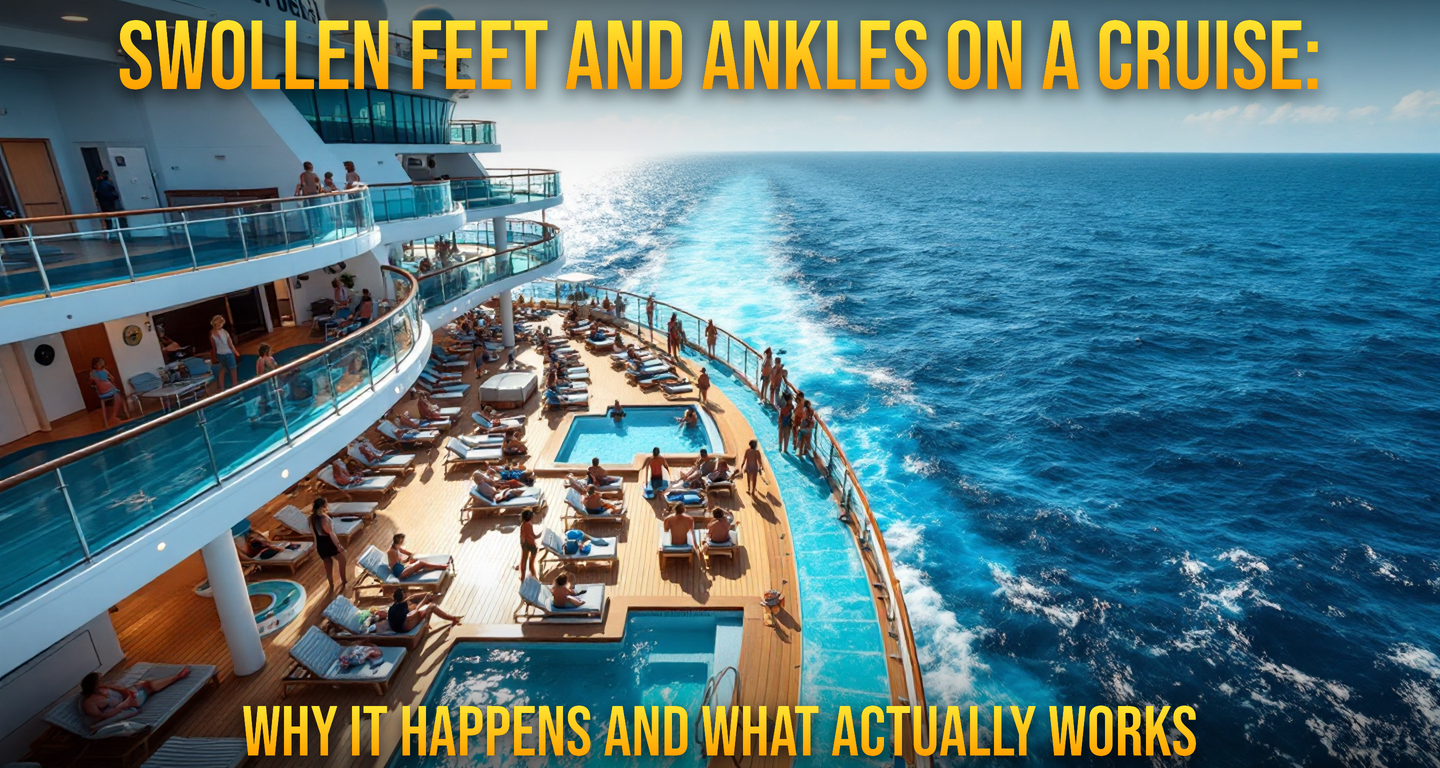
Why Your Feet Swell at Sea
There are several culprits working against your ankles and feet on a cruise:
1. Limited Movement and Extended Sitting
You're on a ship. That means you're standing or sitting for hours at a time — whether you're enjoying a Broadway-style show in the main theater, eating meals in the dining room, or lounging by the pool. Even though a typical cruise ship has miles of decks to walk, most passengers aren't actually moving enough. Your leg muscles need to contract regularly to help pump fluid back up toward your heart. When you're sedentary, that doesn't happen efficiently.
2. Increased Salt and Sodium Intake
Cruise ship food is delicious, and yes, it's salty. From the buffet offerings to the specialty restaurants, sodium content is significantly higher than what most people eat at home. Royal Caribbean, Carnival, Disney, Norwegian — they all serve food designed to be flavorful and, let's be honest, sodium enhances flavor. A single dinner in the main dining room can contain 2,000+ mg of sodium (nearly your entire daily recommendation). Your body retains water to balance that sodium, and gravity means that water settles in your feet and ankles.
3. Dehydration Paradox
Here's the counterintuitive part: swelling often gets worse when you're dehydrated. People on cruises tend to drink alcohol, caffeine, and sugary beverages more than fresh water. When your body realizes it's not getting enough water, it holds onto the fluid it has — including in your extremities. I see this constantly in the main dining rooms where passengers order wine at lunch and margaritas by the pool, then wonder why they're puffy by evening.
4. The Altitude and Pressure Changes
If you flew to your cruise embarkation port, you already started retaining fluid during the flight. Cabin air pressure and sitting for hours in an airplane creates swelling before you even board the ship. Then, once aboard, the cabin environment isn't as pressurized as sea level, which can perpetuate mild fluid retention.
5. Heat and Humidity
Cruises to warm-weather destinations mean exposure to heat and humidity. Your blood vessels dilate to help cool your body, and that expanded circulation can increase fluid accumulation in your lower legs and feet. Caribbean cruises, especially, are prime culprits.

Remedies That Actually Work (Not Just Hype)
I've tried every suggestion from fellow cruisers, and here's what genuinely makes a difference:
Move Your Legs Regularly
This is the most effective prevention. Walk the promenade decks. Take the stairs instead of elevators. Do laps around the pool area. On a Royal Caribbean Oasis-class ship like the Symphony of the Seas, you can easily walk 1-2 miles on the outdoor decks alone. I aim for at least 30 minutes of walking per day, and my swelling drops noticeably.
Even better: do calf raises while standing in line at the buffet, or walk around your cabin while watching the nightly show on your stateroom TV. Flex your calf muscles every hour — this pumps fluid back toward your heart more effectively than you'd think.
Elevate Your Feet
This one's simple but game-changing. When you're resting in your cabin (and you should rest for at least an hour or two daily), elevate your feet above heart level. Use pillows to prop your legs up on your cabin bed. Even 30-45 minutes of elevation can noticeably reduce swelling. I do this after lunch and again before dinner.
Drink More Water Than You Think You Need
I know it sounds backwards, but drinking more water reduces swelling. Aim for at least 8-10 glasses daily, more if you're in a warm destination. Request water bottles from room service, or bring refillable bottles and fill them at the dining room water stations. Staying hydrated signals your body that it doesn't need to hoard fluid.
Skip the extra cocktails, or at least alternate: one alcoholic drink, then one water. Your ankles will thank you.
Compression Socks Are Worth It
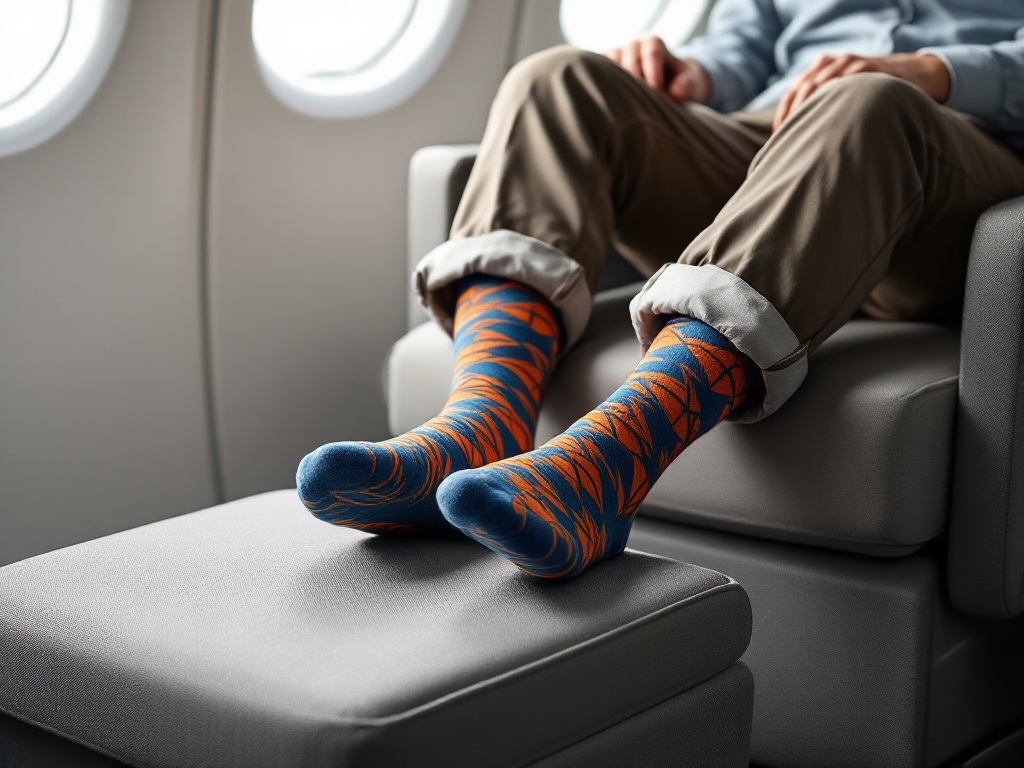
I was skeptical until I actually tried quality compression socks. These aren't the ugly medical-looking ones from decades ago — brands like Sockwell and Vim & Vigr make genuinely attractive compression socks in fun patterns. Wear them during the day, especially if you know you'll be sitting for a show or dinner. The gentle pressure helps push fluid back up your legs.
You can find them on Amazon for $20-35 per pair, or request them from your cabin steward (some ships actually carry them). Wear them on travel days and your first day aboard — this is when swelling is most likely.
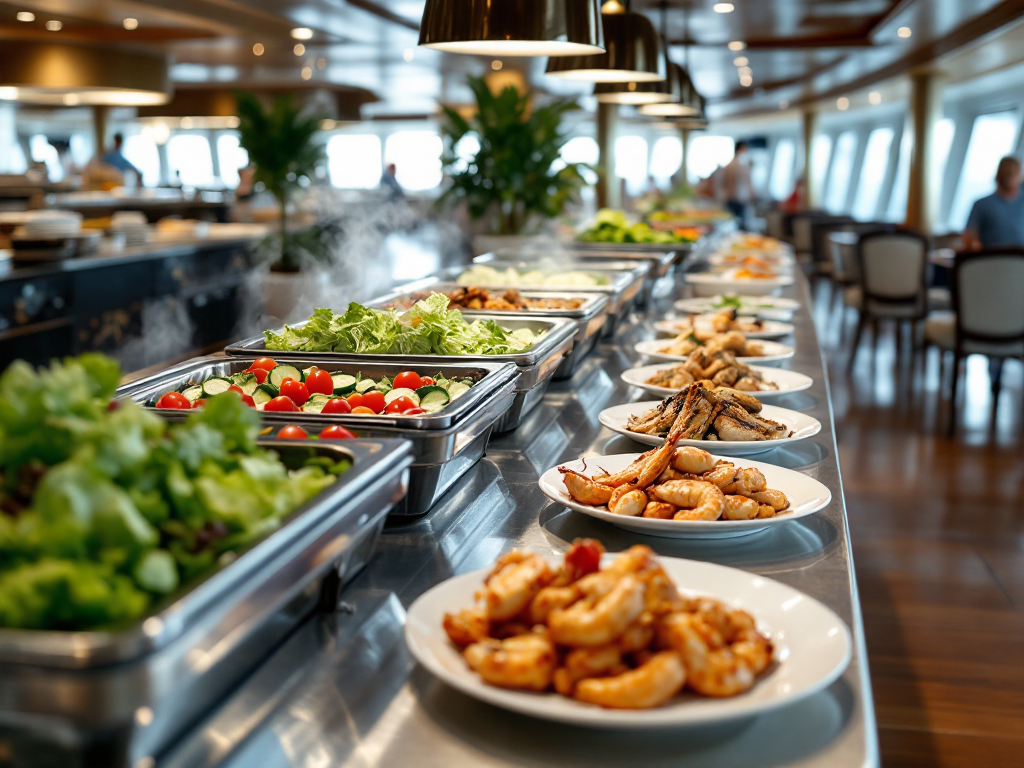
Reduce Sodium When You Can
You don't have to eat plain food, but make strategic choices. At the buffet, skip the pre-made salads (often loaded with salt) and build your own. Order a side of vegetables from room service prepared without added salt. Choose grilled proteins over sauces. One or two meals per cruise where you're mindful of sodium makes a measurable difference.
During a 7-day cruise, I'll eat "normal" for four days and consciously lower-sodium for two days. It balances out and keeps swelling manageable.
Consider Compression Leggings or Stockings
For serious swelling or if you're prone to circulation issues, Spanx or medical-grade compression leggings can be worn under casual clothes. They're not just for appearance — they genuinely help with circulation. Wear them on sea days when you're less active.
Use Diuretic Foods (Gently)
Certain foods are natural diuretics: asparagus, cucumber, watermelon, and leafy greens. The ship's buffet has all of these. Eat them, especially at dinner. However, do not take diuretic pills without consulting your doctor. The diuretics people casually pop can cause electrolyte imbalances at sea, which is not the time or place for that problem.
Ice or Cold Water Soaks
Fill your cabin bathtub with cool (not cold) water and soak your feet for 10-15 minutes. This reduces inflammation and feels amazing. If you can manage it, do this in the evening before bed.
Massage or Self-Massage
Gently massage your calves and feet using upward strokes toward your heart. This stimulates the lymphatic system and helps move fluid. Some ships offer spa treatments like reflexology or foot massages — they're expensive ($80-150 for 30 minutes), but if swelling is severe, it's worth it for the relief and the pressure application.
What Doesn't Really Work (Trust Me)
- Cutting out all salt completely — This is impractical on a cruise and can actually backfire. Some sodium is necessary. Moderation is key.
- Wearing shoes a size too large — I see cruisers do this thinking it will help. It doesn't. Loose shoes actually increase swelling because there's no support for your feet.
- Spending your whole cruise in cabins with elevation — You came to cruise, not hide. Light movement is better than complete immobility.
- Over-the-counter diuretics — These can dehydrate you further and cause problems at sea. Avoid them.
Timing Matters: When Swelling Peaks
Swelling typically worsens throughout the day and is worst in the evening. This is normal — gravity pulls fluid downward all day. You'll notice:
- Morning: minimal swelling (you've been horizontal for 8 hours)
- Afternoon: moderate swelling (after hours of sitting or standing)
- Evening: peak swelling (cumulative effect of the day)
Use this to your advantage. Wear your compression socks during the day when you'll be doing activities. Elevate in the afternoon during rest time. By morning, swelling will have reduced significantly.
Medical Red Flags: When to See the Ship's Doctor
Mild ankle swelling on a cruise is normal and harmless. However, contact the ship's medical center (every cruise ship has one) if you experience:
- Severe, asymmetrical swelling (one leg much more swollen than the other)
- Swelling accompanied by chest pain, shortness of breath, or leg pain
- Swelling that doesn't improve after 3+ days despite elevation and movement
- Redness, warmth, or tenderness in the swollen area
- Any sign of deep vein thrombosis (DVT) — though rare, it's a serious condition
If you have a history of circulation problems, blood clots, or are on medications that affect fluid retention, mention this to the medical staff when you board. Consultation is free; they just want to monitor you.

Prevention Strategy: The "Cruise Swelling Playbook"
Here's my proven system that keeps swelling minimal across a 7-day cruise:
Before Your Cruise:
- Purchase compression socks (2-3 pairs so you can rotate)
- If flying, wear compression socks on the plane
- Hydrate well the day before embarkation
Days 1-2 (Embarkation & Settling In):
- Wear compression socks all day
- Drink 10+ glasses of water
- Walk the decks for 30+ minutes
- Elevate feet for 45 minutes before dinner
- Keep sodium moderate at meals
Days 3-7 (Cruising):
- Alternate compression socks with regular clothes (wear socks on heavy activity days)
- Walk daily — aim for 5,000+ steps
- Elevate feet once daily for 30-45 minutes
- Maintain water intake
- Choose one "low sodium" meal per day
Port Days:
- Walking on shore is excellent for swelling reduction
- Stay hydrated in the heat
- Elevation is less critical when you're active
The Real Talk
I'm going to be honest: some swelling on a cruise is almost inevitable, especially if you're sailing 7+ days. It doesn't mean something is wrong with you. Your body is responding normally to extended time in a ship environment with altered movement patterns and dietary changes.
The strategies I've outlined don't eliminate swelling entirely — they minimize it to the point where it's barely noticeable and doesn't interfere with your vacation. That's the realistic goal.
The biggest mistake I see is cruisers who don't address swelling until day 5 or 6, when it's at its worst. Prevention and early action (movement, elevation, hydration) work far better than trying to reverse swelling that's been building for days.
You're on a cruise to enjoy yourself, not to sit in your cabin with your feet up constantly. Find the balance: stay active, stay hydrated, make smart food choices, and give your body rest when it needs it. Your feet will cooperate.
Have you dealt with swelling on a cruise? Share your strategies and questions in our Health & Accessibility community — we're all in this together, and your experience might help a fellow cruiser who's struggling with the same issue.