

Jake_Harmon
Moderator
St. John Day Trip from St. Thomas: Your Complete Ferry, Beach & Trunk Bay Guide for 2026
When your cruise ship pulls into St. Thomas, you've got a golden opportunity to escape the crowded port and experience one of the Caribbean's most pristine islands — St. John. Just a 20-minute ferry ride away, St. John feels like a different world: two-thirds national park, minimal development, and some of the most stunning beaches and snorkeling you'll find anywhere in the USVI. I've done this day trip seven times, and I'm going to walk you through exactly how to make it work, what to expect, and where the hidden gems are.

Why St. John Beats Staying in St. Thomas
Look, St. Thomas is fine. Charlotte Amalie has shops, cruise-focused restaurants, and the infamous Magens Bay. But St. John is special. The island is 60% protected national park land, which means you won't find sprawling resorts or overdevelopment. The beaches are quieter, the water is clearer, and the vibe feels genuinely local rather than cruise-industry manufactured.
The biggest advantage? Trunk Bay Underwater Trail. This is a marked snorkeling path with interpretive signs on the seafloor explaining the coral and marine life. You literally follow a underwater "trail" while you snorkel. It's educational, stunning, and something you cannot do anywhere else.
Plus, St. John gets fewer cruise passengers than St. Thomas. When you're anchored in St. Thomas, thousands of cruisers fan out across the island. On St. John, you'll feel like you actually escaped.
Getting There: Ferry Logistics & Timing
You have two ferry options from St. Thomas:
- Red Hook to Cruz Bay Ferry — This is the main passenger ferry and your best bet. It's only 20 minutes, costs around $7-9 per person one-way (2026 pricing), and runs frequently throughout the day. The ferry terminal is at the eastern end of St. Thomas, about 30 minutes from the cruise port via taxi ($10-15 per person, or $25-30 split between two people). The boats are small and basic but clean.
- Charlotte Amalie to Tortola Ferry (which stops at Cruz Bay) — This is longer (45 minutes from St. Thomas) and more expensive ($15-20), but if your ship is docked downtown, it's more convenient. I typically avoid this because Red Hook is faster and cheaper.

Here's my honest advice: Budget 15-20 minutes for getting from your ship to the Red Hook terminal. The taxi lines at Charlotte Amalie can be brutal when multiple ships are in port. Some cruisers share a van, which brings the cost down. If you're worried about timing, ask your ship's shore excursion desk about group taxis — they often coordinate rides and are slightly more reliable than hailing one yourself.
Ferry schedules run roughly every 30-60 minutes depending on the season. In 2026, the Red Hook ferry typically starts around 6:00 AM and runs until around 11:00 PM. Catch the earliest ferry you can — this gives you 5-6 hours on the island before you need to catch a return ferry and get back to your ship for departure. Don't be the person who misses the last ferry and has to take an expensive private water taxi back.
Where to Beach: Your St. John Lineup
Trunk Bay is the famous one, and yes, it's worth visiting. The underwater trail is genuinely unique. There's a small entrance fee ($5 per day in 2026), and the beach has facilities (bathrooms, showers, limited food). The sand is fine and white, the water is calm and incredibly clear, and snorkeling right off the beach means zero boat ride. I've snorkeled Trunk Bay at least four times, and it never disappoints. The downside: it gets crowded in peak season, especially when multiple ships are in port. Arrive early (9:00-9:30 AM) to get parking and avoid the worst of the crowds.

Coral World Beach, right next to Trunk Bay, is less famous and usually quieter. It's an excellent alternative if Trunk Bay is packed. Similar facilities, great snorkeling just off the shore, and you'll have more breathing room.
Cinnamon Bay is my personal favorite for laid-back exploring. It's wider, less crowded than Trunk Bay, and has a rustic beach bar (Cinnamon Bay Watersports) where you can grab a rum punch or lunch. This beach is perfect if you want to snorkel in the morning, grab lunch, and relax without feeling rushed. Watersports here include kayak rentals ($25-35 per hour) and diving lessons if you're interested.
Caneel Bay is technically private property (it's a luxury resort), but the beach is accessible to day visitors. It's more upscale and quieter, and the water is stunning. There's a small beach bar where you can purchase lunch or drinks. If you're looking for an elevated experience on a budget, park at Trunk Bay and take the short trail walk to Caneel — you get a beautiful beach without the tourist crowds.
Solomon Beach is on the south shore — less developed, rockier entry, but excellent for snorkeling and feeling away from the cruise crowds. Only go here if you're comfortable with a slightly rougher beach experience.
Trunk Bay Underwater Trail: What You Actually Need to Know
Let me be specific about what makes Trunk Bay special — and what the reality actually is versus the hype.
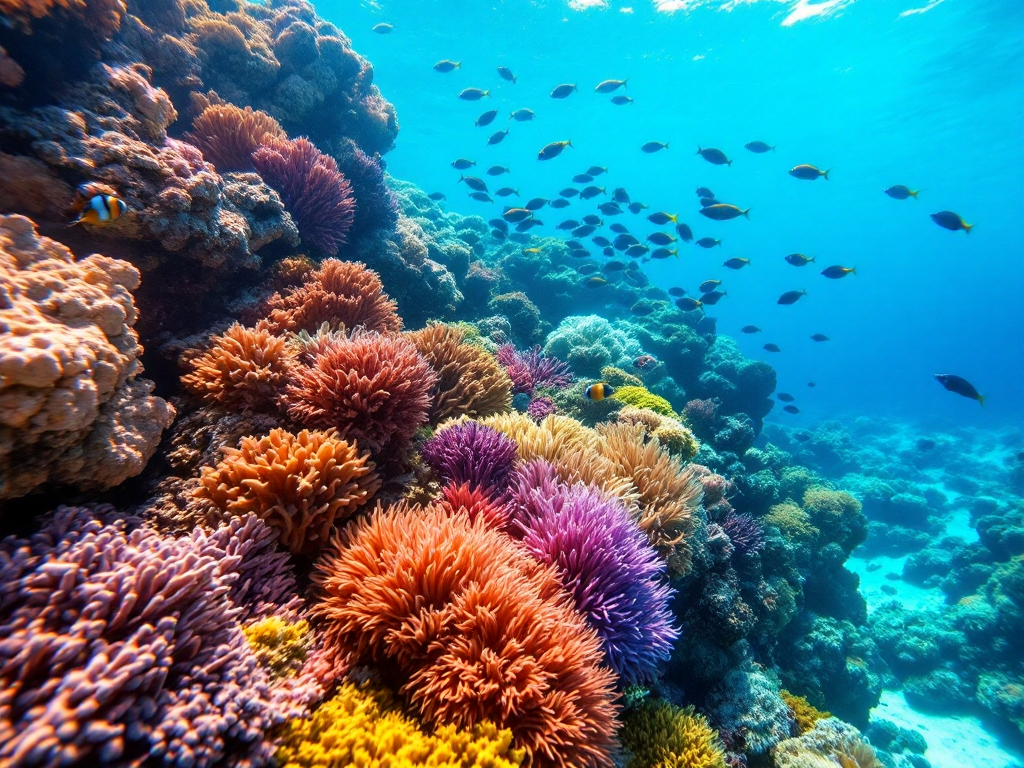
The underwater trail is real, it's marked with buoys, and the signs on the seafloor explain coral types, fish species, and reef ecology. If you've never snorkeled before, this is genuinely educational. The reef is healthy and colorful, and you'll see parrotfish, surgeonfish, angelfish, and if you're lucky, small rays.
Here's what to expect:
- The trail is about 225 yards long and takes 15-30 minutes depending on how slowly you explore.
- Water depth ranges from 5-40 feet, but most of the trail is in 10-20 feet — totally manageable for beginners.
- Visibility is usually 60-80 feet, which is excellent for the Caribbean.
- The reef is not as vibrant as, say, the Bahamas or Bonaire, but it's healthy and well-maintained by the National Park Service.
- Crowds can be significant in peak season. I've done this in January with dozens of snorkelers in the water at once. It's still enjoyable, but not intimate.
Critical tips:
Bring your own snorkel gear if possible. The rental shops charge $10-15 per day, and honestly, your own mask and snorkel will fit better. If you don't have gear, Trunk Bay has a rental stand.
Wear reef-safe sunscreen. Regular sunscreen damages coral, and the park enforces this. Reef-safe options are widely available and typically cost $15-20 for a decent brand.
Arrive by 9:30 AM. After 11:00 AM in peak season, parking fills up and the beach gets packed. If you're visiting in summer (June-August), you'll have fewer crowds but higher heat and rain risk.
The underwater trail entrance fee is $5 per person per day (2026 pricing). It's separate from parking ($4 per vehicle for the day).
Other Activities Beyond the Beach
If you want to do more than just beach and snorkel, St. John offers excellent hiking. The Annaberg Sugar Plantation ruins trail is a 30-minute loop through historic plantation remains with ocean views. It's educational and gives you a break from the beach. Equally good is the Coral Reef Underwater Park trail (different from Trunk Bay) near Virgin Islands National Park headquarters.
If you're into kayaking, Cinnamon Bay offers rentals. A one-hour kayak rental costs around $25-30. The mangrove lagoon kayaking is stunning and peaceful.
For something different, explore the small village of Cruz Bay. It has local restaurants, shops, and a genuine Caribbean feel. Cruz Bay Landing is a casual spot with fresh seafood and local dishes for $12-18. It's the opposite of cruise-port pricing.
One insider tip: If you have time, hike to Saltpond Bay on the south shore. It's less touristy, has good snorkeling, and feels genuinely adventurous. Parking is limited, but if you find a spot, you'll have a much quieter beach experience.
Food & Drinks: What to Eat & How Much to Budget
Here's the honest truth: St. John doesn't have a ton of dining options outside resort restaurants. This is actually a good thing because it means fewer overpriced tourist traps.
Cinnamon Bay Watersports has a casual beach bar with burgers, fish tacos, and salads for $14-22. The rum punch is strong and costs about $9. It's perfect if you want casual beachside food without leaving the beach.
Cruz Bay Landing (mentioned above) serves fresh fish, conch salads, and local seafood for $14-20. It's about a 10-minute walk from the ferry terminal, and it's genuinely good food run by locals, not cruise operators.
The Pavilions, near Trunk Bay, has a small food stand with sandwiches, wraps, and salads ($10-15). It's convenient if you're beach-focused and don't want to leave.
My strategy: Pack a cooler with snacks, fruit, and drinks from your ship. Bring sandwiches or wraps from the ship's buffet. This cuts your food costs dramatically and means you're not dependent on overpriced beach vendors. If you want to eat out, hit Cinnamon Bay or Cruz Bay Landing for lunch.

Budget breakdown for a full day on St. John:
- Ferry (round-trip): $14-18 per person
- Trunk Bay entrance fee: $5 per person
- Parking: $4 (shared among however many people are in your group)
- Snorkel rental (if needed): $10-15 per person
- Food/drinks: $0-25 per person (depending on whether you pack your own)
- Total per person: $35-65
This is genuinely affordable compared to organized shore excursions, which run $80-120 per person for essentially the same experience.
The Practical Reality: Timing & Getting Back to Your Ship
Here's where first-timers get stressed: You need to leave St. John with enough buffer time to get back to your ship before all-aboard.
If your ship's all-aboard is 5:00 PM, I suggest catching a ferry no later than 3:30 PM. This gives you 30-40 minutes to get from Cruz Bay back to Red Hook, plus time for unexpected taxi delays. If you miss the last ferry of the day, you're looking at $300-500 for a private water taxi back to St. Thomas, and then you're cutting it close to get back to the ship.
Real timeline for a full day:
- 8:00 AM: Ferry from Red Hook to Cruz Bay
- 8:20 AM: Arrive St. John, get to Trunk Bay
- 9:00 AM-1:00 PM: Beach and snorkeling
- 1:00 PM-2:00 PM: Lunch break
- 2:00 PM-3:15 PM: More beach time or explore Coral World, Cinnamon Bay, or hike
- 3:30 PM: Ferry back to Red Hook
- 3:50 PM: Arrive St. Thomas, grab a taxi
- 4:20-4:30 PM: Back at ship with time to spare
Don't get greedy trying to squeeze in "one more hour." The ferry schedule is fixed, and missing it costs time and money.
What to Bring & What to Expect
Essential gear:
- Reef-safe sunscreen (critical)
- Snorkel gear (yours or rental)
- Rash guard or swim shirt (sun protection and reef protection)
- Towel
- Cash for ferry, parking, food, and tips (many vendors are cash-only)
- Water bottle (fill it at the beach facilities)
- Flip-flops and a light cover-up
- Underwater camera or GoPro if you want photos of snorkeling
What to expect weather-wise:
St. John weather depends on the season. In winter (November-March), expect pleasant 80°F days with occasional rain showers. In summer (June-August), it's hotter (85-90°F), more humid, and higher chance of afternoon thunderstorms. Trade winds keep it relatively cool compared to other Caribbean islands.
Real Talk: Is It Worth the Effort?
Yes. Absolutely yes. Here's why:
You're getting an authentic Caribbean experience without the cruise-port manufactured feeling. You're supporting local ferries and local businesses instead of corporate shore excursion operators. You're seeing one of the most pristine islands in the USVI, protected as a national park. And you're saving $50-80 per person compared to organized excursions.
The only reason not to do this is if you're uncomfortable with independent travel, uncomfortable with Caribbean taxi situations, or if you have mobility issues (the ferry is a small boat with stairs, and beaches require some walking). If any of those apply, an organized excursion might actually be worth the premium cost.
For everyone else: Do this. St. John is genuinely special, and you'll remember it far longer than another day shopping in Charlotte Amalie.
Join the Caribbean Conversation
Have you done the St. John day trip? Share your favorite beach, your snorkeling finds, or your ferry survival stories in our Caribbean Ports forum. We love hearing from cruisers who've explored beyond the typical port stops — your insights help other passengers plan their own adventures.