

Drew_Callahan
Moderator
Finding Your Way Back to the Ocean
Losing a spouse changes everything—including how you see the things you once loved together. If you and your partner shared a passion for cruising, the thought of boarding a ship alone might feel overwhelming, even impossible. I've talked to dozens of cruisers who've faced this exact crossroads, and I want you to know: you can absolutely cruise solo again. It won't be the same, but it can be meaningful, healing, and genuinely enjoyable.
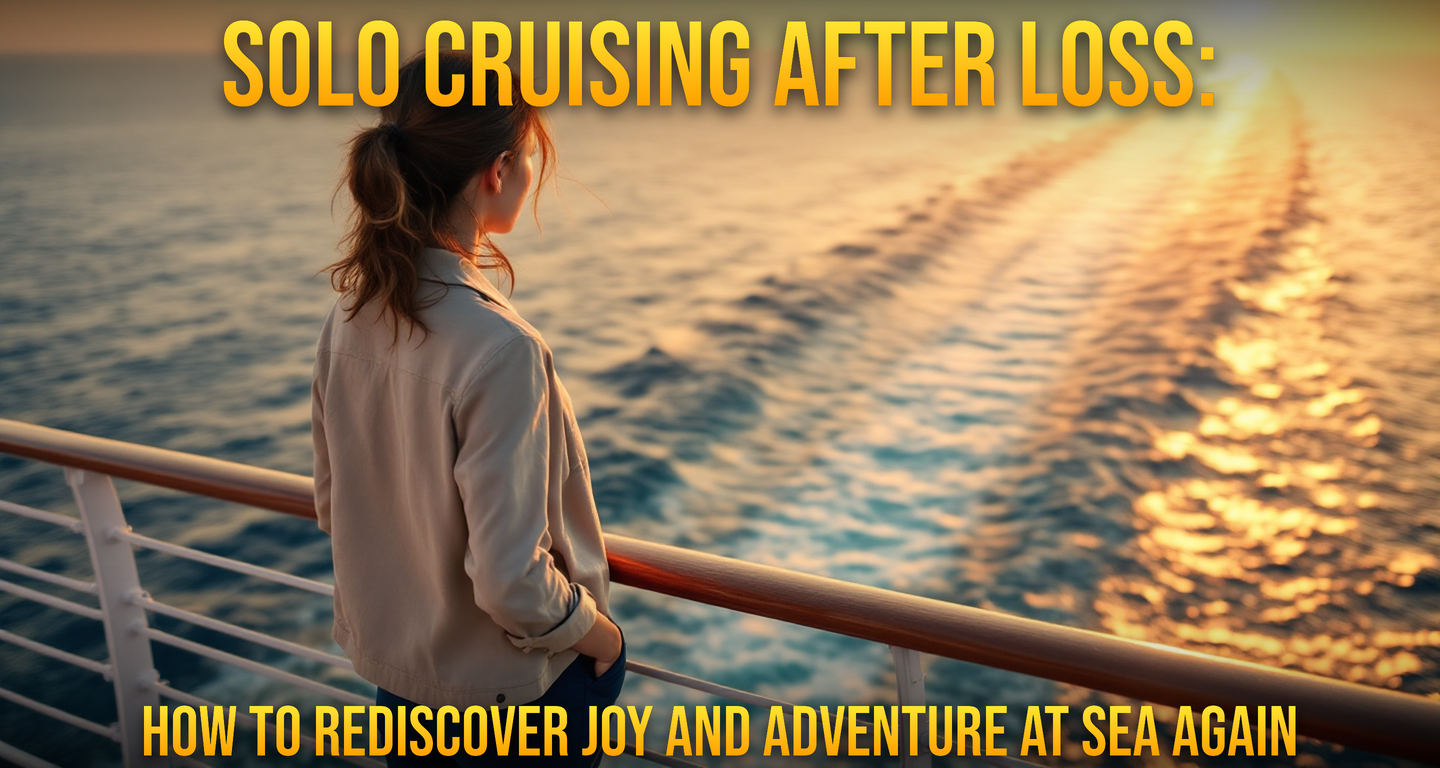
After 40+ cruises across every major cruise line, I've learned that cruising is incredibly adaptable. It's not about forcing yourself back into old routines—it's about discovering what solo cruising means for you now. That might be completely different from what you did as a couple, and that's not just okay; it's exactly how healing works.
The Mental Game: When to Book and Why Timing Matters
First, let's be honest: there's no magic timeline. Some people are ready to cruise six months after their loss. Others need two years. The cruise industry will be there whenever you're ready—there's no rush, and no judgment.
That said, I've noticed that cruisers who've experienced loss often find that planning a cruise actually becomes part of the healing process. Having something concrete to look forward to—choosing a destination, researching ports, imagining yourself on deck at sunrise—gives your mind something purposeful to do. It's not about "getting over it." It's about moving forward.
Here's what I'd suggest: Start small. Don't book a 14-day transatlantic crossing right away. Consider a 3-4 day Caribbean cruise first. It's short enough that if you feel overwhelmed, you're not trapped on a ship for two weeks. It's long enough to get into the rhythm of cruising and remember why you loved it.
Choosing the Right Ship and Itinerary
Your choice of ship matters more now than it did before. When you were cruising as a couple, you might have tolerated aspects of the experience you didn't love—maybe it was a mega-ship's energy, or a smaller ship's limited activities. Now, you get to choose based on what you actually want.
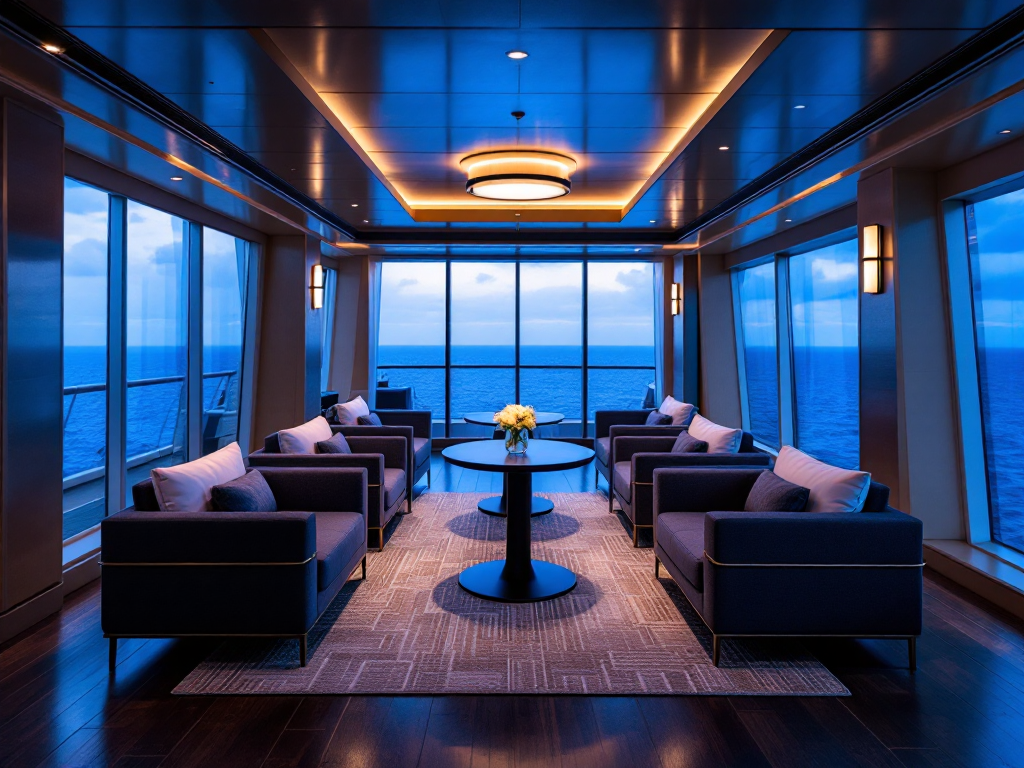
If you're an introvert who needs quiet time, consider:
- Smaller ships: Viking Ocean Cruises, Seabourn, or Windstar. These carry 600-750 passengers and feel more intimate. You won't feel swallowed by crowds.
- Repositioning cruises: These longer itineraries (10-14 days) attract fewer families and tend to draw thoughtful, mature travelers. Fewer port days sometimes mean you're on the ship with people who actually want to be there, not checking their phones.
- Less popular itineraries: Skip the Bahamas in peak season if you're not ready for the carnival atmosphere. Book a fall Caribbean cruise or a spring Mediterranean itinerary instead. Fewer tourists, more space to breathe.
If you're someone who thrives on engagement and activity, go the opposite direction:
- Mega-ships with extensive programming: Royal Caribbean's Oasis-class ships or Harmony-class have something happening literally every hour. The constant activity can be grounding.
- Themed cruises: Disney Cruises, music-themed sailings, or food & wine festivals put you around people with shared interests. Conversations happen naturally.
- Peak season Caribbean: Yes, it's busier, but that also means more solo travelers, more organized group activities, and a higher likelihood of meeting people if you want to.
The Solo Cabin Question: Inside vs. Outside, and Studio Cabins
Here's something that's changed dramatically in cruise travel: solo cabins actually exist now. Ten years ago, if you booked alone, you paid nearly double occupancy rates. Now, most major cruise lines offer genuinely affordable solo studios.
Royal Caribbean's Studio cabins on ships like Harmony of the Seas or Wonder of the Seas are brilliant. They're small (about 150 sq ft), but they're built efficiently, and you get access to an exclusive Studio Lounge where other solo travelers gather. Some solo cruisers make their best friends in that lounge.
Norwegian Cruise Line and Carnival also offer studio cabins, though the community aspect isn't quite as strong.
My practical advice: Book an inside studio for your first solo cruise. You'll save money (roughly $800-1,200 for a 4-day cruise depending on the line), and honestly, you won't be in your cabin that much anyway. Spend your money on experiences and good dinners, not a balcony you might not use.
If you do want an outside cabin, book an oceanview without a balcony. It's a nice compromise—better views than inside, lower price than a balcony, and less temptation to isolate yourself in your room.
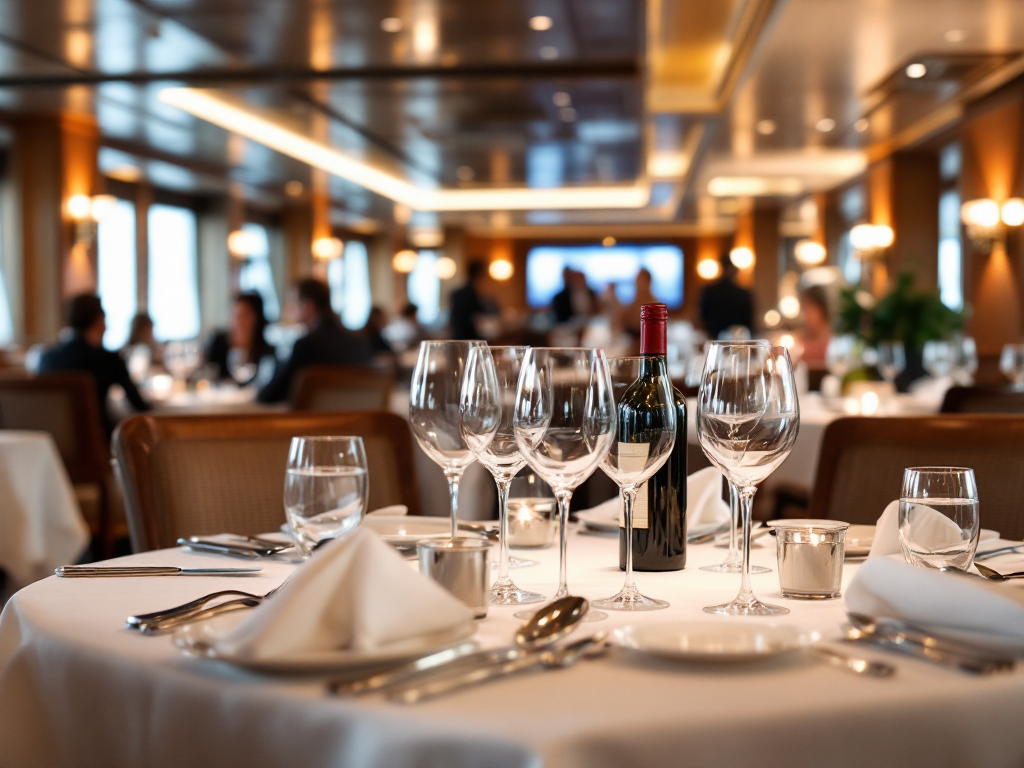
Managing Dining: Solo Seating vs. Your Choice
This is the part that terrifies most solo cruisers. The idea of sitting alone in the main dining room while couples and families surround you feels vulnerable.
You have three options:
- Traditional assigned seating: You'll be seated with strangers (usually 6-8 people). If your group is kind and engaging, you'll have built-in companionship every night. If it's awkward, it's still only 50 minutes. Most cruise lines let you request a table change after the first night.
- My Time Dining (Royal Caribbean's flexible dining): You eat whenever you want, wherever you want. This is genuinely empowering for solo cruisers. No schedule, no obligation to make small talk every night.
- Specialty restaurants: Book a table for one in one of the ship's alternative restaurants. Yes, it's more expensive ($20-45 per person for extras like Chef's Table or Specialty Dining), but you get excellent food, a quieter atmosphere, and no pressure to perform for anyone else.
My honest take after 40+ cruises: Traditional dining can be wonderful. I've met some of my dearest friends at cruise ship dinner tables. But if you're not ready for that social contract—if the thought makes your chest tight—skip it entirely. There's no prize for forcing yourself through discomfort. Eat at the buffet some nights, grab room service, find a casual restaurant. Nobody's keeping score.
Activities: Participate or Opt Out—Both Are Fine
Cruise ships vibrate with scheduled activities. There's trivia, dance classes, fitness sessions, wine tastings, deck parties. It can feel either wonderfully distracting or exhaustingly forced, depending on your emotional state that day.
Here's my suggestion: Go to absolutely nothing the first day. Spend your first sea day doing what feels right—reading on the Lido Deck, exploring the ship, sitting quietly. Don't force participation because you think you "should" be social.
Once you've settled in, pick one or two activities that genuinely appeal to you. Maybe it's a cooking class, or a fitness session, or the library talk. Do those. Skip the rest. Your cruise, your rules.
If you want built-in community without pressure, consider:
- Trivia competitions: They're low-stakes, fun, and everyone's focused on the game, not on you being solo.
- Fitness classes: Early morning yoga or aqua fitness attracts people who are self-focused and won't interrogate your personal life.
- Shore excursion group tours: You're part of a crew, with a guide and shared purpose. Easy conversation without deep personal investment.
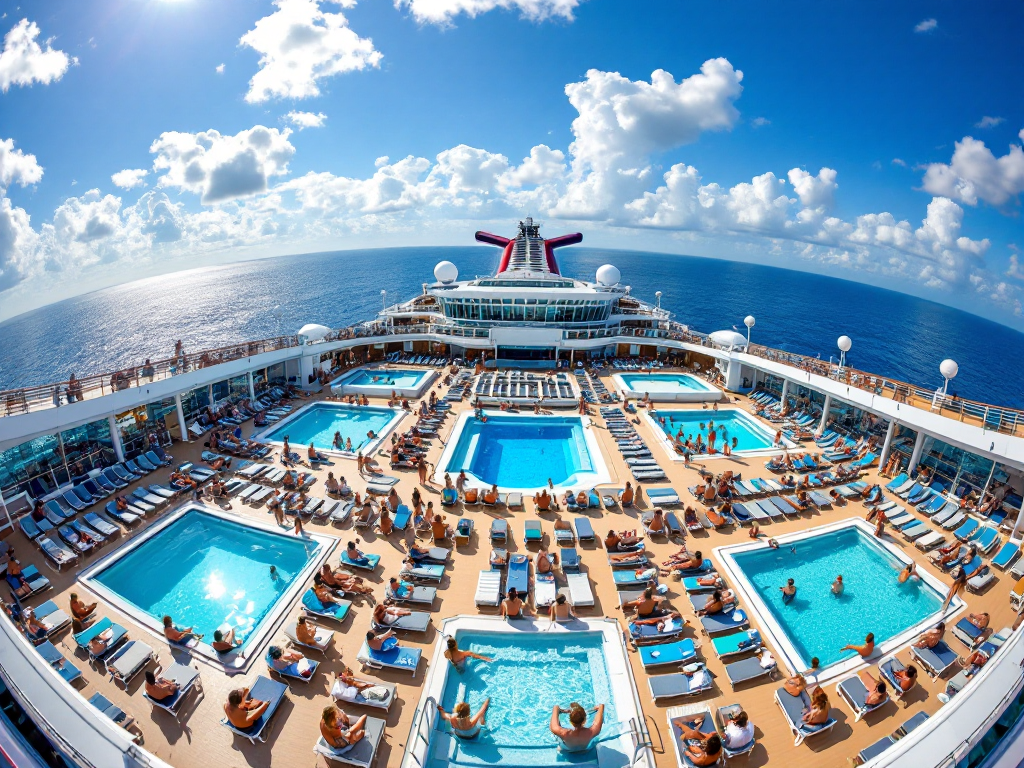
Ports: Solo Exploration as Meditation
One unexpected gift of solo cruising: you get to experience ports exactly as you want. No compromising on activities, no waiting for someone else to be ready, no guilt about spending too much.
If you're an introvert, solo port days are pure magic. You can:
- Rent a car and drive aimlessly (Cozumel, Bermuda, Jamaica)
- Find a quiet beach and read for four hours (Grand Cayman, Princess Cays)
- Wander Old Town streets without a schedule (Dubrovnik, Nassau, Juneau)
- Spend the day at a beach club with a book and zero social obligation (Nassau's Atlantis day pass, Cozumel resorts with dock access)
If you're an extrovert who wants structure, book ship excursions. They handle logistics, pair you with a group, and usually end around four hours—plenty of time to still be back on the ship early if you want.
Pro tip: Some of the best port memories come from solo travelers who wander into local restaurants and actually talk to restaurant owners. You might have the most genuine conversation of your trip with a bartender in Cozumel or a shopkeeper in Roatán. You're not looking for romance or anything transactional—you're just present.
What to Actually Expect: The Emotional Reality
Let me be real with you. There will probably be a moment—maybe Day 2 or Day 3—where you miss your person acutely. You'll see a couple dancing at the poolside party, or you'll walk past the specialty restaurant where you always ate together, and it'll hurt.
That's not a sign you shouldn't be cruising. That's just grief. It doesn't mean you're failing at moving forward.
Most solo cruisers I've talked to find that these moments get smaller as the cruise goes on. By Day 4, you're in a rhythm. You know where the good coffee is, you've found your favorite quiet spot on the ship, you've maybe made a friend or two. You're building new memories.
Some cruisers create intentional rituals: a morning coffee on the Lido Deck, a sunset walk on the promenade, a nightly journal entry. These give your days structure and help you process emotions in a healthy way.
Practical Logistics for Solo Cruisers
A few things that matter when you're traveling alone:
- Travel insurance: This is non-negotiable. Single supplement fees on cruises can be steep, and if you have to cancel, you want coverage. Our AI concierge at CruiseVoices.com can walk you through policies that make sense for solo travelers.
- Emergency contact: Make sure someone ashore knows your itinerary, cabin number, and how to reach you. It's not morbid—it's sensible.
- Phone service: Get an international plan or buy a local SIM card at ports. You don't need to stay constantly connected, but having the option to reach people matters.
- Copy of documents: Keep passport, travel insurance, and booking confirmations both physically (in a waterproof pouch) and digitally (email to yourself or cloud storage).
- Budget for solo splurges: Specialty dining, excursions, spa treatments. These feel less extravagant when you're traveling alone because you're not splitting bills. Sometimes treating yourself is part of healing.
Choosing Your Cruise Line and Booking
Different cruise lines attract different solo traveler cultures:
- Royal Caribbean: Most solo-friendly overall. Studio cabins, dedicated Studio Lounge, excellent programming. Great for first-time solo cruisers.
- Princess Cruises: Attracts mature travelers and couples with adult children. Quieter vibe, excellent service. Good if you want peaceful rather than high-energy.
- Viking Ocean: Premium pricing, smaller ships, intellectually engaged travelers. Perfect if you want depth over breadth.
- Disney Cruises: If you're traveling with grandchildren or want family-friendly structure, but genuine solo adults appreciate the quality and safety standards.
When you're ready to actually book, use CruiseVoices.com's AI concierge or Trip Planner. Why? Because our team understands cruise travel intimately, and they'll help you navigate solo-specific considerations—cabin selection, dining preferences, budget allocation—that a generic travel website misses. Plus, you're supporting a community of cruisers, not just a corporate booking machine.
Getting Started: Your First Solo Cruise
Here's my recommendation for booking your first solo cruise after loss:
- Choose a line known for solo friendliness (Royal Caribbean tops the list)
- Pick a short itinerary (3-4 days, Caribbean or Bahamas)
- Book a studio cabin inside if you want to save money, oceanview if you want slightly more atmosphere
- Choose flexible dining (My Time or buffet-focused)
- Plan one or two activities that appeal to you—not everything
- Pick a port excursion that lets you go solo but gives you structure
- Book in 2026 to ensure availability and get the best rates
Then share your plans with the CruiseVoices community. Get advice from other solo cruisers. Read trip reports. Let people who get it help you prepare.
Final Thoughts
Cruising after loss isn't about going back. It's about going forward differently. Your new solo adventures won't replace the trips you took with your spouse, and they shouldn't. But they can be their own kind of beautiful.
I've watched solo cruisers discover things about themselves they wouldn't have found in a couple's dynamic. Confidence. Joy. New friendships. A deeper understanding of what they actually want from travel.
You're brave for even considering this. When you're ready, the ocean is waiting—and so is a whole community of cruisers who understand exactly what you're navigating.
Ready to plan your solo cruise? Start a conversation in our forums and let experienced solo cruisers guide you. We've all been where you are, and we're rooting for your comeback voyage.