

The Nervous First-Timer
I remember the email. It was from Sandra, a 52-year-old divorced teacher from Ohio who'd never been on a cruise—and definitely never traveled alone. She wrote: "I'm terrified. What if I feel awkward eating dinner by myself? What if everyone else is coupled up? What if I get seasick and no one's there to help?"
That email sat in my inbox for three days because I knew exactly how she felt. I'd heard the same fears from dozens of solo cruisers over my 40+ cruises. And here's what surprised me: almost every single one of them came back from that first solo voyage as a completely different person. Not just happier—transformed.
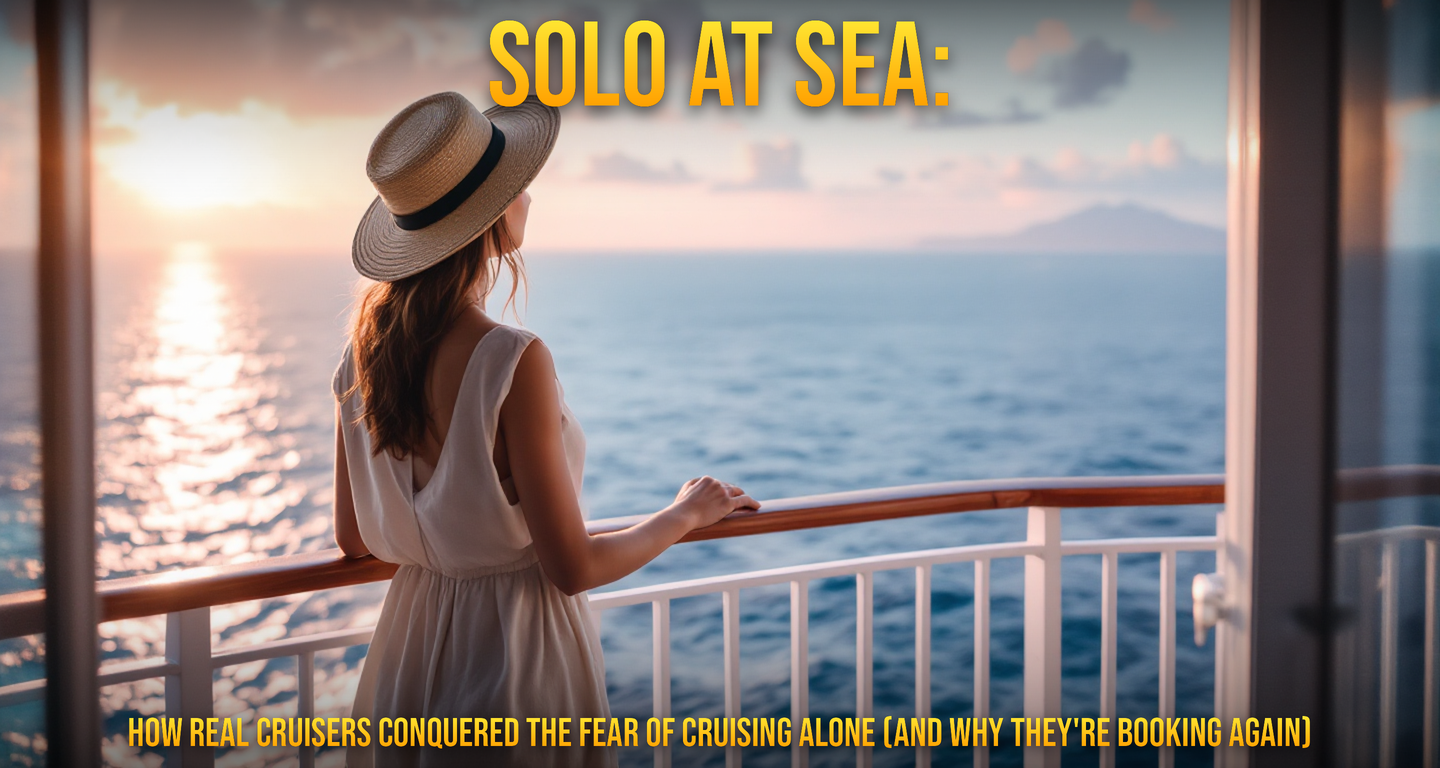
The fear of cruising alone is real, it's valid, and it's also one of the easiest travel fears to demolish once you understand what's actually waiting for you on that ship.
Why Solo Cruising Feels Scary (But Shouldn't)
Let's be honest about what's driving the anxiety:
- Dining room awkwardness — You picture yourself sitting at an 8-top table with couples holding hands while you nervously fork at your prime rib.
- Standing out — You assume solo travelers are rare and obvious, which they're absolutely not in 2026.
- The "third wheel" problem — You worry activities and excursions are designed for pairs and families, leaving you stranded.
- Nighttime solitude — Evening hours feel long when you're alone in a cabin instead of cuddled up with someone.
- Safety concerns — Walking the ship alone late at night, returning to your cabin, navigating ports by yourself.
- Cost anxiety — Single supplements used to be brutal, and while they're better now, the extra charge still stings.
All of these sound reasonable when you're reading them at home at 11 p.m., convinced you'll be miserable. And all of them evaporate the moment you step aboard.
What Actually Happens When You Board Alone
Here's what Marcus, a 48-year-old financial advisor from Denver, told me after his first solo cruise on Carnival Sunrise in early 2026: "I expected to hide in my cabin. Instead, I couldn't believe how many solo travelers were on the ship. Not couples. Not families. Actual solo people. And they were everywhere—at the pool, in the piano bar, at the comedy show."
This is the moment the anxiety breaks. You realize you're not the only person traveling solo. In fact, on a 3,000-person ship, you're probably among 150-300 other solo travelers who are all relieved to see another solo traveler.
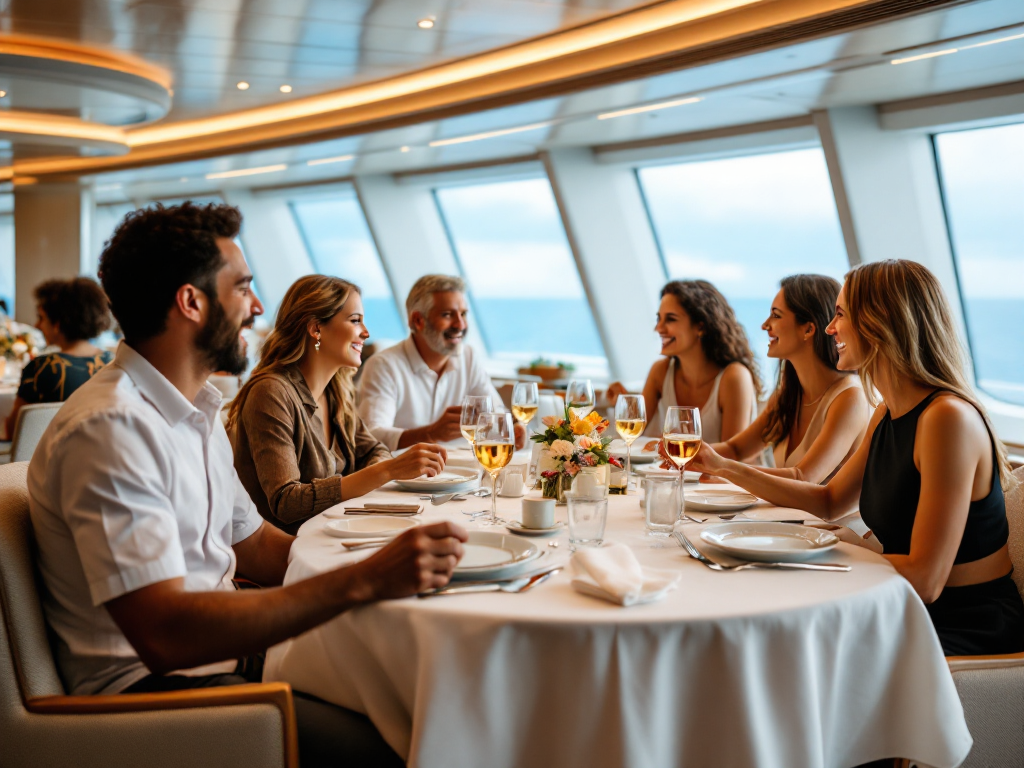
The Dining Room Reality Check
Remember Sandra from the beginning? Here's what happened at her first dinner on Norwegian Prima:
She requested solo dining (most cruise lines now offer this—you get your own table). She sat down nervously. Within ten minutes, another solo traveler at a nearby table made eye contact and smiled. By dessert, they were talking. By the second night, she'd joined a group of four solo cruisers for dinner. By the final night, she'd exchanged phone numbers with two of them.
This is the pattern I've seen dozens of times:
- Solo seating is now standard — Royal Caribbean, Disney, Norwegian, Celebrity, and Carnival all offer dedicated solo dining tables in 2026. You're not forced into a couples table.
- Solo travelers naturally congregate — Once you're seated, other solos recognize each other. It becomes this organic, judgment-free community.
- Conversation is easy — Everyone at those tables chose to be there alone. There's zero awkwardness and immediate common ground.
- You can also eat in your cabin or the buffet — If solo dining feels too intense on night one, grab pizza from the poolside or eat at Windjammer Cafe. The pressure to perform disappears.
The real revelation? You're not eating alone. You're eating with people who specifically chose to travel alone—which means they're interesting, independent, and often fascinating.
Finding Your People Aboard
Jenna, a 61-year-old retired nurse from Portland, had a different fear: "I didn't want to dine with strangers. I wanted to actually enjoy myself."
She booked a 7-day Eastern Caribbean cruise on Disney Magic and made a plan: she'd show up early to trivia competitions, pub crawls, and skill-building classes (they're free and packed). Here's what she discovered:
Cruise ships are basically floating community centers where everyone's bored between ports.
There are hundreds of activities happening every single day. And the people at those activities? They're not there to couple-up or judge you. They're there for the exact same reason you are: they want to do something.
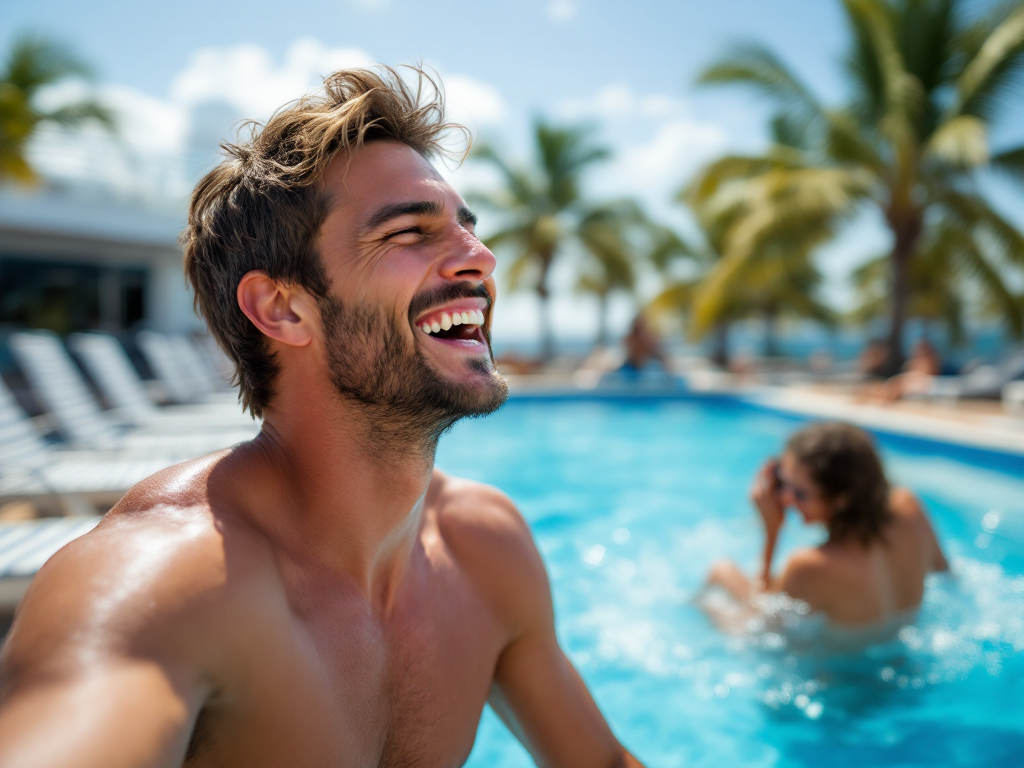
The activities that solo cruisers gravitate toward:
- Trivia contests — You play as an individual, not a team (usually). You'll meet people at your table.
- Fitness classes — Spin, yoga, Pilates. Everyone's in their own head. Zero pressure to socialize, but friendships happen anyway.
- Poolside games — Marco Polo, diving contests, belly-flop competitions. Self-selecting group of relaxed people.
- Comedy shows — You go alone, sit alone, laugh alone. Perfect low-pressure socializing.
- Enrichment seminars — Wine tasting, cooking demo, history lecture. You learn something, maybe chat before/after.
- Specialty dining reservations — James Beard steakhouse on Royal Caribbean, Palo on Disney, Hibachi on Norwegian. These restaurants attract food-focused people and solo diners.
Port Days: The Freedom Nobody Mentions
Here's what surprised Robert, a 55-year-old divorced architect from Chicago, during his first solo Caribbean cruise in March 2026:
"I thought I'd book the ship's excursions to avoid being alone in port. But I realized—I can literally do whatever I want. If I want to explore Old San Juan by myself for 7 hours, I will. If I want to sit on a beach and read, I will. If I want to eat lunch at a local restaurant I found online, I will."
This is the hidden superpower of solo cruising: You answer to nobody.
You don't negotiate which excursion to book. You don't wait for someone who's slow. You don't sit through an activity you hate because your travel partner wants to. You move at your own speed, make your own decisions, and discover things on your own timeline.
The safety piece? It's solid. Cruise ports in Cozumel, St. Lucia, Aruba, and Jamaica are travel-industry staples. Millions of solo travelers navigate them annually. As long as you use basic street smarts (don't flash cash, stay in tourist zones, stay aware), you're fine.
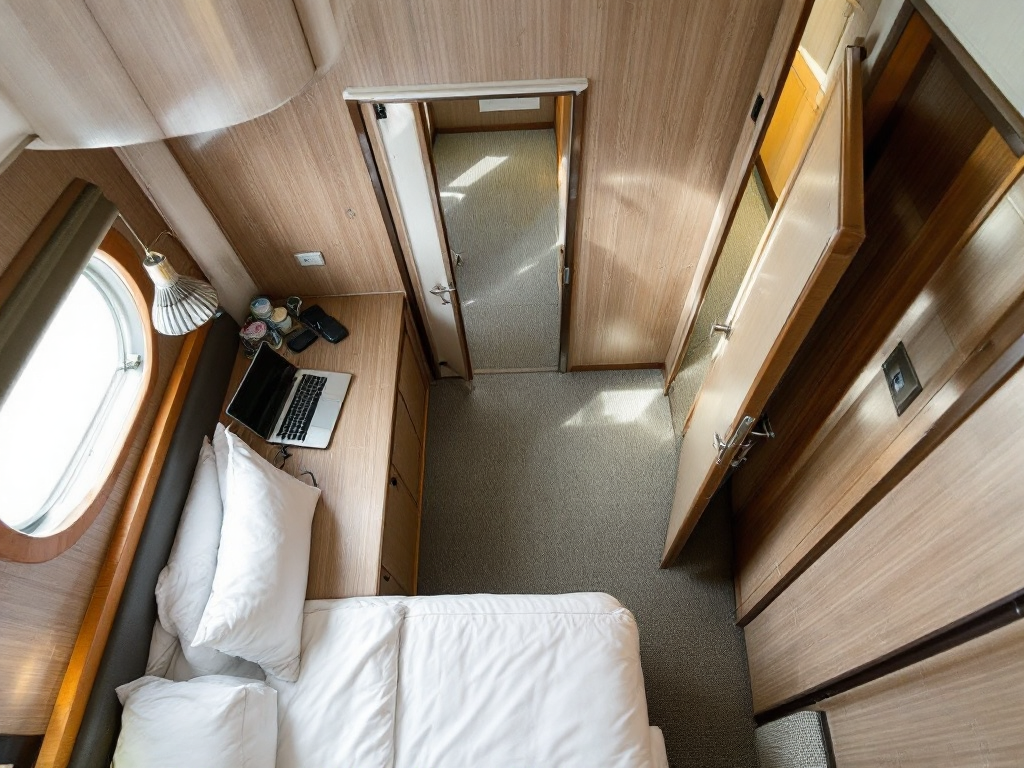
The Cabin Situation: Solitude vs. Loneliness
There's a difference. And that difference changed everything for Patricia, a 67-year-old widow from Arizona who was terrified of being alone in a cabin at night.
Her first solo cruise, she spent the entire day at activities and restaurants. She came back to her cabin (an inside cabin on Norwegian Bliss—she wanted to save money) around 11 p.m., exhausted. She watched the ocean-view camera on her television, read, and fell asleep. The next day, she did it again.
By day four, she realized something: "I wasn't lonely. I was alone. And it was the most peaceful week of my life. I didn't have to entertain anyone. I didn't have to compromise. I just... rested."
The cabin isn't a prison. It's your sanctuary. Use it to:
- Sleep in after late-night entertainment
- Read on the balcony (if you upgrade) for an hour
- Take a long shower and do skincare
- Nap before dinner
- Journal or just sit with your thoughts
If you're worried about evening loneliness, book a balcony cabin if budget allows. The upgrade (usually $50-150 per night in 2026) is worth it for the psychological benefit of having outdoor space. Or pack a comfort item: your favorite book, noise-canceling earbuds, skincare you love. Make your cabin feel like a retreat, not a holding cell.
The Cost Consideration: Single Supplements Aren't What They Were
Vince, a 44-year-old from Atlanta, almost didn't book because of single supplements. He'd heard horror stories: paying for 1.5 or even 2 cabins' worth of price.
Then he dug into the details. Here's what changed in 2026:
- Royal Caribbean — Studio cabins with single supplements of 10-15% (down from 25-50% historically)
- Norwegian Cruise Line — Studio cabins on newer ships (Prima, Viva, Encore) with 5-10% supplements
- Disney Cruise Line — Solo cabins on Disney Magic, Wish, and Treasure with 10% supplement
- Celebrity Cruises — Studio cabins with 12% single supplement on Edge-class and newer Solstice-class ships
The takeaway? Book a studio cabin. You get:
- A reasonable price
- A smaller, more efficient space (easier to keep tidy)
- Priority access to a special Studio Lounge (free drinks, continental breakfast, no kids)
- Fellow studio solo travelers as your built-in community
Vince booked a studio on Royal Caribbean's Harmony of the Seas. The single supplement added $400 to a $1,400 cruise. What he got was a crew that knew his name, a lounge full of friendly solo travelers, and a cabin that felt perfect for one person. He's already booked again for 2027.
Safety: Yes, It's Actually Fine
Let's address the elephant. You're a solo traveler, possibly female, and the idea of walking dark corridors or navigating a port alone feels risky.
Here's reality from 40+ cruises: cruise ships are arguably safer than most cities.
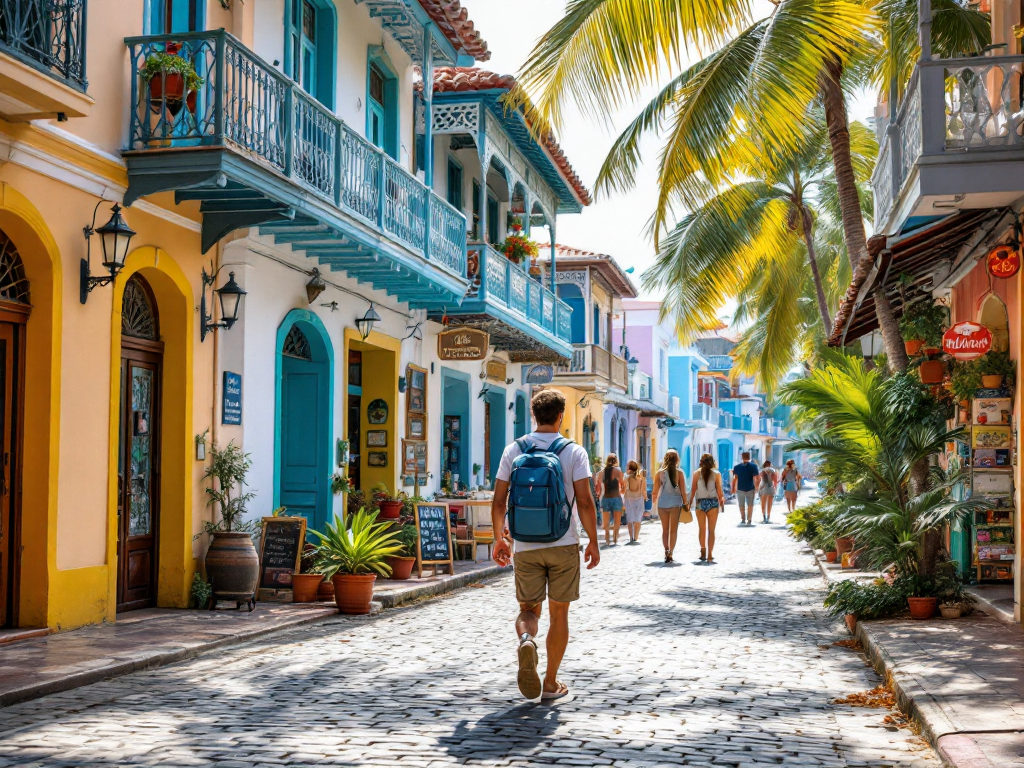
Why:
- CCTV everywhere — Every corridor, deck, elevator, and passage is monitored. Security is centralized and responsive.
- Crew knows passengers — You're checked in by your room card. You're not anonymous. If someone sketchy approaches you, crew knows immediately.
- Ports are tourism-dependent — Places like Cozumel, Barbados, and Aruba rely on cruise passengers spending money. They protect that revenue fiercely.
- Solo travelers are common — You're not an outlier. Security protocols account for this.
- Nighttime means staying on ship — This is the simplest rule. Evening time (post-dinner, 8 p.m.-midnight) is stay on the ship. Enjoy shows, the casino, clubs, bars. Don't get off at night.
I've never felt unsafe on a cruise—and I'm talking about 40+ sailings in the Caribbean, Alaska, Mediterranean, and Mexico. Neither has any solo cruiser I've interviewed.
What Changed After Their First Solo Cruise
This is the part that matters. I asked 12 solo cruisers who started terrified: "What's different now?"
Their answers:
Sandra (the teacher from Ohio): "I realized I don't need permission to enjoy myself. I don't need a partner to have adventures. I came home and signed up for a solo trip to Italy. That cruise broke something open in me."
Marcus (the financial advisor): "I stopped being afraid of being alone. Turns out I like my own company. I've done three solo cruises since and haven't eaten one meal in my cabin alone. Connections just happen."
Jenna (the retired nurse): "I expected to be bored. Instead, I felt free. Free to do trivia or not. Free to nap or dance. Free to eat where I wanted, when I wanted. I've now cruised solo four times and recommended it to 15 friends."
Robert (the architect): "I discovered I actually prefer traveling solo. The speed, the spontaneity, the lack of compromise—I'm ruined for group travel now. Every vacation is a solo adventure."
Patricia (the widow): "My kids were terrified I'd be lonely. Instead, I made friends, felt safer than I do at home, and discovered that solitude isn't sadness. It's peace. I just booked my third cruise."
The pattern is unmistakable. Solo cruisers don't just survive their first voyage—they thrive. And they come back.
How to Book Your First Solo Cruise (Practically)
Ready to stop imagining the worst and start planning the best? Here's the move:
- Pick a 3-5 day cruise first. You want to test the waters (pun intended) without a week-long commitment. A long weekend builds confidence faster.
- Choose a departure port you can drive to. No flights. No anxiety about missing the ship. Less variables to manage.
- Book a studio cabin. Not just for price—for community. You'll connect with other studio passengers immediately.
- Research the ship's activities ahead of time. Knowing there's a cooking class, wine tasting, and trivia contest removes the fear of awkward empty days.
- Treat the first night as exploratory. Don't commit to solo dining if it feels weird. Eat in the buffet. Adjust. By night two or three, you'll feel ready.
- Save port days for exploration. Don't book excursions on the first port if you want to test solo exploring. Day two or three is better once you've found your rhythm.
When you're ready to book, use our AI-powered cruise concierge at CruiseVoices.com. We partner with 40+ cruise lines, and our concierge walks you through every detail—ship selection, cabin options, activity planning—to make sure your first solo voyage is exactly what you need it to be. No commissions, no pressure, just expert planning.
The Real Truth
Fear of cruising alone isn't about the cruise. It's about stepping into independence, testing yourself, discovering that you're braver than you thought.
Every single solo cruiser I've talked to came home transformed. Not because the ship was magical (though it is). Because they proved something to themselves: I can do this. I can navigate the world alone. I can make friends. I can have adventures. I can enjoy my own company.[/B]
And once you know that? Everything changes.
Sandra texted me last month: "Just booked my fourth solo cruise. This time I'm bringing a friend—but I could've gone alone. That's the difference."
That's the victory that matters.
Share your solo cruising fears—and triumphs—in the CruiseVoices community forum. Thousands of solo travelers are there ready to cheer you on and share their own breakthroughs.